
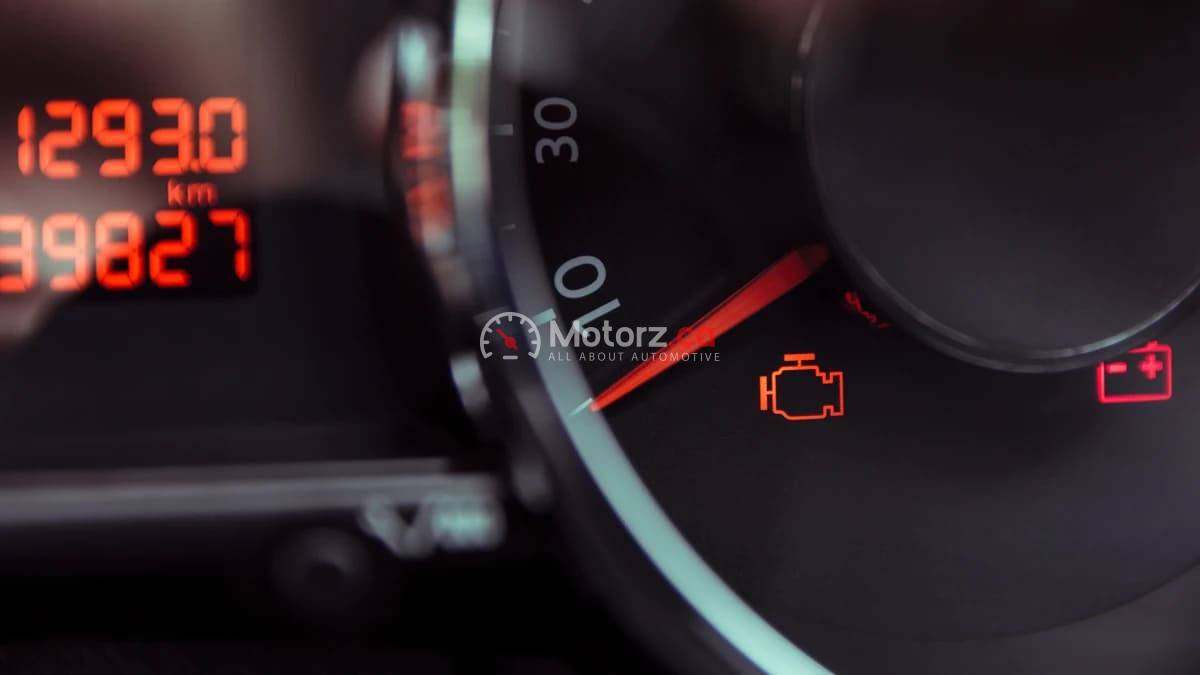
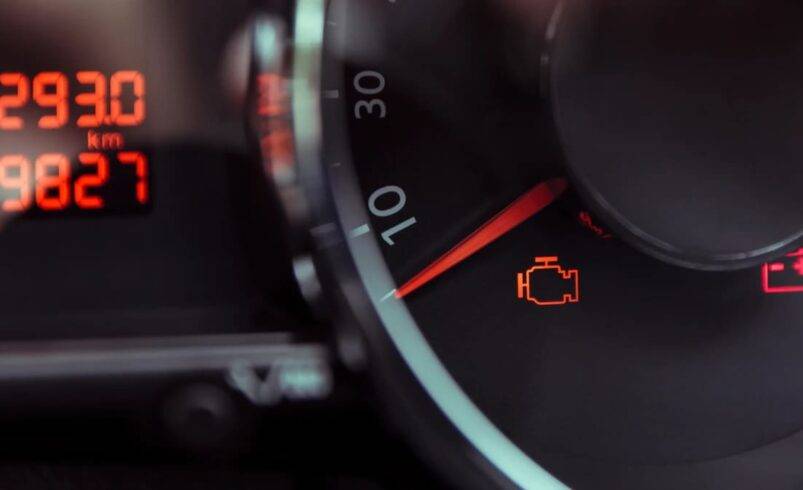

It is a moment every driver dreads: you are cruising down the highway, perhaps enjoying a podcast or a quiet morning commute, when a small, amber-colored icon flickers to life on your dashboard. The Check Engine Light (CEL)—officially known as the Malfunction Indicator Lamp (MIL)—is perhaps the most misunderstood part of modern car ownership.
To some, it represents an impending financial disaster. To others, it is a persistent nuisance to be ignored until the next emissions test. But in 2026, your car is a highly sophisticated network of computers, and that light is a precise communication tool. It isn’t just a “warning”; it is a digital handshake from your car’s brain (the ECU) telling you that something, somewhere, is operating outside of factory specifications.
In this guide, we will peel back the layers of the dashboard to find out exactly what is hiding behind that light, how to distinguish a minor glitch from a mechanical emergency, and how to save thousands on unnecessary repairs.
The “Traffic Light” Rule: Solid vs. Flashing
Before you panic, you need to identify the Engine Light of the light. In the automotive world of 2026, the way the light illuminates is your first and most important clue.
The Solid Light: The “Yellow” Signal
A steady, solid amber light is a notification that the onboard diagnostic system (OBD-II) has detected a problem in the emissions, fuel, or ignition system.
The Urgency: Medium. Your car is likely still safe to drive home or to a local shop.
The Meaning: The computer has identified a fault that is causing the car to run less efficiently or pollute more than it should. You should address this within the next few days to prevent long-term damage.
The Flashing Light: The “Red” Signal
If the check engine light is blinking or flashing, stop driving immediately. * The Urgency: Critical. This indicates a “catalyst-damaging” event—usually a severe engine misfire.
The Risk: In this state, unburned fuel is being dumped into your exhaust system. When that raw fuel hits your white-hot catalytic converter, it can melt the internal components in minutes. A flashing light can turn a 200 repair into a 4,000 engine overhaul if you keep driving.
5 Common Culprits: Why the Light Is On
While there are thousands of potential “trouble codes,” the majority of check engine lights are triggered by a handful of usual suspects.
1. The Loose or Faulty Gas Cap
It sounds like a cliché, but it remains one of the most frequent triggers. Your car’s fuel system is pressurized to prevent gasoline vapors from escaping into the atmosphere (the EVAP system). If the cap is loose, cracked, or simply not clicked into place, the pressure drops and the light pops on.
The Fix: Tighten the cap. If the light goes off after a few miles of driving, you just saved yourself a trip to the mechanic.
2. Oxygen (O2) Sensor Failure
Modern cars use multiple oxygen sensors to monitor how much unburned oxygen is in the exhaust. This data helps the engine decide exactly how much fuel to inject.
The Symptom: You might notice a 10% to 40% drop in fuel economy before the light even appears.
The Risk: Ignoring a bad O2 sensor will eventually lead to a clogged catalytic converter.
3. Worn Spark Plugs and Ignition Coils
As we reach 2026, many vehicles are pushing 100,000 miles or more. Spark plugs and coils are the heart of the combustion process. If they are worn, the engine will “misfire,” causing a jerky ride and triggering the light.
Tip: If your car stutters while accelerating, your ignition system is the likely culprit.
4. Mass Airflow (MAF) Sensor Issues
The MAF sensor measures the amount of air entering the engine to determine the correct fuel-to-air ratio. These sensors are sensitive and can be fouled by a dirty air filter or oil buildup.
The Fix: Sometimes, a simple cleaning with a 10 specialized spray can resolve this, avoiding a 300 replacement.
5. Catalytic Converter Failure
This is the “big one” that everyone fears. The catalytic converter turns harmful carbon monoxide into less harmful emissions. Usually, they don’t fail on their own; they are “killed” by other ignored problems like bad spark plugs or a leaking head gasket.
Advanced Diagnostics: How 2026 Technology Sees Your Car
In the past, mechanics relied on “trial and error”—swapping parts until the light went off. Today, the process is much more scientific.
The OBD-II Port and Trouble Codes
Every car built after 1996 has a port (usually under the dashboard) where a technician can plug in a scanner. This scanner reads Diagnostic Trouble Codes (DTCs). A code like P0302 tells the mechanic exactly which cylinder is misfiring, while P0420 points toward the catalytic converter.
Bi-Directional Controls
Modern 2026 diagnostic tools don’t just “read” the car; they can “talk” back to it. A technician can use their tablet to manually turn on a fuel pump or open a vacuum valve to see if it is physically working. This bi-directional testing eliminates the guesswork, ensuring you only pay for the parts that are actually broken.
How to Save Money When the Light Comes On
1. Use a Free Scan Service
Many major auto parts stores will plug a scanner into your car for free. They will give you the code and a printout of the most likely “fixes.” This is a great way to verify what your mechanic is telling you.
2. Buy Your Own Bluetooth Dongle
You can buy a small OBD-II scanner that plugs into your car and syncs with your smartphone for under 50. In 2026, these apps provide plain-English explanations of the codes, helping you decide if you can “DIY” the fix or if you need a professional.
3. Don’t Clear the Light to Pass Emissions
Many drivers think they can “trick” the system by disconnecting the battery or clearing the code right before an inspection. In 2026, emissions testing computers can see the “Readiness Monitors.” If you just cleared the code, the car will show as “Not Ready,” and you will fail the test automatically.
Knowledge is Power
The check engine light isn’t an enemy; it is a sentinel. By paying attention to whether it is solid or flashing and acting quickly on symptoms like poor fuel economy or rough idling, you can prevent minor sensor issues from becoming catastrophic engine failures.
Next time that amber glow appears, take a breath. Check your gas cap, listen for new noises, and get a scan. Understanding what’s hiding behind that light is the best way to keep your car—and your wallet—in peak condition.