

As the temperature drops and the first frost begins to settle on your windshield, a familiar sense of dread often creeps in for drivers. We have all been there: that heart-stopping moment when you hit the brakes on a slushy road and feel your vehicle continue to slide. In much of the northern hemisphere, winter driving isn’t just an inconvenience—it is a high-stakes physics challenge.
The most important tool in your arsenal to meet that challenge is your tires. But walk into any tire shop in 2026, and you will be met with a dizzying array of options. Do you need studded tires for maximum grip? Are performance winter tires worth the extra cost for your sports sedan? Or can you get away with the new generation of all-weather tires?
In this comprehensive guide, we are going to break down the science of cold-weather traction. We will explore the different types of winter tires available, help you identify your specific driving needs, and ensure that when the next blizzard hits, you are driving with total confidence.
Why All-Season Tires Are Not Actually for All Seasons
Before we dive into the types of Winter Tire rubber, we have to debunk a major automotive myth. Despite their name, all-season tires are essentially three-season tires.
The 7-Celsius Rule
The primary difference between a summer or all-season tire and a winter tire is the chemical composition of the rubber. All-season rubber is designed to handle heat. However, once the temperature drops below 7 Celsius (about 45 Fahrenheit), that rubber begins to harden. It becomes “glassy,” losing its ability to flex and grip the road surface.
The Specialized Winter Compound
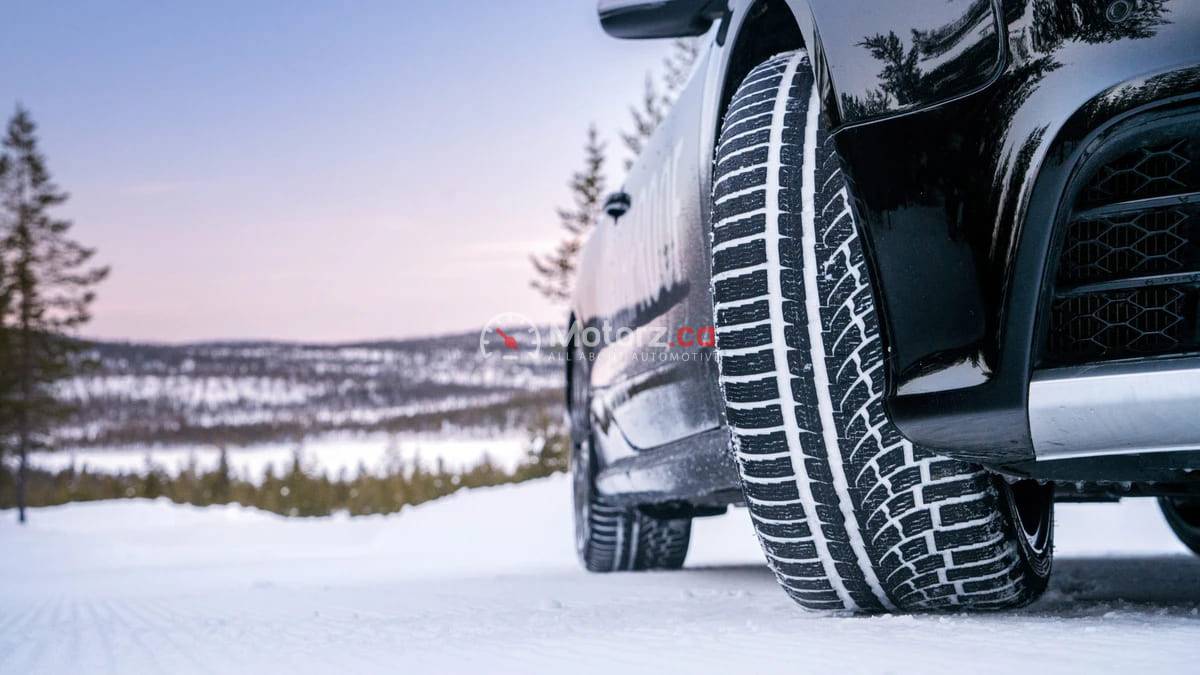
Winter tires are made with a high-silica compound that stays soft and pliable even in sub-zero temperatures. This “squishiness” allows the tire to deform and wrap around the microscopic imperfections in the ice, providing traction that a hard all-season tire simply cannot match.
Studless Winter Tires: The Versatile All-Rounder
When most people think of snow tires, they are thinking of studless winter tires. These are the modern descendants of the old “mud and snow” tires, but they are significantly more advanced.
How They Work: Sipes and Grooves
Instead of metal spikes, studless tires use thousands of tiny slits called sipes. As the tire rotates, these sipes open up like little mouths, biting into the snow and ice. Many premium models, like the Michelin X-Ice or Bridgestone Blizzak, even feature “multicell” compounds that contain microscopic bubbles to wick away the thin layer of water that sits on top of ice—the primary cause of sliding.
Best For:
Urban and Suburban Drivers: If you spend most of your time on plowed city streets or highways that are regularly salted, studless tires are your best bet.
Quiet Commutes: Unlike studded tires, these are quiet on dry pavement and won’t damage your driveway or garage floor.
Mixed Conditions: They perform exceptionally well in slush, deep snow, and cold rain.
Studded Winter Tires: The Heavy-Duty Ice Specialists
If you live in a rural area where the snowplow is a rare sight, or if you frequently encounter “black ice,” you might need the mechanical “bite” of studded winter tires.
The Anatomy of a Stud
These tires feature small metal or ceramic “pins” (studs) embedded in the tread. As the tire rolls, these pins dig directly into frozen surfaces, providing unparalleled traction for starting and stopping on pure ice.
Important Considerations:
Legal Restrictions: Because metal studs can damage dry pavement, many regions have strict dates for when they can be used. Some areas ban them entirely.
Road Noise: On dry roads, studded tires produce a distinct “clicking” or “clacking” sound that can be tiresome on long highway hauls.
Pavement Performance: Interestingly, on wet or dry pavement (where there is no ice for the studs to dig into), studded tires actually have less grip than studless tires because the metal pins reduce the amount of rubber in contact with the road.
Performance Winter Tires: For the Enthusiast
If you drive a performance vehicle like a BMW M-series, a Porsche, or a Tesla Model 3 Performance, you might find that standard snow tires make your car feel “mushy” or unresponsive. This is where performance winter tires come in.
Handling Meets Safety
Standard winter tires have tall, soft tread blocks that can flex during high-speed cornering. Performance winter tires feature stiffer sidewalls and a different tread pattern designed to maintain handling precision on cold, dry highways while still offering enough grip to get you through a snowstorm.
Best For:
High-Speed Highway Driving: If your winter involves long stretches of clear, cold pavement at high speeds.
Sports Cars and Luxury Sedans: Drivers who don’t want to sacrifice the “feel” of their steering during the winter months.
All-Weather Tires: The Emerging Middle Ground
A new category has exploded in popularity over the last few years: the all-weather tire. Note the difference in name—this is not an “all-season.”
The 3-Peak Mountain Snowflake (3PMSF) Symbol
All-weather tires are essentially all-season tires that have been “beefed up” to meet the legal requirements for winter traction. You can identify them by the Three-Peak Mountain Snowflake symbol on the sidewall. Unlike all-seasons, these are legally allowed on mountain passes that require winter equipment.
Best For:
Mild Winters: If you live in a place like Vancouver, Seattle, or London where you get mostly rain and only the occasional dusting of snow.
Low-Mileage Drivers: People who don’t want the hassle or expense of storing and swapping two sets of tires every year.
Budget-Conscious Owners: You save on the cost of a second set of wheels and biannual installation fees.
How to Identify the Right Tire for Your Driving Style
To make the final decision, ask yourself these three questions:
What is the “Worst Case” Scenario?
Do you absolutely have to get to work regardless of the weather? If you are an emergency room nurse or a first responder, you should opt for a dedicated studless or studded tire. If you can work from home when the weather is bad, an all-weather tire might suffice.
What is Your Local Topography?
If you live at the bottom of a steep hill that turns into a luge run every January, you need the aggressive grip of a dedicated winter tire. If your commute is entirely flat and well-maintained, you have more flexibility.
How Much Do You Drive?
If you drive 30,000 miles a year, a dedicated set of winter tires is a great investment because it doubles the life of your summer tires. If you only drive 5,000 miles a year, your tires will likely “age out” (dry rot) before the tread wears out, making an all-weather tire a more economical choice.
Frequently Asked Questions (FAQ)
Can I just put two winter tires on the front (or back)?
No. This is a dangerous practice. Mixing tire types creates a massive grip imbalance. If you have winter tires on the front of a front-wheel-drive car but all-seasons on the back, the rear end of the car will likely “fishtail” out during a turn or under braking, leading to a spin-out. Always install winter tires in sets of four.
Do I really need winter tires if I have All-Wheel Drive (AWD)?
Yes. AWD helps you accelerate, but it does nothing to help you stop or turn on ice. A heavy AWD SUV with all-season tires will take much longer to stop on a frozen road than a light front-wheel-drive sedan with proper winter tires.
When should I take my winter tires off?
A good rule of thumb is the “7-Celsius” rule in reverse. Once the daily high consistently stays above 7 Celsius, it is time to switch back. Driving winter tires in warm spring weather will cause the soft rubber to wear down incredibly fast.
Investing in Peace of Mind
At the end of the day, choosing the right winter tire is about managing risk. While a set of high-quality tires might feel like a large upfront expense, it is far cheaper than a collision deductible or an insurance premium hike.
Whether you choose the ice-crushing power of studs or the versatile balance of a studless tire, the goal is the same: getting you and your loved ones home safely. Take a look at your local weather patterns, consider your daily route, and make the switch before the first snowflake falls.