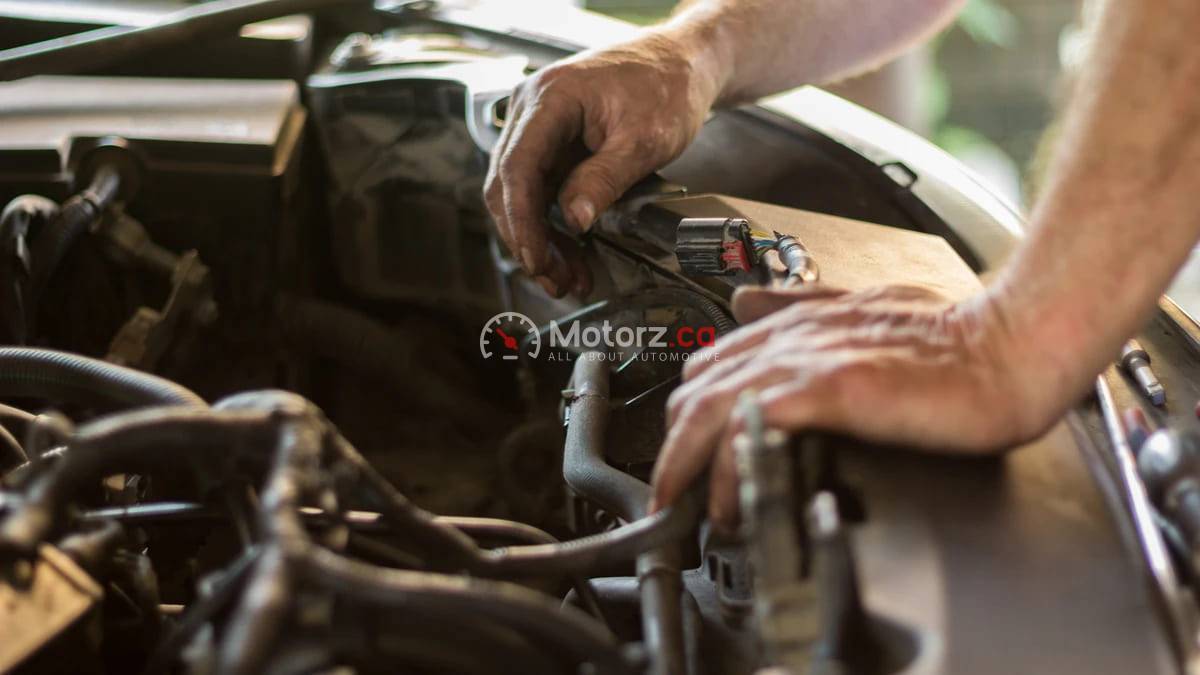

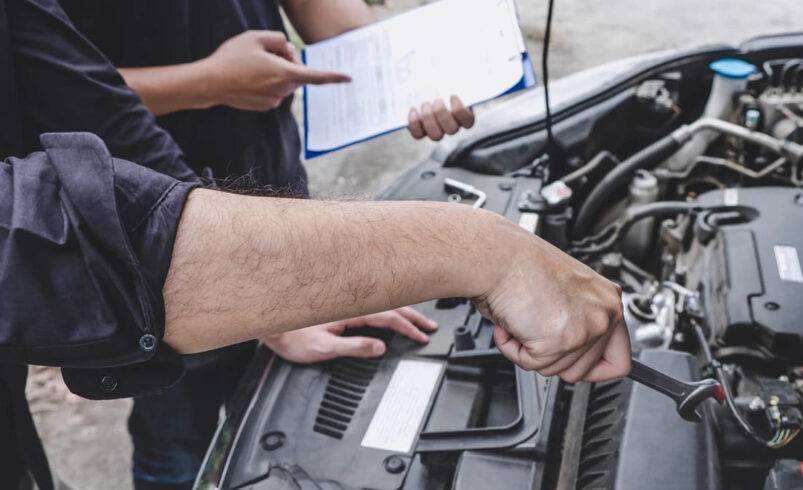

It is a scene played out in Auto Service centers every day. You drop your car off for a diagnostic check or a minor component replacement. You barely have time to finish your complimentary coffee and scroll through your phone before the service advisor walks out.
“All set,” they say, handing you an invoice that looks more like a mortgage payment than a bill for fifteen minutes of work.
Naturally, the thought hits you: Why am I paying so much for so little time? It feels like a “fast-work tax,” and it is the leading cause of friction between car owners and repair shops. In this deep dive, we are going to peel back the garage door and look at the “hidden” costs of auto repair, the reality of flat-rate pricing, and why a quick fix is often the result of years of expensive preparation.
Understanding the Auto Service Pricing Model
To understand the bill, you first have to understand how the industry calculates labor. Most professional shops do not use a stopwatch to bill you; they use a Flat Rate Manual.
What is Flat Rate?
Every specific job on your car—from replacing an alternator to swapping a cabin air filter—has a predetermined “book time” assigned by the manufacturer or third-party data providers.
For example, if the book says a water pump takes three Auto Service, the shop charges you for three hours of labor.
If the mechanic is a master and finishes in 90 minutes, you still pay for three hours.
If the bolt snaps and the job takes six hours, you (usually) still only pay for the three hours quoted.
Why the Industry Uses This System
This system provides consistency. Without it, you would pay a different price every time based on how much sleep the mechanic got or how fast they move. It rewards efficiency and skill, rather than penalizing a technician for being good at their job.
The “Invisible” Costs: What You Are Really Paying For
When you look at a labor rate of 150 or 200 units per hour, you aren’t just paying for the person holding the wrench. You are paying for a massive infrastructure designed to keep your vehicle safe.
Specialized Diagnostic Software
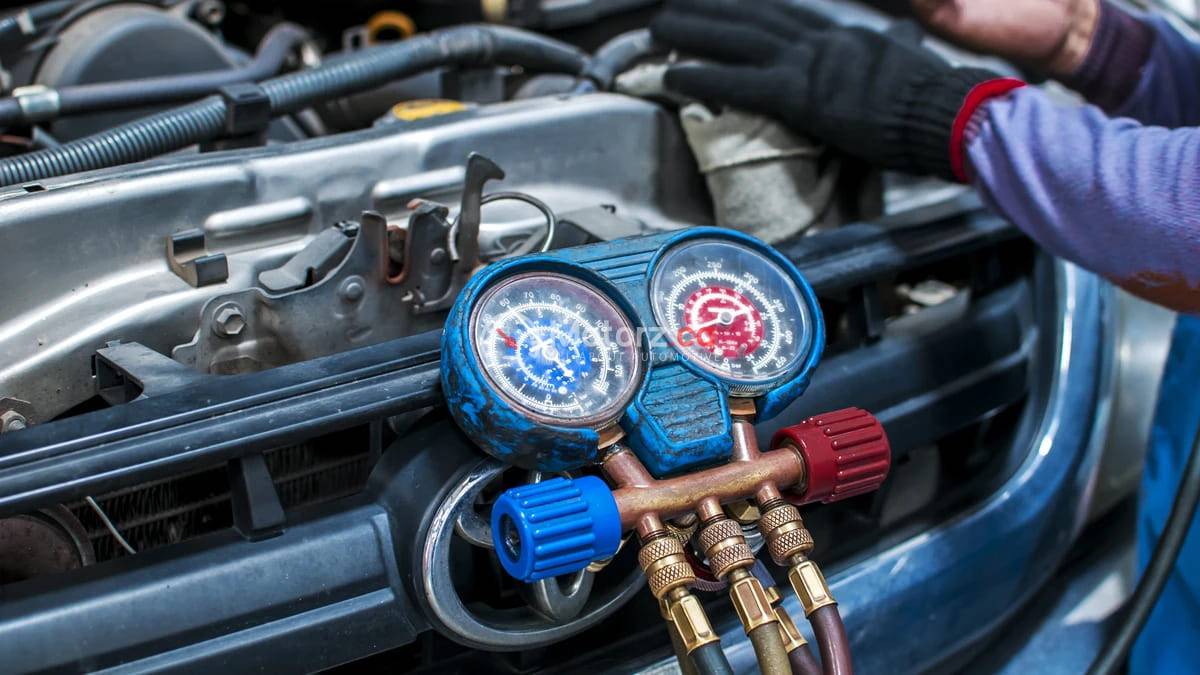
Modern cars are essentially rolling computers. To find a “simple” sensor fault, a shop must invest in high-end scanners. These tools often require annual subscriptions that cost thousands of units per year per brand. When a technician plugs in a tablet and finds your problem in five minutes, you are paying for the access to that 10,000-unit piece of technology.
Ongoing Training and Certification
Vehicle technology changes faster than a smartphone’s operating system. A technician who was an expert in 2020 may be completely lost on a 2026 hybrid or electric vehicle (EV) without constant schooling. Shops invest heavily in sending their staff to seminars and certification programs so they can fix your car quickly without breaking something else.
High-End Tools and Equipment
A standard floor jack and a socket set from a hardware store won’t cut it in a professional environment. Alignments require 50,000-unit laser racks. Tire changes require 10,000-unit mounting machines that won’t scratch expensive alloy rims. A portion of every invoice goes toward maintaining and upgrading this heavy machinery.
The “Expertise” Paradox: Paying for the Years, Not the Minutes
There is a famous story about a giant engine that failed. A retired engineer was called in. He looked at the machine, took a small hammer, and tapped a specific valve once. The engine roared back to life. He sent a bill for 1,000 units.
When asked why the bill was so high for one tap, he replied: “One unit for the tap; 999 units for knowing where to tap.”
Experience Prevents Collateral Damage
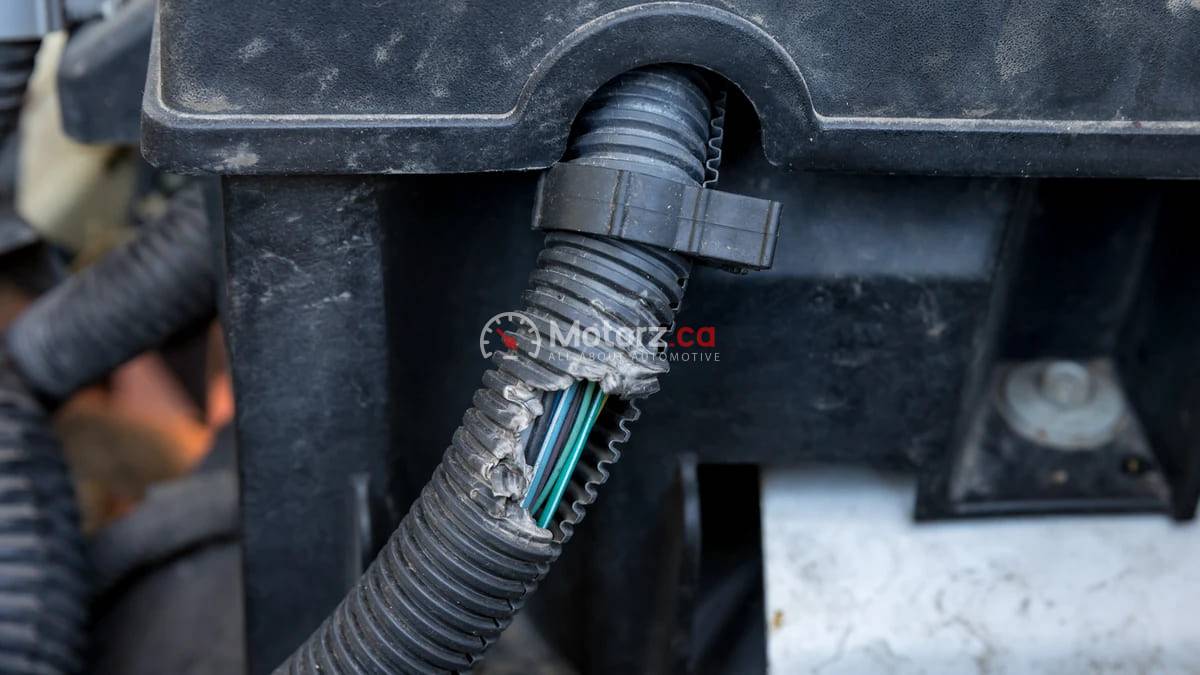
An apprentice might take four hours to change a part and accidentally break a plastic clip or a wiring harness along the way. A master technician knows exactly which angle to use to pop that part out in ten minutes without damaging anything. You are paying for the peace of mind that the job was done correctly the first time.
Quick Turnaround is a Luxury
In any other industry, “express” service costs more. In the automotive world, getting your car back the same day is a massive benefit. If a shop can diagnose and repair your car in under an hour, they are saving you the cost of a rental car, Uber rides, or the general headache of being without transportation.
Diagnostic Fees: Why Just “Finding the Problem” Isn’t Free
One of the biggest complaints is the “Diagnostic Fee.” Customers often feel that if they decide not to do the repair, they shouldn’t have to pay just for the shop to “look at it.”
Testing vs. Guessing
A professional diagnostic isn’t just a guess. It involves:
Connecting digital interfaces to read fault codes.
Performing “pin-out” tests with a multimeter to check electrical continuity.
Using a smoke machine to find vacuum leaks.
Road testing the vehicle under specific loads.
If a shop gave this time away for free, they would be out of business in a month. The diagnostic fee ensures that the person working on your car is compensated for their mental labor and the use of the shop’s equipment.
How to Save Money Without Sacrificing Quality
While the rates may be high, there are ways to ensure you aren’t overpaying.
Bundle Your Repairs: If your car is already on the lift for a brake job, the labor to rotate your tires or change your oil should be significantly lower than if you did them on separate visits.
Ask for the Old Parts: If you are skeptical about a “quick” repair, ask the shop to put the old, failed part in a box for you to see. A reputable shop will have no problem showing you the wear or damage.
Maintenance is Cheaper than Repair: A 100-unit fluid flush that takes 20 minutes might seem expensive, but it is much cheaper than a 4,000-unit transmission replacement that takes two days.