
We have all been there. You are scrolling through a marketplace or walking through a showroom, and you see it: a deal that looks too good to be true. Whether it is a used car with a suspiciously low odometer reading, a set of budget tires that cost half the price of the name brands, or a “bargain” oil change at a shop you have never heard of, the allure of saving money is powerful.
In the world of automotive ownership, the Chasing the Lowest Price “you get what you pay for” is more than just a cliché—it is a financial reality. Chasing a cheap deal might save you a few units of currency today, but it often triggers a domino effect of secondary costs, safety risks, and diminished resale value that can haunt your bank account for years.
In this guide, we are pulling back the curtain on “bargain” automotive culture. We will explore the hidden risks of cheap parts, the truth about budget-tier maintenance, and how to identify a genuine value versus a high-risk gamble.
The Psychology of the Chasing the Lowest Price
Why do we fall for it? Humans are biologically wired to seek out deals. Getting a bargain releases dopamine in the brain, giving us a sense of “winning” against the market. However, in a complex machine like a modern vehicle, “winning” on price usually means losing on quality.
The Upfront Savings vs. Total Cost of Ownership
When you look at a cheap deal, you are only seeing the acquisition cost. To truly understand if you are saving money, you must calculate the Total Cost of Ownership (TCO).
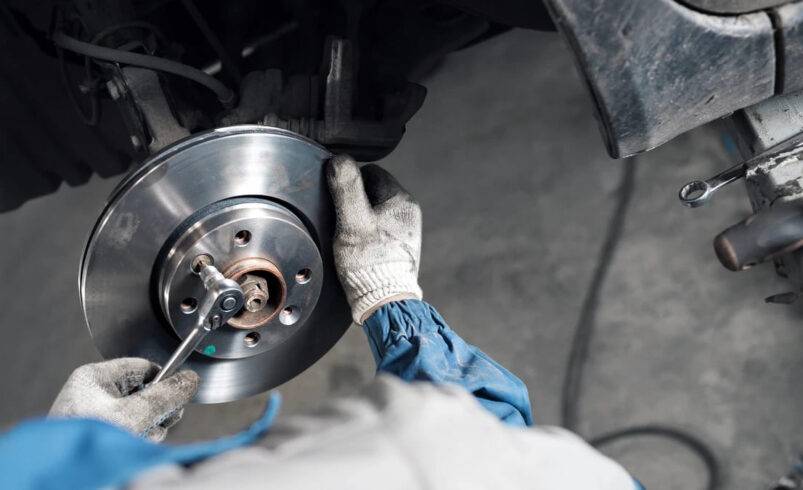
Acquisition Cost: 100 units for a budget brake pad.
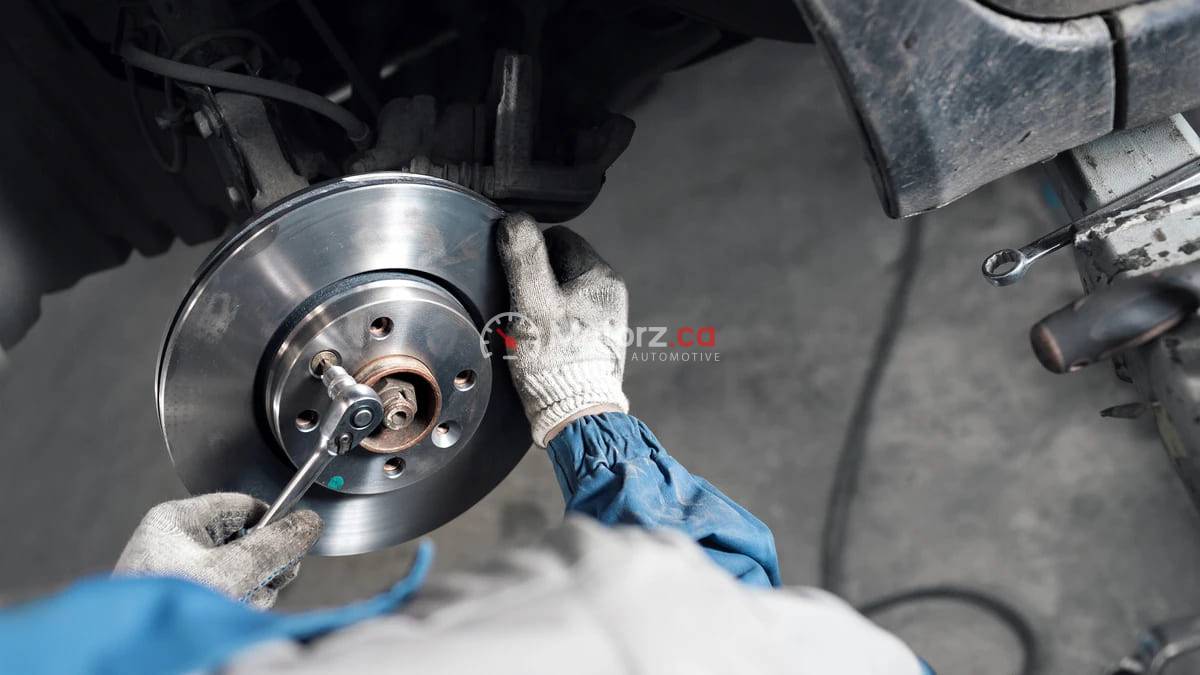
Secondary Cost: Replacing those pads twice as often, plus the cost of resurfacing rotors damaged by inferior friction material.
The Result: That 100-unit deal actually costs 400 units over the same period a 200-unit premium part would have lasted.
Budget Tires: The Danger of “Black and Round” Thinking
Tires are the most common area where drivers try to cut corners. After all, if they are black, round, and hold air, they are fine, right? Not exactly.
Stopping Distance and Safety
Premium tires are engineered with high-silica compounds and intricate tread patterns that maintain grip in rain and snow. Budget tires often use harder, cheaper rubber that lasts a long time but offers poor traction.
Example: In an emergency braking test at 100 kilometers per hour, a premium tire might stop the car in 36 meters. A bottom-tier budget tire might take 45 meters. Those extra 9 meters are the difference between a close call and a catastrophic collision.
The “Cheap” Cost: A single fender bender caused by poor braking will cost thousands in insurance deductibles and premiums—far more than the 200 units you saved on the tires.
Fuel Economy and Rolling Resistance
Modern high-end tires are designed with low rolling resistance to help your engine work less. Cheap tires often have high rolling resistance, which can drop your fuel economy by 3 to 5 percent. Over the life of the tire, you could spend an extra 300 units on fuel just to save 100 units at the tire shop.
The Trap of the “Cheap” Used Car
Buying a used vehicle is a great way to avoid depreciation, but the lowest-priced car on the lot is often the most expensive one to own.
The “Deferred Maintenance” Debt
When a car is priced significantly below market value, it usually means the previous owner stopped investing in it. You aren’t just buying a car; you are buying a “debt” of deferred maintenance.
Hidden Costs: Timing belts that are overdue for replacement, transmission fluid that has never been changed, and suspension bushings that are shot.
The Reality: A 5,000-unit car that needs 3,000 units in immediate repairs is a worse deal than an 8,000-unit car with a full service history.
Resale Value and Brand Reputation
Cheap, off-brand, or poorly maintained vehicles depreciate much faster. When it comes time to trade the vehicle in, a car with a documented history of high-quality service will always command a premium. If you saved 1,000 units on the purchase but lose 2,000 units on the resale, you haven’t saved a cent.
Generic Parts vs. OEM: Why Fitment Matters
When a mechanic asks if you want “Original Equipment Manufacturer (OEM)” or “Aftermarket” parts, the price gap can be tempting. While some aftermarket parts are excellent, “white-label” or generic parts are a gamble.
Sensors and Electronics
Modern cars are rolling computers. Generic oxygen sensors or mass airflow sensors often have slightly different voltage tolerances than the original parts.
The Result: The part “fits,” but it causes the engine to run slightly rich or lean, leading to poor performance and an eventual “Check Engine” light. You end up paying for the labor twice to install the correct part the second time.
Body Panels and Safety
Cheap aftermarket body panels (often used by low-budget collision shops) are frequently made of thinner steel or lower-grade plastic. In a secondary accident, these parts may not crumble or fold as the engineers intended, potentially compromising the safety of the cabin.
How to Spot a “Bad” Deal Before You Buy
Saving money is great, but only when it is a value deal, not a cheap deal. Here is how to tell the difference:
Check the Warranty: A quality part or service usually comes with a 12-month or 20,000-kilometer warranty. If a deal has a “tailgate warranty” (it ends as soon as you drive away), skip it.
Verify the Source: If you are buying parts online, ensure the seller is an authorized distributor. Counterfeit spark plugs and oil filters are a massive problem in the industry today and can destroy an engine in minutes.
Read the Labor Guide: If a shop quotes you a price for a repair that is half of what every other shop says, ask about their labor hours. They might be skipping essential steps, like cleaning mating surfaces or replacing one-time-use bolts.