



We have all been there. You’re standing in your driveway, grease up to your elbows, a “spare” bolt in your left hand, and a sinking feeling in your chest. You look at the Car Repair Blunders, then at the part, and think, “You did what?!” Welcome to the world of the “Corner Wrench”—that place where DIY ambition meets the cold, hard reality of automotive engineering. While maintaining your own vehicle is a fantastic way to save money and connect with your machine, it is also a minefield of potential disasters. From using the wrong fluids to “over-engineering” a simple fix with duct tape and zip ties, the mistakes made in home garages can be both hilarious and incredibly expensive.
In this deep dive, we are going to look at some of the most common, cringeworthy car repair blunders, why they happen, and how you can ensure you never have to utter those three dreaded words to yourself.
The Car Repair Blunders Factor: Why Home Repairs Go Wrong
Most automotive disasters don’t start with a lack of effort; they start with a lack of information. Modern cars are rolling computers, and the days of fixing everything with a flathead screwdriver and a hammer are long gone.
The Problem with “Universal” Parts
One of the biggest pitfalls for a DIYer is the temptation of the “universal” part. Whether it is a “one-size-fits-all” radiator cap or a generic oxygen sensor, modern vehicles are designed with incredibly tight tolerances. Using a part that is “close enough” often leads to check engine lights, poor fuel economy, or even physical damage to the engine.
Relying Solely on “Tube University”
YouTube is an incredible resource, but it lacks context. A video showing a brake job on a 2015 sedan in sunny California does not account for the rusted-solid bolts of a 2020 SUV in the Canadian Rust Belt. Following a video without checking your specific vehicle’s service manual is how many “You did what?!” moments begin.
Top 5 “You Did What?!” Hall of Fame Blunders
Through years of looking at cars that have been “fixed” at home, certain mistakes stand out as the most common—and the most preventable.
The Fluid Mix-Up (The Cocktail of Death)
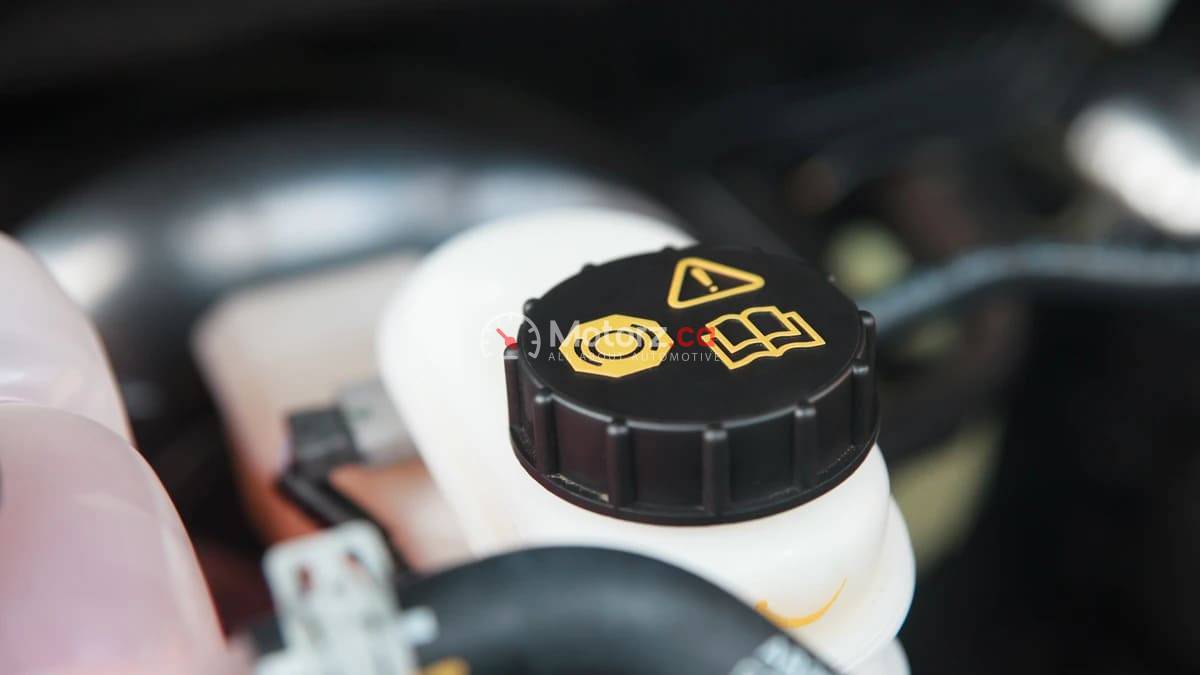
Imagine someone pouring windshield washer fluid into the brake master cylinder because the caps looked similar. It happens more often than you think.
The Danger: Brake fluid is a hydraulic oil; washer fluid is mostly water and alcohol. Mixing them can cause your brake seals to swell and fail, leading to a total loss of braking power.
The Lesson: Always read the labels on the caps. If you can’t read them because they are covered in grime, clean them before opening.
The “Cross-Thread” Miracle
There is an old saying in the mechanic world: “Cross-threading is better than Loctite.” This is a joke, and a dangerous one.
The Danger: If you feel resistance while starting a bolt or a spark plug by hand, stop. Forcing it with a wrench will strip the threads. If you strip the threads on a spark plug hole in an aluminum cylinder head, you are looking at a repair bill in the thousands.
The Lesson: Always start every bolt by hand. You should be able to turn it several times before needing a tool.
Using the Wrong Jack Points
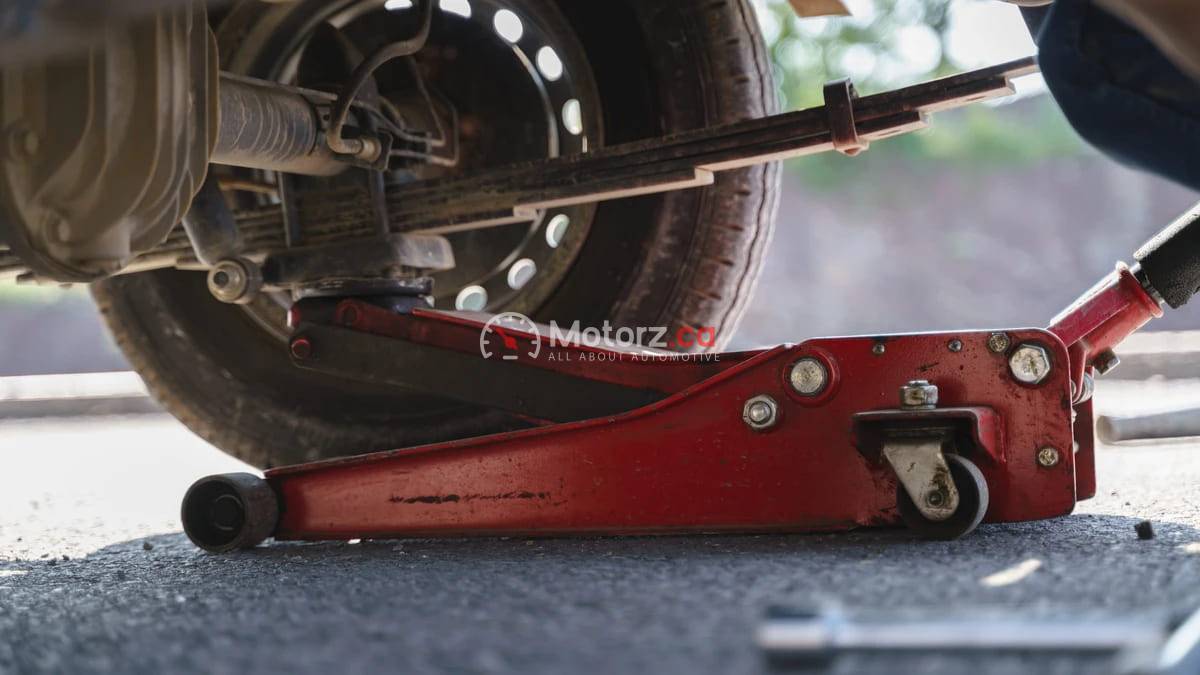
We’ve seen cars with “smushed” floorboards or crumpled oil pans because the owner used a floor jack in the wrong spot.
The Danger: Putting a jack under a plastic component or a thin piece of sheet metal can cause the car to shift or fall. This isn’t just a “You did what?!” moment; it’s a life-threatening safety hazard.
The Lesson: Consult your owner’s manual for the specific “pinch welds” or frame points designed to support the weight of the vehicle.
Ignoring the “One-Time Use” Fastener
Many modern bolts (especially for suspension and engine internals) are “Torque-to-Yield” bolts. They are designed to stretch once and then be thrown away.
The Danger: Reusing these bolts means they are now brittle. They can snap while you are driving down the highway, causing a wheel to fall off or an engine to fail.
The Lesson: If the manual says “replace bolt,” replace the bolt. It is a 5-unit-of-currency part that saves a 5,000-unit-of-currency car.
The Electrical “Bird’s Nest”
Tapping into a wire for a new stereo or dashcam by just twisting wires together and covering them with masking tape is a classic blunder.
The Danger: Loose connections create heat. Heat creates fire. Modern car electrical systems are also sensitive to voltage drops; a poor connection can “confuse” the computer, leading to phantom warning lights.
The Lesson: Use proper heat-shrink connectors and a dedicated fuse tap.
How to Prevent Your Own “Corner Wrench” Disaster
You don’t need to be a Master Technician to work on your car, but you do need a system.
The “Phone Photo” Method
Before you take anything apart—even a simple air filter housing—take three photos from different angles. This gives you a visual map of where every wire, clip, and hose belongs. It’s the easiest way to avoid having “extra parts” left over at the end.
Use an Egg Carton for Bolts
If you are doing a job with multiple steps (like a water pump or a valve cover), use an empty egg carton to hold your bolts. Label each slot “Step 1,” “Step 2,” etc. This ensures you put the long bolts back in the long holes and the short bolts in the short ones.
Know the “Sweet Spot” of Tightness
Most beginners overtighten everything. This leads to broken bolts. Invest in a basic torque wrench. Following the manufacturer’s specification (measured in foot-pounds or Newton-meters) takes the guesswork out of the job and ensures the part stays on without snapping.
When to Stop and Call the Pros
Part of being a great “Corner Wrench” is knowing when a job is beyond your current toolset or skill level.
The “Three-Hour” Rule: If a job that should take one hour has taken three, and you aren’t making progress, stop. You are likely tired and frustrated, which is when the most expensive mistakes happen.
Specialty Tools: If a job requires a tool you don’t own and can’t rent (like a specialized puller or a high-end scan tool), don’t try to “hack” it with a screwdriver. You will almost certainly damage the surrounding parts.
Safety Systems: If the job involves the ABS, the airbags, or the high-voltage system of a hybrid, leave it to the professionals. There is no “DIY” for safety-critical explosives or 400-volt batteries.