
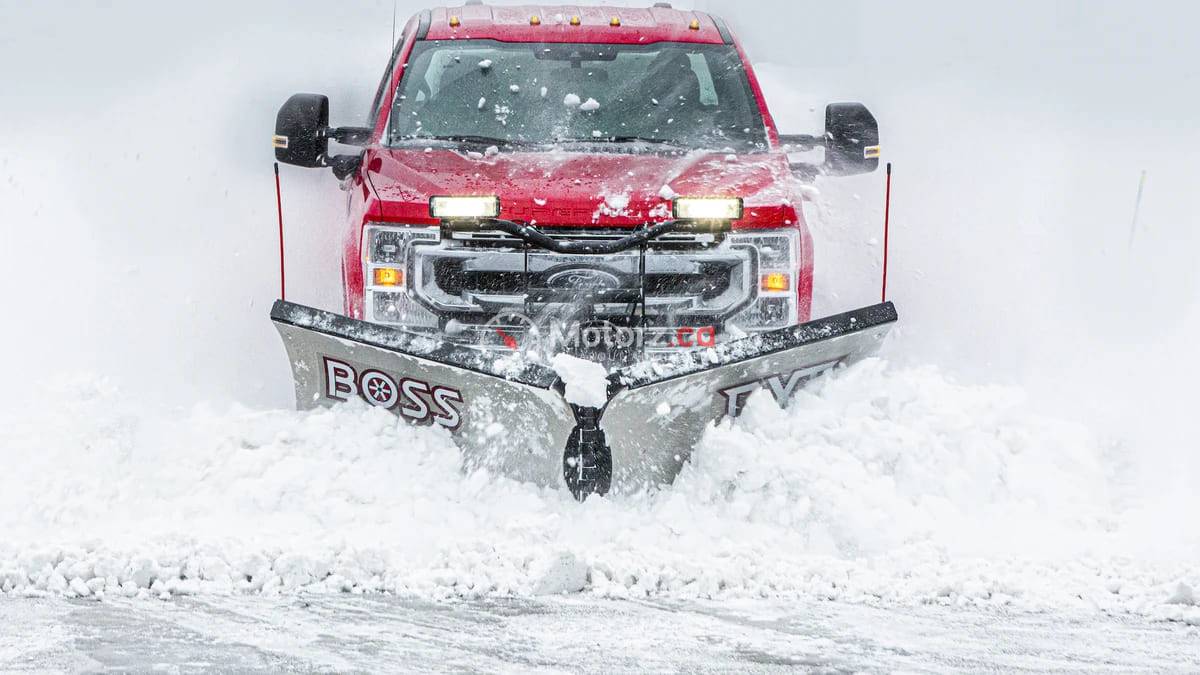


The first Plow This Winter of the season often brings a sense of excitement for those in the snow removal business. For many truck owners in northern climates, winter isn’t just a season of cold—it is a season of opportunity. Whether you are a professional contractor managing a fleet of snowplows or a homeowner looking to clear your own long driveway, the mechanical demands placed on a vehicle during plowing are immense.
In this edition of Your Corner Wrench, we are looking under the hood and behind the bumper. Plowing is one of the most taxing activities you can put a truck through. It pushes the transmission, the cooling system, and the front suspension to their absolute limits. If you wait until the first blizzard hits to check your equipment, you are already too late.
From fluid choices to structural reinforcements, here is your comprehensive guide to ensuring your vehicle is ready to plow ahead this winter without breaking down when the drifts are at their highest.
The Plow This Winter: Why Plowing is Different
When you hang a thousand-pound blade off the front of a pickup truck, you are fundamentally changing its engineering. A truck designed to haul a load in the bed is now carrying a massive, cantilevered weight in front of the radiator.
Transmission Heat: The Silent Killer
The most common failure point for plowing vehicles is the transmission. Plowing involves constant shifting between “Drive” and “Reverse,” often while the tires are spinning and searching for traction. This creates friction, which creates heat.
The Solution: Ensure your transmission fluid is fresh and bright red. If it smells burnt, change it immediately. If your truck didn’t come with a “Snow Plow Prep Package,” consider installing an auxiliary transmission cooler to keep temperatures stable during heavy sessions.
Cooling System Obstructions
It seems counterintuitive that a truck would overheat in sub-zero temperatures, but it happens frequently. A large plow blade acts as a giant air deflector, often blocking the direct flow of cold air into your radiator.
Pro Tip: Keep an eye on your temperature gauge while driving between jobs at highway speeds. If the needle starts to climb, angle the plow blade to the side to help funnel air toward the grille.
Suspension and Front-End Reinforcement
Your front wheels are the “boots on the ground,” and they bear the brunt of the plow’s weight plus the force of the snow being pushed.
Torsion Bars and Springs
If your truck “nosedives” the moment you lift the plow, your front suspension is overmatched.
Timbren or Airbags: Many professional plowers install “Timbren” load boosters or front air springs. These act as secondary bump stops that prevent the suspension from bottoming out, protecting your expensive shocks and ball joints.
Torsion Key Adjustments: On some trucks, you can “crank” the torsion keys to provide a bit more lift and stiffness, but be careful—over-cranking can lead to a harsh ride and accelerated wear on your CV axles.
Steering Linkage Inspection
Before the first frost, get under the truck and check your tie-rod ends, pitman arms, and idler arms. The lateral force of pushing heavy, wet snow can snap a weakened steering component, leaving you stranded in the middle of a street or parking lot.
Electrical Demands: Powering the Blade
Modern snowplows are almost exclusively electro-hydraulic. Every time you lift or angle the blade, you are pulling a massive amount of amperage from your vehicle’s electrical system.
Battery and Alternator Health
If your battery is more than three years old, replace it now. Cold weather already saps battery capacity; adding the draw of a hydraulic pump can drop the voltage low enough to cause the engine to stumble or stall.
Dual Battery Setup: Many heavy-duty plowing rigs utilize a dual-battery system. This ensures that even if the plow draws a heavy load, there is enough reserve power to keep the vehicle’s computer and ignition system running perfectly.
Lighting and Visibility
When the plow is raised, it often blocks your factory headlights. Ensure your plow lights are properly aimed—not too high to blind oncoming traffic, and not too low to limit your own vision. Check all electrical connectors for corrosion and apply a generous coating of dielectric grease to keep moisture out.
The Plow Itself: Pre-Season Maintenance
Your truck might be ready, but is the blade? A plow is a precision tool that requires its own dedicated service.
Hydraulic Fluid Flush
Hydraulic fluid absorbs moisture over time. In extreme cold, that moisture can freeze, creating ice crystals that clog the valves and leave your plow stuck in one position.
The Fix: Drain the old fluid and refill with a high-quality “low-temp” hydraulic oil. This ensures the blade moves quickly and smoothly even when the temperature drops to thirty below.
Cutting Edge and Trip Springs
Inspect the cutting edge (the metal bar at the bottom of the blade). If it is worn down to the base of the plow, you will cause permanent structural damage to the moldboard.
Trip Springs: Ensure your trip springs are tight. These allow the blade to “fold” if you hit a hidden curb or a frozen manhole cover. If they are rusted or loose, the impact will be transferred directly to your truck’s frame.
Ballast: Finding the Right Balance
A common mistake new plowers make is forgetting about the back of the truck. With a heavy plow on the front, the rear wheels lose traction easily.
The Importance of Counterweight
You need weight over the rear axle to provide traction and to act as a “teeter-totter” counterweight for the plow.
Safe Ballast: Use sandbags or dedicated “ballast blocks.” Never use loose bricks or heavy metal scrap that could become a projectile in a collision.
Weight Calculation: A general rule of thumb is to add between 300 and 700 pounds of ballast, depending on the size of your plow and the wheelbase of your truck.
Preparation is the Best Defense
Plowing snow is a rewarding way to spend a winter, but it is “combat” for your vehicle. By taking the time now to flush your fluids, beef up your suspension, and inspect your electrical connections, you ensure that your truck remains a reliable tool rather than a costly repair bill.
Winter doesn’t wait for you to be ready. Take care of your “Corner Wrench” duties today so you can plow ahead with confidence when the white stuff starts to fly.