
Vehicles Earn IIHS Safety Awards been more high-tech—or more demanding. As we close out 2025, the Insurance Institute for Highway Safety (IIHS) has released its final round of crash-test results, and the bar has been raised yet again.
In this latest update, 16 additional vehicles from the 2025 and 2026 model years have secured the industry’s most coveted safety accolades. From the headline-grabbing Tesla Cybertruck to the family-favorite Honda Passport, these vehicles have survived a gauntlet of “updated” tests designed to protect not just the driver, but the passengers in the back seat and pedestrians on the sidewalk.
If you are in the market for a new car, these ratings are the gold standard for crashworthiness. We’ve broken down the winners, the losers, and the specific reasons why these 16 models are now considered among the safest on the road.
The New “Safety Standards”: What It Takes to Win in 2026
The IIHS doesn’t give away awards easily. In recent years, they have significantly toughened the requirements for their Top Safety Pick (TSP) and Top Safety Pick+ (TSP+) designations.
The Moderate Overlap Front Test 2.0
The biggest hurdle for many vehicles today is the updated moderate overlap front test. In the past, this test focused solely on the driver. Now, a second dummy is placed in the rear seat behind the driver. To earn the “Plus” (+) award, a vehicle must achieve a Good rating, ensuring that rear-seat passengers (often children) are protected from head, neck, and chest injuries during a head-on collision.
Pedestrian Crash Prevention
Safety isn’t just about the people inside the car. To qualify for either award, a vehicle must have an Advanced or Good rating in pedestrian front crash prevention. This evaluates how well the car’s automatic emergency braking (AEB) works in both daytime and nighttime conditions.
The Elite 13: Vehicles Earn IIHS Safety Awards+ Winners
The following 13 models earned the highest possible honor. These vehicles didn’t just pass the tests; they excelled in the most grueling rear-passenger protection evaluations.
Luxury Standouts: Audi and Lexus
Audi dominated this round of testing, proving that electrification and luxury can go hand-in-hand with safety.
2025 Audi A6 Sportback e-tron: A masterclass in EV safety engineering.
2025 Audi Q5 & Q5 Sportback: Note that these ratings apply to models built after July 2025, following specific structural improvements.
2026 Lexus NX: This midsize luxury SUV continues its streak of top-tier safety ratings.
The Rugged Winners: Honda, Subaru, and Kia
For those who need utility without sacrificing peace of mind, these SUVs hit the mark:
2026 Honda Passport: The redesigned “Born Wild” Passport proved it’s as safe as it is rugged.
2026 Subaru Forester: A perennial safety champion, the new Forester maintained its perfect record.
2026 Kia Sorento: Specifically for models built after September 2025, the Sorento has been updated to better protect occupants in side impacts.
The Electric Pioneers: Tesla and Volvo
The most talked-about winner in this group is undoubtedly the Tesla Cybertruck. Despite its unconventional stainless-steel design, it secured a Top Safety Pick+ for models built after April 2025. It joined the Volvo EX90, an all-electric three-row SUV that further cements Volvo’s reputation as a safety-first brand.
The Top Safety Pick Winners (The Penultimate Tier)
Three models earned the Top Safety Pick award. While they are still incredibly safe, they typically received an Acceptable rather than a Good rating in the updated moderate overlap front test.
2025 Acura ADX: A strong debut for Acura’s newest small SUV.
2026 Hyundai Palisade: The redesigned flagship SUV showed massive improvements over its predecessor.
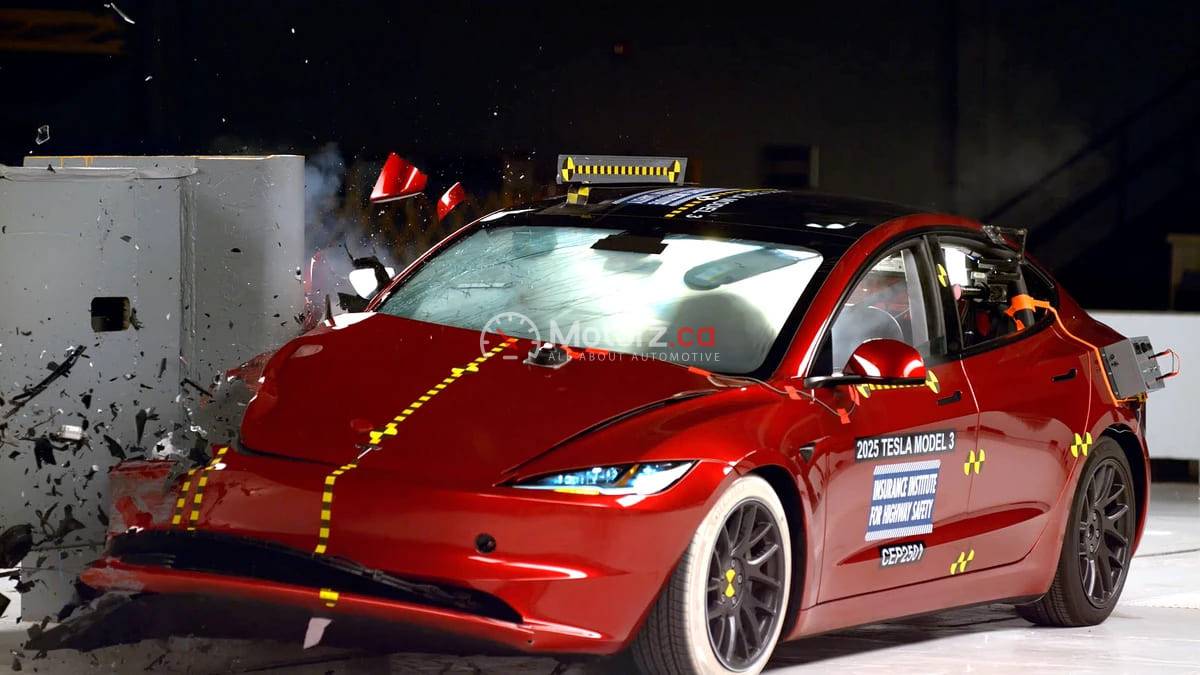
2025 Tesla Model 3: After new testing of its small front overlap protection, the Model 3 officially joined the award list.
The “Surprises”: Which Vehicles Missed the Cut?
Not every vehicle tested in December 2025 walked away with a trophy. Some high-profile models failed to qualify for either award due to specific safety gaps.
2026 Mercedes-Benz E-Class: While it’s a luxury icon, it missed out on an award due to subpar performance in rear-passenger seat belt evaluations.
2026 Jeep Gladiator: Subpar headlight performance and pedestrian crash avoidance prevented this pickup from qualifying.
2025–2026 Ram 1500: Poor ratings in the updated moderate overlap test kept this popular truck off the list.
2025–2026 Volkswagen Tiguan: Like the Ram, the Tiguan struggled with the newer, more stringent rear-seat protection requirements.
Safety Tips for New Car Buyers in 2026
When looking at these awards, it is important to look at the “fine print” to ensure the car sitting on the dealer lot actually has the safety features you expect.
Check the Build Date
As seen with the Kia Sorento and Audi Q5, manufacturers often make “mid-year” production changes to improve crash scores. Always check the sticker on the driver-side door jamb to see when the vehicle was manufactured. If you want the TSP+ rating, make sure your car was built after the date specified by the IIHS.
Don’t Ignore Headlights
A car can have the strongest steel in the world, but if you can’t see a deer in the road at night, you’re at risk. The IIHS now requires Acceptable or Good headlights to be standard across all trims. If you’re looking at a used 2024 or older model, the headlights might only be good on the expensive trims.
Rear Seat Technology Matters
If you regularly drive with children or elderly passengers in the back, prioritize vehicles that earned the “Plus” award. These cars are equipped with advanced seat belt pretensioners and load limiters in the second row that reduce the “submarine” effect (sliding under the belt) during a crash.
The Future of Vehicle Safety
The fact that 16 more vehicles joined the list at the very end of 2025 proves that automakers are listening. The transition from “safety as an option” to “safety as a standard” is nearly complete. Whether you choose a rugged Subaru or a high-tech Tesla, the engineering today is light-years ahead of where it was even five years ago.
Buying a car is a major investment, but buying a safe car is an investment in your family’s future. Keep these IIHS ratings in hand when you visit the dealership.