


Driving in Ottawa, Canada’s capital, is a unique experience. We enjoy picturesque drives along the Ottawa River, navigate the busy Queensway (Highway 417), and, of course, endure the legendary Canadian winter. Whether you’re commuting from Kanata, heading to the ByWard Market, or driving into the Outaouais region, unexpected roadside issues can arise at any time. However, the sheer unpredictability of an Ottawa winter—from sudden flash freezes to heavy snowstorms—turns mere inconvenience into a potential emergency.
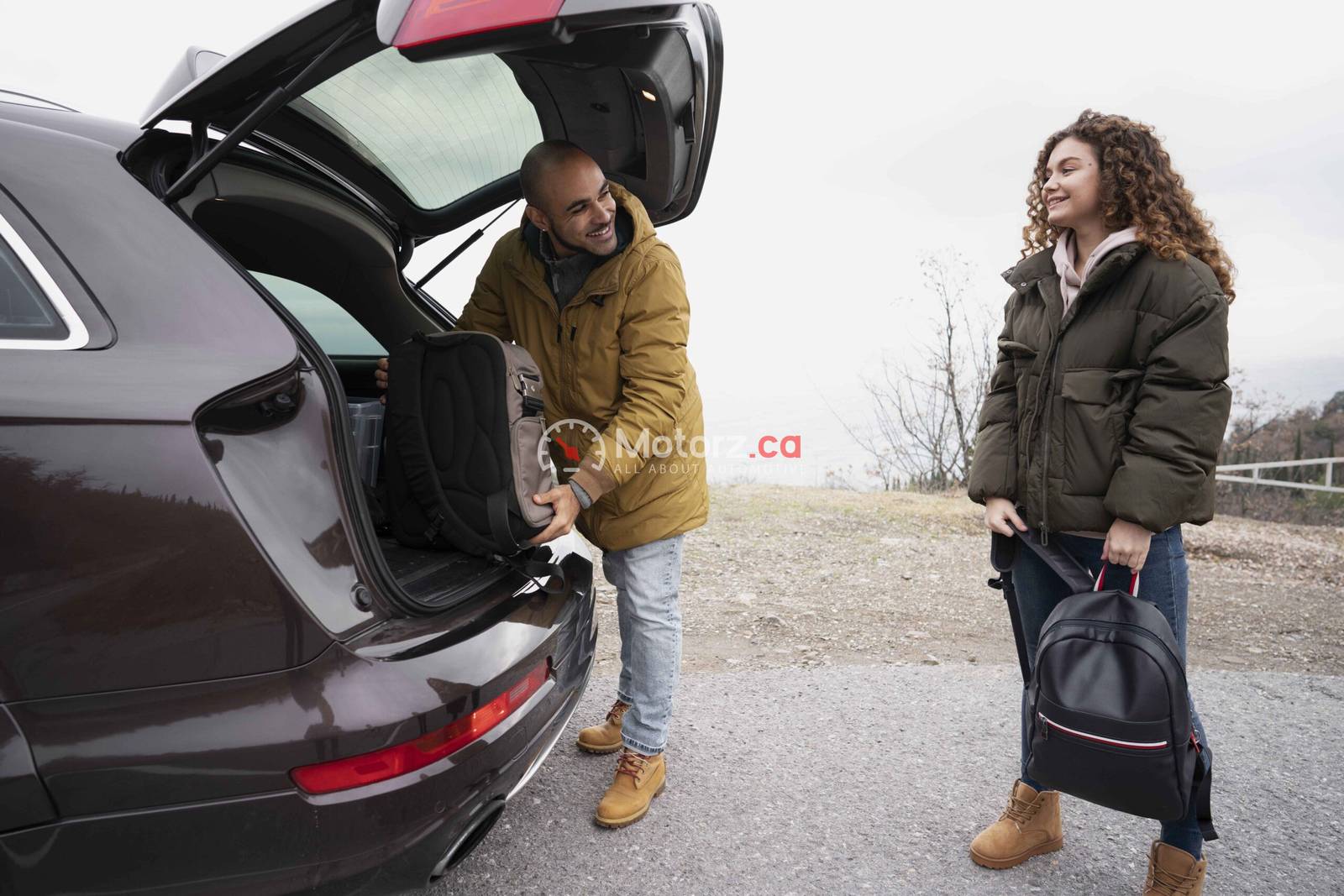
Being a prepared Ottawa Motorist isn’t about paranoia; it’s about common-sense responsibility. Your vehicle’s trunk shouldn’t just be for groceries or hockey gear; it should house a meticulously organized car emergency kit. This kit is your portable security blanket, designed to keep you safe, warm, and visible until help arrives.
We’ve curated a list of the 7 essential items that should never leave your trunk. These aren’t just suggestions; they are necessities for surviving a breakdown in a city where temperatures can plunge well below freezing. Get ready to transform your trunk into a Ottawa Motorist hub for safe Ottawa winter driving.
The Winter Survival & Comfort Kit
In Ottawa, a roadside stop in January can quickly become a life-threatening situation without adequate warmth. A full-scale winter survival kit is non-negotiable for Canadian Ottawa Motorist car preparedness. The goal is to maintain core body temperature and stay comfortable while waiting for CAA or roadside assistance.
Sub-Components of the Survival Kit
Warmth Essentials:
High-Quality Blankets: Forget the thin throw you keep on your couch. Pack at least two thick, warm blankets, preferably made of wool or a space-saving thermal Mylar emergency blanket. In extreme cold, maintaining heat is critical.
Extra Clothing & Footwear: Even if you drove to Ottawa Motorist in your dress shoes, you need a pair of sturdy, waterproof winter boots, a spare toque (winter hat), mittens (warmer than gloves), and a heavy-duty winter jacket. Being able to step outside your vehicle safely is a must.
Hand and Foot Warmers: Disposable, chemical hand and foot warmer packets provide targeted, long-lasting heat, a small luxury that can make a Ottawa Motorist difference in sub-zero temperatures.
Food and Hydration:
Non-Perishable Snacks: Keep a rotation of high-energy, non-perishable food items like granola bars, protein bars, dried fruit, and nuts. This is for sustaining energy over a prolonged wait.
Bottled Water: While liquid can freeze in the trunk, a stash of bottled water is vital. You can store a water bottle in the passenger area or bring an Ottawa Motorist thermos with a hot beverage for a trip. In a pinch, you can melt snow for water, but it requires fuel and a heat source, which you may not have.
Light and Visibility:
Bright Flashlight: A reliable, powerful LED flashlight is essential for visibility, inspecting under the hood, and signaling for help. Opt for a crank-powered or rechargeable unit, but always pack extra batteries just in case.
Road Flares or LED Warning Lights: Traditional Ottawa Motorist burn brightly but have a shelf life. Modern LED magnetic flashing emergency discs offer a reusable, safer alternative to warn oncoming Ottawa traffic of your disabled vehicle, especially on dark sections of the 417 or rural roads. A reflective safety vest is also highly recommended if you must exit the vehicle.
By investing in these items, you are actively preparing for the harsh realities of Ottawa winter conditions and maximizing your safety.
Traction and Extraction Tools
Getting stuck in the snow or ice is a rite of passage for every Ottawa driver. A standard snow brush simply won’t cut it when your wheels are buried Ottawa Motorist. You need tools designed to improve traction and facilitate self-extraction from snowbanks or icy patches.
Beating the Ice and Snow
Compact Shovel: A sturdy, collapsible, or folding shovel is paramount. A regular garden shovel takes up too much space. The compact version allows you to strategically dig out snow from around your tires and exhaust pipe. Remember: Always keep your exhaust clear to prevent deadly carbon monoxide build-up if idling for heat.
Traction Aids: The best traction solution for an icy road is not always a tow truck.
Non-Clumping Kitty Litter or Sand: A small bag of Ottawa Motorist placed directly under the spinning tires provides immediate grip. This is a crucial, low-cost item for any Canadian motorist. Avoid road salt, as it can cause rust.
Traction Mats/Boards: These reusable plastic or rubber boards are placed in front of or behind the tires to give a solid surface for the tire to grip, offering an excellent mechanical advantage over loose snow.
Tow Rope or Chain: While you should never attempt a tow unless you know the proper, safe procedure, a strong, heavy-duty tow rope or chain (rated for your vehicle’s weight) can be a lifesaver if a knowledgeable passerby is willing to help pull your Ottawa Motorist free.
Having these traction tools can save you hours of waiting and the expense of a tow, making them true winter driving essentials.
Jump-Starting Power
The cold is a battery killer. In the brutal Ottawa winter, a battery’s power can be significantly reduced, leading to a dead vehicle on the coldest Ottawa Motorist. This is arguably the most common roadside emergency.
Beating the Dead Battery
Heavy-Duty Jumper Cables: You need a high-quality set of jumper cables with thick-gauge wire (the lower the number, the thicker and better the cable) and solid copper clamps. They should be long enough (at least 15-20 feet) to reach another vehicle even if you can’t pull up bumper-to-bumper. Knowing how to safely use them is just as important as having them.
Portable Jump Starter Pack: Even better than cables, a lithium-ion battery jump starter pack allows you to self-start your car without relying on another vehicle. These compact packs hold a charge for months and are the modern motorist’s best defense against a dead battery. It’s an investment in independence and efficiency. Ensure you keep it charged, Ottawa Motorist in your home during extreme cold, to maximize its effectiveness.
First Aid and Personal Supplies
An emergency kit is about more than just your car; it’s about you and your passengers. A well-stocked first aid kit should be a year-round fixture, and a selection of personal items will make a difficult wait more bearable.
Health and Hygiene Preparedness
Comprehensive First Aid Kit: This should go beyond simple band-aids. Include sterile gauze, adhesive tape, antiseptic wipes, pain relievers, Ottawa Motorist pads, and a pair of trauma shears/scissors. Check for a version that is Canadian Red Cross or St. John Ambulance approved.
Personal Medications & Contacts: If you or a family member requires regular medication, keep a small, emergency supply in your kit (remembering to check expiration dates). A laminated card with emergency contact names, numbers, and important medical information (allergies, conditions) can speak for you if you are unable to.
Hygiene & Sanitation: A roll of toilet paper, hand sanitizer, and garbage bags (for waste or insulation) are often forgotten but incredibly useful during a long Ottawa Motorist.
Visibility and Clear Sight
Clear visibility is crucial for safe driving, especially in the mix of snow, ice, and slush that blankets Ottawa roads. You need tools to maintain clear windows and lights.
Visibility Tools
5.1. Snow Brush and Ice Scraper: While obvious, a high-quality, long-handled brush/scraper combo is vital for clearing snow and ice from all parts of your vehicle—not just the windshield, but also the roof, lights, and hood (to prevent snow from flying off and hitting other vehicles).
Extra Windshield Washer Fluid: The special winter-grade minus-40 Celsius formula is essential. Driving through slush and salt spray can drain your reservoir quickly, making it impossible to see the road. A one-gallon jug in the trunk is a small price to pay for clear Ottawa Motorist.
Lock De-Icer: A small bottle of de-icer kept in your pocket or purse (not the glovebox or trunk!) can save you from being locked out of your vehicle if the keyhole freezes solid.
Communication and Navigation
In the age of GPS, it’s easy to forget that technology can fail. Batteries die, and cell signals fade, especially in more rural areas surrounding the city. A backup plan is critical.
Staying Connected and Found
6.1. Fully Charged Cell Phone and Charger: Keep a car charger (with a long cord) and a powerful portable power bank in your kit. Your phone is your primary link to 911 and roadside assistance.
Physical Road Map: A folded, up-to-date map of the Ottawa-Gatineau region and surrounding Eastern Ontario is a reliable backup when GPS Ottawa Motorist. Knowing your exact location is vital for emergency services to find you.
Whistle or Air Horn: A small, loud whistle can signal for help far more effectively than shouting, especially in a blizzard or if you are injured.
Basic Vehicle Repair and Maintenance
While not every motorist is a mechanic, a few simple tools and fluids can address minor issues that prevent you from driving, saving you a costly service call.
DIY Fixes
Basic Tool Kit: A small toolkit with an adjustable wrench, various screwdrivers, pliers, and duct tape can help with minor repairs, securing loose Ottawa Motorist, or simply tightening a battery terminal.
Tire Changing Gear: Ensure your spare tire is properly inflated and that you have a working jack, lug wrench, and wheel chocks (or wood blocks) for stability when changing a tire.
Engine Fluids: A bottle of gas-line anti-freeze (for extreme cold), a quart of oil, and a small container of engine coolant/anti-freeze are smart additions to address leaks or prevent fuel line freezing.
The Prepared Ottawa Motorist: Beyond the Kit
Stocking your trunk is the first step; maintaining your kit and practicing safe winter driving habits complete your preparedness.
Tips for Year-Round Ottawa Road Safety
Regularly Check Your Kit: Check Ottawa Motorist, batteries, and expiration dates at least twice a year—once before winter and again in the spring.
Keep Your Gas Tank Full: A minimum of half a tank of gas is recommended, especially in winter. It prevents fuel line freezing and ensures you have fuel to run the engine for heat in an emergency.
Drive Smart: Ottawa traffic can be challenging. Slow down on slippery roads, increase your following distance, and ensure you have proper winter tires installed for the season.