
The completely redesigned Ford Ranger has arrived, marking a significant evolution in the mid-size pickup truck segment. It’s bigger, smarter, and more capable than ever before. For a buyer looking to build their perfect workhorse, weekend adventurer, or daily driver, the sheer number of options and packages can be overwhelming.
Choosing the right combination is the difference between an incredibly versatile truck that holds its value and one that feels under-equipped or, conversely, one whose price tag is inflated by unnecessary extras.
As experts in truck optimization and value, we’ve sifted through the extensive Ford options list to identify the 7 Must-Have Options that significantly boost the Ranger’s utility, performance, and long-term satisfaction. We also call out 3 Options You Should Skip, saving you money that can be better spent on aftermarket upgrades or simply kept in your pocket.
Get ready to build the ultimate Ford Ranger—a truck that’s truly Built Ford Tough for your life.
The New Ford Ranger: A Foundation of Capability
Before diving into the options, it’s worth appreciating the core truck. The new Ranger is built on a stronger, wider, and longer wheelbase platform. This not only improves stability but also allows for a wider bed, which can now fit a standard 4-foot pallet between the wheel wells (a major win for utility).
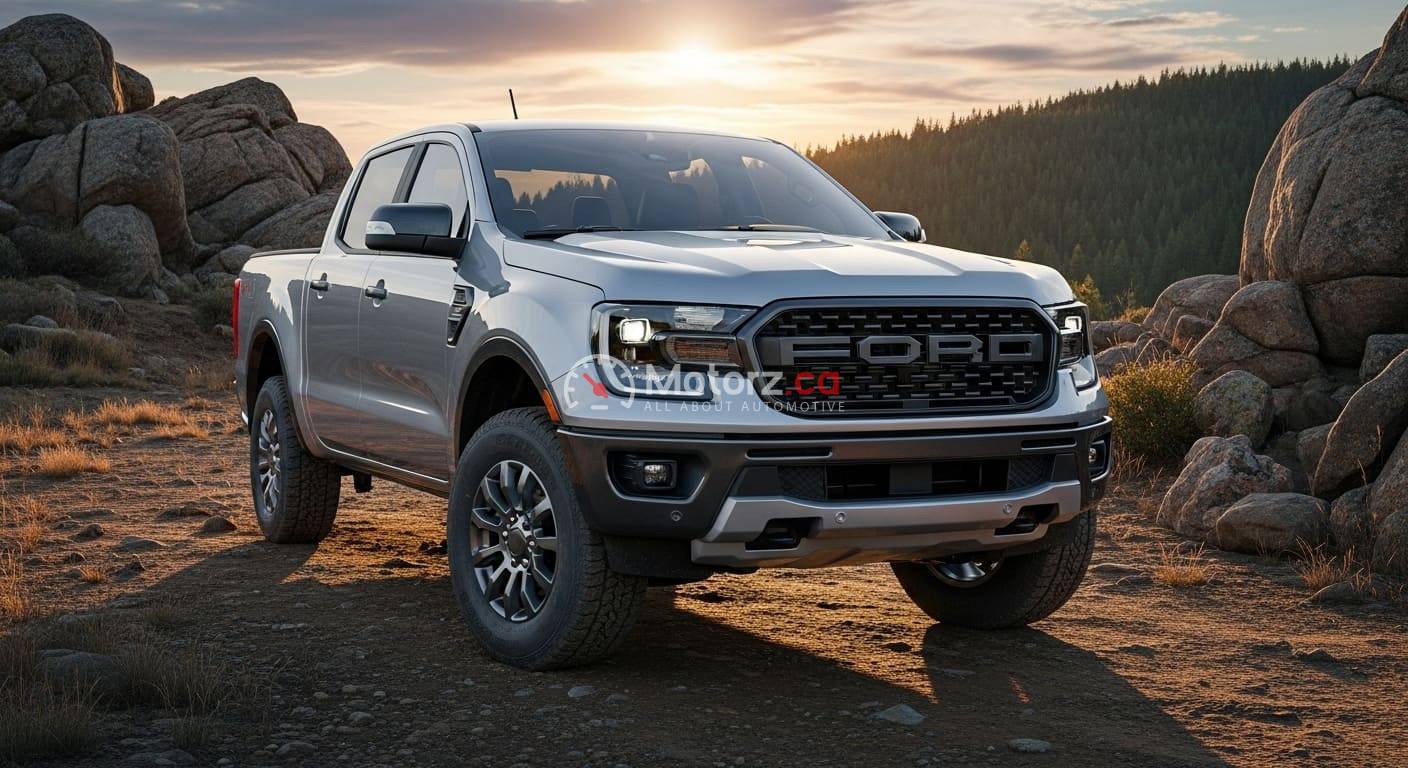
The standard engine is the proven 2.3-liter EcoBoost four-cylinder, paired with a 10-speed automatic transmission, which offers a great balance of power and efficiency for the base trims (XL and XLT). The real capability leaps, however, come with smart option choices.
7 Must-Have Options for Maximum Ranger Value and Capability
These seven options or packages represent the best value-for-money upgrades, targeting the core reasons people buy a mid-size truck: towing, off-roading, and modern convenience.
The 2.7-liter EcoBoost V6 Engine Upgrade
For most buyers, this is a non-negotiable upgrade, particularly if you plan to tow or haul regularly.
Why it’s a must-have: The standard 2.3-liter EcoBoost is competent, but the optional twin-turbocharged 2.7-liter EcoBoost V6—shared with the larger F-150 and Bronco—is a game-changer. It delivers a significant boost in both horsepower (315 HP) and, more importantly, torque (400 lb-ft). Torque is the muscle that gets heavy loads moving and keeps them moving up a steep grade.

The 2.7L V6 offers a far more relaxed towing experience and dramatically improves on-road passing power and general drivability when the truck is loaded. This engine elevates the Ranger from a practical daily driver to a true powerhouse in the mid-size segment. For the modest increase in cost, the performance gain is massive.
Who needs it: Anyone planning to tow a boat, small RV, or loaded utility trailer, or those who simply crave a punchier, more engaging driving experience from their pickup truck.
The Trailer Tow Package
Even if you don’t own a trailer today, the Class IV Trailer Hitch and accompanying wiring harness are crucial for maximizing your truck’s utility and protecting its resale value.
Why it’s a must-have: The Ranger is rated for a maximum available towing capacity of 7,500 pounds when properly equipped. To hit that number and safely tow anything, you need the factory-installed Trailer Tow Package. This package provides the necessary Class IV receiver hitch and the 4/7-pin connector. Adding a hitch and wiring after the fact can be a costly, complicated, and sometimes problematic ordeal, especially when integrating with the truck’s sophisticated electronics (like the next must-have feature). For a relatively low factory cost, you unlock the full towing potential of your vehicle.
Who needs it: Every single Ranger buyer. Even if you only use it for a bike rack or a small U-Haul once a year, the cost is minimal compared to the utility and resale benefit.
The FX4 Off-Road Package
If your Ranger will ever leave the pavement, the FX4 Off-Road Package is the single best value for factory-installed trail capability.
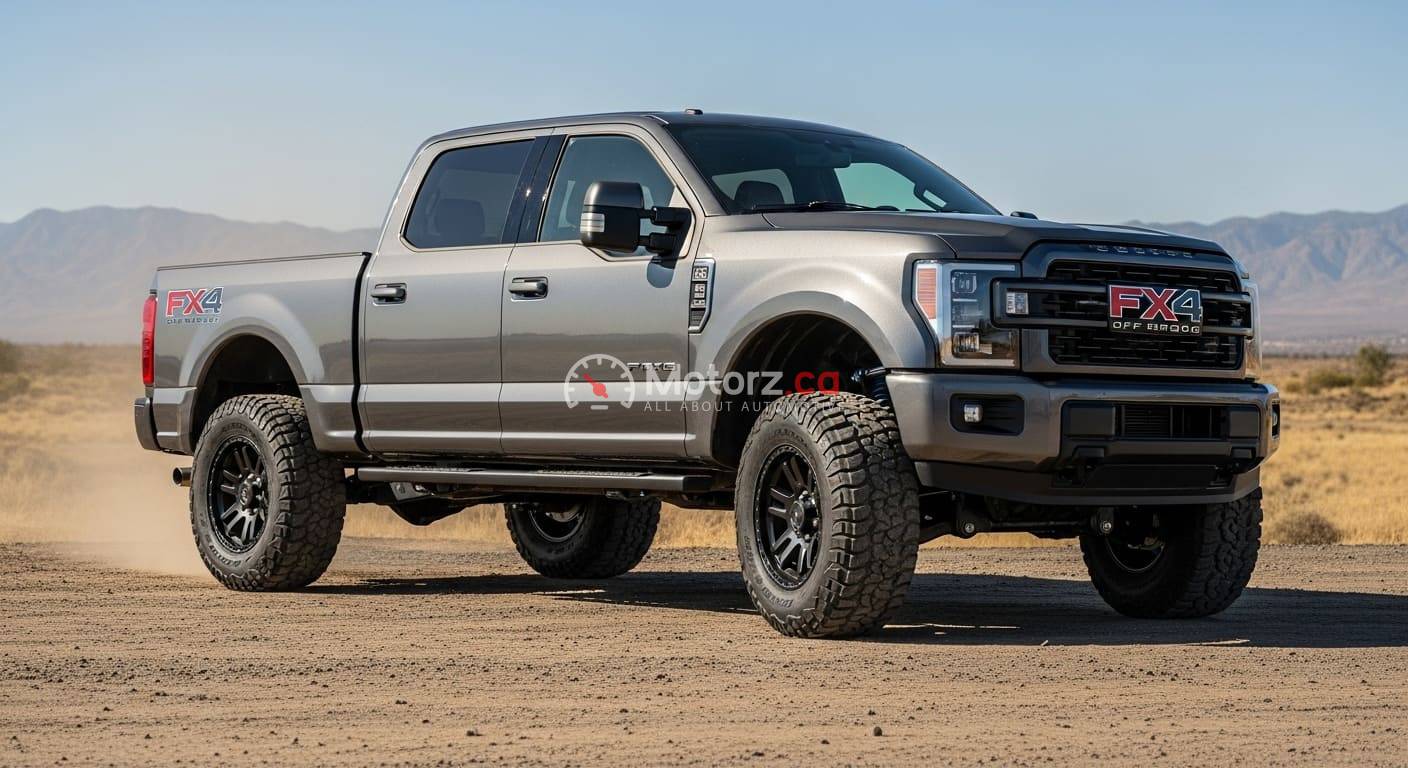
Why it’s a must-have: The FX4 package goes beyond mere badges and appearance. It includes key mechanical and software upgrades:
Off-Road Tuned Shocks: These provide better damping and handling over rough terrain than the standard suspension setup.
Electronic-Locking Rear Differential: This is the most crucial part. A locking differential forces both rear wheels to turn at the same speed, dramatically improving traction in low-grip situations (mud, sand, large rocks). It is an essential component for serious off-roading.
Skid Plates: Protection for the fuel tank, transfer case, and steering gear.
Trail Control and Terrain Management System: Advanced electronic aids that manage throttle, braking, and shifting for various surfaces (Mud/Ruts, Sand, Normal, etc.).
For the price, the FX4 package offers capability that would cost several times more to replicate with aftermarket parts, all covered by the factory warranty.
Who needs it: Anyone who plans to frequently drive on unpaved roads, campsites, deep snow, or challenging off-road trails.
The Electronic-Locking Rear Differential
We highlight this again because of its supreme importance for traction. If you select 4×4, ensure you get this.
Why it’s a must-have: If you can only afford one mechanical off-road feature, make it the electronic-locking rear differential. While 4×4 helps with moving power to the front, the locker ensures that when one rear wheel loses traction, the other continues to push. It is an “easy button” that can get you out of situations where an open differential would leave you stranded, even in four-wheel drive. For those who opt for the base XL or XLT but skip the full FX4 package, ensure this critical component is added if you intend to go off-road.
Who needs it: Anyone who lives or regularly travels on slippery, loose, or uneven surfaces.
The 12-inch Center Touchscreen Display
While the base 10.1-inch screen is functional, the upgrade to the 12-inch portrait-style touchscreen fundamentally changes the Ranger’s cabin experience and perceived value.
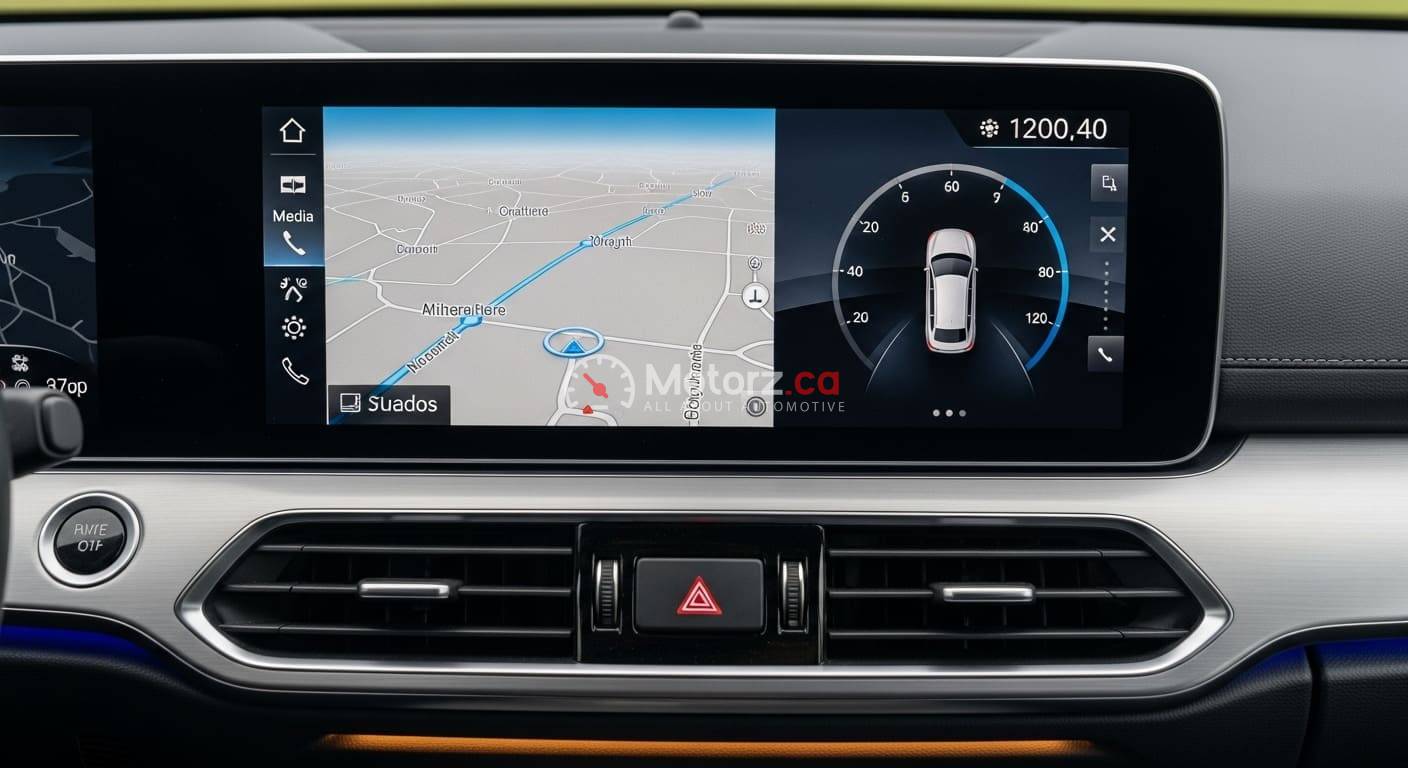
Why it’s a must-have: The new Ranger’s cockpit is built around its infotainment screen, which utilizes Ford’s powerful SYNC 4A system. The larger 12-inch screen provides much more usable real estate for navigation, multi-tasking (like seeing music and navigation simultaneously), and clearly displaying the surround-view camera (if equipped) and off-road gauges. Given that modern vehicle interiors are judged heavily by their tech, this screen upgrade feels premium and will contribute positively to resale value down the line. It’s the nerve center of the new, more sophisticated Ranger.
Who needs it: Anyone buying an XLT or Lariat who prioritizes modern tech, connectivity, and a premium cabin feel.
Ford Co-Pilot360 Assist Package
In today’s dense traffic and high-speed highway driving, advanced driver assistance systems (ADAS) are increasingly vital for safety and driver fatigue reduction.
Why it’s a must-have: The Co-Pilot360 Assist Package bundles essential safety and convenience features that go beyond the basic standard features. Key inclusions often are:
Adaptive Cruise Control (ACC) with Stop-and-Go: Automatically adjusts speed to maintain a set distance from the vehicle ahead, greatly reducing stress in stop-and-go traffic.
Evasive Steering Assist: Provides extra steering support to help the driver avoid a collision.
Connected Built-in Navigation: Integrated, real-time traffic and routing that works seamlessly with the large touchscreen.
Blind Spot Information System (BLIS) with Trailer Coverage: This is a crucial truck feature. It extends BLIS coverage to the length of your trailer, a significant safety boost when changing lanes while towing.
These systems make the Ranger a much safer and less tiring vehicle for long-distance travel and daily commuting.
Who needs it: High-mileage drivers, those who commute in heavy traffic, and anyone who regularly tows a long trailer.
Tough Bed Spray-In Bedliner
Skip the plastic drop-in liner and get the factory Tough Bed spray-in liner.
Why it’s a must-have: A truck bed is meant to be used. The factory Tough Bed liner is a professionally applied, polyurethane-based coating that chemically bonds to the bed surface. This provides superior, long-lasting protection against scratches, dents, and corrosion compared to plastic drop-in liners, which can trap moisture and cause rust. The factory option is perfectly applied, covered by the vehicle’s warranty, and ensures a clean, professional look that enhances durability and resale value.
Who needs it: Anyone who plans to carry tools, gravel, landscaping materials, or anything that could scratch or damage the paint in the truck bed.
Options for the Ford Ranger You Should Skip
Not all options deliver value. Some are costly for minor gains, and others are simply not the best way to spend your truck budget. Here are three options or packages that most buyers should bypass.
The FX2 Package
The FX2 package is Ford’s attempt to give two-wheel-drive (2WD) Rangers the rugged look and some of the off-road capability of the FX4.
Why you should skip it: While the FX2 is affordably priced and includes an electronic-locking rear differential and off-road shocks, it ultimately provides a confusing value proposition for the majority of buyers. If you need a truck for light duty and great gas mileage, skip the off-road parts entirely and get the standard 2WD.
If you do encounter situations where the electronic locker is needed (mud, sand, steep climbs), you are typically far better off with the low-range gearing and added traction of a true 4×4 system. The FX2 essentially caters to a very narrow niche: the buyer who wants the aggressive look but never needs the full capability. For most, it’s either get the full 4×4 and FX4 for utility, or skip the package entirely for maximum cost savings on a pavement-only truck.
Better Alternative: Invest the money saved by skipping FX2 into the superior V6 engine or Co-Pilot360 package, or simply step up to the full 4×4 and FX4 package for true off-road preparedness.
Most Manufacturer-Installed Appearance Packages
Ford offers various packages that mainly alter exterior trim, paint colors, and wheel size/finish. While subjective, these often represent poor value.
Why you should skip it: Appearance packages like the Chrome Package often force you into expensive, less practical aesthetic choices. For example, some large, factory-installed, low-profile wheel options may look good but are far more susceptible to damage on potholes or off-road trails and require more expensive tires to replace. Furthermore, if you plan to customize your Ranger with a lift, different tires, or an aftermarket bumper/grille (a common practice for truck owners), you’ll often be replacing or covering up the expensive factory appearance upgrades.
Better Alternative: Choose a base trim appearance package and use the money saved to select functional upgrades (like the V6 engine or FX4 package). If you want a specific aesthetic, the aftermarket offers a far wider range of custom wheels, grilles, and wraps that often provide a more unique and cost-effective look.
The Most Expensive Interior Comfort Features on Base Trims
While luxury is nice, opting for the most expensive comfort features on a lower trim (like XLT) can sometimes push the final price very close to a higher trim (Lariat) that includes those features, plus more value-added standards.
Why you should skip it: When you start adding features like leather seating, power-adjustable front seats, and premium audio systems to an XLT, the price tag quickly approaches Lariat territory. The Lariat trim, however, includes those features plus standard amenities like the 12-inch screen, LED lighting, and more comprehensive Co-Pilot360 features right from the start. You end up paying a similar price but with a package that feels less cohesive and is missing a few key standard items from the higher trim.
Better Alternative: If high-end comfort and tech are your priority, step up to the Lariat trim for a fully integrated, cohesive, and premium package that maximizes the truck’s resale value as a top-tier model. If you want a work truck, stick to the durable, easy-to-clean cloth seats of the XL or XLT.
Building the Perfect Ford Ranger
Choosing the right options for your new Ford Ranger comes down to a clear understanding of your priorities: Utility, Off-Road, or Daily Driver Comfort.
The Adventure and Work Ranger Build
This build prioritizes power, utility, and off-road resilience.
Engine: 2.7-liter EcoBoost V6 (Must-Have 1)
Drivetrain: 4×4 with FX4 Off-Road Package (Must-Haves 3 & 4)
Towing: Trailer Tow Package (Must-Have 2)
Protection: Tough Bed Spray-In Bedliner (Must-Have 7)
Bonus: Basic Co-Pilot360 for highway safety.
Rationale: The V6 power and torque, combined with the FX4’s mechanical locking differential, make this truck nearly unstoppable on the trail and a competent tower on the road. It’s the highest-performing, most capable version of the standard Ranger platform.
The Premium Daily Driver Build
This build focuses on modern convenience, long-distance comfort, and safety.
Engine: 2.7-liter EcoBoost V6 (Must-Have 1)
Trim: Lariat Trim (Automatically includes 12-inch screen – Must-Have 5)
Safety: Ford Co-Pilot360 Assist Package (Must-Have 6)
Towing: Trailer Tow Package (Must-Have 2)
Protection: Tough Bed Spray-In Bedliner
andard features, including the large screen and a luxury interior. Adding the V6 and the advanced safety suite results in a comfortable, powerful, and technologically advanced mid-size truck that makes every drive a breeze.
Option Deep Dive: The Value of V6 Power
It’s worth dedicating a moment to the value of the 2.7-liter EcoBoost V6 option. The standard 2.3L engine, while good, is reaching its limit in a fully loaded, modern mid-size truck.
The V6 doesn’t just add horsepower; it adds 400 lb-ft of torque available lower in the RPM band. This is critical for:
Towing: Effortlessly merging onto highways or climbing steep inclines with a trailer in tow. Less strain on the engine translates to better long-term reliability and less wear on the transmission.
Off-Roading: Low-end torque is essential for creeping over obstacles or powering through deep sand or mud without losing momentum. The responsive V6 throttle feel is a massive upgrade over the 2.3L in these demanding situations.
Resale: Trucks equipped with the most powerful engine option often command a premium on the used market, meaning the initial investment is largely recouped when it’s time to sell.
For the relatively small increase in the overall price of the truck, the V6 is an investment that enhances the truck’s daily use, capability, and future value—making it arguably the single best checkbox on the entire options list.