

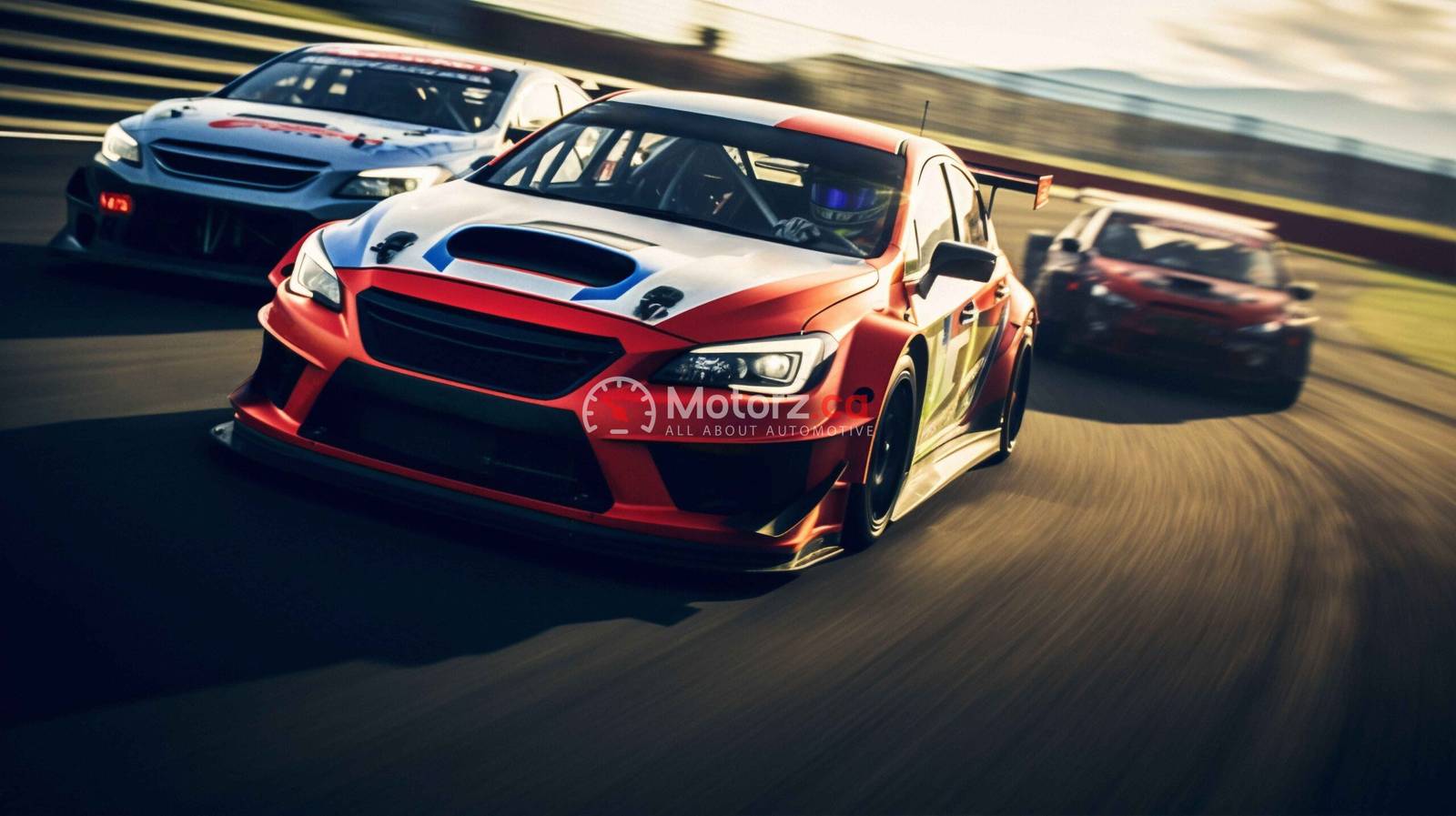

The roar of Guide to Stock Car Racing, the smell of burning rubber and high-octane fuel, and the sight of cars flying inches apart at over 200 miles per hour—there’s nothing quite like stock car racing. While it may seem like a simple concept on the surface, this form of motorsports is a complex and exhilarating blend of high-tech engineering, strategic teamwork, and raw driving talent.
For the uninitiated, the world of stock car racing, especially its most famous series, NASCAR, can feel a little intimidating. You might hear terms like “Guide to Stock Car Racing,” “tight,” or “loose,” and wonder what they all mean. You might see the cars as just a bunch of Fords, Chevrolets, and Toyotas going in circles. But to truly appreciate the sport, you need to understand the rich history, the intricate technology, and the thrilling drama that unfolds on the track.
This blog post is your complete Guide to Stock Car Racing guide to stock car racing. We’ll break down the basics, from its humble origins to the modern-day spectacle, so you can get up to speed and start enjoying the action.
The History: From Moonshine to Mainstream
The story of stock car racing is one of Guide to Stock Car Racing most compelling tales of innovation and rebellion. The sport’s roots are a far cry from the multi-billion-dollar industry it is today.
The Prohibition Era
The term “stock car” itself comes from the Guide to Stock Car Racing origins. During the Prohibition era in the 1920s and 30s, illegal moonshine runners needed fast, durable cars to outrun federal agents. They would take a “stock” vehicle—a car straight from the dealership lot—and modify its engine and suspension for increased speed and handling, all while keeping a seemingly normal exterior to avoid suspicion.
The Birth of NASCAR
These moonshine Guide to Stock Car Racing eventually started challenging each other, leading to impromptu races on dirt roads and beaches. It was a chaotic but thrilling scene. Recognizing the need for a unified set of rules and a governing body, Bill France Sr. founded the National Association for Stock Car Auto Racing (NASCAR) in 1948. This organization brought order to the chaos and created a legitimate, professional series that would grow into the giant we know today.
The Cars: A Glimpse Under the Hood
One of the most common misconceptions about modern stock car racing is that the cars are actually Guide to Stock Car Racing. While they look similar to their road-going counterparts, a modern stock car is a purpose-built racing machine.
The Car’s Anatomy
A modern NASCAR Cup Series Guide to Stock Car Racing is a marvel of engineering. It’s built on a steel tube frame, or “chassis,” which provides a rigid and incredibly safe foundation. The car’s body panels are now made of a durable composite material, but they are designed to match the shape and dimensions of their manufacturer’s production models (Chevrolet Camaro, Ford Mustang, and Toyota Camry).
The Engine and Power
At the heart of a stock car is a massive, naturally aspirated V8 engine. These engines, burning a special ethanol blend fuel, can produce anywhere from 550 to over 700 horsepower, depending on the track. This power is paired with a car that weighs around 3,200 pounds, resulting in an incredible power-to-weight ratio that allows for blistering speeds.
Safety First
Modern stock Guide to Stock Car Racing are packed with safety features. The driver sits in a reinforced “roll cage” that protects them from all angles in a crash. They wear fire-resistant suits, gloves, and shoes, and use a Head and Neck Support (HANS) device to prevent severe neck injuries. These safety innovations have made the sport significantly safer over the years, though the inherent risks of racing at high speeds remain.
The Tracks: Ovals, Superspeedways, and Road Courses
The track is where the magic happens, and stock Guide to Stock Car Racing features a wide variety of circuits, each with its own unique challenges.
The Short Tracks
These are oval tracks that are less than one mile in length, such as Bristol Motor Speedway or Martinsville Speedway. On these tracks, cars are constantly in a pack, leading to tight, aggressive, and often chaotic racing. Bumper-to-bumper contact is common, and the racing is a relentless display of nerve and car control.
The Intermediate Ovals
Most of the tracks on the Guide to Stock Car Racing circuit are intermediate ovals, typically 1 to 2 miles in length. These are the “cookie-cutter” ovals where speeds are high, and strategy is key. Drivers must manage tire wear, fuel consumption, and the car’s handling setup to be successful.
The Superspeedways
These are the sport’s biggest and fastest ovals, at 2.5 miles or more. Daytona International Speedway and Talladega Superspeedway are the most famous examples. On these tracks, cars run in tight packs, or “drafts,” where they use the aerodynamic wake of the car in front of them to gain speed. This style of racing is known as “pack racing” and is famous for its heart-stopping, three-wide photo finishes and the potential for a massive, multi-car pileup known as Guide to Stock Car Racing.
Road Courses
While stock car racing is famous for its ovals, more and more races are now being held on road courses, with left and right turns. These tracks require a different driving skill set and add a new layer of strategy to the season.
The Race: Understanding the Format and Rules
A NASCAR race isn’t just a simple dash to the finish line. It’s a structured event with distinct stages, each with its own points and drama.
Practice and Qualifying
Before the race, teams get a chance to practice and fine-tune their Guide to Stock Car Racing. This is followed by qualifying, where each driver takes a timed lap to determine their starting position for the race. The fastest qualifier starts in “pole position,” at the front of the grid.
Stage Racing
In the modern era, most NASCAR races are broken into three “stages.” At the end of Stage 1 and Stage 2, a yellow caution flag is thrown, and the top-10 drivers are awarded points. This adds an extra layer of strategy, as teams must decide whether to pit for new tires and fuel or stay on the track for stage points. The final stage is a no-holds-barred dash to the Guide to Stock Car Racing, where the winner is the first car to cross the line.
Key Terminology for New Fans
Drafting (or Towing): Driving directly behind another car to reduce air resistance and increase speed.
Loose (Oversteer): A car is “loose” when the rear tires lose traction and the car wants to slide around in the corners.
Tight (Understeer): A car is “tight” when the front tires lose traction and the car doesn’t want to turn.
Pit Stop: When a car comes into the pit lane for new tires, fuel, and adjustments. A fast pit stop can make or break a race.
Green Flag: The start of the Guide to Stock Car Racing or a restart.
Yellow Flag: A caution flag, indicating an incident or debris on the track. All cars must slow down behind the pace car.
Checkered Flag: The end of the race.
The Drivers: A Special Breed
Stock car drivers are a unique mix of athlete, engineer, and strategist. The physical demands of racing are immense, with drivers battling high G-forces and cockpit temperatures that can exceed 100 degrees Fahrenheit for hours.
The Legends and the Modern Stars
From the raw talent of Dale Earnhardt Sr. and the calculated brilliance of Jeff Gordon to the record-breaking consistency of Jimmie Johnson, the sport is defined by its larger-than-life personalities. Today, a new generation of stars like Kyle Larson, Chase Elliott, and Ryan Blaney are carrying the torch, bringing a new level of skill and competition to the Guide to Stock Car Racing.
How to Become a Fan
The best way to get hooked on stock car racing is to jump right in.
Watch a Race:
Tune in on a Sunday afternoon and watch a race from start to finish. Follow a few drivers, pay attention to the pit stops, and watch how the strategy unfolds.
Find a Local Track:
The grassroots level of racing is where you can truly experience the sport. Find a local short track or dirt oval near you and attend a race. You’ll be amazed by the close-quarters action and the incredible sound and speed.
Pick a Driver and a Team:
Find a Guide to Stock Car Racing you connect with. It could be based on their personality, their driving style, or the car manufacturer they represent. Following a driver and their team through the season is the best way to become fully invested in the sport.
Stock car racing is more than just a competition; it’s a culture. It’s a celebration of speed, courage, and the thrill of the chase. Once you understand the basics, you’ll see that it’s a high-speed chess match where every decision, every lap, and every inch matters. Welcome to the world of stock cars—get ready to be a part of the action.