
When we talk about Auto Mechanics our minds immediately jump to healthcare workers, first responders, and grocery store staff. These are the individuals who keep society functioning during a crisis. But there is a silent force working behind the scenes that ensures the nurse can get to the hospital, the ambulance can reach the scene, and the food delivery truck can make it to the store.
In 2026, as the automotive world shifts toward electric vehicles (EVs) and complex software-defined machines, the question often arises: Are mechanics still an essential service? The answer is a resounding yes. In fact, the role of the auto technician has never been more critical to the stability of the global economy and public safety.
From maintaining supply chains to ensuring environmental compliance, the automotive repair industry is the gears that keep the modern world turning. In this deep dive, we will explore why mechanics are far more than just “repair people”—they are the guardians of our mobility and safety.
Mobility as a Human Right: The Auto Mechanics of Daily Life
In most parts of North America and Europe, mobility is not a luxury; it is a necessity. Without a functional vehicle, a significant portion of the population loses access to work, medical care, and basic sustenance.
Supporting First Responders and Frontline Workers
Every fire truck, police cruiser, and ambulance requires rigorous, specialized maintenance to ensure it does not fail during an emergency. Mechanics who specialize in fleet maintenance are the reason these vehicles stay on the road. If the automotive repair industry were to stop, the emergency response infrastructure would collapse within weeks.
The Last-Mile Delivery Network
We live in an “on-demand” world. In 2026, the volume of delivery vans on the road is at an all-time high. These vehicles operate under extreme stress, with constant stop-and-go cycles that wear out brakes, tires, and transmissions. Mechanics ensure that the logistics chain—from the massive freight trucks on the highway to the electric delivery vans in your neighborhood—remains unbroken.
Public Safety and Disaster Prevention
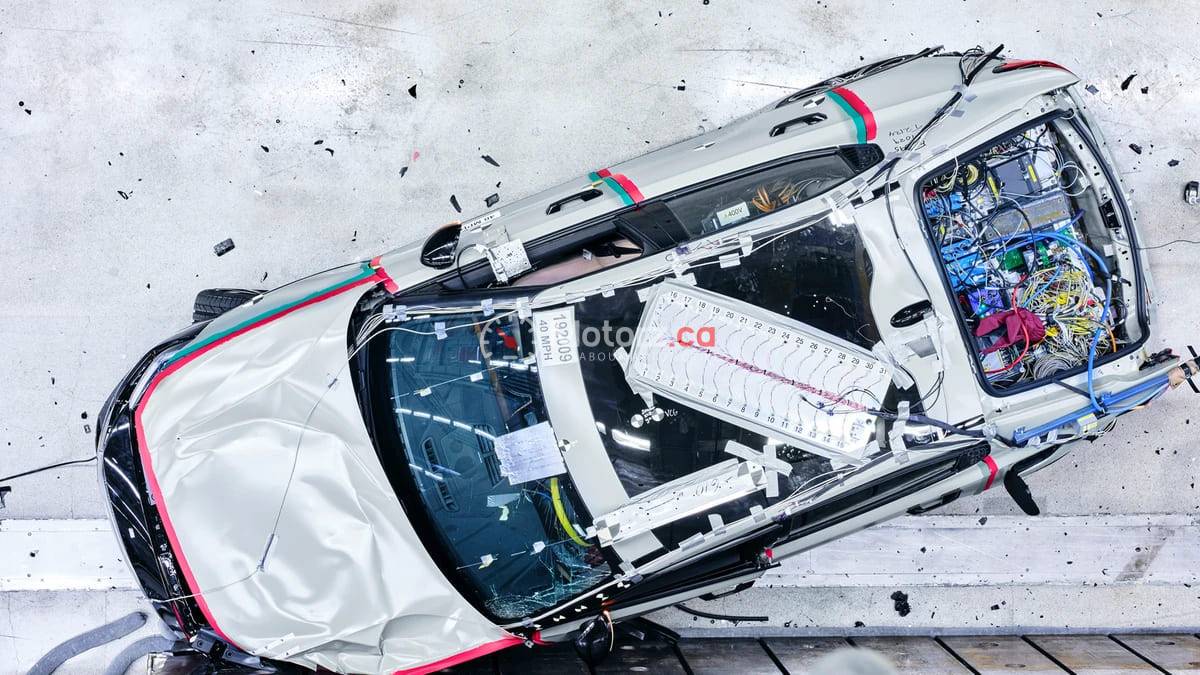
A vehicle is essentially a two-ton kinetic object moving at high speeds. When a vehicle is not properly maintained, it becomes a public safety hazard. Mechanics serve as the primary inspectors who prevent mechanical failures before they turn into tragedies.
The Role of Preventative Inspections
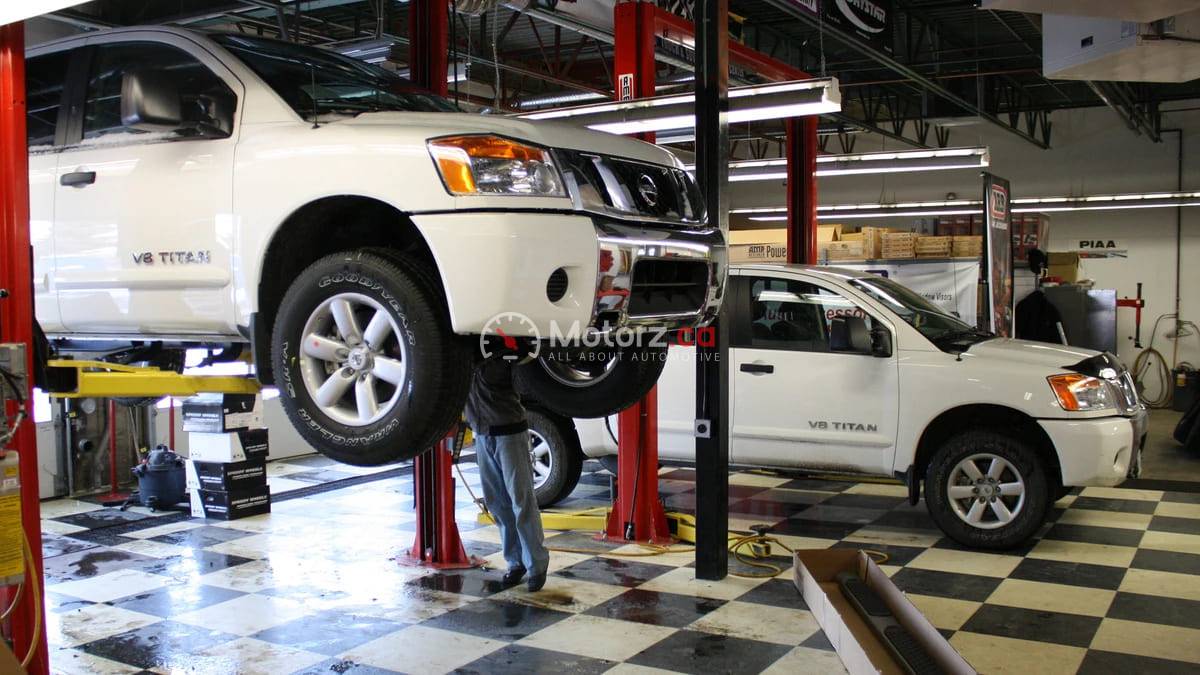
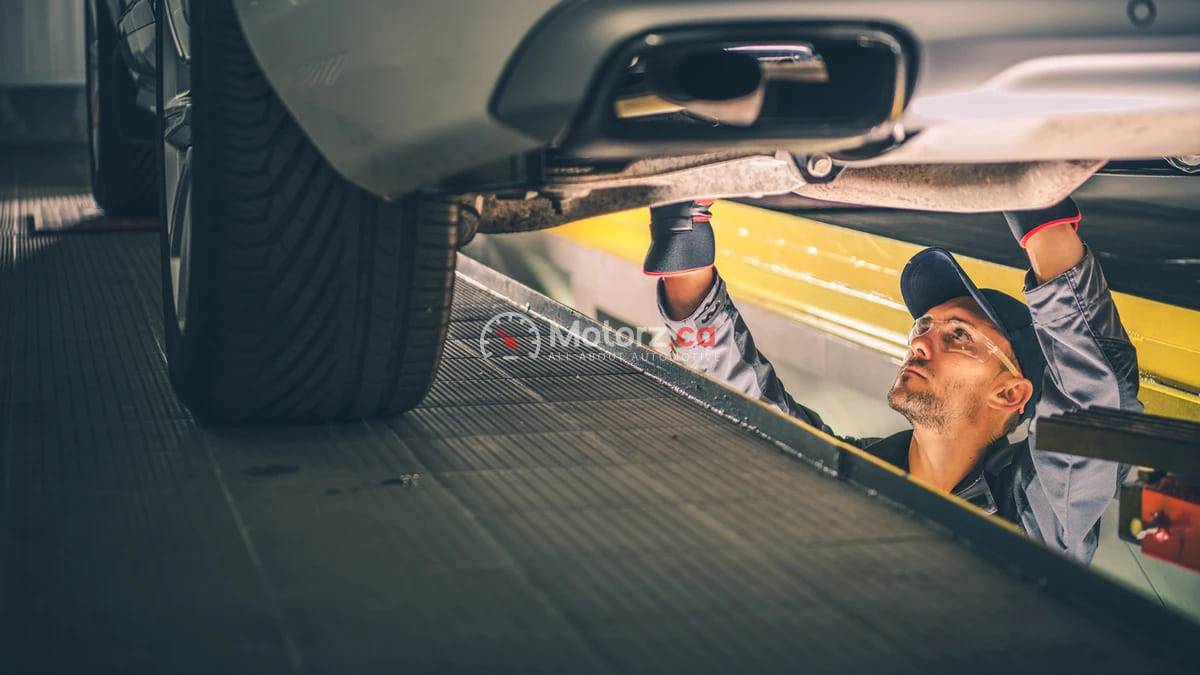
During a routine oil change or tire rotation, a skilled technician is looking for signs of impending failure. They check for frayed brake lines, worn-out ball joints, and bulging tire sidewalls. These are “silent killers” that a driver might never notice until it is too late. By identifying these issues, mechanics prevent thousands of accidents every year.
Safety in Extreme Weather Conditions
For those living in regions with harsh winters or extreme heat, a vehicle failure isn’t just an inconvenience—it can be life-threatening. Mechanics ensure that heating systems work, batteries have enough cold-cranking amps to start in the frost, and cooling systems can handle 40-unit heatwaves. Their work ensures that drivers are not stranded in dangerous environments.
Environmental Stewardship and Emissions Control
As the world focuses on sustainability and reducing carbon footprints, the role of the mechanic has evolved into that of an environmental technician.
Keeping Internal Combustion Engines Clean
While EVs are on the rise, the majority of vehicles on the road in 2026 still rely on internal combustion. A poorly maintained engine can produce ten times the emissions of a healthy one. Mechanics who service fuel injection systems, catalytic converters, and oxygen sensors are directly responsible for keeping our air breathable.
The EV Transition and Battery Health
Electric vehicles require less mechanical maintenance, but they require high-level electronic and thermal management. Mechanics are now tasked with maintaining the complex cooling systems that prevent EV batteries from overheating. Proper maintenance extends the life of these batteries, preventing them from ending up in landfills prematurely and reducing the overall environmental impact of the vehicle.
Economic Impact: Preventing the “Cost of Failure”
The automotive repair industry is a massive pillar of the global economy. Beyond the millions of jobs it provides, it prevents a “cascading economic failure” for individual households and businesses.
Protecting the Consumer’s Second-Largest Investment
For most people, a vehicle is their second-most expensive purchase after a home. Mechanics help protect that investment. Regular maintenance can extend the life of a modern vehicle to 300,000 miles or more. This allows families to avoid the debt associated with buying new cars frequently, providing them with more financial stability.
Supporting Small Businesses
Small businesses—from plumbers and electricians to landscapers—rely on their work trucks to generate income. A truck that is “down” means a day of zero revenue. Mechanics who prioritize “up-time” for small business owners are essentially keeping the local economy alive.
The High-Tech Evolution: Mechanics as Software Engineers
The image of a mechanic covered in grease with a wrench in hand is becoming a thing of the past. In 2026, an auto technician is just as likely to be using a tablet as a torque wrench.
Cyber-Physical Systems
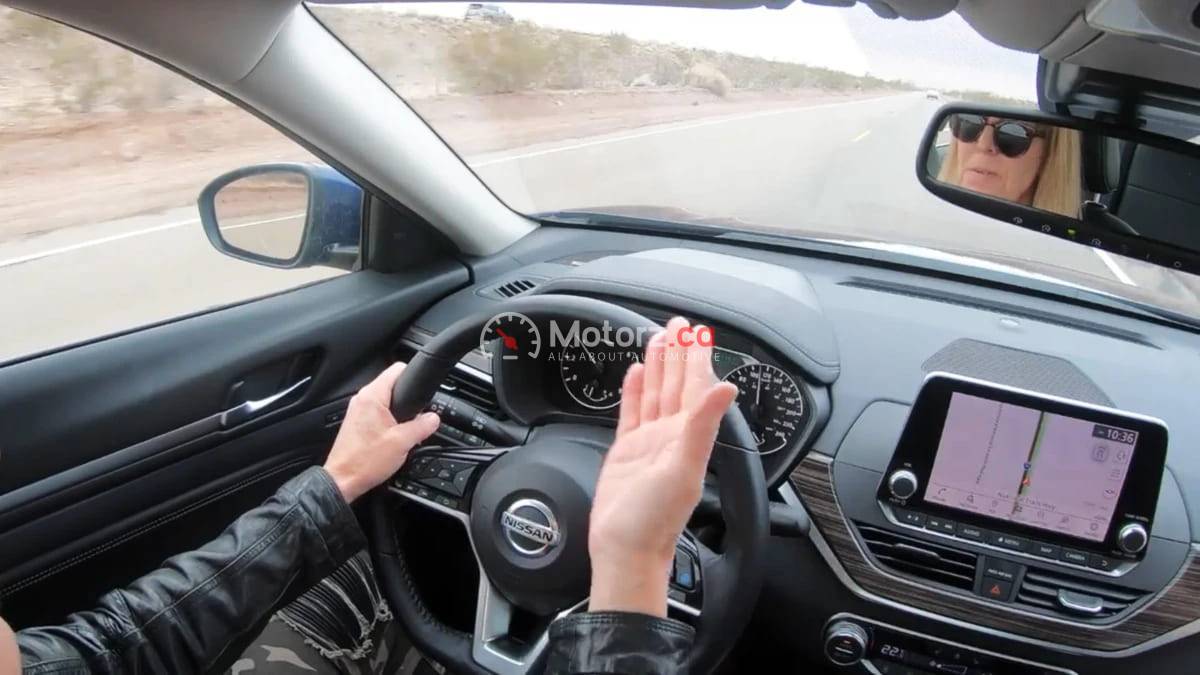
Modern cars are “computers on wheels.” They feature millions of lines of code that control everything from braking to lane-keeping assistance. Mechanics must now understand cybersecurity, sensor calibration, and software diagnostics. When a car’s “Adaptive Cruise Control” glitches, it is a mechanic who must troubleshoot the code and recalibrate the radar. This level of technical expertise is specialized and essential for the safety of automated driving systems.
A Service That Cannot Be Automated
While many industries are being replaced by AI and robotics, the physical and diagnostic complexity of automotive repair remains a human-centric necessity. The ability to sense a vibration, smell a slight fluid leak, and understand the nuance of mechanical wear is a skill set that remains irreplaceable.
Mechanics are the unsung heroes of our mobility. They ensure our safety, protect our environment, and keep our economy moving. In every sense of the word, automotive repair is—and will always be—an essential service.