Shazib R.

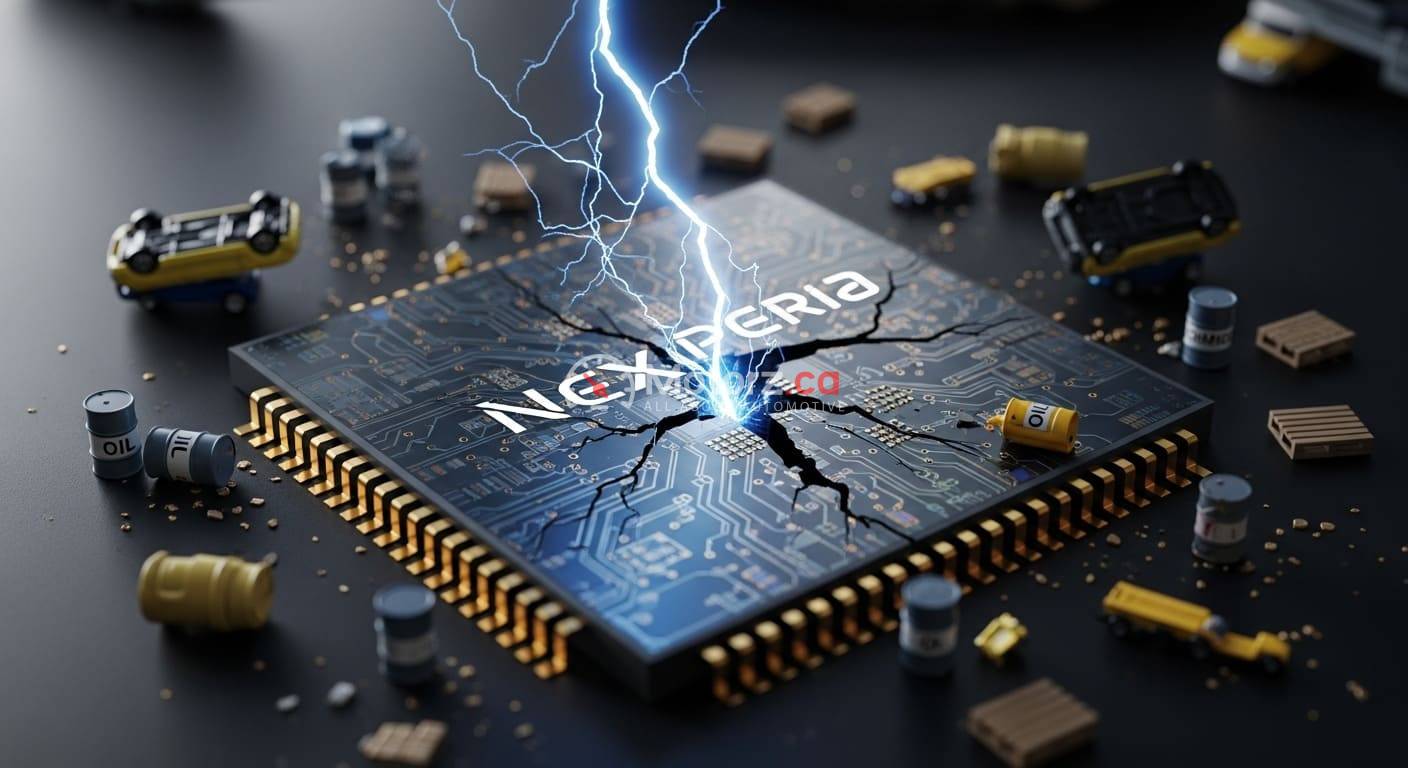
The Geopolitical Choke Point: How the Nexperia Chip Crisis Exposed the Auto Industry’s Fatal Flaw
The Low-Tech Component That Brought Global Production to a Halt Just a few years ago, the global automotive industry was reeling from the post-pandemic semiconductor shortage. Automakers swore they had learned their lesson, vowing to diversify supply chains, increase component visibility, and build buffer stock. The assumption was that the next crisis would involve cutting-edge,…
The Great Data Drought: Why Automakers Haven’t Made Billions from Vehicle Data—And What’s Holding Them Back
The Software-Defined Car Promise: A Decade of Investment Without the Payoff For over a decade, the Automakers Haven’t Made Billions has been fueled by a gold rush narrative: the connected car would generate billions of dollars in new, high-margin revenue through data monetization. Analysts from major consulting firms projected annual incremental value for the sector…

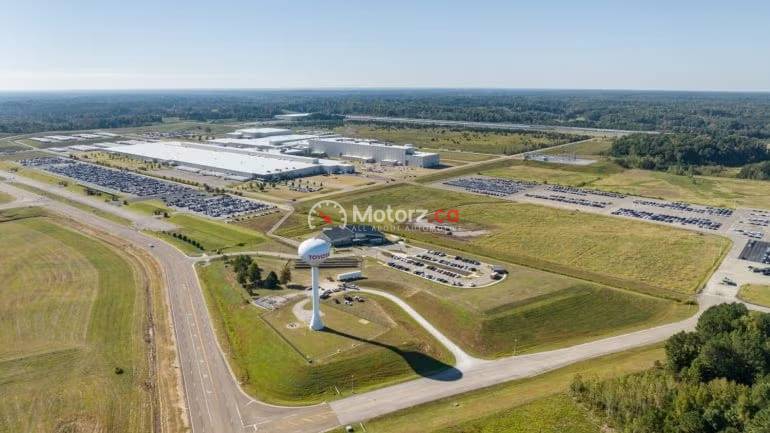
🇺🇸 Toyota’s $912 Million Hybrid Power Play: Modernizing Five US Plants to Dominate Electrified Production
From Components to Corolla: Toyota’s Focused Investment in American Hybrid Manufacturing The Toyota’s $912 Million Hybrid Power market is undergoing a rapid, often unpredictable, transformation toward electrification. While the headlines often focus on massive Battery Electric Vehicle (BEV) projects, Toyota Motor Corporation is making strategic, highly targeted moves that prove its long-held philosophy: the hybrid…

Toyota’s $14 Billion Battery Bet: Why Hybrids, Not Just EVs, Are the Future of Mobility in the U.S.
The Multi-Pathway Strategy: Toyota Charges Up American Manufacturing for Electrification In a remarkable strategic pivot that is reshaping the Toyota’s $14 Billion Battery, Toyota Motor Corporation has announced and executed a massive nearly 14 billion USD investment into a new battery manufacturing facility in the United States, followed by a pledge for an additional 10…

🇵🇭 Is the All-New 2026 Toyota RAV4 Launching in the Philippines Soon? What PH Buyers Need to Know
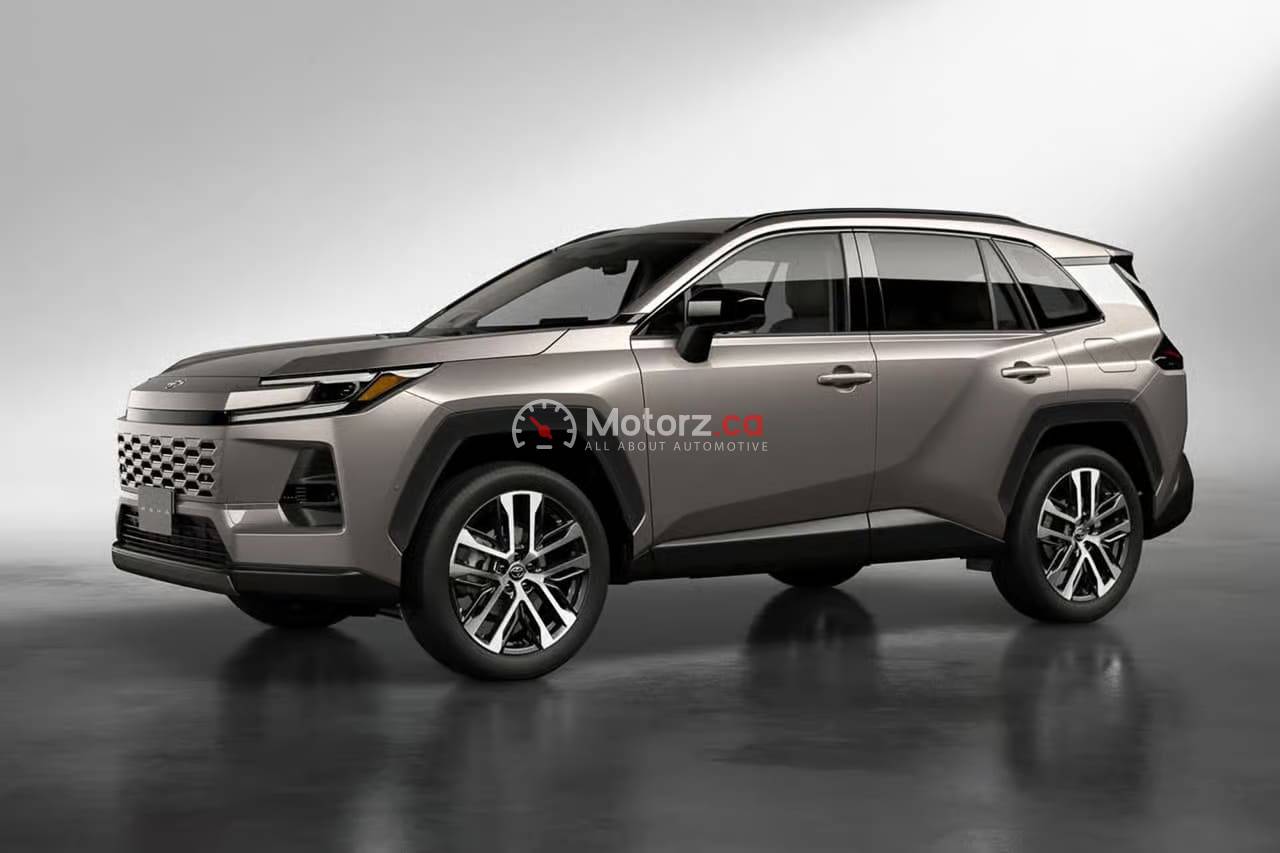
The Next-Generation RAV4: Specs, Timeline, and Toyota PH’s Electrification Strategy The 2026 Toyota RAV4 Launching a significant, albeit niche, position in the Philippine automotive landscape, often serving as the more premium, practical counterpart to the mass-market Corolla Cross. With the highly anticipated sixth-generation 2026 Toyota RAV4 having made its global debut, Filipino car enthusiasts and…
The Ultimate Efficiency King: Best Plug-in Hybrid SUV Under 50,000 USD for MPG and Total Range
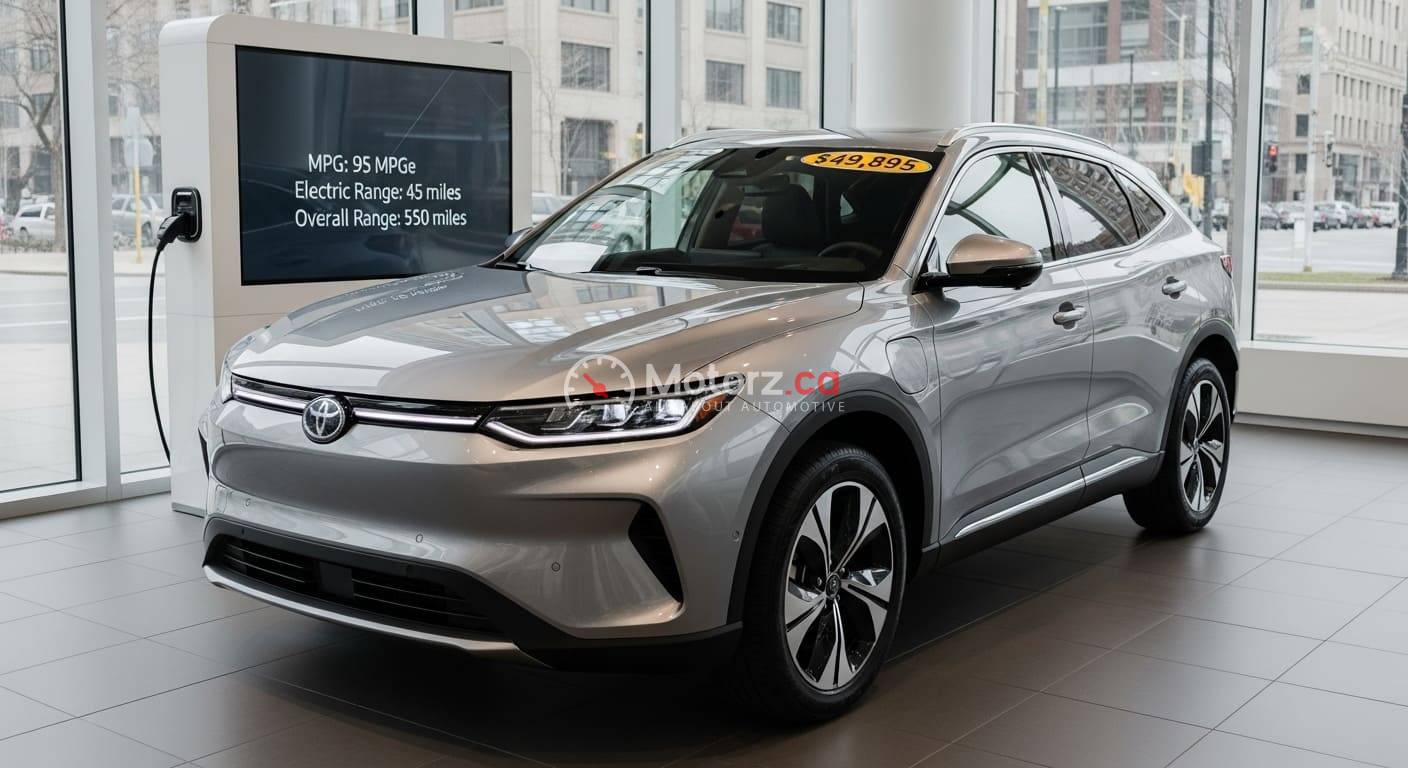
Beyond the Price Tag: Finding the PHEV SUV That Makes Range Anxiety Obsolete The Plug-in Hybrid SUV Electric Vehicle (PHEV) SUV has cemented its place as the sweet spot for the modern driver. It delivers the everyday efficiency of an electric vehicle (EV) for commuting, while retaining the freedom of a gasoline engine for weekend…

The Great Hybrid Price Hike: Why Toyota’s 2026 RAV4 Cost Jump in Australia Spells Trouble for US Buyers
The Price Shock Down Under: A Global Bellwether for America’s Favorite SUV The 2026 RAV4 Cost Jump in Australia; it is the best-selling non-truck vehicle in America and the foundational pillar of the compact crossover segment. It represents reliability, efficiency, and—crucially—an attainable price point for millions of middle-class buyers. That perception is now under threat.…
Why the IMT is Rejecting PHEVs and EREVs Beyond 2035: The Climate, Cost, and Competitiveness Case
Decarbonizing Transport: The Final Push Against Partial-Electrification Technologies The debate over the future of the internal combustion engine IMT is Rejecting PHEVs and EREVs is rapidly intensifying, focusing now on whether to grant a lifeline to hybrid technologies like the Plug-in Hybrid Electric Vehicle (PHEV) and the Extended-Range Electric Vehicle (EREV) beyond the pivotal 2035…
The Plug-in Hybrid Trap: Why PHEVs Are the Most Risky Bet for Consumers and the Planet
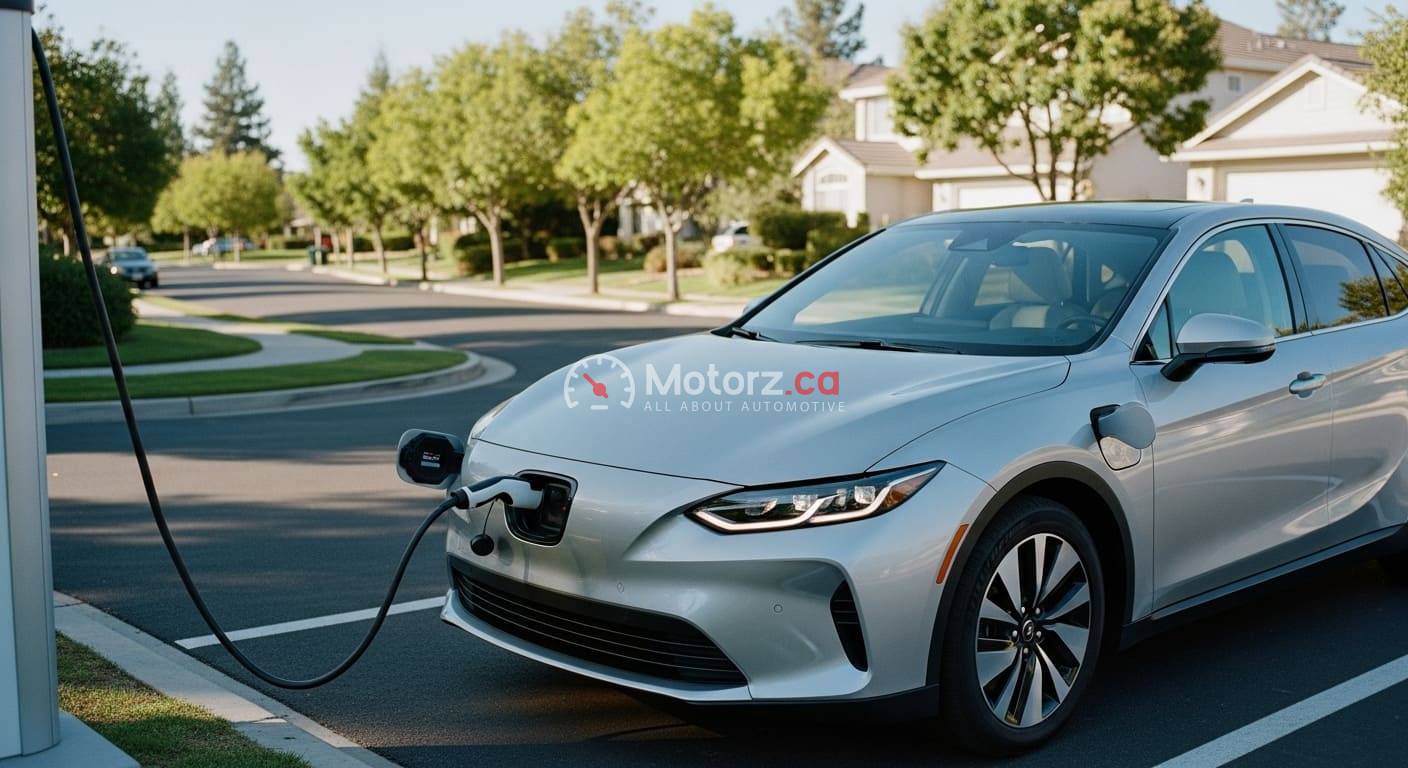
The Emissions Myth: Real-World Data Shows the Hybrid Compromise is Faltering Plug-in Hybrid Trap Electric Vehicles were introduced with a compelling promise: the seamless blend of electric efficiency for daily commutes and the peace-of-mind of a gasoline engine for long journeys. Pitched as the perfect “bridge technology” to the electric future, PHEVs attracted huge subsidies…
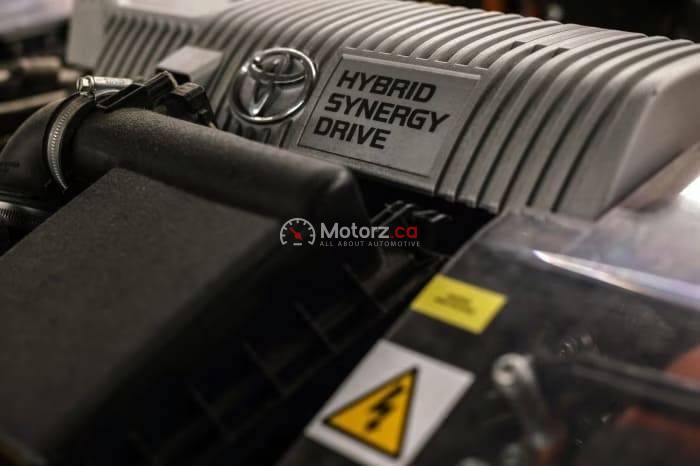
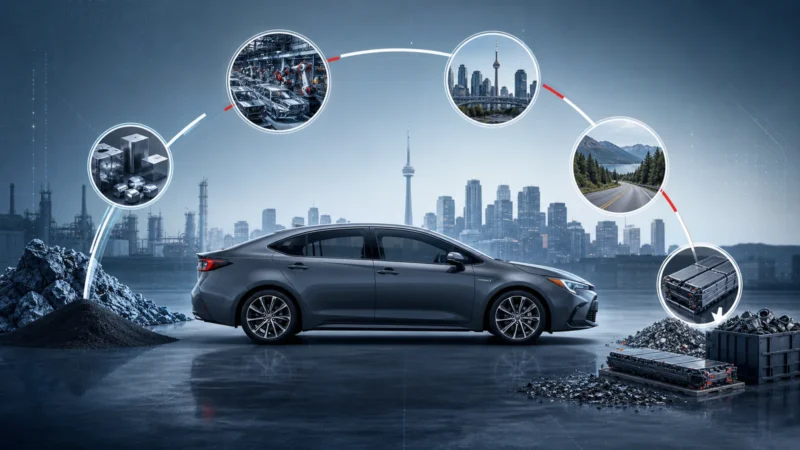
Are Hybrid Cars Better for the Climate? A Canadian Lifecycle Guide
A conventional hybrid often uses less fuel and can produce lower lifecycle greenhouse-gas emissions than a comparable gasoline car—but there is no universal percentage.