
When you sign the papers for a new Worst Car Brands, you aren’t just buying a mode of transportation; you are buying a promise. You are betting that this machine will start every morning, navigate through winter storms, and keep your family safe without draining your bank account on unexpected repairs. But in the rapidly evolving automotive landscape of 2026, that promise is harder to keep than ever before.
As cars transform into “computers on wheels,” the definition of reliability has shifted. It is no longer just about head gaskets and transmissions; it is about software stability, infotainment screens that don’t freeze, and over-the-air updates that actually work. Based on the latest data from the 2026 J.D. Power Vehicle Dependability Study and the Consumer Reports Annual Reliability Survey, the gap between the “best” and the “worst” is widening.
Whether you are looking for a bulletproof hybrid or a high-tech electric SUV, this guide breaks down the champions of durability and the brands that might leave you stranded.
The Gold Standard: Worst Car Brands Car Brands
The top of the reliability charts for 2026 is dominated by a familiar “slow and steady” philosophy. Brands that prioritize refined engineering over radical, unproven technology continue to lead the pack.
Toyota and Lexus: The Unshakable Leaders
Toyota has reclaimed the throne as the most reliable brand overall in 2026. By focusing on hybrid powertrains and avoiding “bleeding-edge” software glitches, Toyota has managed to improve the reliability of stalwarts like the Camry, Tacoma, and Tundra.
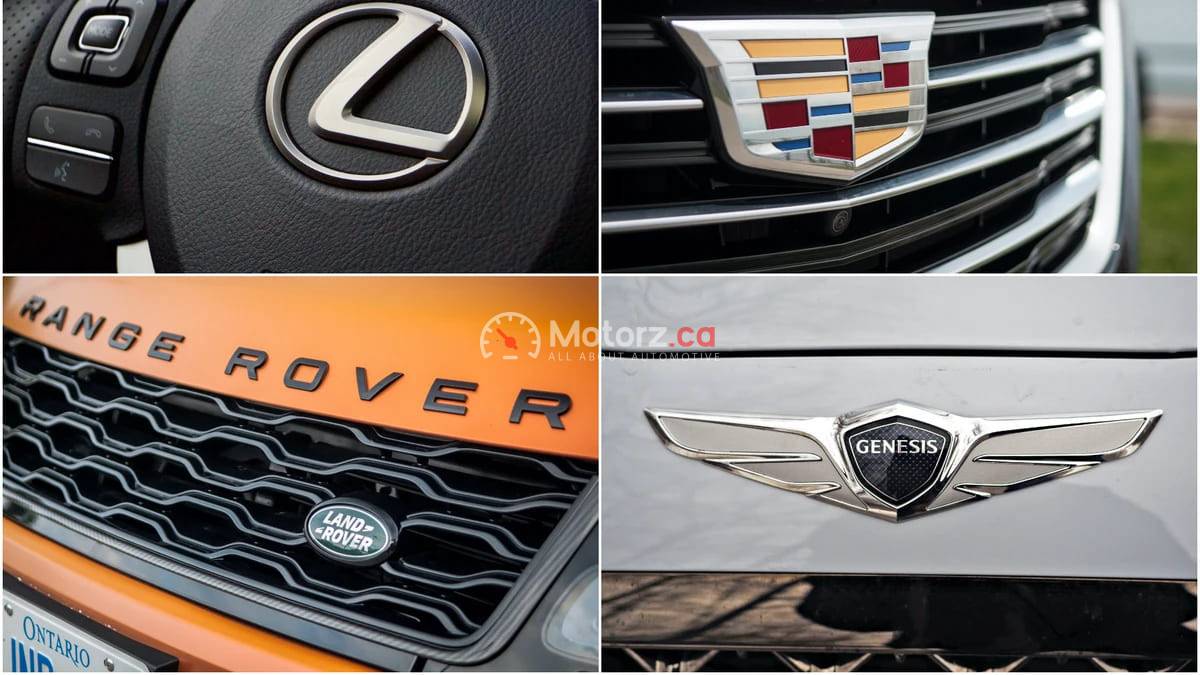
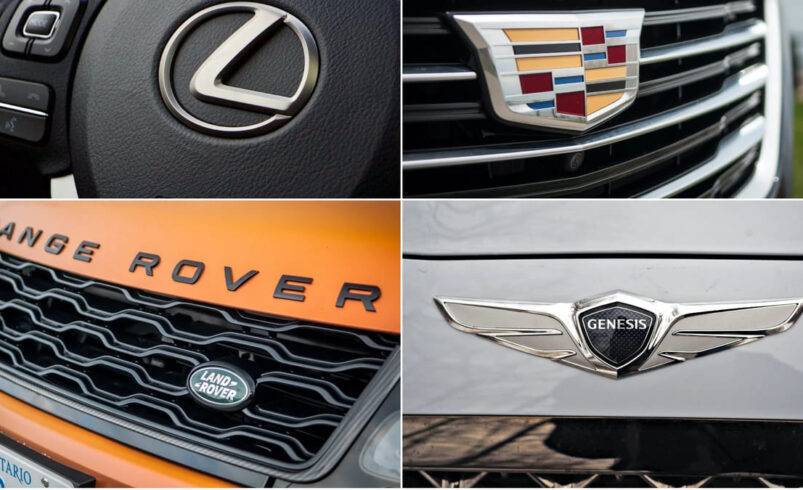
Lexus remains the highest-ranked luxury brand for the fourth consecutive year. The Lexus IS was named the top overall model for dependability, proving that luxury doesn’t have to mean fragility.
Subaru: The Surprise Powerhouse
For the second year in a row, Subaru has secured a top spot in the 2026 Brand Report Card. Models like the Crosstrek and the Impreza are currently ranked as some of the most reliable vehicles on the market.
The Secret: Subaru uses “proven parts” across its lineup, which minimizes the risk of unexpected mechanical failures.
Honda and Mazda: Steady but Cautious
While Honda remains a top-tier choice, it has faced stiff competition from Korean rivals. However, the 2026 Honda Civic remains a reliability standout with a quality score of 85 out of 100. Mazda, while historically strong, saw a slight dip in 2026 due to first-year “teething” issues with its newer plug-in hybrid models like the CX-90.
The Reliability “Red Zone”: Brands to Approach with Caution
On the other end of the spectrum, several brands are struggling to keep up with the complexity of modern automotive demands. In 2026, American and European “luxury-first” brands are seeing the highest number of problems per 100 vehicles.
The “Stellantis” Struggle: Jeep, Ram, and Chrysler
The brands under the Stellantis umbrella have had a difficult 2026. Jeep currently sits at the bottom of the reliability rankings, plagued by issues with its Grand Cherokee PHEV and infotainment software.
Ram and Chrysler aren’t far behind, with the Ram 1500 and Chrysler Pacifica Hybrid frequently cited for sudden stalling and electrical glitches.
Rivian and Land Rover: The Cost of Complexity
While Rivian is a favorite among tech enthusiasts, it currently ranks at the very bottom of predicted reliability for 2026. As a younger manufacturer, Rivian is still working through “build quality” issues and software bugs that older manufacturers have spent decades ironing out. Land Rover continues to struggle with the electronics and air suspension systems that have haunted the brand for years.
The Great Powertrain Debate: Hybrids vs. EVs in 2026
The type of engine under your hood is now a major predictor of how often you’ll visit the shop. Interestingly, the most “advanced” tech isn’t always the most reliable.
Why Hybrids are Winning
Consumer data from 2026 shows that conventional hybrids (non-plug-in) are actually 15% more reliable than standard gasoline cars. Because the gasoline engine in a hybrid doesn’t have to work as hard, and the regenerative braking saves the mechanical brakes, these cars are lasting longer with fewer issues.
Top Picks: Toyota Corolla Hybrid, Toyota Highlander Hybrid, and Kia Sorento Hybrid.
The “PHEV” Problem
Plug-in Hybrids (PHEVs) are currently the most problematic vehicle category. By combining a complex gasoline engine with a large battery and a charging system, there are simply more things that can go wrong. The Mazda CX-90 PHEV and Jeep Grand Cherokee 4xe are notable examples of this complexity causing lower reliability scores.
Why Reliability is Dropping Industry-Wide
If you feel like “they don’t make ’em like they used to,” you might be right. The industry average for problems per 100 vehicles (PP100) has increased to 204 in 2026—the highest since 2022.
Infotainment Woes: Almost 28% of all reported problems in 2026 are related to infotainment systems, specifically Android Auto and Apple CarPlay connectivity.
Over-the-Air (OTA) Updates: While OTA updates are meant to fix bugs, 58% of owners in 2026 reported no noticeable improvement after an update, and 14% said the update actually created new problems.
The “First-Year” Rule: 2026 data confirms that you should never buy the first model year of a redesign. Brands that introduce aggressive new tech often see their reliability scores tank until the third or fourth year of production.
Pro Tips for Buying a Reliable Car in 2026
Follow the 3-Year Rule: Buy a model that has been in production for at least three years. By then, the manufacturer has usually issued “Technical Service Bulletins” to fix common factory defects.
Check the “PP100” Score: When looking at J.D. Power data, a lower score is better. Aim for brands with a score below the industry average of 204.
Prioritize “Buttons”: Cars that rely heavily on touchscreens for basic functions (like climate control) tend to have more “owner dissatisfaction” and higher failure rates than those with physical knobs and buttons.
The Reliability Champions of 2026
If you want a car that will last a decade, Toyota, Lexus, and Subaru remain your best bets. These brands have mastered the art of “incremental improvement.” If you are tempted by the high-tech allure of a Jeep, Land Rover, or Rivian, be prepared to stay on a first-name basis with your service advisor.
In 2026, the most reliable car isn’t the one with the biggest screen—it’s the one that stays out of the shop and on the road.