


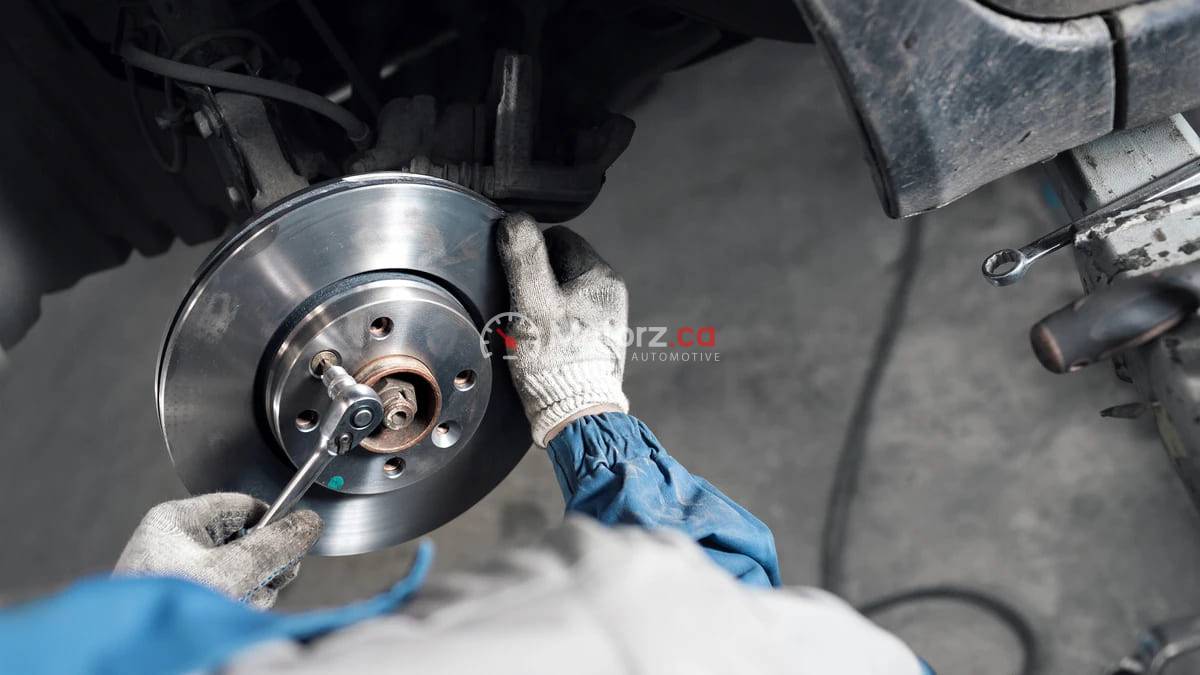


There is a unique sense of Master Your Driveway that comes from maintaining your own vehicle. For many car enthusiasts and budget-conscious drivers alike, the seasonal “tire swap” is a rite of passage. Whether you are switching from winter rubber to summer performance tires or simply rotating your set to extend their lifespan, having the right gear is the difference between a quick, professional-grade job and a weekend-ruining headache.
In 2026, DIY tools have become more ergonomic, powerful, and affordable than ever. You no longer need a commercial-grade pneumatic lift to get the job done right. With the following essential tools, you can transform your garage into a high-efficiency service bay.
The Foundation: Lifting and Supporting Master Your Driveway
Safety is the absolute priority when working on a car. The flimsy “scissor jack” that came in your trunk is designed for roadside emergencies, not for regular maintenance. For a home setup, you need stability.
Heavy-Duty Floor Jacks
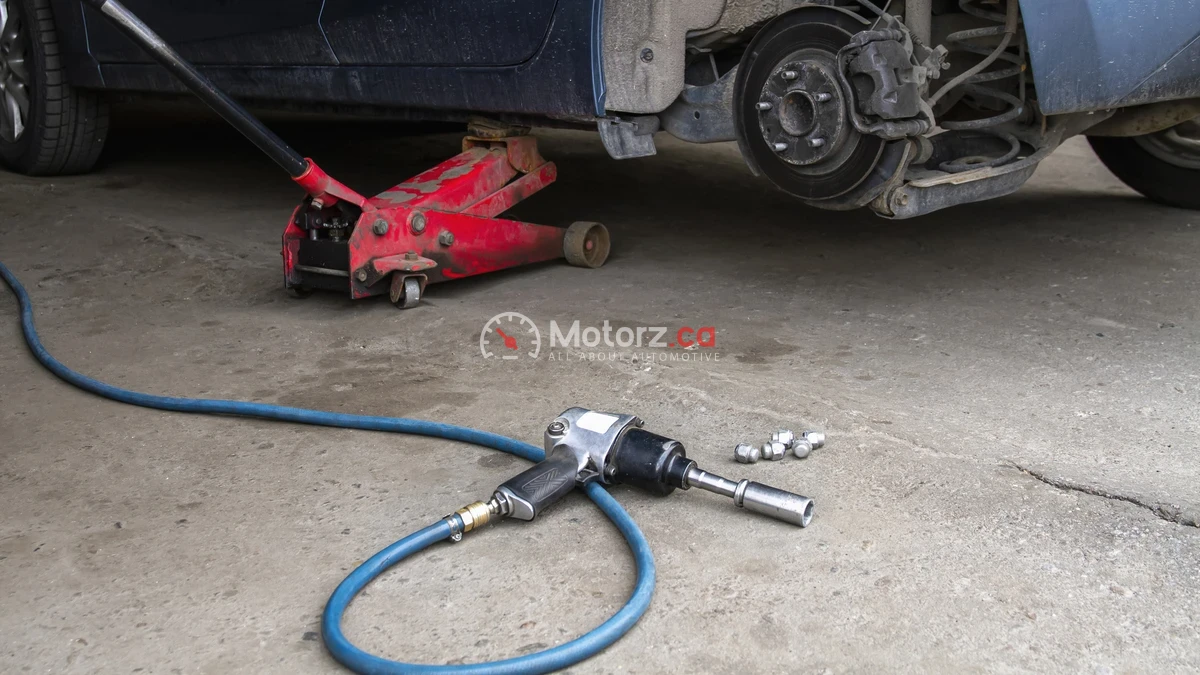
A high-quality hydraulic floor jack is your most important investment. Look for a low-profile, dual-pump model.
Low-Profile Design: Essential if you drive a sports car or a sedan with lowered suspension.
Dual-Pump Technology: This allows you to reach the vehicle’s lift point in just a few strokes, saving you physical effort.
Capacity: Ensure the jack is rated for at least two-thirds of your vehicle’s total weight. A 3-ton jack is the gold standard for most SUVs and trucks.
Reliable Jack Stands
Never work on a car supported only by a jack. Hydraulic seals can fail. Once the car is up, you must lower it onto jack stands.
Flat-Base Stands: These offer superior stability on concrete garage floors compared to older tripod styles.
Locking Pins: Modern stands often include a secondary locking pin to prevent the ratchet bar from slipping under load.
Power vs. Precision: Removing the Lug Nuts
Struggling with a manual lug wrench is the fastest way to lose interest in DIY repairs. Professional-grade speed is now accessible through battery-powered tech.
Cordless Impact Wrenches
In 2026, the cordless impact wrench is king. Top brands like Milwaukee, DeWalt, and Makita offer high-torque models that can “break” even the most stubborn, rusted lug nuts in seconds.
Brushless Motors: These provide more power and longer battery life.
Variable Speed: Allows you to start the nut slowly to avoid cross-threading.
The Reliable Breaker Bar
Even if you own an impact wrench, a 1/2-inch drive breaker bar (at least 24 inches long) is a mandatory backup. It provides the pure mechanical leverage needed to loosen over-tightened nuts without relying on battery power.
The Most Overlooked Tool: The Torque Wrench
This is where many DIYers make a critical mistake. Tightening lug nuts “by feel” can lead to warped brake rotors or, in extreme cases, a wheel falling off.
Why You Need a Torque Wrench
Every vehicle has a specific torque specification (measured in foot-pounds or Newton-meters). A click-style or digital torque wrench ensures that every nut is tightened exactly to the manufacturer’s requirement.
Precision: It prevents the over-stretching of wheel studs.
Consistency: It ensures even pressure across the wheel hub, which prevents vibration at high speeds.
Stability and Safety Accessories
Small tools often make the biggest difference in your workflow.
Wheel Chocks
Before you lift the car, you must “choke” the tires on the opposite end. Rubber wheel chocks are inexpensive and prevent the car from rolling or shifting while it is up on the jack stands.
Protective Lug Nut Sockets
If you have expensive alloy wheels, standard steel sockets can scratch the finish inside the lug holes. Invest in a set of thin-walled, non-marring sockets. These feature a plastic sleeve that protects your rims from “socket rash.”
Maintenance and Air Management
Once the tires are swapped, your job isn’t finished until the pressures are set.
Digital Tire Pressure Gauge
Discard the old “pencil-style” gauges. A high-quality digital gauge provides a readout accurate to 0.5 PSI, which is vital for modern Tire Pressure Monitoring Systems (TPMS).
Portable Tire Inflator
Instead of dragging a heavy air compressor around, many DIYers now use cordless tire inflators. These handheld devices allow you to set a target PSI, and the machine automatically shuts off when it reaches the desired pressure.
Ready for the Road
Equipping yourself with the best tools for DIY tire swaps is an investment that pays for itself within two or three seasons. Beyond the money saved on shop labor, you gain the peace of mind that comes from knowing the job was done with precision and care.
Remember to always consult your owner’s manual for the correct jacking points and torque settings. With a sturdy floor jack, a reliable torque wrench, and a bit of practice, you’ll be the master of your own maintenance.