



The Timeless Appeal of Restomodding
The Classic Style with Modern Performance world is a vast landscape, polarized by the purist’s pursuit of originality and the gearhead’s relentless desire for speed, handling, and modern convenience. Yet, there exists a perfect intersection, a sweet spot where the soul of a classic car meets the engineering marvels of today: the restomod.
The term “restomod” is a portmanteau of Classic Style with Modern Performance with Modern Performance. It’s an art form, a meticulous process of taking an iconic vehicle—a muscle car from the 60s, a stylish European cruiser from the 70s, or a vintage truck—and subtly, yet profoundly, upgrading its mechanical and electrical components. The objective is clear: to preserve the stunning, inimitable aesthetic that made the car a legend while inf transforming its performance, safety, and reliability to meet the expectations of 21st-century driving.
Unlike a pure restoration, which aims to return a Classic Style with Modern Performance to factory-original condition using period-correct parts, a restomod project is about evolution. It’s about creating a vehicle that is not just a museum piece, but a potent, comfortable, and supremely drivable machine. This fusion of old-school cool with new-school tech is more than a trend; it’s a permanent and beloved chapter in automotive culture.
The Core Philosophy: Why Restomod?
Why would an enthusiast choose to modify a precious classic, a decision often criticized by purists? The reasons are numerous, rooted deeply in the driving experience and practicality.
Modern Drivability and Reliability: Classic Style with Modern Performance are undeniably beautiful, but many were built with technology that is now decades old. Original engines often suffer from temperamental starting, poor fuel efficiency, and limited power. Restomods address this head-on, ensuring the vehicle can reliably handle daily commutes, long-distance cruises, or even track days without the constant anxiety of a breakdown.
Enhanced Safety Standards:
An unfortunate truth about vintage cars is their often-lacking safety features. Outdated braking systems, poor handling, and the absence of modern restraints (like three-point seatbelts or even airbags) are major concerns. A Classic Style with Modern Performance is an opportunity to integrate modern safety technology, including powerful disc brakes, robust chassis reinforcement, and vastly improved steering, turning a beautiful relic into a secure driver.
Unmatched Performance:
Let’s face it: while vintage power figures were impressive for their time, they pale in comparison to a modern performance engine. The restomod allows for a radical increase in horsepower and torque, coupled with the precision of a Classic Style with Modern Performance transmission, completely transforming the car’s acceleration and top speed.
Personalization and Comfort:
A restomod is the ultimate canvas for self-expression. It’s not just about what the factory built; it’s about what you want. From custom-stitched leather interiors to integrated modern climate control and subtle infotainment systems, the restomod is built for the Classic Style with Modern Performance, not just the show floor.
The Triumvirate of Transformation: Engine, Drivetrain, and Exhaust
The heart of any restomod is the complete overhaul of the powertrain. This is where the vehicle transitions from a classic to a high-performance modern marvel.
The Engine Swap: Power and Efficiency
The engine swap is arguably the most defining element of a restomod. Swapping out the original, often carbureted and heavy motor for a modern fuel-injected crate engine provides a seismic shift in performance and efficiency.
The LS Platform (Chevrolet/GM): The undisputed king of the restomod engine swap is the General Motors LS V8 Classic Style with Modern Performance. Known for its compact size, relative light weight, robust design, and massive aftermarket support, the LS engine (such as the popular LS3 or LS7) is a versatile powerhouse that fits into a huge variety of classic chassis, from muscle cars to European sports cars. It offers incredible power-to-weight ratios and bulletproof reliability.
The Coyote V8 (Ford): For the Blue Oval loyalists, the Ford Coyote 5.0L V8 is the modern equivalent, offering high-revving, naturally aspirated power and a distinctly modern muscle car sound, making it a favorite for restomod Mustangs and Fairlanes.
The Hellcat HEMI (Dodge/Mopar): For those seeking uncompromising, supercharged brute force, the Hellcat HEMI engine delivers over 700 horsepower straight out of the box, perfect for turning classic Chargers or Challengers into true street monsters.
Modern Transmissions:
A high-performance engine is only as good as the gearbox behind it. Modern transmissions, particularly 5- or 6-speed manuals (like the Tremec T-56) or 8-to-10-speed automatics, offer vastly improved gear ratios for better acceleration and higher overdrive gears for relaxed, fuel-efficient highway cruising—something original classics lacked Classic Style with Modern Performance.
The Symphony of Sound: Exhaust Systems:
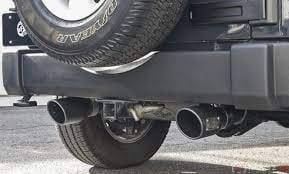
A modern high-performance exhaust system (often stainless steel headers and a full custom exhaust) is necessary to manage the increased volume of exhaust gas from a new engine. But just as important, it allows the restomod to truly sing. Tuned exhaust notes can be aggressive and visceral, giving the car a throaty, powerful voice that perfectly complements its aggressive, yet classic, stance.
Handling and Stopping: The Crucial Safety Upgrades
Power is nothing without control. The next critical phase of any restomod project focuses entirely on the chassis, suspension, and braking systems. Vintage vehicles often featured rudimentary leaf springs, solid axles, and terrifying drum brakes. Modern engineering provides the solution.
State-of-the-Art Suspension:
Upgrading the suspension is essential for improving handling, stability, and ride quality. Options include:
Independent Front Suspension (IFS) Conversions: Replacing the archaic front suspension setup with a modern, fully adjustable IFS system dramatically improves steering precision and ride comfort.
Coil-over Shocks: Adjustable coil-over shock absorbers (for both front and rear) allow the builder to fine-tune the damping and rebound Classic Style with Modern Performance, optimizing the car for anything from a smooth street cruise to aggressive cornering on a racetrack.
Four-Link or Torque Arm Rear Suspension: These systems replace the old leaf springs to better manage the massive torque of a modern engine, preventing axle hop and significantly improving traction and stability during hard acceleration.
Non-Negotiable Braking Power:
The single most important safety upgrade in a restomod is the braking system. A car that can go from 0 to 60 mph in four seconds must be able to stop just as quickly.
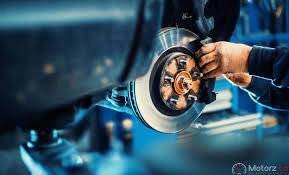
Four-Wheel Disc Brakes: Classic Style with Modern Performance all four drum brakes with modern performance disc brakes (often featuring large rotors and multi-piston calipers from brands like Wilwood or Baer) is a fundamental necessity.
Hydroboost or Vacuum-Assist: Modern power-assist systems are often required to manage the significantly increased braking force, providing a predictable and firm pedal feel that is a world apart from the vague, spongy feel of a vintage system.
Anti-lock Braking System (ABS) Integration: In high-end restomods, the ultimate safety enhancement is the subtle integration of a modern ABS system, preventing wheel lockup and maintaining steering control in emergency braking situations.
The Interior Fusion: Comfort Meets Classic Aesthetics
The interior of a restomod must honor the car’s heritage while delivering the comfort and technology that modern drivers expect. The challenge is seamless, subtle integration.
Seating and Upholstery:
The Classic Style with Modern Performance seats are often retained but completely rebuilt. High-density foam is used to replace old padding, providing firm, modern support. The upholstery is often replaced with high-quality premium leather or Alcantara, frequently featuring custom patterns, contrast stitching, and integrated lumbar support, all designed to look period-correct but feel like a modern luxury sports car.
Seamless Technology Integration:
The goal is to hide the tech in plain sight.
Retro-Look Infotainment: Modern head units with Bluetooth connectivity, navigation, and Apple CarPlay/Android Auto are often discreetly installed behind a classic-style radio faceplate, or integrated into a custom center console.
Modern Gauge Clusters: Original gauges are often replaced with modern, electronic instruments that look like the vintage originals but are powered by digital technology. This ensures accuracy and allows for modern features like digital displays for vital engine statistics, all while preserving the dashboard’s classic look.
Comfort Amenities: Essentials like modern, powerful climate control (AC/Heat), power windows, and central Classic Style with Modern Performance are seamlessly integrated using switches and controls that blend in with the original interior design. USB charging ports are often subtly hidden in the ashtray or center console.
The Exterior and Finishing Touches: Timeless Design, Modern Finish
The outside is the vehicle’s calling card—the promise of a classic with a twist. The restomod’s exterior changes are usually the most subtle, focusing on refinement rather than radical change.
Paint and Bodywork:
This stage demands perfection. The body is stripped to bare Classic Style with Modern Performance, any imperfections are meticulously corrected, and the shell is painted with multiple layers of high-quality modern paint. The colors often echo the original palette but with the deep luster and clarity only achievable with modern finishing techniques.
Modern Lighting:
The classic lighting system is updated for safety and Classic Style with Modern Performance. LED headlights (often custom-fitted into original housings to maintain the classic look), sequential LED taillights, and modern, brighter turn signals are common upgrades. This vastly improves night driving safety without sacrificing the car’s iconic appearance.
Wheels and Stance:
The final aesthetic element is the wheel choice and the Classic Style with Modern Performance stance. Restomods typically run larger-diameter, wider wheels and tires than the original factory issue. The wheels themselves often take inspiration from the original factory designs but are executed in lighter, modern alloys. Coupled with the adjustable suspension, the car is often given an aggressive, lowered, and perfectly balanced stance—a visual cue that signals its modern performance pedigree.
The Emotional Investment: Beyond the Build
A restomod is far more than the sum of its Classic Style with Modern Performance; it is a profound emotional investment. It represents countless hours of planning, sourcing, fabrication, and assembly. This process is a labor of love that merges a personal vision with automotive history.
For the driver, the result is a truly singular experience: the opportunity to slide behind a familiar, beloved dashboard, grip a steering wheel connected to a responsive rack-and-pinion system, and fire up a powerful, reliable modern engine. It is the ability to Classic Style with Modern Performance a piece of history at modern speeds, with modern comfort, and without the fear of compromising its beauty.