

The open road promises Blind Spot Monitoring, but it also carries risk. Few moments in driving are as universally dreaded as the lane change. That quick head-turn, the momentary doubt—is there a car lurking just out of view? This perennial problem is precisely why the humble Blind Spot Monitor (BSM) has evolved from a simple warning light to a sophisticated, life-saving system.
For years, BSM was a welcome convenience, a flickering icon in a side mirror. But in 2026, this technology has undergone a profound, mandatory revolution. Driven by stricter testing protocols from organizations like the National Highway Traffic Safety Administration (NHTSA) and Euro NCAP, and demanding new criteria for prestigious awards like the IIHS TOP SAFETY PICK+, a basic warning is no longer enough. The mandate is clear: intervention is the new standard.
The safest new cars of 2026 aren’t just telling you about a threat; they are actively helping you avoid it. They feature integrated radar and camera Blind Spot Monitoring that don’t just detect a vehicle but can apply gentle steering correction or selective braking to pull you back into your lane. This shift from “Blind Spot Warning” to “Blind-Spot Collision Avoidance Assist” is the most significant safety upgrade of the model year, directly impacting accident statistics and offering an unprecedented level of driver confidence.
We have scoured the automotive landscape to find the vehicles that have taken this mandate to heart, showcasing the absolute pinnacle of driver-assistance Blind Spot Monitoring. Here are the five safest new cars of 2026, where the blind spot is becoming a relic of the past.
The Technology Driving the Change: Blind Spot Monitoring
Understanding the leap in automotive safety for 2026 requires a deeper look at the tech under the hood. The new generation of BSM systems is defined by two key advancements: better sensor technology and active collision avoidance.
The Power of Advanced Radar
The foundation of any superior blind spot system is its sensory input. Older, more basic BSM often used lower-frequency 24GHz radar. The new wave, particularly in premium and advanced mainstream models, utilizes high-frequency 77GHz radar.
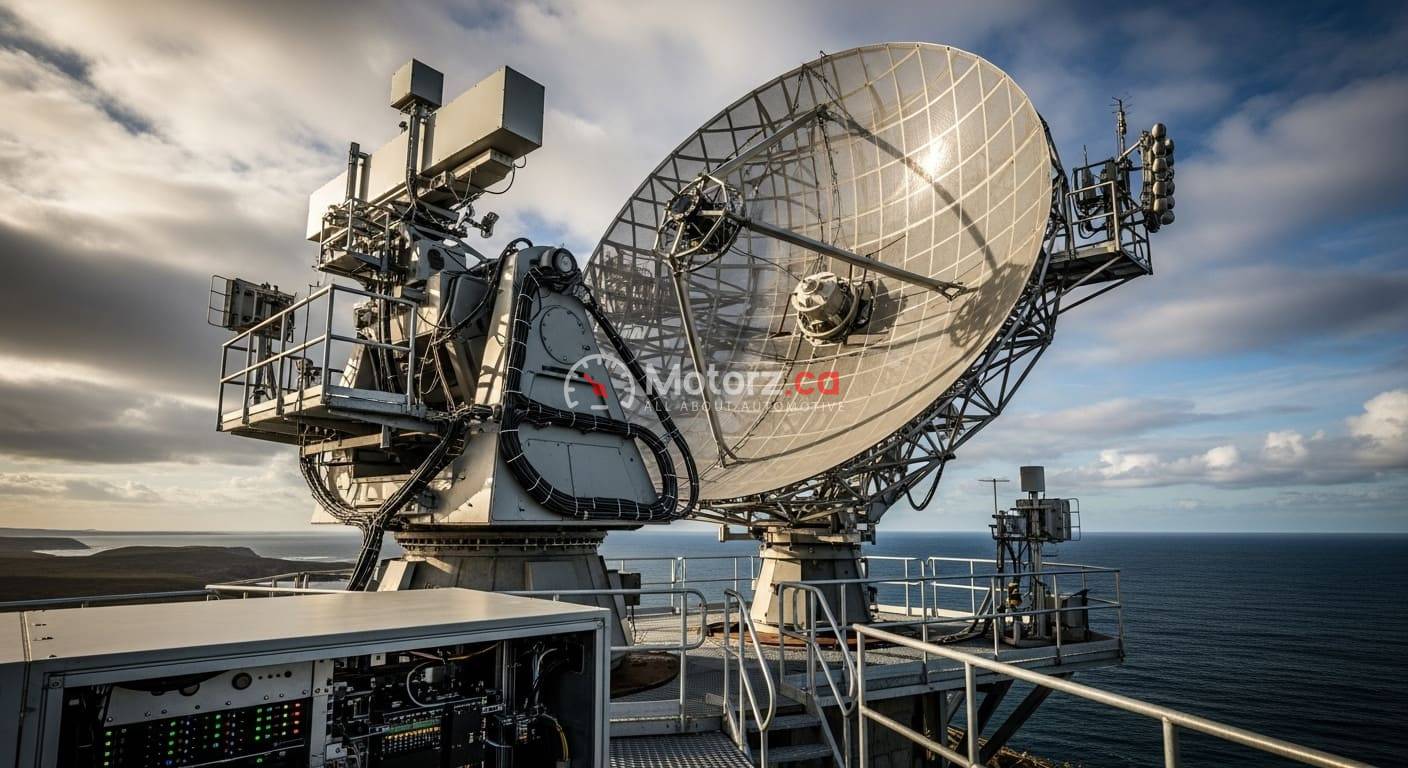
Improved Accuracy: 77GHz radar is dramatically better at distinguishing between a genuine threat (a rapidly approaching car) and benign stationary objects (a guardrail or a signpost). This leads to a massive reduction in frustrating false alerts.
Wider Coverage and Range: The new radar boasts a longer detection range, crucial for high-speed highway merging. The system can now alert you to vehicles that are fast-approaching from two lanes over, effectively widening your protective sphere.
All-Weather Performance: The higher frequency is less susceptible to interference from heavy rain, snow, or fog, ensuring the system remains a reliable driver-assistance tool in harsh conditions.
Blind Spot Collision Avoidance Assist
The true game-changer is the ability to intervene. Blind-Spot Collision Avoidance Assist (BCA) is the term many manufacturers use for this feature. If you ignore the visual and audible warnings and attempt a lane change with a vehicle in your blind spot, the system works with the vehicle’s electronic stability and steering controls to:
Apply Selective Braking: Applying braking to the wheels on one side of the car can gently nudge the vehicle back toward the center of its current lane.
Provide Steering Input: The system can provide a small, immediate steering correction to counteract the driver’s input toward the occupied lane.
This layer of active protection is what separates a Blind Spot Warning (BSW) from a true Collision Avoidance System. It acts as a digital co-pilot, ready to step in during that critical half-second of distraction or misjudgment.
The 5 Safest New Cars of 2026 with Superior BSM
The vehicles below have been recognized for making advanced, intervention-level BSM or BCA systems either standard equipment or highly available across their trim lines, a strong indicator of their dedication to next-generation vehicle safety.
The 2026 Toyota Corolla: The Democratization of Safety
The 2026 Toyota Corolla secures its place by making a monumental shift in its safety features: it has made Blind Spot Monitor with Rear Cross-Traffic Alert (RCTA) standard across all grades. This move single-handedly democratizes advanced safety, bringing premium-level protection to the compact sedan segment.
The Corolla’s Safety Blueprint
Core Feature: Standard BSM with RCTA. In a compact car popular with young drivers, commuters, and families, making BSM universal is a huge step in collision prevention.
The Total Package: The Corolla comes equipped with the latest Toyota Safety Sense suite, which includes Lane Departure Alert with Steering Assist and Lane Tracing Assist. While the BSM is primarily a warning system in the Corolla’s standard form, its seamless integration with the lane assist functions provides a powerful, multi-layered defense.
Real-World Impact: By eliminating BSM as an optional extra, Toyota ensures that one of the most common types of accidents—side swipes during lane changes—is addressed in every vehicle they sell, boosting overall road driver confidence.
The simplicity and universal availability of this protection in an affordable, high-volume model is why the 2026 Corolla is a benchmark for road safety in the new model year.
The 2026 Kia Seltos: Small SUV, Big Protection
The compact SUV segment demands high safety standards, and the 2026 Kia Seltos delivers with a suite focused on active intervention. The Seltos is a standout for offering Blind-spot Collision Avoidance Assist (BCA) as a key feature, elevating its driver-assistance systems beyond mere alerts.
The Seltos’s Active Avoidance
Core Feature: Blind-spot Collision Avoidance Assist (BCA). This system goes beyond the traditional warning light. If the driver begins to signal and steer into an occupied lane, the BCA can apply selective braking to the wheels on the opposite side, physically guiding the vehicle back into its original lane.
Complementary System: The Seltos also features Rear Cross-Traffic Collision-Avoidance Assist. When reversing, if an approaching vehicle is detected, the system alerts the driver and is capable of automatically applying the brakes to prevent a collision. This is invaluable in busy parking lots.
Segment Leader: In the highly competitive compact SUV class, making a fully active, intervention-based BSM a central part of its offering secures the Seltos’s place as a leader in preventive safety technology.
For buyers looking for a small footprint but uncompromising crash-prevention technology, the Seltos represents a high-value safety proposition.
The 2026 Hyundai PALISADE: Three Rows of Vision
The full-size SUV segment, often ferrying multiple passengers, has an inherent need for maximum visibility. The 2026 Hyundai PALISADE meets this challenge not just with advanced radar but with an additional, integrated camera system: the Blind View Monitor (BVM).
The PALISADE’s Comprehensive View
Core Feature: Blind-Spot Collision Avoidance Assist (BCA) and the innovative Blind View Monitor (BVM).
BVM in Action: When the driver signals a lane change, the BVM activates a camera mounted on that side of the vehicle, projecting a live video feed of the blind spot directly onto the digital instrument cluster. This visual verification complements the radar-based BCA system.
Tiered Protection: The PALISADE starts with a standard Blind-Spot Collision Warning (BCW) and makes the full-intervention BCA available. This tiered approach, combined with the driver’s ability to visually confirm the blind spot via the BVM, provides one of the most robust and reassuring systems on the market.
Integrated Safety: As a top-tier family SUV, the PALISADE’s overall safety suite, Hyundai SmartSense, also includes features like Safe Exit Assist, which prevents a rear passenger from opening a door into oncoming traffic—a key family safety feature often overlooked.
The PALISADE’s blend of radar-based avoidance and camera-based visual confirmation sets a new standard for visibility in larger new vehicles.
The 2026 Genesis GV70: Luxury Safety Reinvented
As a key player in the luxury crossover space, the 2026 Genesis GV70 is expected to build on its consistent IIHS TOP SAFETY PICK+ credentials by integrating the most sophisticated iteration of Blind-Spot Collision Avoidance Assist and related ADAS systems. For 2026, its focus is on intelligent, almost invisible intervention.
The Genesis Difference: Seamless Assistance
Core Feature: Highly advanced Blind-Spot Collision Avoidance Assist (BCA) and Blind-Spot View Monitor (BVM).
Refinement of Intervention: In luxury vehicles, the system’s operation is designed to be seamless. The steering or braking intervention is often subtle, feeling more like a gentle, corrective force than a sudden, harsh correction. This refinement ensures the driver is kept safe without being alarmed.
Highway Driving Assistant (HDA): The GV70’s BSM is deeply integrated with its optional Highway Driving Assistant, a semi-autonomous driving feature. When HDA is active, the system can perform hands-free lane changes when prompted by the turn signal, assuming the blind spot is clear. If it is not clear, the system simply refuses to execute the maneuver.
Prestige of Protection: Receiving top marks in both crash-worthiness and crash-prevention—a requirement for the highest safety awards—the GV70’s engineering and comprehensive active safety features showcase the pinnacle of premium car safety for 2026.
The GV70 proves that advanced driver assistance systems (ADAS) can be both life-saving and luxuriously integrated.
The 2026 Honda CR-V: Information and Integration
A perennial favorite in the compact SUV segment, the 2026 Honda CR-V continues its commitment to safe driving by making the Blind Spot Information (BSI) System a key standard feature on all but the base trims. Honda’s approach is defined by its comprehensive, well-calibrated suite of Honda Sensing technologies.
The CR-V’s Intelligent System
Core Feature: Blind Spot Information (BSI) System with RCTA. Honda’s BSI is known for its reliability and excellent calibration, minimizing false positives.
Extended Detection Zone: The CR-V’s system features an adaptive detection zone. While initial alerts cover the immediate adjacent lanes, the system adapts on straight roads to extend the alert zone significantly (up to 82 feet behind the vehicle), helping drivers detect fast-approaching cars from further back—a feature made possible by advanced radar.
Integration with Lane Keeping: The BSI works alongside the standard Lane Keeping Assist System (LKAS). Although primarily a warning system, the combined effect of BSI alerts and LKAS gently nudging the vehicle back toward the center line if it drifts provides a very high level of lane safety.
High Value, High Safety: By making BSI standard on its most popular trims, Honda ensures that the majority of CR-V owners benefit from this crucial layer of collision avoidance, cementing its status as a consistently safe and reliable new car purchase.
The 2026 CR-V is the definitive choice for the driver seeking a reliable, high-performing SUV where BSM and other ADAS features are seamlessly woven into the everyday driving experience.