


The Thrill and The Risk: The Hunt for Your Dream Car
There’s nothing quite like the feeling of finding that perfect used performance car. The sleek lines, the promise of exhilarating acceleration, and the roar of a powerful engine can make you forget all caution. But buying a used performance vehicle in Car in Ontario is a high-stakes game. These cars have often been driven hard, modified, and sometimes neglected. Without a meticulous inspection and a keen eye for red flags, your dream machine can quickly turn into a financial nightmare.
This blog post is your ultimate checklist for buying a used performance car in Ontario. We’ll go beyond the basics of a typical used car inspection and focus on the specific mechanical and legal aspects that are critical for a high-performance vehicle. We’ll show you what to look for, what questions to ask, and why a pre-purchase inspection from a trusted mechanic is non-negotiable.
The Preliminary Investigation: Due Diligence is Key
Before you even think about setting up a test Car in Ontario, you need to do your homework. This preliminary investigation will help you weed out the obvious bad deals and save you a lot of time and effort.
The Vehicle History Car in Ontario: Your First Line of Defense
A vehicle history report from a reputable source like Car Fax is essential. It provides a detailed look into the car’s past, including:
Accident History: This is a major red flag for a performance Car in Ontario. An accident, especially a major one, can compromise the vehicle’s structural integrity. Even if it was repaired, the quality of the repair is a huge variable.
Service and Maintenance Records: This is arguably the most important piece of information for a performance car. A well-maintained vehicle is a sign of a responsible owner. Look for regular oil changes (especially if it’s a car that requires premium oil), a clean history of fluid flushes, and scheduled maintenance.
Ownership History: Too many Car in Ontario in a short period could indicate a problematic car that previous owners were eager to offload.
Lien Status: The report will tell you if there are any outstanding liens on the vehicle, which is crucial for a private sale.
The Ontario-Specific Used Vehicle Information Package (UVIP)
In Ontario, a private seller is legally required to provide a Used Vehicle Information Package (UVIP) to the buyer. This package is an official document from the Ministry of Transportation and contains vital information, including:
Registration History: Lists every registered owner in Car in Ontario and the city they live in.
Odometer Reading: Shows the mileage at each registration, helping you spot potential odometer fraud.
Lien Information: A legally binding document that states if there are any outstanding liens on the vehicle.
Last Known Condition: Indicates if the vehicle was last registered as “unfit” or “wrecked.”
Don’t buy a car from a private seller in Car in Ontario without a UVIP. It’s a mandatory document that provides a crucial layer of protection.
The Walkaround Inspection: A Critical Eye for Detail
With the paperwork in hand and looking good, it’s time for the physical inspection. Approach this like a detective, looking for clues that can reveal the Car in Ontario true history.
Exterior and Body Panel Inspection
Paint and Panel Alignment: Mismatched paint colours or misaligned body panels are a strong indicator of prior accident repair. Look at the gaps between the doors, hood, and fenders. If the gaps are inconsistent, the car has likely been in a fender bender or worse.
Rust and Corrosion: Car in Ontario road salt is a car’s worst enemy. Get on your hands and knees and inspect the wheel arches, rocker panels, and the undercarriage for any signs of rust. Surface rust can be repaired, but if the frame has serious corrosion, walk away.
Aftermarket Modifications: Performance cars are often modified. While some mods are fine, others can indicate a car that has been driven hard. Look for aftermarket exhaust systems, lowered suspension, or non-factory wheels. Ask the owner if the car has been tuned or had engine work done.
Interior and Electronics Check
Excessive Wear: Heavily worn seats, a shiny steering wheel, or worn pedals could indicate a car with higher mileage than the odometer suggests.
Dashboard Warning Lights: Before you start the Car in Ontario, turn the key to the “on” position without starting the engine. All the warning lights on the dashboard should illuminate and then go off after a few seconds. If any lights (like the “check engine” light) stay on or don’t light up at all, it could mean a problem the seller is trying to hide. A professional scanner is your best friend here.
Electronics Functionality: Test every single button, switch, and electronic component. This includes the windows, mirrors, radio, navigation, and especially the air conditioning and heating, which can be costly to repair.
The Mechanical Deep Dive: Getting Under the Hood
This is where you go from a casual observer to a serious buyer. The engine and its related components are the heart of a performance car, and this is where you need to be most vigilant.
Engine and Powertrain
Check for Leaks: With a flashlight, look for any signs of oil, coolant, or other fluid leaks. Check the engine block, transmission housing, and around all seals and gaskets.
Fluid Condition: Check the engine oil, coolant, and transmission fluid levels and condition. The oil should not be milky (a sign of a head gasket issue), and the coolant should be clean, not rusty.
Exhaust and Engine Noises: Start the engine and listen carefully. A healthy engine should start smoothly and idle quietly. Listen for any unusual noises like ticking, knocking, or a rough idle. During the test drive, listen for any grinding noises from the transmission, especially on a manual.
Engine Bay Inspection: Check for any signs of poor wiring, cracked belts, or loose hoses. A clean engine bay is a good sign, but a spotless one could be a red flag, as it might have been cleaned to hide leaks.
Suspension, Brakes, and Tires
Tire Condition: Check the tread depth and wear pattern. Uneven wear could indicate an alignment issue or a worn suspension component.
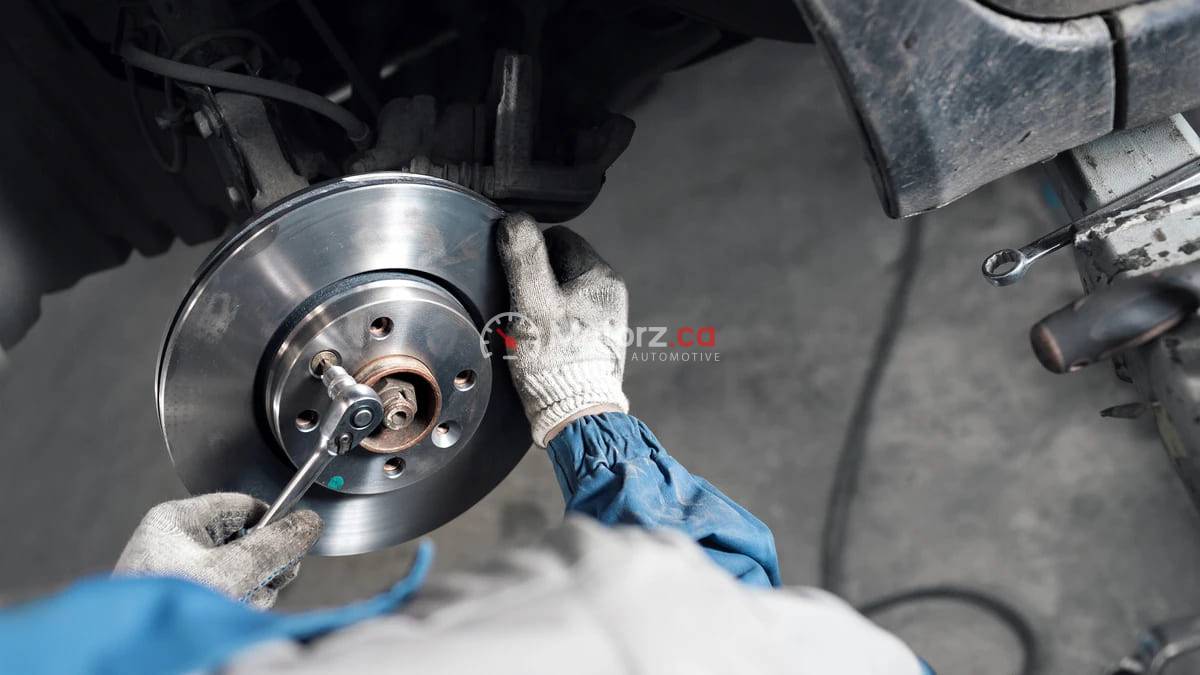
Brakes: Feel the brake pedal. It should feel firm, not Car in Ontario. Listen for any grinding noises when you apply the brakes, which could mean worn pads or rotors.
Suspension: During the test Car in Ontario, listen for any clunking, rattling, or squeaking noises from the suspension. Find a safe place to go over a bump and pay attention to how the car reacts. It should settle quickly and not bounce excessively.
The Pre-Purchase Inspection (PPI): Your Best Investment
No matter how confident you are, a pre-purchase inspection by a reputable, independent mechanic is the single most important step you can take.
Why a PPI is Non-Negotiable
Unbiased Opinion: The mechanic is working for you, not the seller. Their goal is to find every single potential problem with the car.
Expertise: A skilled mechanic, Car in Ontario one who specializes in the make and model you are looking at, knows the common issues and red flags. They can spot things a layperson would never see, from minor leaks to a compromised chassis.
Negotiating Power: A PPI Car in Ontario can give you powerful leverage to negotiate a lower price. If the mechanic finds a problem, you can use that to ask for a discount or for the seller to fix the issue.
Finding the Right Mechanic for a PPI in Ontario
Look for a mechanic with a strong reputation in the enthusiast Car in Ontario. Ask for recommendations on forums or social media groups dedicated to your specific vehicle. A good mechanic will have a specific checklist for a PPI and will be happy to walk you through their findings. Some reputable shops in the Toronto and GTA area, often specializing in specific brands, include R-Tec Auto Group (German cars), NV Auto (Japanese imports), and other independent performance shops.