
For years, the City Lights around electric vehicles (EVs) has been strictly urban. We picture them zipping through downtown traffic or plugged into sleek charging hubs in high-rise parking garages. But what if your “daily drive” involves gravel roads, distant neighbors, and the nearest grocery store being a thirty-minute trek away?
In 2026, the question of whether you can live in the country with an EV has shifted from “Is it possible?” to “How do I optimize it?” With the average range of new electric cars now comfortably exceeding 480 kilometers and rural charging infrastructure receiving record levels of government investment, the rural EV lifestyle isn’t just a dream—for many, it’s actually more practical than owning a gas car.
This troubleshooter guide explores the unique challenges and surprising advantages of going electric when you live off the beaten path.
The Myth of the City Lights
The most significant hurdle for rural electric vehicles adoption is range anxiety. If you live 50 kilometers from the nearest town, the fear of being stranded with a dead battery is real. However, the reality of rural charging is often the opposite of what people expect.
Your Home is Your Gas Station
Unlike city dwellers who often rely on public street chargers, country residents typically have a massive advantage: space and private power.
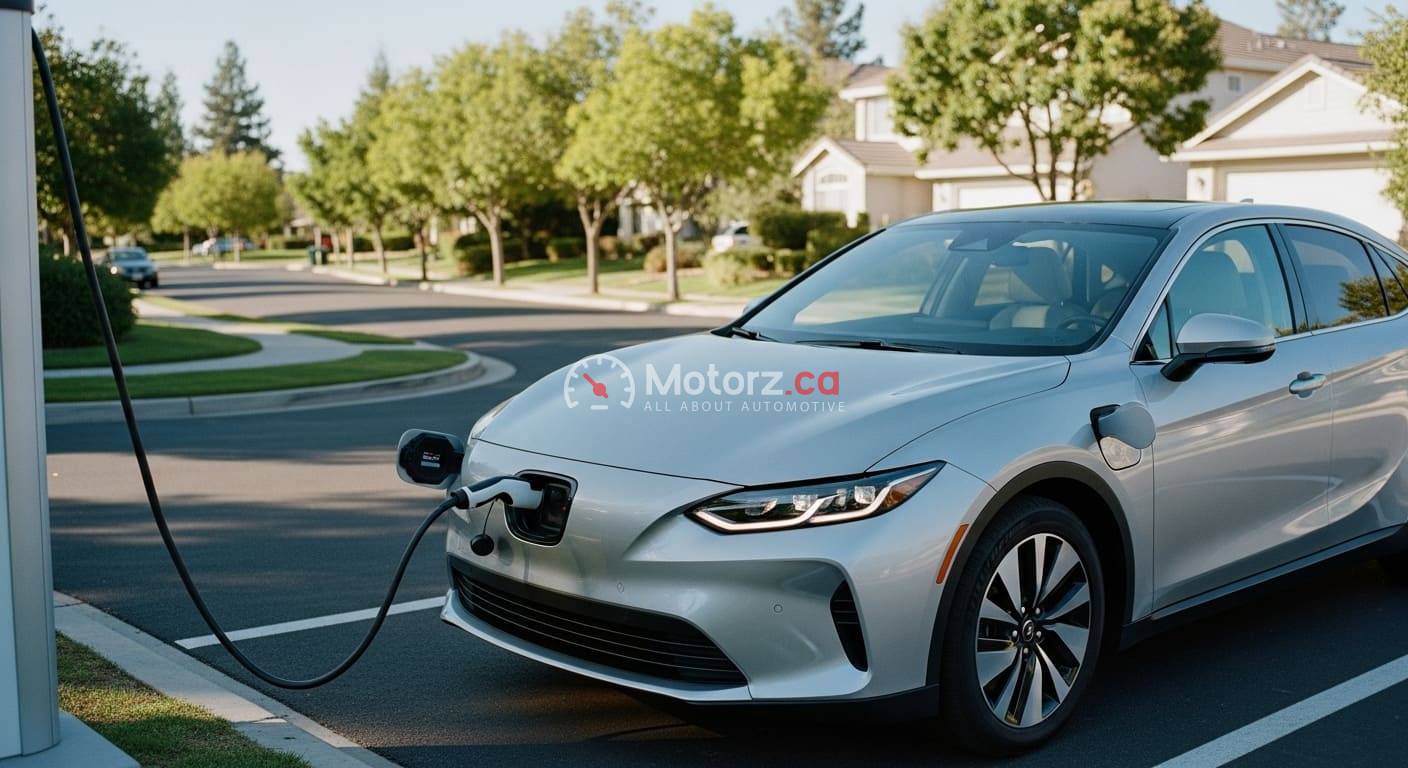
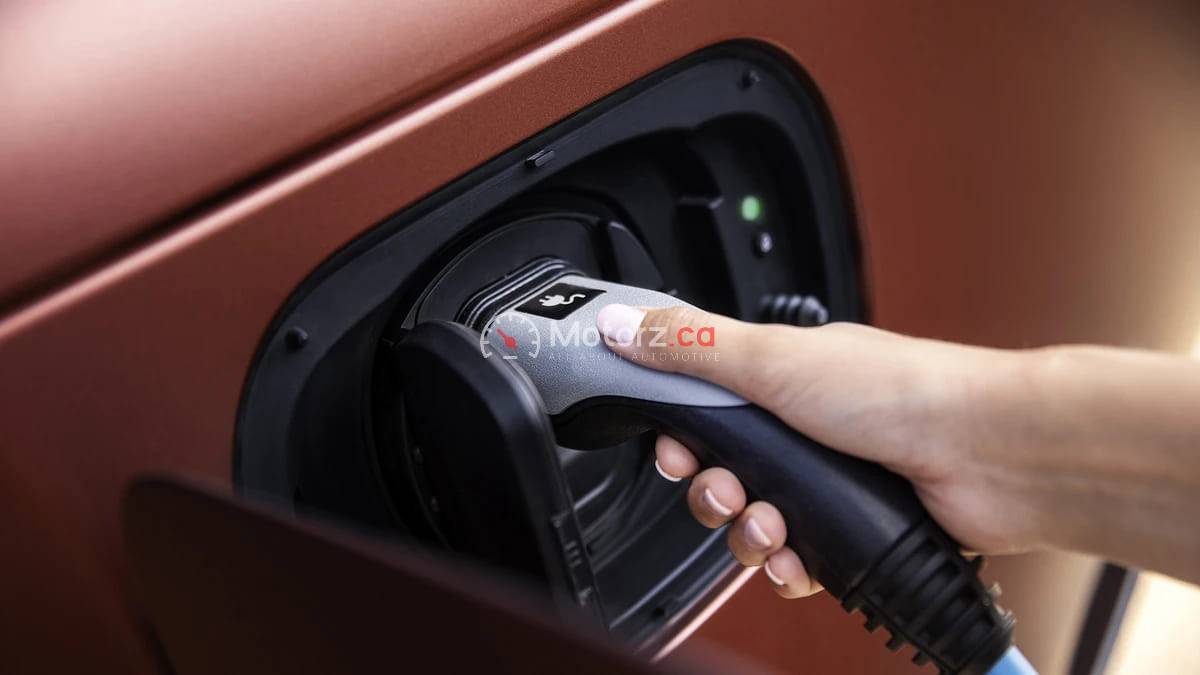
Level 2 Home Charging: Almost every rural home has the electrical capacity to install a 240-volt Level 2 charger. This allows you to “refuel” while you sleep. Imagine waking up every single morning with a “full tank” of 500 kilometers.
The “Cheat Code” (Solar): Rural properties often have the roof space or acreage for solar panels. In 2026, many country EV owners are effectively driving for free by charging their cars directly from their own sun-powered microgrids.
Expanding Rural Infrastructure
In 2026, “Rural Charging Hubs” are popping up at community centers, rural post offices, and roadside attractions. Governments have realized that to meet zero-emission targets, the “bitty” nature of rural charging must be addressed. Programs like the Local Electric Vehicle Infrastructure (LEVI) fund are specifically targeting these remote gaps.
Distance, Not Time: The Rural Driving Reality
One of the best pieces of advice for rural EV owners is to stop thinking in terms of time and start thinking in terms of distance.
Knowing Your True Daily Needs
The average rural resident drives about 15 to 20 kilometers more per day than an urban resident. Even with this “rural tax,” the total daily mileage rarely exceeds 100 kilometers.
The Math: If your EV has a 500-kilometer range, you can drive your daily rural commute for five days straight without ever plugging in.
Regenerative Braking on Hills: If you live in a hilly or mountainous area, your EV will actually “make” energy as you descend, recapturing up to 70 percent of the energy that would have been lost as heat in a traditional gas car.
The Winter Factor: Cold Weather in the Country
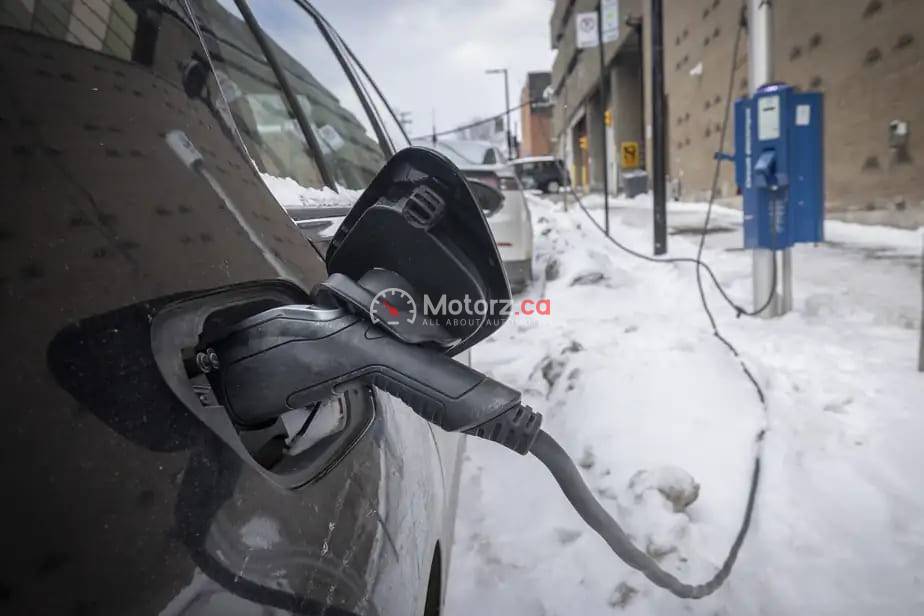
Country living often means harsher winters, and it is no secret that batteries dislike the cold. In freezing temperatures, an EV can lose 20 to 30 percent of its range.
Modern Solutions: Heat Pumps and Preconditioning
By 2026, most new EVs come standard with heat pumps, which are far more efficient at warming the cabin than older resistive heaters.
Preconditioning: This is the “secret weapon” for country winters. While your car is still plugged into your home charger, you can use an app to warm the battery and the cabin. This uses grid power instead of battery power, ensuring you leave your driveway with a warm car and a 100 percent charge.
Targeted Heat: Using heated seats and a heated steering wheel consumes significantly less energy than heating the entire cabin air, allowing you to stretch your range on those -20 morning drives.
Maintenance and Reliability in Remote Areas
In the country, a vehicle breakdown isn’t just an inconvenience; it can be a safety issue. This is where the mechanical simplicity of an EV shines.
Fewer Moving Parts
A traditional internal combustion engine has hundreds of moving parts—valves, spark plugs, timing belts, and exhaust systems—all of which can fail. An EV motor has about twenty.
No “Cold Start” Issues: EVs don’t have engine oil that thickens in the cold or spark plugs that foul. They “start” instantly, every time, regardless of the temperature.
The “Repair Desert” Risk: The one downside is that if something does go wrong, your local small-town mechanic might not be certified to handle high-voltage systems yet. In 2026, this is improving, but you may still need to tow the vehicle to a larger center for major electronic repairs.
The Verdict on Country EV Living
Can you live in the country with an EV? Absolutely. In many ways, the “rural lifestyle” is the perfect use case for electric mobility. Between the ability to charge at home, the massive fuel savings for long-distance commuters, and the reliability of electric motors in the cold, the pros heavily outweigh the cons.
As we move through 2026, the arrival of electric trucks with bi-directional charging means your car can even act as a backup generator for your farmhouse during a storm. If you have a driveway and a plug, you are already halfway to a gas-free life in the country.