




The Canadian Auto Crunch market is undergoing a fundamental shift. Faced with a relentless surge in the price of new and used vehicles, soaring interest rates, and lingering supply chain uncertainty, Canadians are now keeping their vehicles longer than ever before. The average age of a vehicle on Canadian roads has climbed to over 10.5 years, a testament to modern durability, but also a reflection of economic necessity.
While holding onto a well-loved vehicle can save tens of thousands in loan payments and depreciation, it comes with a hidden financial consequence: a dramatic increase in the frequency and cost of unexpected repairs. Data from industry leaders confirms that as the fleet ages, the average price of a service visit to a dealership is rising sharply, often exceeding 500 per visit.
This comprehensive analysis dives into the macroeconomic forces driving the average Canadian car age upward, and more critically, dissects the five primary factors that are causing the cost of necessary auto repairs to explode across the country. Understanding this dynamic is essential for any Canadian driver seeking to master the true, long-term cost of vehicle ownership.
The Economic Reality Canadian Auto Crunch
The decision to keep a vehicle for over a decade is no longer just about sentimentality; it’s a pragmatic financial response to a turbulent market.
The Escalation of New Vehicle Costs
The primary factor pushing Canadians to delay replacement is the simple, unaffordable price tag of new cars.
Record Pricing: The average selling price of a new vehicle in Canada has soared to unprecedented levels. This sticker shock, combined with high interest rates (with average APRs softening slightly but remaining high), makes the monthly payment on a new vehicle prohibitively expensive for many households.
The Debt Cycle: With the average vehicle loan term stretching longer (often approaching eight years), many consumers are electing to keep their current vehicle for several years after the loan is paid off. Enjoying a few years without a car payment outweighs the risk of moderate repair costs.
The Impact of Vehicle Exports to the US Market
A unique factor influencing the Canadian vehicle fleet is the outflow of younger, low-mileage vehicles to the United States.
Exchange Rate Dynamics: When the Canadian dollar is weaker relative to the US dollar, American importers find Canadian used vehicles attractively priced.
Targeting the “Sweet Spot”: US buyers often target vehicles that are just entering the age range (typically four to seven years old) that is the most lucrative for the Canadian aftermarket repair industry. This selective export removes the youngest, most repairable used vehicles from the Canadian market, further contributing to the upward aging of the remaining domestic fleet.
The Aftermarket Squeeze: As the pool of prime repair opportunities diminishes, repair shops are increasingly focused on servicing the older, more complex, and more costly end-of-life vehicles, shifting the overall cost structure of the repair market.
The Repair Cost Crisis: Why Repair Bills Are Exploding
As the average vehicle age on Canadian roads surpasses 10.5 years, the frequency of unscheduled, major repairs rises exponentially. Simultaneously, the cost of executing these repairs is soaring due to a complex confluence of economic and technological pressures.
Inflation and Supply Chain Pressures
Inflation is the unavoidable macro-driver affecting the cost of every part and service.
Parts Pricing: The cost of raw materials (steel, aluminum, resins) and global logistics have increased the price of replacement parts. Because many specialized vehicle components are imported, the fluctuating Canadian-US exchange rate often imposes an additional premium on foreign-made auto parts.
Dealer vs. Aftermarket Costs: The average cost per visit at a dealership service center has risen significantly, showcasing a steeper increase than independent aftermarket shops. Latest data shows the average cost of a dealership visit is considerably higher than an aftermarket shop visit, though dealers retain market share for complex repairs due to perceived trust and access to proprietary equipment.
The Technological Complexity Trap
Modern vehicles are safer and more efficient, but their complexity makes repairs dramatically more expensive.
ADAS System Repair: Advanced Driver-Assistance Systems (ADAS), which include sensors, cameras, and radar for features like lane-keeping assist and adaptive cruise control, are standard on new cars. A simple bumper replacement can now require the precise calibration of these sensitive sensors, often demanding specialized tools and computer software only available at a dealership.
Complexity of Diagnosis: The increasing use of electronics means simple failures can be masked by complex diagnostic codes, leading to higher labor costs simply to identify the failing component, particularly in vehicles that are reaching the end of their technological life.
EV/Hybrid Learning Curve: The introduction of Electric Vehicles (EVs) and Hybrids adds a new tier of expense. While EVs boast lower routine maintenance, their components—especially battery thermal management systems or high-voltage battery pack replacements—carry massive repair costs that quickly offset any savings.
Specialized Labor and the Skilled Technician Shortage
The human element of auto repair is becoming more specialized and more expensive.
Higher Wages: The need for technicians to be trained on complex computer diagnostics, advanced materials (like high-strength steel and aluminum), and specialized systems (e.g., hybrid drivetrains) commands higher wages. This increasing labor cost is directly passed on to the Canadian consumer.
The Skills Gap: An ongoing shortage of skilled automotive technicians across Canada means that shops must charge more for their labor to attract and retain qualified staff. This labor shortage exacerbates repair times, leading to increased vehicle downtime for owners.
Severe Canadian Climate Conditions
The unique environmental challenges across Canada lead to accelerated wear and specific repair requirements.
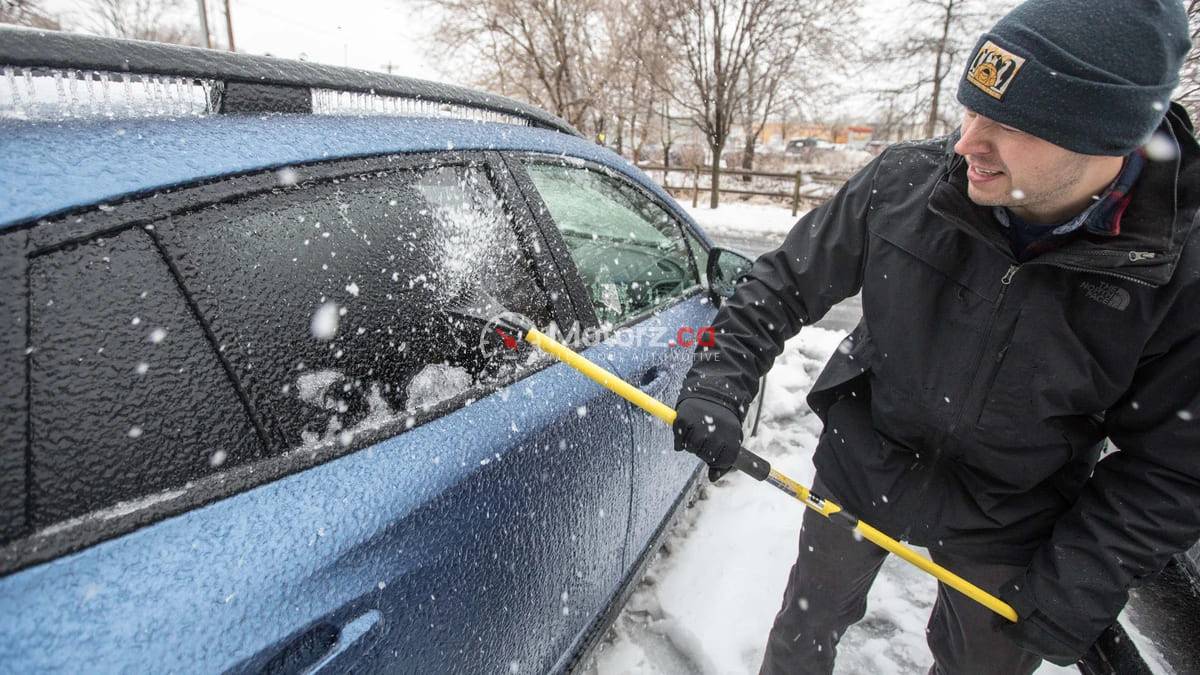
Road Salt Damage: The heavy use of salt and chemical de-icers during long, harsh winters accelerates rust and corrosion on vehicle underbodies, brake lines, and electrical connections. These environment-driven failures lead to costly repairs that are less common in warmer climates.
Extreme Cold Stress: Canadian winters put extreme stress on batteries, belts, hoses, and suspension components, increasing the frequency of failures like unexpected battery death and cracked rubber components.
Strategies for Canadians to Minimize Soaring Repair Costs
For Canadians committed to keeping their vehicles longer than the average lifespan, adopting a proactive maintenance strategy is the only way to manage the financial risks.
The Power of Preventative Maintenance
Shifting focus from reactive repairs (fixing a component after it fails) to preventative maintenance (servicing a component before it fails) is crucial for older vehicles.
Strict Fluid Regimen: Do not extend oil change intervals past the recommended mileage. Critically, ensure transmission, brake, and coolant flushes are performed on time. Fresh fluids are the lifeblood of older, high-mileage components.
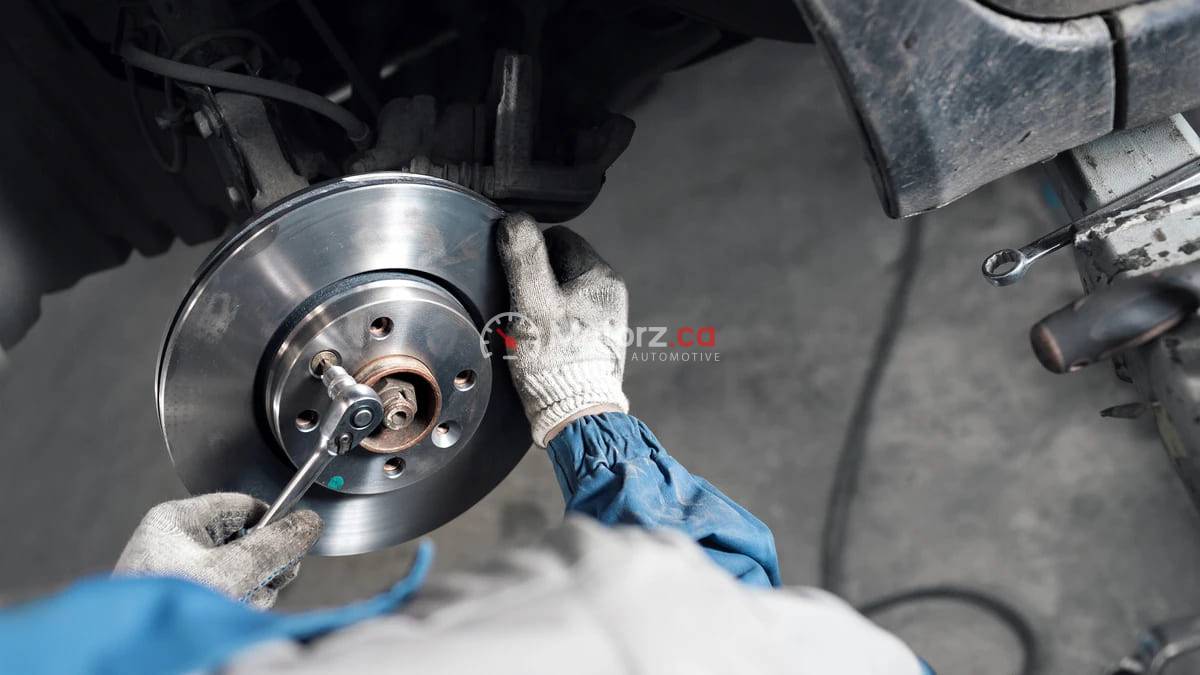
Rust Control: Invest in annual undercoating or rustproofing treatments, especially if you drive in provinces that heavily use road salt. Protecting the undercarriage is the single most effective way to prevent catastrophic failures of brake lines and chassis components as the car ages.
Proactive Component Replacement: Replace wear-and-tear items like belts, hoses, and water pumps based on the manufacturer’s schedule or age, rather than waiting for them to break. Replacing a timing belt prevents a catastrophic engine failure that could cost thousands.
Smart Repair Shop and Parts Strategies
Find an Independent Specialist: Once the comprehensive manufacturer’s warranty expires (typically after 3 or 4 years), the high cost of dealership labor becomes a major drain. Seek out reputable, independent mechanics who specialize in your vehicle’s make. They often charge lower labor rates and use quality aftermarket parts, which can be significantly cheaper than OEM parts without compromising safety.
The “Right to Repair” Movement: Stay informed about the Canadian “Right to Repair” legislation. This movement aims to mandate that manufacturers provide independent repair shops with access to the same diagnostic tools and repair data currently restricted to dealerships, potentially increasing competition and lowering repair costs for complex repairs.
Embracing Longevity with Financial Foresight
The rising average age of the Canadian vehicle fleet is a clear indicator of economic pressure. While modern vehicles are built to last, the corresponding increase in repair costs—driven by inflation, technology, and the cost of skilled labor—demands a fundamental change in how Canadians approach vehicle maintenance.
For the Canadian driver, the future of financially sustainable motoring lies not in the purchase price, but in meticulous, preventative care. By understanding the escalating costs associated with complex repairs and actively seeking cost-effective service solutions, Canadians can turn the necessity of keeping an older car into a long-term financial victory, ensuring their vehicles remain safe and reliable well past the ten-year mark.