


When you choose a Drive Your Tribe, you’re not just selecting a mode of transportation—you’re making a statement about your priorities, values, and lifestyle. This deeply personal choice reflects an individual’s identity: their hobbies, their social life, and even their politics. A recent surge in consumer behavior studies and specialized market research surveys has moved beyond simple age and income demographics to profile buyers based on their social and cultural identities.
These fascinating analyses reveal clear patterns: Gamers prioritize technology and performance, Clubbers seek style and self-expression, and Activists lean heavily toward ethical and environmental considerations. The data offers an intriguing look at how manufacturers are now designing and marketing vehicles to appeal directly to these niche, identity-driven consumer groups.
This comprehensive guide unpacks the key findings from various consumer preference surveys and automotive studies, profiling the preferred vehicles and essential features for four distinct cultural tribes: the Tech-Forward Gamer, the Style-Focused Clubber, the Environmentally Conscious Activist, and the Pragmatic Urban Professional. Understanding these preferences helps both buyers align their vehicle with their values and marketers target their message effectively.
The Tech-Forward Gamer: Speed, Screens, and Seamless Integration
The gaming community, spanning Gen Z to Gen X, represents a massive market that values performance, connectivity, and digital immersion. Their preferred vehicles are often extensions of their high-spec gaming rigs.
Preferred Vehicles: High-Performance Drive Your Tribe
The modern gamer’s car choice is less about fuel efficiency and more about the instantaneous, high-torque thrill that mimics their virtual experiences, alongside superior technology.
Electric Vehicles (EVs): High-performance EVs like the Tesla Model 3 Performance or the Lucid Air are increasingly popular. The instantaneous acceleration of the electric powertrain mirrors the rapid response times essential in competitive gaming. More importantly, the minimalist, tablet-centric interiors of these vehicles appeal to the digitally native user.
Japanese Sport Coupes: The classic Subaru WRX and the Toyota GR Supra maintain a strong foothold due to their association with racing simulator culture and accessible tuning potential, appealing to the performance enthusiast aspect of the community.
The Connected Cabin: For the gamer, the car is an entertainment hub. They prioritize vehicles with large, responsive infotainment screens, integrated wireless charging, and robust connectivity options (5G capability, integrated Wi-Fi hotspots) that can support simultaneous streaming, navigation, and mobile device operation.
Essential Features for the Gaming Lifestyle
Beyond the powertrain, specific technological and comfort features drive the gamer’s purchasing decision.
Sound Systems: A premium Surround Sound System (e.g., Burmester, Harman Kardon) is not just for music; it is essential for an immersive audio experience for podcasts, mobile gaming, and in-car entertainment consumption during downtime.
Ergonomics and Comfort: Since gamers are accustomed to spending long hours seated, comfortable, multi-way power-adjustable sport seats with heating and ventilation are prioritized over simple utility.
Vehicle-to-Grid (V2G) Capability: This is an emerging feature that appeals to the technically savvy, offering the potential to power their home (or their gaming setup) during an outage, turning the car into a massive, mobile battery pack.
The Style-Focused Clubber: Statement, Sound, and Social Currency
The “Clubber” demographic, defined more by lifestyle than age, prioritizes vehicles that act as social currency—models that are visually striking, offer a sense of exclusivity, and facilitate a vibrant, nocturnal social life.
Preferred Vehicles: Compact Luxury and Head-Turning Design
This group demands flair and visual impact. Their vehicles are often compact luxury models or performance-oriented foreign marques that stand out in crowded urban environments.
European Compact Luxury: The Audi A3/S3, Mercedes-Benz CLA-Class, and BMW 2-Series Gran Coupe offer the prestige of a luxury badge, sharp European styling, and high-quality interiors at a relatively accessible price point. Their aggressive front ends and signature lighting make a strong visual statement.
Distinctive Subcompacts: Smaller, more quirky vehicles with high customization potential, such as the Mini Cooper or the Fiat 500e, appeal to a segment of clubbers who value unique, personal expression over raw power.
Color and Lighting: Survey data often shows this demographic choosing bold, non-traditional colors (like electric blue, matte grey, or vibrant red) and specifically seeking vehicles with customizable ambient interior lighting and distinctive exterior lighting signatures (LED light bars, unique DRL patterns).
The Audio and Aesthetic Checklist
Advanced Audio Integration: The sound system is non-negotiable. Deep bass response and high-volume capability are paramount. Subwoofer-equipped, OEM premium systems are a necessity for pre-game parking lot gatherings or cruising.
Exterior Appeal: Large, custom alloy wheels, aggressive body kits (often factory-installed like AMG or M Sport packages), and tinted windows contribute to the desired, exclusive aesthetic.
Connectivity and Access: Seamless smartphone mirroring (Apple CarPlay / Android Auto) for music control and keyless entry/start systems are vital for efficient, high-mobility social movement.
Ethics, Efficiency, and Low Carbon Footprint
The activist demographic seeks alignment between their purchase and their principles. The car must be an ethically and environmentally sound choice, minimizing carbon footprint and promoting sustainability.
Preferred Vehicles: EVs and Established Hybrids
Reliability, low emissions, and transparent manufacturing processes are the top priorities, often trumping horsepower or outright speed.
Established Hybrids: The Toyota Prius and Honda Insight remain incredibly popular, not just for their legendary reliability but for their proven track record of fuel efficiency and low emissions over decades. They represent a functional, non-flashy approach to sustainability.
Ethical EVs: Vehicles like the Hyundai IONIQ 5 and Kia EV6 are favored for their excellent efficiency ratings, innovative use of sustainable materials in the interior, and lower entry cost compared to premium EV brands. The Polestar 2 is also highly rated for its brand transparency regarding its carbon footprint.
Minimalist Branding: This group often gravitates toward vehicles with less aggressive marketing and branding, preferring subtle design that emphasizes utility and efficiency rather than status or luxury.
Key Ethical and Practical Features
Sustainable Materials: Interior materials like recycled plastics, vegan leather upholstery, and ethically sourced fabrics are highly valued and often sought out.
Zero-Emission Status: A plug-in electric vehicle, whether a pure EV or a PHEV, is strongly preferred for the ability to complete daily commutes without consuming fossil fuels. The visible lack of a tailpipe is a form of self-expression.
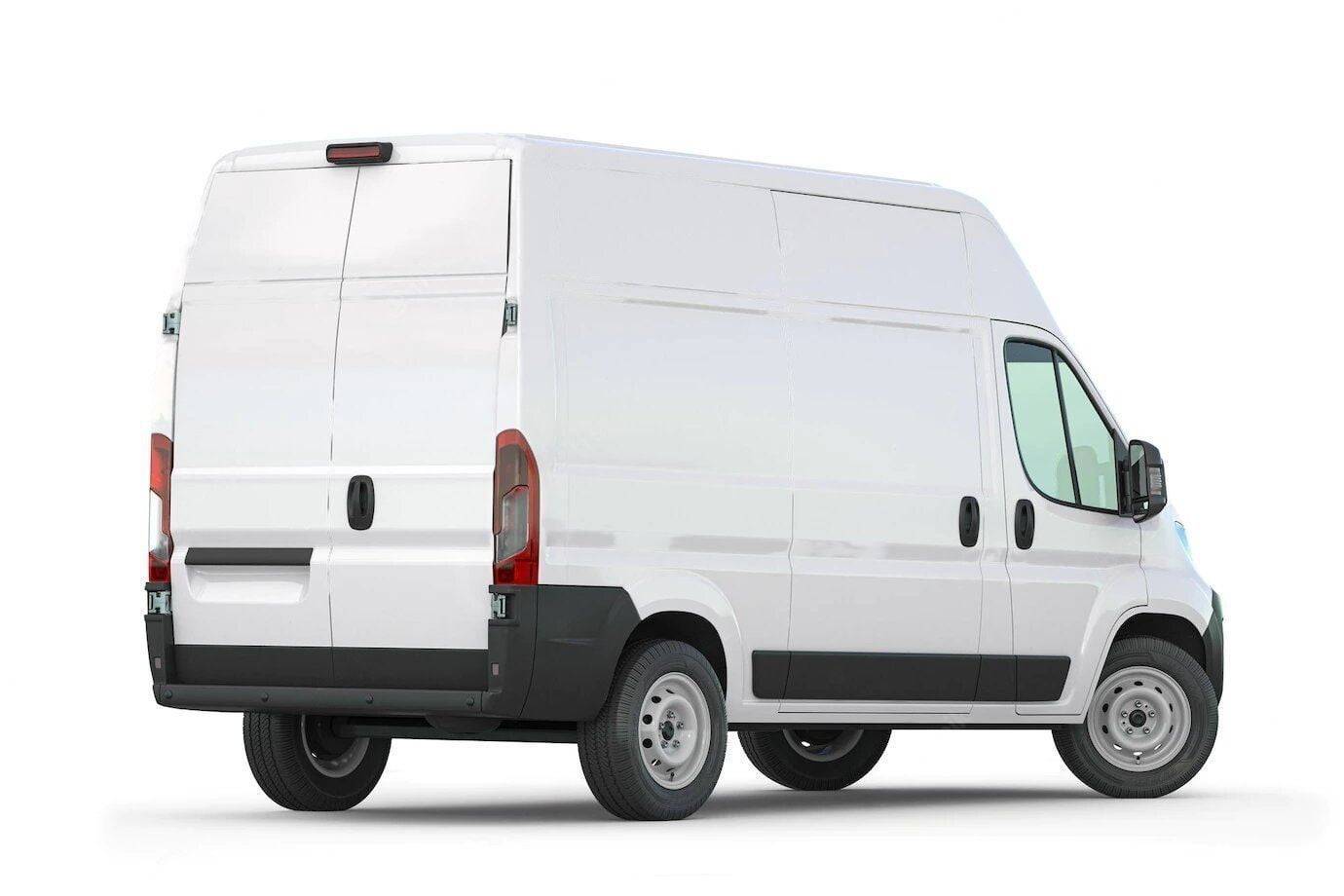
Utility for Action: Practical space is important. Vehicles that are easy to load with equipment—be it supplies for a community garden or signage for a protest—like the Subaru Crosstrek or a small, versatile electric van are often utilized.
The Pragmatic Urban Professional: Versatility, Safety, and Value
This large demographic is driven by practicality. They require a vehicle that reliably navigates city traffic, offers excellent safety, and maintains strong resale value—a perfect blend of utility and cost-effectiveness.
Preferred Vehicles: Mid-Size SUVs and Reliable Sedans
The urban professional needs a car that performs well as a daily commuter but can still handle weekend errands, carpooling, and the occasional road trip.
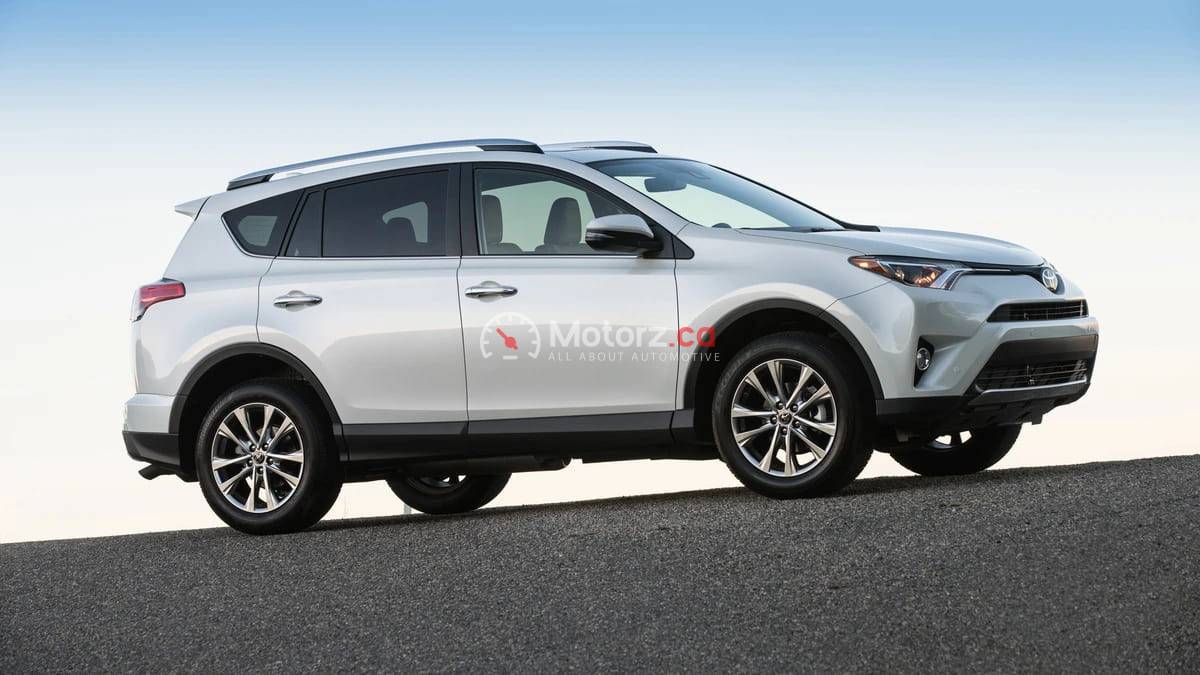
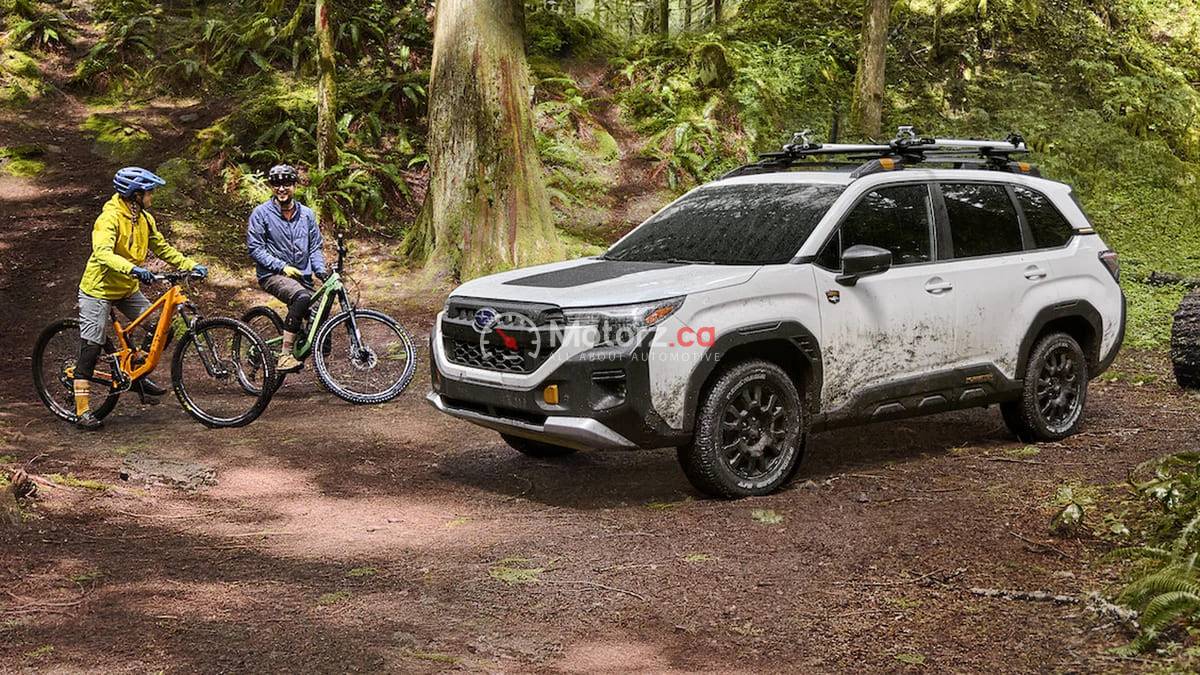
Compact/Mid-Size SUVs: The Toyota RAV4, Honda CR-V, and Subaru Forester are perennial favorites. They offer excellent visibility, standardized safety features, decent cargo space for luggage or work gear, and the high reliability scores that minimize unexpected downtime and repair costs.
Premium Practicality: For those with higher incomes, the Lexus RX and Acura RDX offer the same reliability and utility as their non-luxury counterparts but with a premium, quiet ride and advanced driver assistance systems that make long commutes less stressful.
Sedan Stalwarts: Despite the SUV trend, the Honda Civic and Toyota Camry remain top choices for singles or couples, offering superior fuel economy and ease of parking in congested areas.
The Checklist for Efficiency and Security
Safety Technology: The highest priority is safety. Advanced Driver Assistance Systems (ADAS) like Adaptive Cruise Control, Blind Spot Monitoring, and Automatic Emergency Braking are mandatory for navigating heavy, stop-and-go city traffic.
Cargo Versatility: Easy-folding rear seats and a large, accessible trunk or cargo area are essential for juggling personal and professional items.
Resale Value: The professional is keenly aware of total cost of ownership. They gravitate toward brands (like Toyota and Honda) with a proven track record of low depreciation and high residual values, viewing their car purchase as a sensible investment.
The Evolution of Automotive Marketing
The insights from modern consumer surveys confirm that automotive choice has fully transitioned from a purely functional decision to a sophisticated form of identity expression. Manufacturers are no longer simply selling engines and chassis; they are selling a tailored lifestyle and a set of values.
Whether you identify as a Tech-Forward Gamer prioritizing the digital cockpit, a Style-Focused Clubber demanding visual impact, an Environmentally Conscious Activist committed to a low-emission footprint, or a Pragmatic Urban Professional seeking ultimate reliability and safety, there is a vehicle engineered specifically to match your tribe. Understanding these preferences empowers consumers to make choices that truly align with who they are and how they want to live.