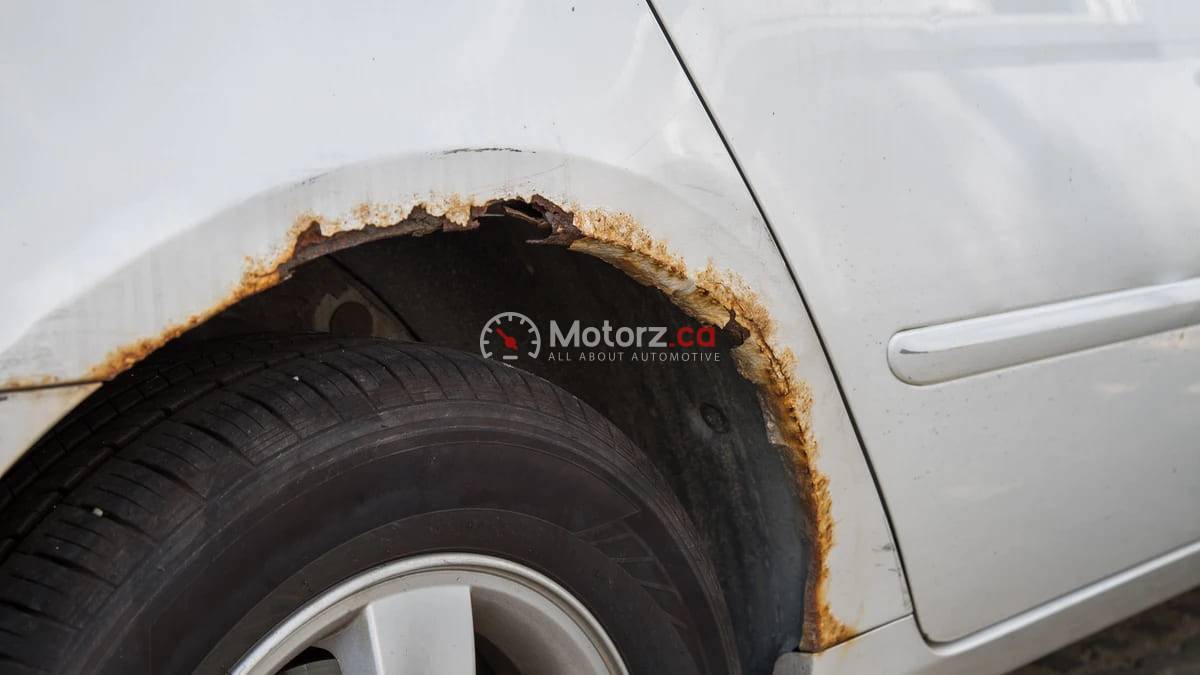

For Ultimate Guide to Car Rustproofing harsh winters, road salt, or high humidity, rust is the single greatest enemy of your vehicle’s longevity and resale value. While modern cars are built with better factory protection than ever before (like galvanized steel and electro-coat primers), no vehicle is immune to the relentless, corrosive power of iron oxide.
Rust can quietly compromise a vehicle’s structure, seize critical mechanical components like brake lines and suspension mounts, and turn a pristine exterior into a financial liability. Preventing this damage requires a strategic, proactive approach known as rustproofing or undercoating.
This comprehensive guide details everything you need to know about protecting your investment: the proven rustproofing methods that actually work, the gimmicks you should avoid, the crucial steps involved in a quality application, and a breakdown of the costs you should expect to pay for long-lasting protection.
The Two Core Methods of Effective Rustproofing
When looking for protection, you will encounter various products and application methods. Only two categories of aftermarket treatments are scientifically proven to effectively block corrosion in high-risk environments.
Creeping Oil/Drip Ultimate Guide to Car Rustproofing
This is widely considered the most effective form of aftermarket rustproofing, particularly for older vehicles or those driven in salty conditions.
What It Is: A non-hardening, petroleum-based or lanolin-based formula that remains perpetually soft and viscous (runny). Brand examples include Krown, Fluid Film, and Woolwax.
How It Works: The low viscosity allows the product to creep and penetrate deep into the tightest seams, spot welds, and interior cavities of the vehicle frame and body panels (areas the factory coating often misses). It literally displaces moisture, preventing oxygen from reaching the metal.
The Application: Technicians drill small, discreet access holes into key areas (like door jambs, inner fenders, and frame rails) to ensure a complete, thorough internal spray. The product is applied to the entire undercarriage, suspension, and all vulnerable body cavities.
Pros: Exceptional penetration, neutralizes existing surface rust, and self-heals when scraped or chipped by road debris.
Cons: Requires annual re-application (as it can wash off over time), and the initial application often results in several days of dripping oil, making a mess on the driveway.
Cost and Frequency:
Initial Application: Approximately 130 to 350, depending on vehicle size (Compact car to large SUV/Truck).
Annual Re-Application: The same price range is generally charged for annual maintenance.
Dripless/Thick Wax or Grease-Based Coating
This method provides a tough, durable shell, but its effectiveness depends heavily on the preparation.
What It Is: A thicker, wax or grease-based formula that dries to a firm, waxy film. Examples include certain Ziebart or specialized aftermarket formulas.
How It Works: It forms a high-build, rubberized, or heavy wax barrier on the vehicle’s exterior undercarriage. This barrier is highly abrasion-resistant and protects against direct impacts from road debris, sand, and gravel.
The Application: Primarily applied to the exterior underbody, floor pans, and wheel wells. Some formulations are also sprayed into interior cavities using similar techniques as the drip oil method.
Pros: Excellent protection in high-impact areas (like wheel arches), long-lasting, and does not drip.
Cons: Does not creep and penetrate tight seams like the oil spray. If the coating is applied over dirt or if it cracks, it can trap moisture and salt beneath the hard layer, actually accelerating corrosion in hidden areas.
Cost and Frequency:
Initial Application (Undercarriage Only): Approximately 200 to 500.
Re-application: Recommended every one to three years, or immediately if the coating shows signs of chipping or cracking.
Rustproofing Gimmicks and Dealer Up-sells to Avoid
Not all rustproofing claims are created equal. Be highly skeptical of products marketed as “permanent” or “electronic.”
The Problem with Permanent/Rubberized Undercoating
These coatings, often sold as a high-profit up-sell by car dealerships (priced from 500 to 1,500), are the subject of much debate and professional skepticism.
The Trap: A thick, tar-based or rubberized coating can appear effective by sealing the undercarriage. However, if any moisture or air pockets are trapped during application, or if the coating is chipped (a common occurrence from road debris), that tiny breach can hold water against the metal.
The Accelerated Corrosion: Since the rest of the metal is sealed, the corrosion that starts in the breached area has nowhere to go but inwards, leading to rust-out that is sealed off and invisible until it’s too late.
The Verdict: Professional corrosion experts overwhelmingly advise against these thick, hardening coatings unless the vehicle is brand new and the metal surface is perfectly clean and prepared. For older cars, they are often detrimental.
Electronic Rust Control Modules
These small electronic devices are frequently pitched by dealerships (at prices ranging from 500 to 1,000) and rely on flawed scientific principles.
The Claim: The module allegedly sends a weak electric current (a cathodic protection system) through the vehicle’s metal body to prevent the electron exchange needed for rust (oxidation) to occur.
The Reality: Cathodic protection systems do work—on large structures completely submerged in an electrolyte (like the hulls of ships in saltwater). A car driven on dry roads is not submerged in an electrolyte, and the metal components (frame to body panel) are not in sufficient continuous electrical contact for the weak current to be effective.
The Verdict: Corrosion control professionals and scientific consensus maintain that these electronic devices are ineffective and not worth the money. Save your money and buy an annual oil spray instead.
What to Know Before You Pay: The Essential Checklist
A successful rustproofing job depends far more on the quality of the application than the product itself. Follow this checklist to ensure you receive a valuable service.
Pre-Service Vehicle Condition and Preparation
The golden rule of rustproofing is that you cannot spray product over dirt and expecting lasting results.
Cleanliness is King: Ensure your vehicle, particularly the undercarriage and wheel wells, is thoroughly cleaned and dried before the application. If the shop offers a cleaning service, inquire how thorough it is. Some premium shops offer descaling services (starting around 300) to remove 85 percent or more of existing scale rust before applying the new coating.
Best Time to Apply: The ideal time to rustproof is during warm, dry weather (late spring to early fall). The rustproofing product flows and penetrates better on warm metal, and the dry air ensures no moisture is trapped inside the cavities.
New vs. Used: A new car is the perfect candidate as the metal is pristine. A used vehicle must first be inspected for signs of advanced penetrating rust, which may require welding or replacement of the affected part before rustproofing can be applied.
Questions to Ask the Applicator
A quality application is defined by the depth of coverage, not the quantity of spray.
Ask for the Plan: “How many access holes do you drill for my specific vehicle model?” A quality applicator, like Krown, will cover 25 or more unique areas, including inside the doors, seams, hood, and trunk. Low-quality shops may only hit the visible undercarriage.
Ask About the Shielding: “What precautions do you take to shield electrical components, brakes, and exhaust?” Oil sprays must be kept off rotors and exhaust systems to prevent issues. A professional shop will cover these areas.
Ask About the Warranty: A lifetime or 10-year warranty on a permanent coating often has fine print that requires annual, costly inspections and voids the warranty if a tiny area is missed. A better warranty guarantees the work on an annual oil-based application for a specific period.
Calculating the Value: Is Rustproofing a Good Investment?
Ultimately, the decision to rustproof comes down to a financial calculation based on two factors: where you drive and how long you plan to keep the car.
The Tipping Point: ROI on Rustproofing
Short-Term Ownership (Lease or 1–4 Years): If you plan to sell or trade your car within the first four years, the high level of factory corrosion protection (including galvanized steel and e-coatings) often makes aftermarket rustproofing unnecessary. The costs may outweigh the benefit, as structural rust is unlikely to occur in this timeframe.
Long-Term Ownership (5+ Years): This is where rustproofing becomes an essential investment. The cost of a major repair due to corrosion—such as a seized brake line or a failed suspension component due to a rusted mounting point—can easily exceed 300 to 1,000.
Example: If you spend 150 annually on oil spraying for 8 years, the total cost is 1,200. This is likely less than the cost of one single major rust-related repair (e.g., replacing rusted fuel lines and fittings).
Resale Value: A vehicle that is structurally rust-free after ten years, especially in a winter climate, retains a significantly higher resale value compared to a car with visible panel rust or chassis corrosion. Rustproofing pays you back on the day you sell the vehicle.
When to Spend Your Money
By choosing a high-quality, oil-based application and committing to a small, annual maintenance cost, you are purchasing the cheapest insurance available against the most insidious threat to your vehicle’s lifespan.