


Imagine Corner Wrench, heading out to your driveway, and discovering your car has “learned” a new trick overnight. Perhaps the infotainment screen has a sleeker layout, or your electric vehicle suddenly has ten miles of extra range thanks to a more efficient battery management algorithm. This is the magic of Over-the-Air (OTA) updates, a technology that has transformed the modern car from a static machine into a “smartphone on wheels.”
However, there is a flip side to this digital convenience. What happens when an update removes a feature you loved? Or worse, what if a “bug fix” introduces a new glitch that leaves you stranded? In this edition of Your Corner Wrench, we are diving deep into the ethics, mechanics, and future of automotive software. We are asking the tough question: Should the relationship between your car’s manufacturer and your garage be a two-way street?
The Rise of the Corner Wrench Vehicle (SDV)
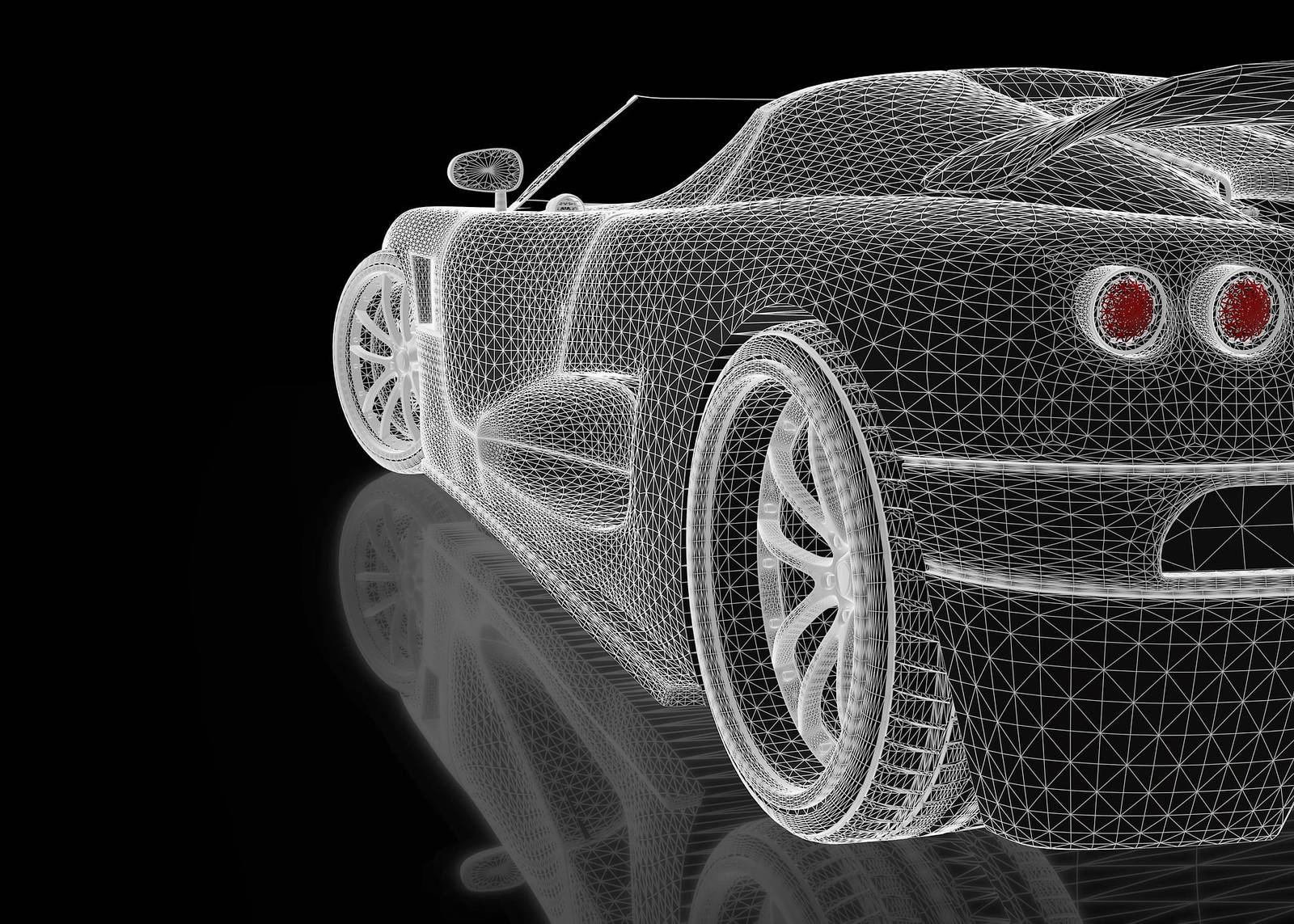
For a hundred years, when a car left the factory, it was finished. If you wanted better performance or a new radio, you had to buy parts or a new car. Today, we live in the era of the Software-Defined Vehicle (SDV).
Modern cars are controlled by dozens of tiny computers called Electronic Control Units (ECUs). Everything from your brake pressure to your seat heaters is governed by code. By using a built-in cellular connection, manufacturers can now “flash” new code to these computers while your car sits in your garage.
The Benefits of One-Way Updates
Currently, most updates are a one-way street—the manufacturer sends, and the car receives. The benefits are undeniable:
Safety Recalls: Instead of driving to a dealer for a software-related recall, the fix is beamed directly to your car.
Performance Gains: Tesla, Rivian, and Ford have all successfully used OTA updates to improve 0-60 times or braking distances.
Feature Additions: New maps, streaming apps, and driver-assistance modes can be added years after you bought the car.
Why “Two-Way Street” Communication Matters
If the manufacturer can change your car at any time, shouldn’t you have a say in the process? This is where the concept of a “two-way street” comes in. This isn’t just about sending data back to the company; it’s about consent, control, and transparency.
The Right to Refuse
When your smartphone asks to update, you can usually hit “Remind me later” or “No.” Many modern cars, however, perform “silent” updates. A two-way street would mean the car asks: “We have an update that improves safety but might make the screen slightly slower. Do you accept?”
The Power to Roll Back
If a software update on your laptop breaks your printer, you can often “roll back” to the previous version. In the automotive world, this is almost non-existent. If an update makes your car’s user interface frustrating or buggy, you are stuck with it until the manufacturer decides to send another fix. A two-way street would give owners a “Restore” button.
Data Reciprocity
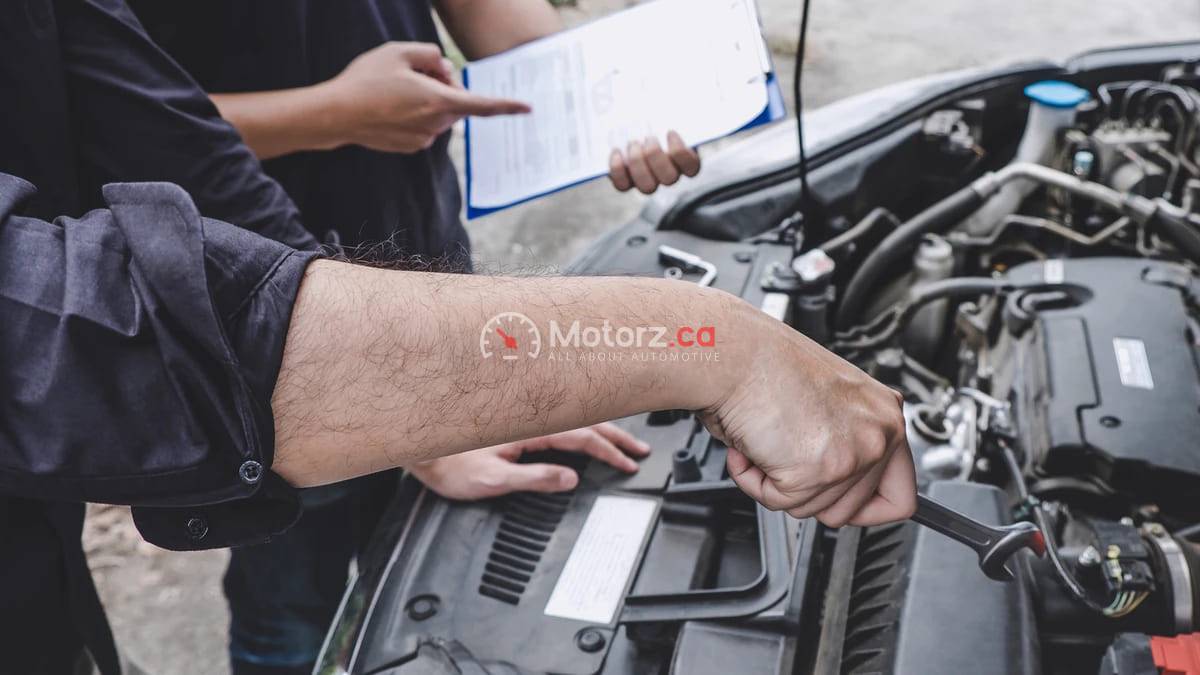
Your car is constantly sending data back to the manufacturer—your location, your braking habits, and even your favorite radio stations. A true two-way street would mean that in exchange for your data, you get access to deep diagnostics. Imagine being able to see exactly why a “Check Engine” light came on through your phone app, rather than paying a shop 100 units of currency just to read a code.
The Risks: When Updates Go Wrong
While the goal is improvement, software is famously imperfect. There have been several high-profile instances where the “one-way street” caused significant headaches for owners.
The “Bricked” Vehicle Scenario
In rare cases, an update can fail mid-install. In the tech world, we call this “bricking.” If your car’s computer becomes unresponsive during an update, the vehicle won’t start. Without a two-way communication channel that allows for an emergency manual override, the owner is forced to pay for a tow to the dealership for a problem they didn’t cause.
The Removal of Features
In 2020, some Tesla owners found that after an update, certain features (like Enhanced Autopilot) were removed because the manufacturer decided they weren’t paid for by the second owner of the vehicle. This raises a massive question about digital ownership. If you bought the hardware, should the software be yours to keep forever?
Security and Privacy: The Hidden Passenger
As cars become more connected, they become bigger targets for hackers. A two-way street needs to be a secure street.
Cybersecurity Concerns
If a manufacturer can send a signal to your car to “Unlock Doors,” a sophisticated hacker might find a way to mimic that signal. A robust two-way system requires “End-to-End Encryption” to ensure that only the verified owner and the verified manufacturer can communicate with the vehicle’s brain.
Privacy and Insurance
There is a growing concern that the data your car sends back (the “return” lane of the two-way street) could be sold to insurance companies. If your car “tells” your insurer that you frequently hard-brake or drive late at night, your premiums could go up. A fair two-way street would give you a “Privacy Toggle” to choose what data leaves your driveway.
Expert Tips for Managing Your Car’s Software
Since we aren’t quite at a “perfect” two-way street yet, here is how you can protect yourself as a modern car owner:
Check for “Stable” Wi-Fi: Many OTA updates are large. If your car is parked in a “dead zone,” the update might fail. If possible, connect your car to your home Wi-Fi for a more stable download.
Read the Patch Notes: Before hitting “Install,” take two minutes to read what is changing. Manufacturers usually provide a summary on the screen.
Don’t Update Before a Trip: Never install a software update an hour before you have to leave for the airport or a long road trip. If the update glitches, you don’t want to be stranded when you have a deadline.
Know Your Rights: Check your owner’s manual or the manufacturer’s website to see if you can opt out of data sharing.