

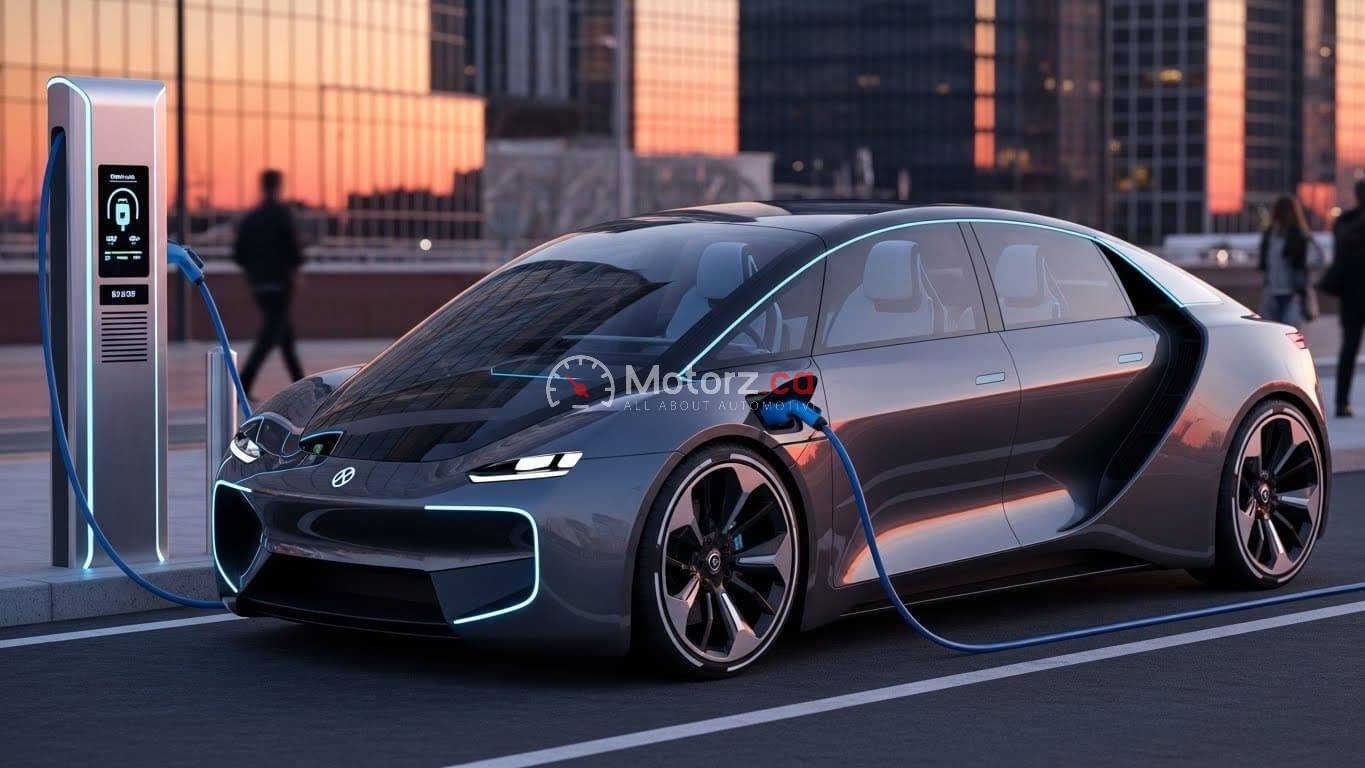

Welcome to this special written edition of The Driving Podcast. Today, we are plugging into the future. Whether you are a die-hard petrolhead curious about the “other side” or a tech-savvy commuter ready to ditch the gas station forever, the transition to electric mobility is the biggest shift in automotive history since the Model T rolled off the assembly line.
However, moving to an Electric Vehicle (EV) isn’t just about picking a cool color and finding a charger. It involves a new way of thinking about range, a different approach to “under the hood” maintenance, and understanding the chemistry that powers your daily drive. In this deep-dive guide, we are going to help you navigate the showroom floor and show you exactly how to keep an EV running efficiently for decades.
Choosing the Right Electric Vehicle for Your Lifestyle
Not all EVs are created equal. The market has expanded from luxury sedans to rugged pickup trucks and affordable hatchbacks. To choose the right one, you need to look past the high-tech screens and focus on the fundamentals.
Understanding Range: Practicality vs. Anxiety
The first question everyone asks is: “How far can it go on a single charge?” While high-end models offer over 300 miles of range, you should look at your actual daily driving habits.
The Commuter: If you drive less than 50 miles a day, even an older or “short-range” EV will be more than sufficient.
The Road Tripper: If you frequently drive long distances, prioritize vehicles with DC Fast Charging capabilities and a range of at least 250 miles.
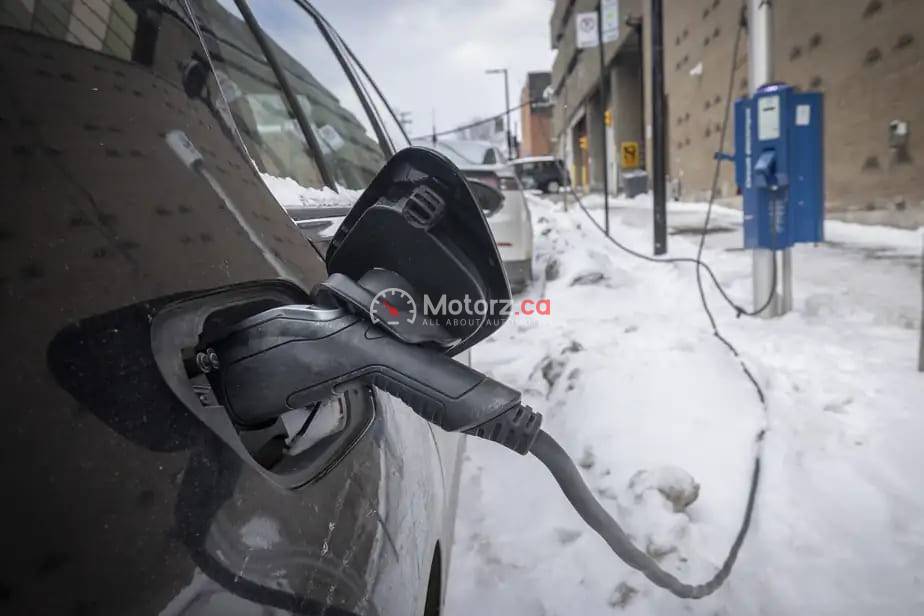
The “Winter” Factor: Remember that cold weather can reduce battery efficiency by 20 percent to 30 percent. If you live in a snowy climate, buy more range than you think you need.
Battery Chemistry: LFP vs. NMC
This is a “pro-level” tip for EV buyers. Most batteries are either Lithium Iron Phosphate (LFP) or Nickel Manganese Cobalt (NMC).
LFP Batteries: These are more durable, less prone to fire, and can be charged to 100 percent every day without degrading. However, they are heavier and don’t perform as well in extreme cold.
NMC Batteries: These offer more “energy density” (more range for less weight) and better cold-weather performance. However, experts recommend only charging them to 80 percent for daily use to preserve their lifespan.
The Charging Infrastructure
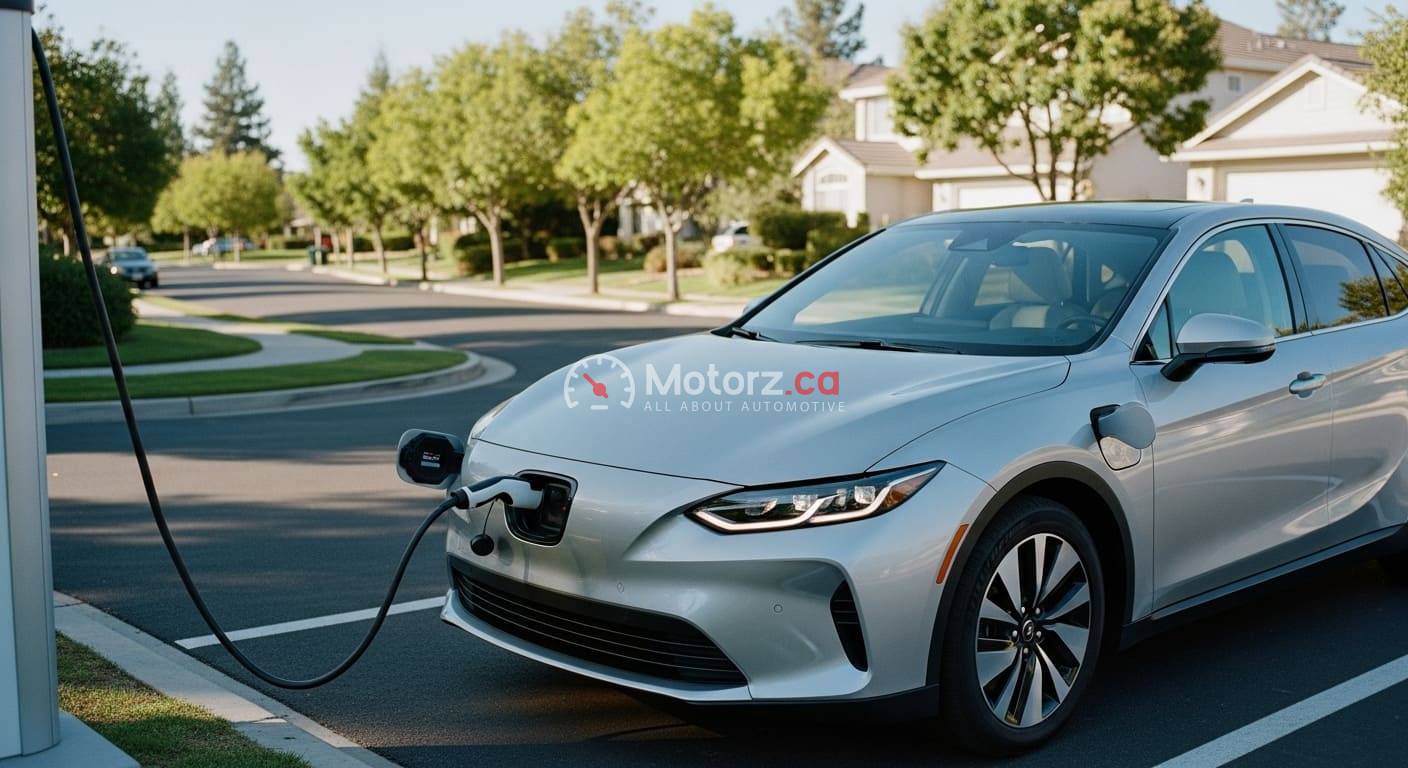
Before you buy, check your home. Do you have a garage with a 240-volt outlet (like a clothes dryer)? If not, you will need to factor in the cost of installing a Level 2 Home Charger. Relying solely on public charging can be expensive and time-consuming.
Maintaining Your EV—What Actually Happens Under the Hood?
One of the biggest selling points of an EV is the lack of “moving parts.” You can say goodbye to oil changes, spark plugs, timing belts, and mufflers. But “low maintenance” does not mean “no maintenance.”
The Battery Management System (BMS)
The battery is the most expensive part of your car. To maintain it:
Avoid the Extremes: Try to keep your battery between 20 percent and 80 percent charge. Leaving a battery at 0 percent or 100 percent for long periods causes chemical stress.
Thermal Management: EVs use liquid cooling systems to keep the battery at the ideal temperature. Ensure your coolant levels are checked during your annual inspection.
Regenerative Braking and Brake Care
EVs use “Regenerative Braking,” where the electric motor acts as a generator to slow the car down and feed power back into the battery.
The Benefit: Your physical brake pads and rotors can last twice as long as those on a gas car—sometimes up to 100,000 miles.
The Risk: Because the mechanical brakes aren’t used as often, they can actually develop surface rust or seize up. It is important to have a mechanic “service” the brakes (cleaning and lubricating) even if the pads aren’t worn out.
Tires: The Hidden Expense
This is the one area where EVs are actually more expensive to maintain.
Weight: Batteries are heavy. This extra weight puts more pressure on the tire sidewalls.
Instant Torque: Electric motors deliver maximum power the instant you touch the pedal. This “zip” can shred tire tread faster than a gas engine.
The Solution: Always buy tires specifically rated for EVs (look for the “HL” or High Load rating). They are designed with stronger compounds and lower rolling resistance to preserve your range.
The Software-Defined Vehicle
Unlike a traditional car, an EV is essentially a rolling computer. This introduces a new maintenance category: Over-the-Air (OTA) Updates.
Updating Your Car Like a Smartphone
Manufacturers can now “fix” your car while it sits in your driveway. An OTA update can:
Improve your 0 to 60 acceleration.
Increase your total range through better efficiency.
Fix safety bugs that would have previously required a physical recall at a dealership.
Podcast Tip: Always ensure your car is connected to your home Wi-Fi at night to ensure these updates download seamlessly.
Maximizing Your Investment: Resale Value and Battery Health
Many people worry about the “depreciation” of EVs. The key to maintaining resale value is documenting your Battery Health Report.
Most EVs allow you to pull a report showing the “State of Health” (SOH) of the battery cells. A car with 95 percent SOH will sell for significantly more than one with 85 percent. You can maintain high SOH by avoiding excessive use of DC Fast Chargers (which generate high heat) and keeping the car in a shaded area during heatwaves.
Frequently Asked Questions
How long do EV batteries actually last?
Most modern EV batteries are designed to last between 150,000 and 200,000 miles. Most manufacturers offer an 8-year or 100,000-mile warranty specifically for the battery pack.
Is it cheaper to “fuel” an EV?
In almost all cases, yes. Charging at home during “off-peak” hours (usually late at night) is significantly cheaper than buying gasoline. However, using public “Fast Chargers” can sometimes cost as much as gas per mile.
Do I need a special mechanic for an EV?
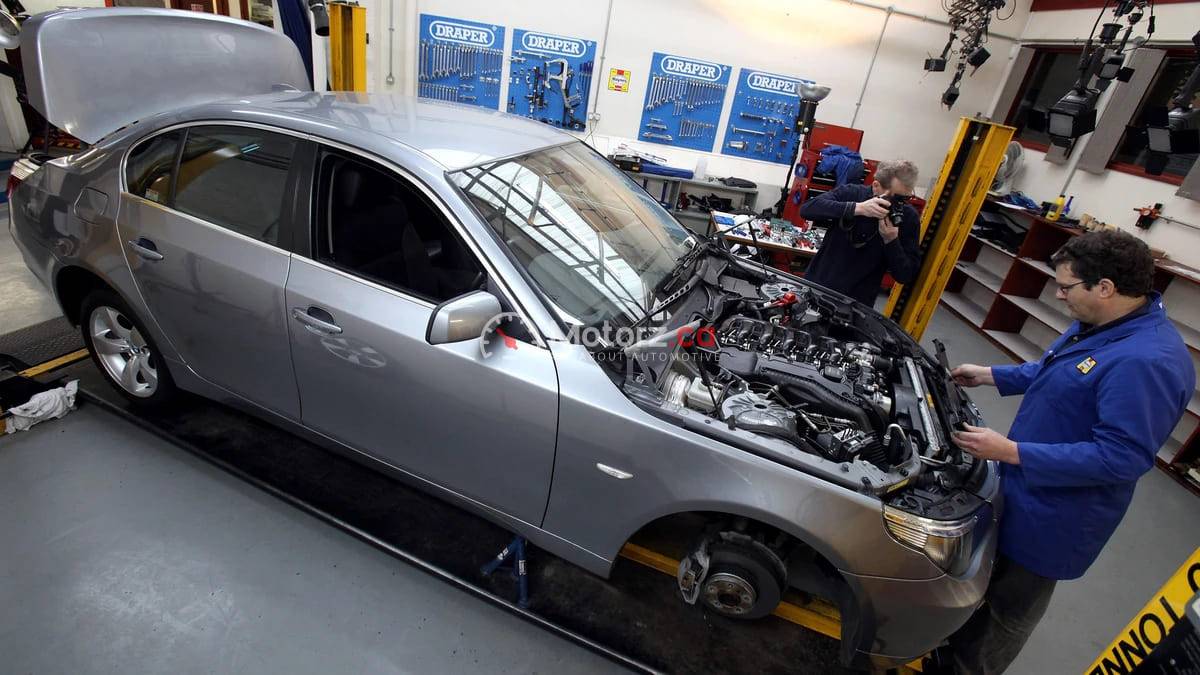
For tires, cabin filters, and suspension work, any qualified mechanic will do. However, for any work involving the high-voltage system (indicated by bright orange cables), you must go to a technician specifically certified in EV safety.
Is the Switch Right for You?
Choosing an electric vehicle is a decision to embrace efficiency and cutting-edge tech. While the “maintenance” list is shorter, it requires a more disciplined approach to battery care and tire monitoring. If you have the ability to charge at home and you enjoy a quiet, high-torque driving experience, the EV transition will likely be the best automotive move you ever make.
Thanks for “tuning in” to this guide from The Driving Podcast. The road ahead is electric—make sure you are ready for the ride.