
The transition to Costly Realities of EV Repair has been marketed as a win-win for both the environment and your wallet. We’ve all heard the pitch: no oil changes, fewer moving parts, and lower fueling costs. But as the first wave of mainstream EVs moves out of the “honeymoon phase” and into the “out-of-warranty phase” in 2026, many owners are discovering that while maintenance is cheaper, repairs can be eye-wateringly expensive.
If a gasoline car is like a traditional mechanical watch, an EV is more like a high-end smartphone on wheels. When it works, it’s a masterpiece of efficiency. When it breaks, you aren’t just paying for a wrench and some grease; you are paying for specialized software, high-voltage expertise, and proprietary components that often have no aftermarket equivalent.
In this deep dive, we’re looking past the marketing brochures to explore the actual costs of fixing an electric car today. From the “battery anxiety” of replacement costs to the surprising impact on your insurance premiums, here is what Lorraine explains about the costly realities of EV repair.
The Costly Realities of EV Repair: Why EV Components Cost More
One of the biggest drivers of high EV repair costs in 2026 is the lack of a robust aftermarket. When you need an alternator for a 10-year-old Honda, you can choose between an expensive factory part or a budget-friendly version from a local auto parts store. With EVs, that choice often doesn’t exist.
The OEM Monopoly
Recent industry data shows that over 85% of parts used in EV repairs are Original Equipment Manufacturer (OEM) components. In contrast, gasoline vehicles use roughly 62% OEM parts, with the rest being more affordable “third-party” alternatives.
The Impact: Without competition from aftermarket manufacturers, car companies can keep prices high for sensors, inverters, and body panels.
Proprietary Technology: Many EV components are “coded” to the specific vehicle. Even if you find a used part from a salvage yard, it may require a technician with factory-level software access to “handshake” the new part with your car’s computer.
Collision Repair: It’s Not Just a Bumper Scuff
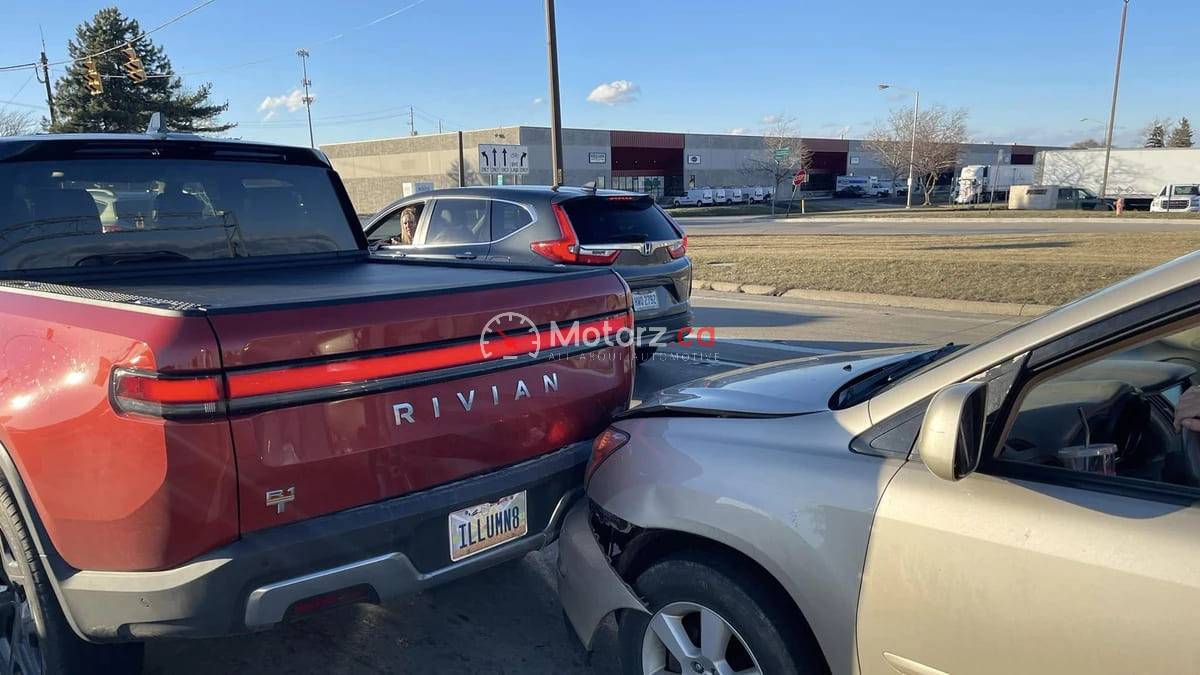
In a traditional car, a fender bender is a straightforward fix. In an EV, that same impact can trigger a financial cascade of safety protocols and sensor recalibrations.
The “Safety Inspection” Tax
Even a minor underbody scrape—something as simple as running over a piece of tire tread on the highway—can necessitate a full high-voltage battery safety inspection. Because the battery pack is the most expensive and volatile part of the car, shops must follow strict “de-energizing” procedures before they even begin work. This alone can add hundreds to the labor bill before a single bolt is turned.
Gigacastings and Structural Repair
Manufacturers like Tesla have moved toward “gigacastings”—large, single-piece aluminum sections of the car’s frame. While this makes the car lighter and cheaper to build, it makes it significantly more expensive to repair.
Non-Repairable Parts: While 16% of parts on a gas car can typically be repaired rather than replaced, that number drops to around 13% for EVs. If a structural casting is cracked, the entire section often needs replacement, leading to repair bills that frequently exceed the vehicle’s total value.
The Battery Replacement Myth vs. Reality
Let’s address the elephant in the room: the battery. While it is true that EV batteries are designed to outlast the car, they aren’t immortal. In 2026, the cost of a full battery replacement still represents the single largest potential expense for an owner.
Current Replacement Costs
For a mid-sized SUV like a Hyundai Ioniq 5 or a Tesla Model 3, a full out-of-warranty battery replacement typically ranges between 10,000 and 16,000 units. For luxury trucks or long-range models, that figure can climb past 25,000 units.
The Silver Lining: Battery prices are falling. In 2023, the cost per kilowatt-hour (kWh) was roughly 150 units; by 2026, that has dropped closer to 80 units per kWh.
Module-Level Repairs: A growing number of specialized independent shops are now offering “module-level” repairs. Instead of replacing the whole 15,000-unit pack, they can swap out a single faulty cell or module for 2,000 to 5,000 units.
The Specialized Labor Shortage
You can’t just take a high-voltage EV to the “corner wrench” mechanic down the street. Working on EVs requires specialized certification to handle systems that can deliver a lethal electrical shock.
Higher Labor Rates
Because there are fewer certified EV technicians than traditional mechanics, the ones who are qualified can command a premium. On average, labor rates for EV repairs are 20% to 30% higher than for internal combustion engines.
Specialized Tools: Shops must invest in insulated tools, high-voltage PPE, and specialized diagnostic scanners. These overhead costs are ultimately passed down to the consumer.
Repair Deserts: If you live outside a major metropolitan area, you may face “repair deserts” where the nearest certified shop is hundreds of kilometers away, adding significant towing costs to any repair bill.
The Insurance “Sticker Shock”
Perhaps the most immediate “costly reality” for EV owners isn’t the repair itself, but the cost of insuring the vehicle against that repair.
Why Premiums are Climbing
In 2026, EV insurance premiums are consistently 15% to 50% higher than those for equivalent gasoline cars. Insurers aren’t just worried about the battery; they are worried about the “total loss” threshold.
The Write-Off Problem: Because EV repairs are so expensive and specialized, insurers are much quicker to “write off” an electric car as a total loss after a moderate accident.
Claim Frequency: Interestingly, data suggests that certain EV models have a higher claims frequency. High-torque electric motors allow for rapid acceleration, which can catch inexperienced drivers off guard, leading to more frequent (and expensive) collisions.
Weighing the Long-Term Economics
Is the “costly reality” of EV repair enough to steer you away from going electric? Not necessarily. Over a 10-year lifespan, most EV owners still save thousands of units on fuel and routine maintenance. However, the nature of the risk has changed.
In a gas car, you are “nickel and dimed” by frequent oil changes and small mechanical failures. In an EV, you enjoy years of silence and low costs, but you must be prepared for the “big hit”—that rare but expensive electronic failure or collision repair.
The Lorraine Takeaway: If you’re buying an EV in 2026, the best way to mitigate these costs is to prioritize vehicles with long battery warranties (at least 8 years or 160,000 km) and to ensure your insurance policy includes “New Car Replacement” or “Gap Coverage” to protect your investment in the event of an expensive write-off.