
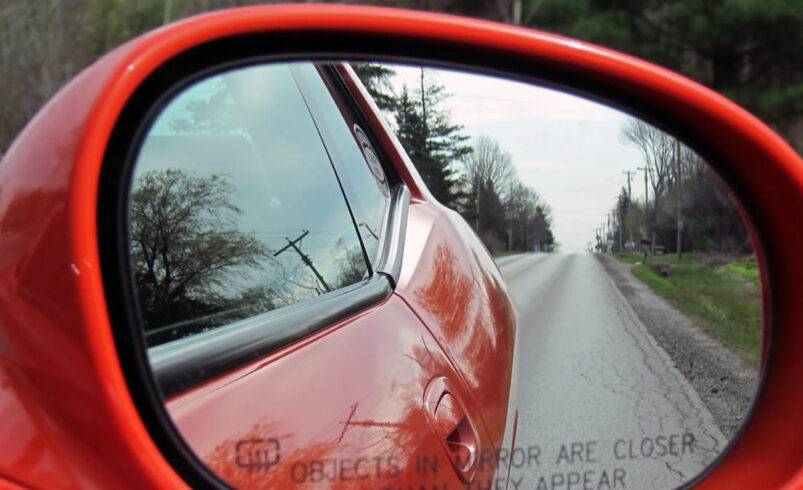

We have all experienced that momentary lapse in Reflecting on Safety—a garage door frame that was just an inch too close, a rogue basketball in the driveway, or a narrow street where a passing vehicle clipped your wing mirror. That sickening “crack” is more than just a cosmetic annoyance; it is a direct blow to your vehicle’s safety system.
In the world of automotive repair, side mirrors are often overlooked until they are broken. We rely on them for merging, lane changes, and reverse parking, yet many drivers wait weeks or even months to fix a “minor” crack. However, a damaged mirror creates blind spots, distorts distances, and can even lead to a failed vehicle inspection or a traffic ticket.
In this guide, we are looking into the “why” and “how” of mirror maintenance. From understanding the high-tech features hidden behind the glass to deciding between a DIY patch and a full professional replacement, here is everything you need to know when your mirrors aren’t quite what they are cracked up to be.
Why a Reflecting on Safety is More Dangerous Than You Think
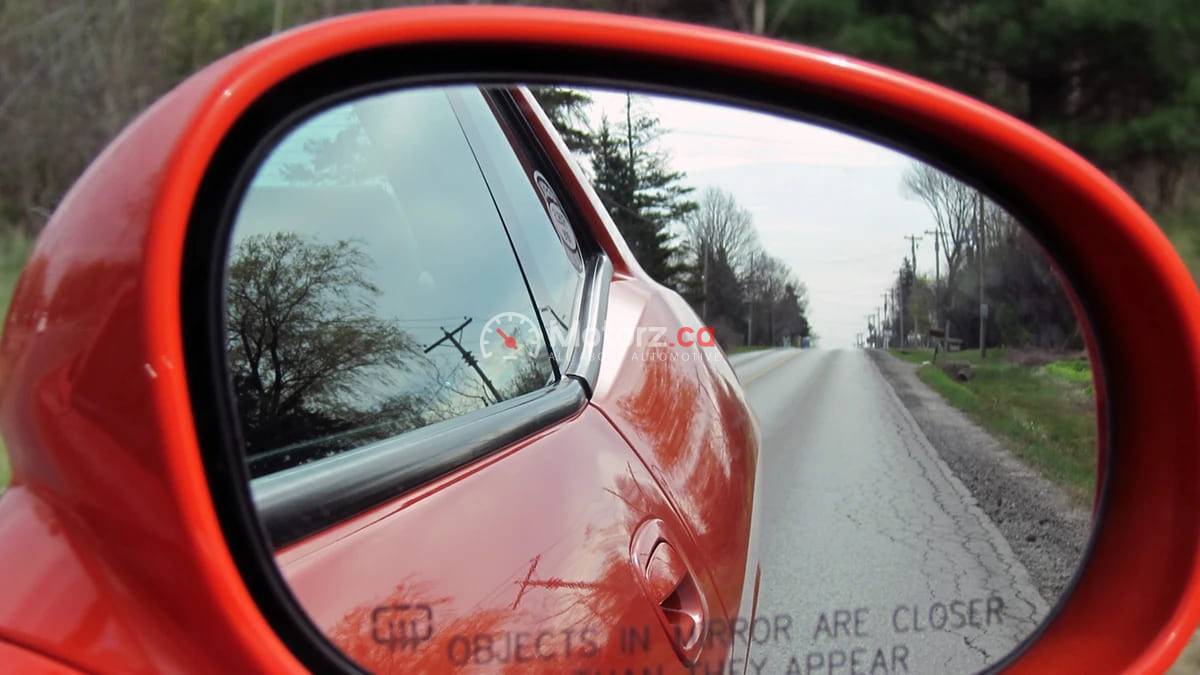
It might seem like a small spiderweb in the corner of your vision, but a cracked side mirror is a significant safety hazard. Your brain relies on a clear, undistorted reflection to calculate the speed and distance of approaching vehicles.
Distortion and Ghost Images
When light hits a crack in the glass, it refracts. This can create “ghost images” where a single car looks like two, or it can make a vehicle appear further away than it actually is. In a high-speed merging situation on a busy highway, that split-second of confusion can be the difference between a safe lane change and a collision.
Moisture and Electrical Failure
Modern mirrors are not just glass; they are complex electronic components. Many contain heating elements, blind-spot sensors, and integrated turn signals. A crack allows moisture to seep behind the glass, which can corrode the wiring and short-circuit these expensive features.
Legal and Inspection Issues
In many regions, driving with a cracked side mirror is a “fix-it” ticket offense. Law enforcement views a damaged mirror as a failure to maintain a safe vehicle. Additionally, if your state or province requires annual safety inspections, a cracked mirror is often an automatic failure.
The Different Types of Modern Side Mirrors
Before you order a replacement part, you need to know exactly what kind of technology is packed into your mirror housing. Replacing a basic manual mirror is a 20-unit task; replacing a high-tech smart mirror is a different story entirely.
Heated Mirrors
Common in northern climates, these mirrors have a thin film of heating coils behind the glass. They are designed to melt ice and prevent fogging in the winter. If you see a small “defrost” icon on the glass, you have a heated mirror.
Auto-Dimming Glass
Higher-end vehicles often feature electrochromic glass. When sensors detect bright headlights from a vehicle behind you, the mirror automatically tints to prevent glare. This glass is significantly more expensive to replace than standard reflective glass.
Integrated Technology
Does your mirror have a small yellow or red light that glows when a car is in your blind spot? Or perhaps a camera tucked underneath for a 360-view? These components are often calibrated to the vehicle’s computer. Replacing the glass without damaging these sensors requires a steady hand.
DIY vs. Professional Repair: Making the Right Choice
When you notice a crack, you generally have three paths forward. The right choice depends on the severity of the damage and your mechanical comfort level.
The “Slip-On” Glass Patch
If the plastic housing (the “bucket”) of the mirror is perfectly fine and only the glass is cracked, you can often buy a pre-cut piece of mirror glass that is backed with high-strength adhesive.
The Process: You simply clean the old cracked glass and stick the new glass directly over it.
The Catch: This is a budget fix. If you have heated or auto-dimming mirrors, these features will no longer work because the new glass is “insulated” from the original sensors by the old glass and adhesive.
Replacing the Glass Sub-Plate
This is the “middle ground” repair. You pop out the entire plastic plate that holds the glass and snap in a new one. This allows you to reconnect the tiny wires for the heating elements. It is an excellent DIY project for a Saturday morning.
Full Mirror Assembly Replacement
If the plastic housing is shattered or the motor that tilts the mirror is dead, you need a full assembly. This involves removing the interior door panel to access the mounting bolts and electrical harness.
Step-by-Step: How to Replace Side Mirror Glass at Home
If you have decided to tackle a basic glass replacement yourself, here is a general roadmap to follow.
Protect the Paint: Use painter’s tape around the edges of the plastic mirror housing. This prevents your tools from scratching the paint if you slip.
Tilt the Mirror: Use the interior controls to tilt the mirror as far inward as possible, creating a gap on the outer edge.
Pry Gently: Use a plastic trim tool (not a screwdriver) to reach behind the glass plate. There are usually several plastic clips holding it in place. Apply steady, gentle pressure until you hear a “pop.”
Disconnect Wires: If you have heated mirrors, you will see two small wires. Pull them off the terminals gently using needle-nose pliers.
Reconnect and Snap: Connect the wires to your new mirror glass, align the center clips, and press firmly until the glass snaps back into the motor housing.
Test: Move the mirror through its full range of motion to ensure it doesn’t bind.
Expert Tips for Mirror Maintenance
To keep your mirrors clear and functioning for years, follow these simple maintenance habits:
Fold Them In: If you park on a busy street or in a tight parking garage, get into the habit of folding your mirrors manually (or using the power-fold button). This is the number one way to prevent “clip” damage.
Clean the Sensors: If your blind-spot monitoring is acting up, check the mirror glass. Sometimes a layer of salt, mud, or heavy ice can “blind” the sensor. A quick wipe with a microfiber cloth often fixes the “error” light.
Use Rain Repellent: Applying a hydrophobic coating (like Rain-X) to your side mirrors can prevent water droplets from sitting on the glass, which is especially helpful because side mirrors don’t have wipers.