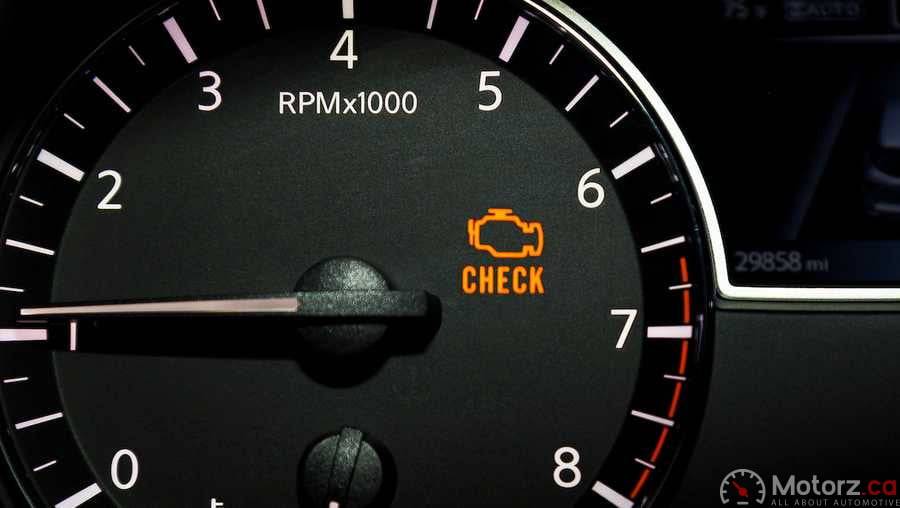



The “Check Engine” light—that dreaded little icon shaped like an engine—is the bane of every Jamaican driver’s existence. It flashes on, often without warning, turning your easy drive down the bustling streets of Kingston or the scenic A1 highway into a moment of sudden anxiety. Should you pull over? Is it serious? Can you really just ignore it?
While this Engine Light can signal hundreds of potential issues, in Jamaica’s unique tropical climate—with its high humidity, sometimes volatile fuel quality, and intense heat—some problems pop up far more often than others.
Ignoring the Check Engine Light (CEL) isn’t just a Engine Light; it’s a guaranteed way to turn a minor repair into an expensive engine catastrophe. Your car’s computer, the Engine Control Unit (ECU), is trying to tell you something specific.
This in-depth guide is designed specifically for Jamaican drivers. We’ll break down the top four most common reasons your CEL is illuminated in the Kingston area, focusing on how the heat, humidity, and traffic conditions accelerate these issues. We’ll help you decode the signal and take the right next steps to keep your vehicle running smoothly and efficiently.
The Fuel System Culprit: Loose or Faulty Gas Cap
It sounds too simple to be true, but one of the most frequent (and easiest to fix!) causes of the CEL is directly related to your fuel Engine Light. In the context of a busy city like Kingston, where quick service station stops are the norm, this issue is amplified.
The Evaporative Emissions Control (EVAP) System
Your car has a sophisticated system called the EVAP system. Its job is to capture and store the petrol vapour that evaporates from your fuel tank, preventing it from polluting the air. This system needs to be completely sealed, or “hermetic,” to work correctly.
Why the Gas Cap Fails in Tropical Heat
Seal Degradation: The Jamaican sun is Engine Light. The intense, year-round heat and UV exposure cause the rubber or plastic seal on your gas cap to degrade, crack, or harden much faster than in cooler climates. This creates tiny gaps.
Human Error in Rush Hour: In the constant rush of Kingston traffic and service station queues, it’s easy to forget to tighten the cap until you hear the required “click.” A loose cap allows the fuel vapours to escape.
The ECU’s Reaction
When the ECU detects an evaporative leak—even a small one caused by a tiny crack in the seal or a loose cap—it can’t maintain the required vacuum pressure in the fuel tank. It interprets this drop in pressure as a system failure and immediately triggers the Check Engine Light.
What to Do: Before panicking and driving to the garage, simply pull over, remove your fuel cap, inspect the rubber gasket for cracks, and securely tighten it until you hear at least one Engine Light. After several driving cycles, the light may turn off on its own. If it doesn’t, you may need a replacement cap, which is a cheap and easy repair.
Oxygen Sensor Failure: The Humidity and Fuel Factor
The Oxygen Sensor (often called the O2 sensor or Lambda sensor) is a critical component located in your exhaust system. Its job is to monitor the amount of unburnt oxygen leaving the engine. This data is fed back to the ECU, which then adjusts the fuel-to-air mixture for optimal performance and emissions.
The Double-Edged Sword of Jamaican Climate
Rich Fuel Mixtures and Carbon Build-up: Due to the combination of high ambient temperatures and Kingston’s stop-and-go traffic, Engine Light often experience what’s called a “rich fuel mixture.” This means the engine is burning slightly more fuel than necessary. This rich condition, combined with the occasional low-quality fuel batch, leads to excessive soot and carbon deposits building up on the sensor tips.
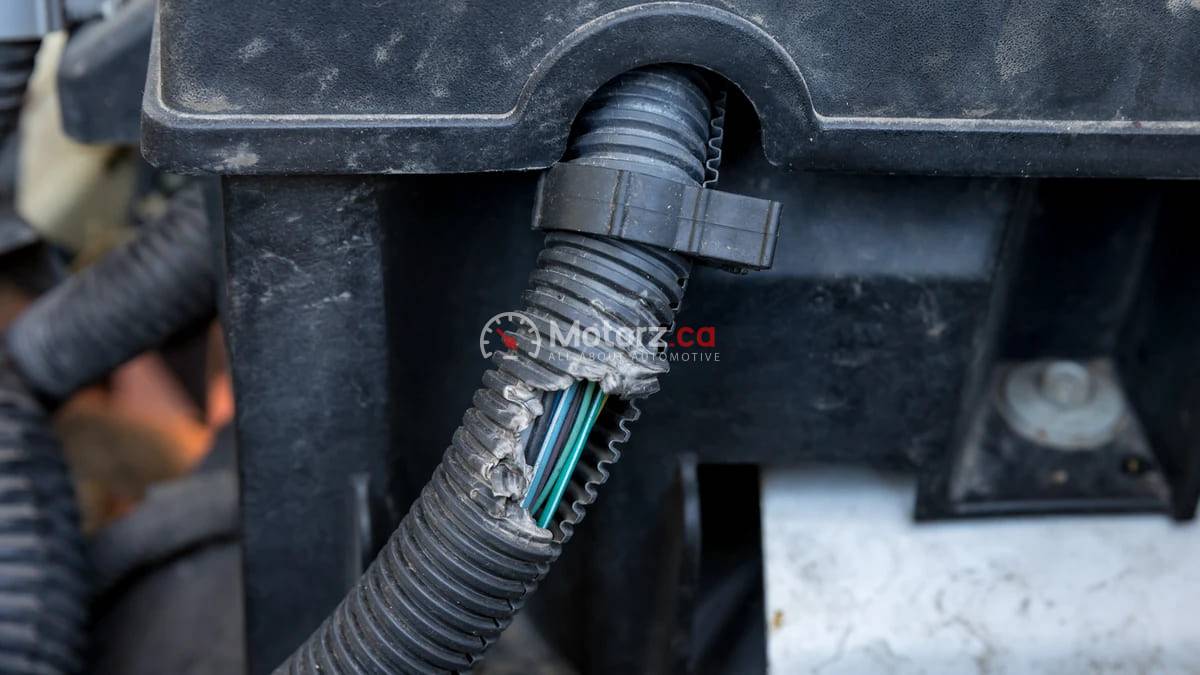
Humidity and Electrical Corrosion: Jamaica’s high ambient humidity can lead to moisture infiltration and corrosion in the sensor’s electrical connectors and wiring harness. Over time, this corrosion disrupts the delicate voltage signal the sensor sends to the ECU.
Consequences of a Failing O2 Sensor
When the sensor Engine Light or becomes sluggish, it sends incorrect data. The ECU, believing the information is accurate, compensates by improperly adjusting the fuel delivery. This usually leads to two costly results:
Poor Fuel Economy: Your engine starts running inefficiently, wasting fuel—a significant expense given local petrol prices.
Increased Emissions: The car pollutes more, and crucially, it often fails emissions testing (fitness).
What to Do: A diagnostic scan will often confirm a fault code (like P0133 or P0171) related to the O2 sensor. This part generally needs replacement, as cleaning it is often a temporary fix. Prompt replacement ensures your engine operates efficiently and protects your catalytic converter (a far more expensive component).
The Catalytic Converter Under Stress: Heat and Mismanagement
The Catalytic Converter is perhaps the most expensive single component related to the Check Engine Light. Its purpose is to convert harmful exhaust pollutants (like carbon monoxide and nitrogen oxides) into less harmful gases before they exit the Engine Light.
Why Cats Fail Faster in Jamaican Conditions
Engine Mismanagement from Other Faults: This is the primary cause. A catalytic converter rarely fails on its own. It is usually a victim of one of the other issues listed here. For instance, if you have a failing O2 sensor (H2.2) or a spark plug issue (H2.4), unburnt petrol enters the exhaust system and reaches the catalytic converter.
Thermal Overload: The converter operates at extremely high temperatures. When excess fuel burns inside the catalyst matrix (called “raw fuel ignition”), the temperature spikes to dangerous levels, literally melting the internal ceramic structure. In the intense ambient heat of Kingston, this thermal overload happens faster and more frequently.
Pothole Impact: While not strictly climate, the state of the roads can’t be Engine Light. Severe impacts from hitting large potholes at speed can physically damage the catalytic converter housing or the oxygen sensors mounted on it, leading to a CEL activation.
Symptoms of a Failed Catalytic Converter
A CEL often illuminates with codes like P0420 (Catalyst System Efficiency Below Threshold). Other symptoms you may notice are:
A noticeable lack of power or sluggish acceleration.
A rotten egg smell (sulphur) from the exhaust.
The car may feel like it’s struggling to “breathe” under Engine Light.
What to Do: If your scan confirms a converter failure, you must address the root cause (e.g., spark plugs or O2 sensor) before replacing the converter itself. Otherwise, the new unit will also quickly fail. This is a complex, expensive repair, underscoring why you should never ignore a minor CEL issue.
Ignition System Problems: Spark Plugs and Coils
The engine needs a strong spark, at the exact right moment, to ignite the air-fuel mixture. This is the job of the ignition system, which includes the spark plugs and ignition coils.
The Impact of High Mileage and Humidity
Many vehicles in Jamaica are imported used, meaning they arrive with higher mileage and potentially aging ignition Engine Light. This factor, combined with the environment, creates perfect conditions for failure.
Spark Plug Fouling: As mentioned, if your vehicle runs rich (too much fuel), the spark plugs can become “fouled” with carbon deposits. A fouled plug cannot fire efficiently, leading to a misfire. The ECU detects this misfire (often showing codes like P0300, P0301, etc.) and turns on the CEL to prevent damage to the catalytic converter.
Coil Pack Cracks and Moisture: Ignition coils sit on top of the spark plugs and are responsible for generating the high voltage spark. The intense heat cycling in Kingston can cause microscopic cracks in the plastic housing of the ignition coils. The high ambient humidity (moisture) then penetrates these cracks, causing an internal short circuit and failure, leading to an intermittent or constant misfire.
Why Misfires are Dangerous
A misfire is when one cylinder fails to contribute Engine Light. At best, it causes rough idling and poor performance. At worst, it pumps unburnt fuel into the exhaust, which, as we established in H2.3, can destroy your catalytic converter instantly.
What to Do: If you feel a rough idle or the engine hesitates under acceleration, immediately suspect the ignition system. A simple repair (replacing all spark plugs or a faulty ignition coil) is a far better outcome than needing a new catalytic converter. Regular replacement of spark plugs (as per the manufacturer’s schedule) is essential preventative maintenance for any car operating in the Jamaican climate.