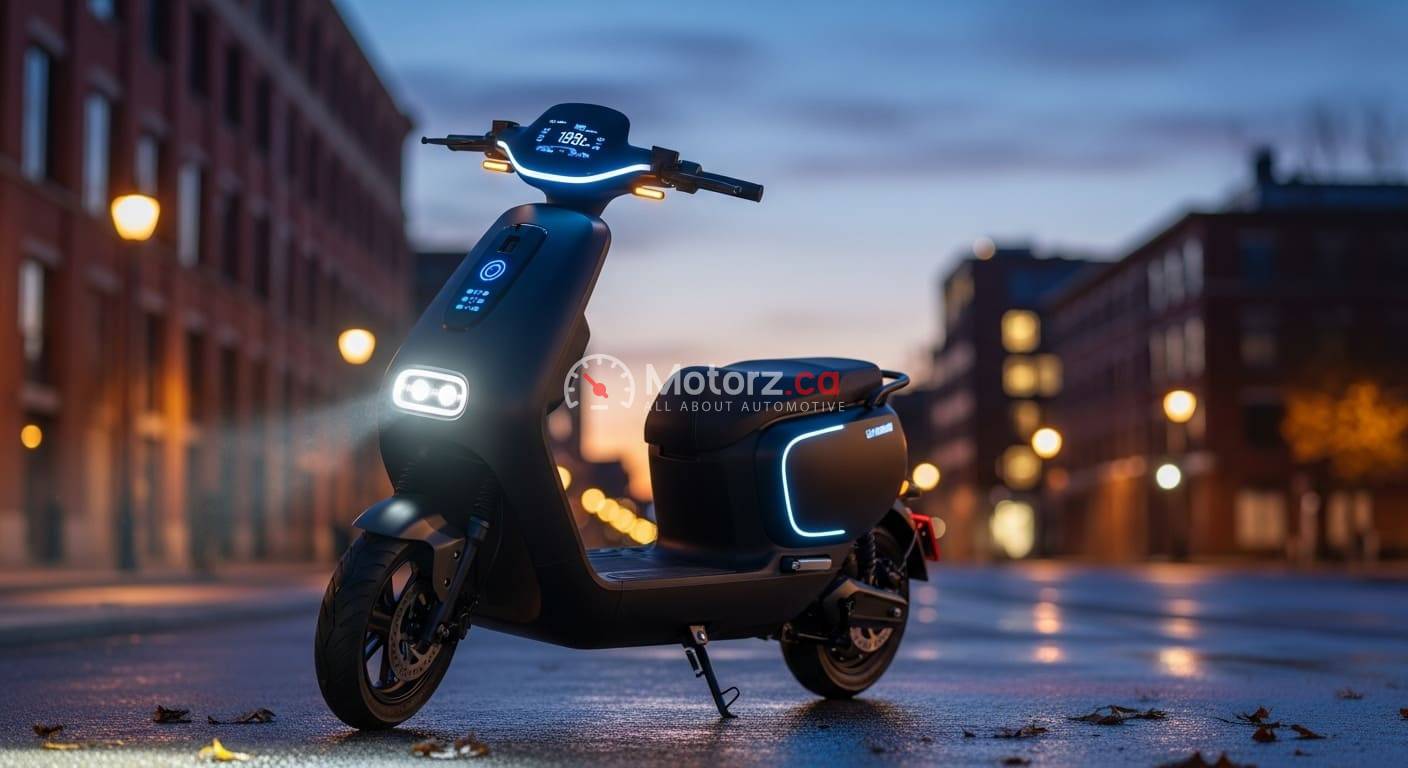

Kingston, Jamaica, a city pulsating with vibrant energy, is no stranger to the global shift towards micro-mobility. The sight of an electric scooter zipping through the city streets, offering a quick, affordable, and environmentally friendlier alternative to gridlock traffic, is becoming increasingly common. But as these personal electric vehicles (PEVs) soar in popularity, so too does the complexity of the laws that govern them.
For residents, commuters, and visitors eager to embrace this new mode of transport, understanding the current and upcoming Electric Scooter Laws in Kingston, Jamaica, for 2025 is not just advisable—it’s absolutely critical for safe and legal riding. The enforcement of the stringent new Jamaica Road Traffic Act (2023) has brought a renewed focus on road safety and compliance for all vehicles, including new categories like e-scooters.
This comprehensive guide breaks down the essential information you need to operate your electric scooter legally and safely in the busy capital city of Jamaica this year. We’ll delve into the expected legal classification, mandatory equipment, required documentation, and the serious penalties for non-compliance.
The Legal Classification: Is an Electric Scooter a Motor Vehicle in Jamaica?
The most fundamental question determining your legal obligations is how the Jamaican law classifies an electric scooter. Unlike bicycles, the presence of a motor—even a low-powered electric one—brings the device under the scrutiny of the Road Traffic Act, 2018, and its subsequent 2023 Regulations.
The “Motor Vehicle” Status and the Road Traffic Act (2023)
While the search results indicated that other regional traffic amendments explicitly define “e-scooters” as a type of electric-powered vehicle, Jamaican law generally classifies vehicles with mechanical propulsion (which includes electric motors) as motor vehicles.
The prevailing sentiment and enforcement trend in Jamaica classify most electric scooters—especially those capable of speeds exceeding low pedestrian pace—as either a motor vehicle or, more specifically, a moped or motorcycle for regulatory purposes. This distinction is crucial because the classification dictates every other requirement: licensing, registration, insurance, and road use.
Key Takeaway: Assume your personal electric scooter is a motor vehicle and subject to all associated legal requirements until officially declared otherwise by the Island Traffic Authority (ITA) or the Ministry of Transport. Riding on public roads without complying with motor vehicle laws is a serious offense in Kingston.
The Importance of Specifications
The dividing line between a casual PEV and a regulated motor vehicle often comes down to technical specifications:
Maximum Power Output (Watts): Scooters exceeding a specific wattage limit (e.g., 250W or 750W, depending on the final regulation) are almost certainly classified as motor vehicles.
Maximum Design Speed: E-scooters capable of high speeds are also treated more like motorcycles or mopeds. Many international regulations cap legal, less-regulated e-scooters at ≈20 km/h (12.5 mph) or ≈25 km/h (15.5 mph).
If your e-scooter falls into the higher power/speed category, expect it to require full motor vehicle compliance.
Documentation and Compliance: Registration, Licensing, and Insurance
If your electric scooter is indeed classified as a motor vehicle or a similar category (like a moped), you are legally obligated to meet strict documentation requirements under the Jamaica Road Traffic Act (2023).
Driver’s Licence Requirement
For vehicles classified as mopeds or motorcycles, a valid driver’s license is mandatory.
Likely Requirement: You will need a valid Jamaican Driver’s Licence with the appropriate class (e.g., a General Driver’s Licence or a specific classification for motor-driven cycles) to legally operate an electric scooter on public roads in Kingston. The minimum age for a standard motorcycle license is 17 years for small engines and 18 for larger ones, suggesting a similar minimum age for e-scooter operation.
Penalty Risk: Driving without the required permit or driver’s license is a significant offense under the new Act, with potential fines reaching J$40,000 or more, alongside demerit points and possible seizure of the vehicle.
Vehicle Registration and Fitness
All motor vehicles operating on public roadways in Jamaica must be registered with the Island Traffic Authority (ITA) and possess a valid Certificate of Fitness.
Registration: Your e-scooter may need to be registered and display a license plate, similar to a motorbike. You should check with the ITA on the specific process for registering personal electric vehicles.
Certificate of Fitness: The vehicle must pass an inspection to ensure it is roadworthy, including proper brakes, lights, and a functional horn.
Mandatory Insurance Coverage
Third-party liability insurance is mandatory for all motor vehicles in Jamaica.
Insurance Requirement: You must have the requisite third-party liability insurance for your electric scooter before using it on public roads.
Penalty Risk: Driving without the required insurance can result in heavy fines, potentially up to J$20,000, and the vehicle being seized.
Safety and Equipment: Mandatory Gear in Kingston
Road safety is a paramount concern for the Jamaican government. The new traffic laws are strict about personal safety gear and vehicle equipment.
The Mandatory Helmet Law
One of the most clear-cut laws for two-wheeled motorized transport is the helmet requirement.
Helmet Rule: The law already requires that an appropriate helmet be worn when riding a moped or motor scooter. Given the classification of e-scooters as motor vehicles, it is highly recommended and likely mandatory that all electric scooter riders wear a secure, protective helmet at all times while riding in Kingston. This protects the rider and demonstrates compliance with safety best practices.
E-Scooter Safety Equipment
To comply with ‘roadworthy’ standards, your e-scooter must have certain safety features, especially when riding at night or in low visibility:
Functional and efficient braking system.
Working headlights (white light visible from the front).
Working taillights (red light visible from the rear).
Reflective elements or reflectors.
A functional horn.
Where to Ride: Operating Zones in Kingston
A significant source of confusion for e-scooter riders globally is where they are permitted to operate. In Kingston, this is directly tied to the vehicle’s legal classification.
Public Roadways and Cycle Lanes
If your electric scooter is classified as a moped/motor vehicle:
Roads: You are generally permitted to ride on the road and must adhere to all prevailing traffic rules, signs, and signals in Kingston. You must operate on the left side of the road.
Speed Limits: You must strictly follow the posted speed limits. Urban speed limits are generally 50 km/h (31 mph), but depending on the e-scooter’s classification (e.g., if restricted to a lower speed like a moped), you may be prohibited from high-speed arteries or need to adhere to a lower maximum speed.
Cycle Lanes: Where dedicated cycle lanes exist (which are limited but growing in Kingston), these are the safest and preferred areas for e-scooter travel.
Prohibition on Sidewalks and Pedestrian Areas
Crucially, like motorcycles and mopeds, electric scooters are generally prohibited from sidewalks (pavements) and pedestrian-only areas in Kingston. Riding in these zones can lead to tickets and confrontations with law enforcement. Always prioritize pedestrian safety.
Private Property Use
The only universally legal place to ride any electric scooter without needing to meet full road traffic compliance (licence, registration, etc.) is on private land with the explicit permission of the landowner.
Penalties for Non-Compliance in 2025
The Jamaica Road Traffic Act (2023) introduced considerably higher fines and a demerit system to deter traffic violations. Illegally riding an electric scooter in Kingston can result in severe financial and legal consequences.
Major Offenses and Associated Fines
Violation Potential Fine (J$) Consequences
Operating without a valid Driver’s License J$40,000 Licence suspension/revocation, possible arrest.
Driving without mandatory Third-Party Insurance J$20,000 Vehicle seizure, liability exposure in case of accident.
Failure to register the vehicle (No Licence Plate/Decal) Significant Fine (Varies) Vehicle seizure, inability to pay road tax.
Failure to wear a required Helmet (if classified as moped/motorcycle) Significant Fine (Varies) Immediate stop by police, increased injury risk.
Using a handheld mobile phone while riding J$10,000 Distracted driving violation.
Export to Sheets
The Demerit System
The 2023 Act introduced a robust demerit points system. Accumulated points from traffic violations, including those incurred on an illegal or non-compliant e-scooter, can lead to the suspension or revocation of your driver’s license. This applies even if you were operating a car, making compliance with e-scooter laws essential for all licensed drivers.
Recommendations for Current and Prospective E-Scooter Riders
Riding an electric scooter in Kingston can be a fantastic way to commute and explore, but only if done within the bounds of the law. Here are our top recommendations for all e-scooter users in 2025:
Prioritize Official Verification
Consult the Experts: Before purchasing or regularly using an electric scooter on public roads, contact the Island Traffic Authority (ITA) or the Jamaica Customs Agency for the absolute latest and most specific regulatory guidance. Ask directly about the classification, registration process, and required documentation for your model’s exact specifications (wattage and speed).
Check Local By-Laws: Municipal authorities in Kingston may also have local by-laws concerning the use of micro-mobility devices on certain roads or in designated zones.
Invest in Safety and Compliance
Wear a Helmet: Treat the helmet as mandatory. An approved, secure helmet should be worn on every ride.
Ensure Visibility: Equip your e-scooter with bright lights and reflective materials. Kingston’s streets can be dark and busy; visibility is non-negotiable.
Rider Education: Understand the fundamental rules of the road in Jamaica. This includes driving on the left, knowing right-of-way rules for roundabouts, and exercising extreme caution around larger vehicles.
The Future of E-Scooter Share Programs in Kingston
If you are a visitor or prefer not to own a scooter, keep an eye on developments for approved e-scooter rental/share programs (like those seen in other international cities). These trial programs often include a licensing and insurance component within the rental fee, potentially offering a legally compliant way to ride without the individual burden of registration.