


Why Every Ontario Driver Needs an Emergency Kit
Before we dive into the Roadside Emergency Kit items, let’s understand why this is so crucial, particularly for drivers in Ontario.
Diverse Driving Conditions
Ontario boasts a vast network of Roadside Emergency Kit, from bustling urban highways to remote rural routes. Depending on where you’re driving, help might be minutes or hours away. A breakdown on a busy 400-series highway requires different safety considerations than one on a quiet country road, but in both scenarios, being self-sufficient for a short period is paramount.
Extreme Weather Variations
Ontario experiences the full spectrum of Roadside Emergency Kit. Summers can bring intense heat, sudden thunderstorms, and even tornadoes. Winters are notorious for heavy snowfall, blizzards, freezing rain, and dangerously low temperatures. Each season presents its own unique set of risks and necessitates specific items in your emergency kit.
Personal Safety & Peace of Mind
Being stranded can be frightening. A well-prepared Roadside Emergency Kit empowers you to handle the immediate situation, keeping you and your passengers safe from traffic, the elements, and potential hazards. Knowing you have the tools to change a tire, signal for help, or keep warm provides invaluable peace of mind.
The Core Essentials: Year-Round Must-Haves
These are the fundamental items that should be in your vehicle at all times, regardless of the season. Think of them as your primary line of defense against common roadside issues.
Vehicle Maintenance & Repair Basics
Jumper Cables: A dead battery is a common Roadside Emergency Kit. High-quality jumper cables (at least 10-12 feet long, 4-6 gauge) are essential for getting a jump start.
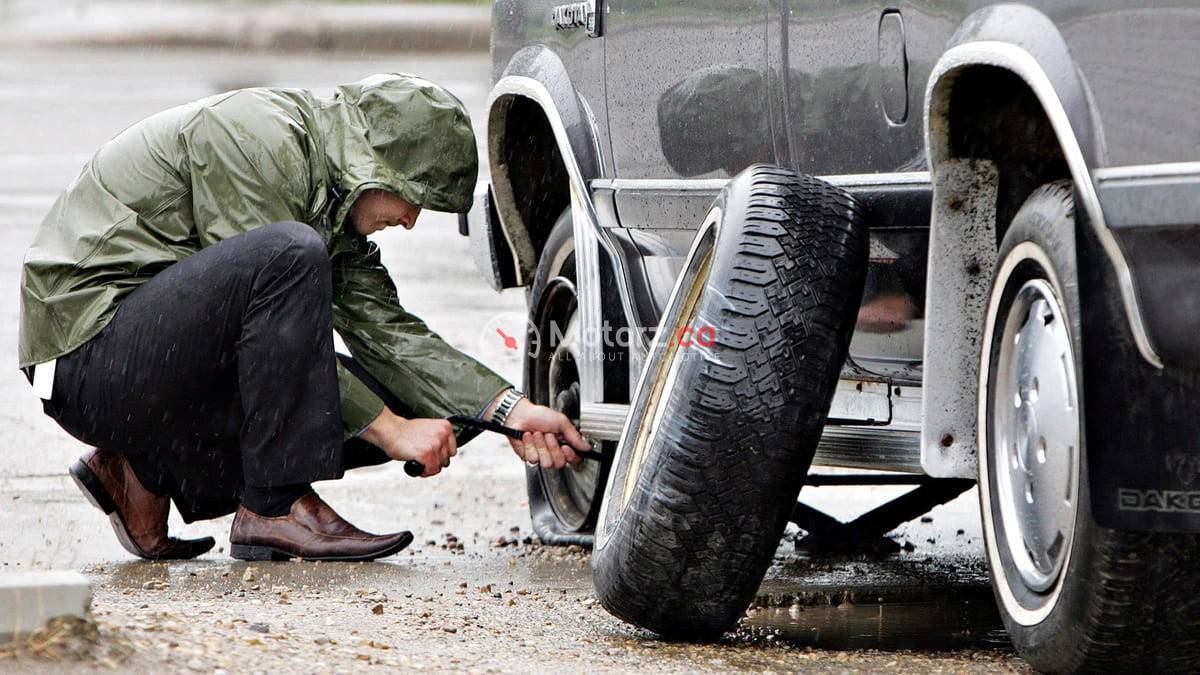
Spare Tire, Jack, and Lug Wrench: Ensure your spare tire is properly inflated and that you know how to use your jack and lug wrench. Practice at home if you’re unsure.
Tire Pressure Gauge: Regularly check your tire Roadside Emergency Kit, as proper inflation is critical for safety and fuel efficiency.
Tire Inflator Sealant: For minor punctures, a can of tire inflator sealant can provide a temporary fix to get you to a service station.
Basic Tool Kit: Include a multi-tool, screwdrivers Roadside Emergency Kit, pliers, and an adjustable wrench. These can be invaluable for minor repairs or adjustments.
Duct Tape & Zip Ties: The universal fixers! Great for temporary repairs of hoses, mirrors, or securing loose items.
Brake Fluid, Engine Oil, Coolant, Washer Fluid: Small bottles of these essential fluids can top up low levels and prevent further damage until you can reach a mechanic.
Fuses: A blown fuse can disable various Roadside Emergency Kit components in your car. Keep a selection of common fuses specific to your vehicle.
Safety & Visibility Items
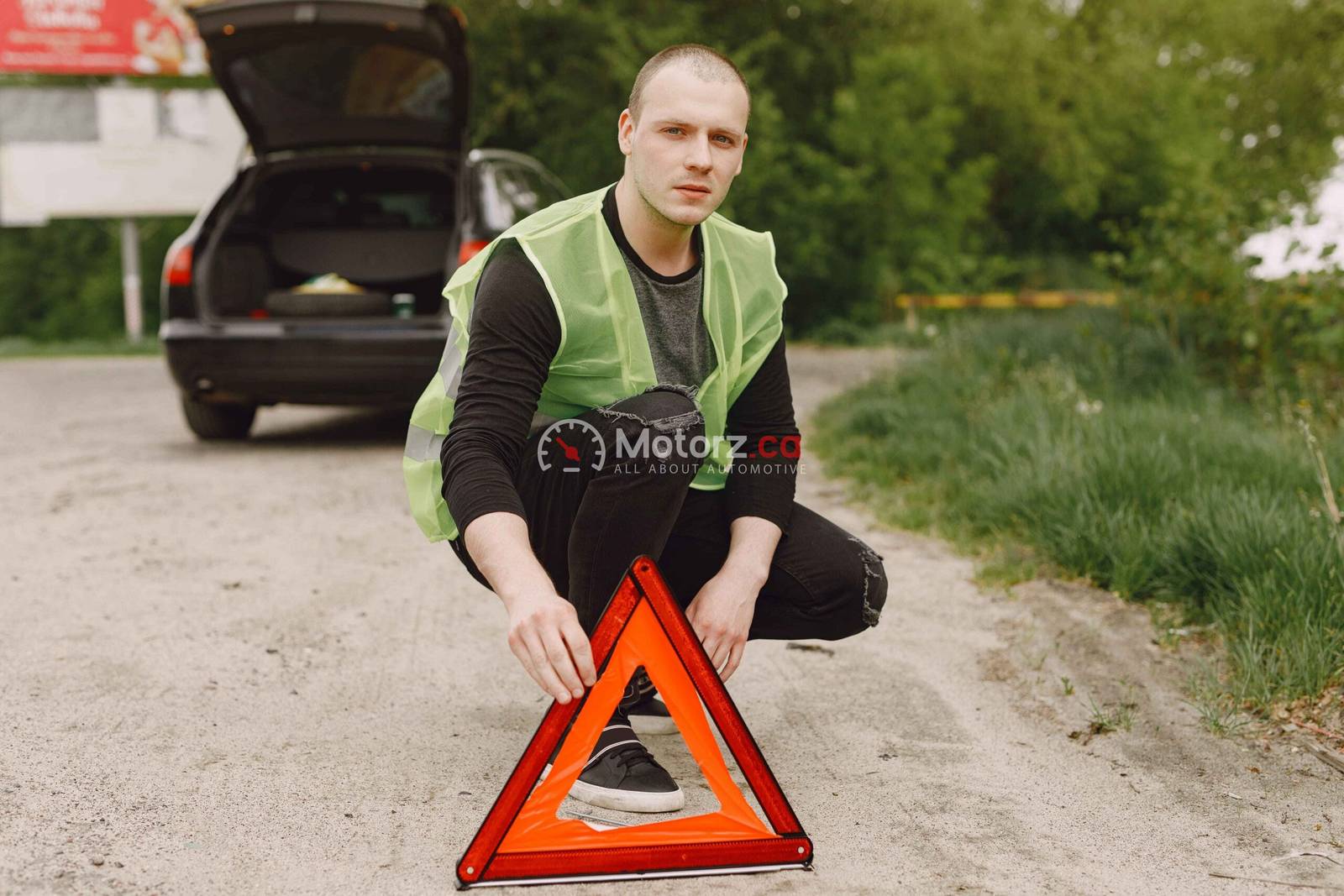
Reflective Triangle or Flares: Absolutely crucial for making your vehicle visible to other drivers, especially at night or in poor weather Roadside Emergency Kit. Place them well behind your car.
High-Visibility Vest: Wear this if you need to be outside your vehicle on a busy road. It significantly increases your visibility to oncoming traffic.
Flashlight & Extra Batteries: Essential for examining your vehicle, reading maps, or walking to safety in the dark. LED flashlights are bright and energy-efficient.
Work Gloves: Protect your hands from grease, sharp edges, and extreme temperatures when working on your vehicle.
First-Aid Kit: A comprehensive kit should include bandages, antiseptic wipes, gauze, medical tape, pain relievers, allergy medication, scissors, and tweezers.
Fire Extinguisher: A small, automotive-specific fire Roadside Emergency Kit (Class B and C for flammable liquids and electrical fires) can be a lifesaver in the event of an engine fire.
Whistle: For attracting attention if you’re in distress, especially in remote areas.
Communication & Navigation
Fully Charged Cell Phone & Portable Charger: Your primary means of communication. Always ensure your phone is charged, and a portable power bank is invaluable.
Car Charger for Cell Phone: So you can Roadside Emergency Kit your phone directly from your vehicle’s power outlet.
Physical Map: In areas with no cell service, a traditional map of Ontario can be your only way to navigate or find help.
Emergency Contact Information: Keep a physical list of emergency contacts, including family, roadside assistance, and your insurance provider, in case your phone is dead or lost.
Personal Comfort & Survival
Bottled Water: Essential for hydration, especially in warm weather, or for cooling down an overheated engine.
Non-Perishable Snacks: Energy bars, dried fruit, nuts, or crackers can keep hunger at bay while you wait for help.
Small Blanket or Emergency Thermal Blanket: Provides warmth in cooler temperatures and can be a comfort item.
Wet Wipes or Hand Sanitizer: For cleaning up after working on your car or before eating.
Plastic Bags: For trash, soiled items, or as temporary rain protection.
Seasonal Additions: Tailoring Your Kit to Ontario’s Weather
While the core essentials are always needed, Roadside Emergency Kit distinct seasons necessitate adding specific items to your kit.
Winter Driving Necessities (November to April)
Ontario winters can be brutal, making these items non-negotiable for anyone driving in the colder months.
Shovel (Folding): Indispensable for digging your tires out of snow or clearing snow around your vehicle.
Bag of Sand, Salt, or Non-Clumping Cat Litter: Provides traction if your tires are stuck on ice or snow.
Warm Blanket(s) & Extra Warm Clothing: If your car Roadside Emergency Kit down and the heater isn’t working, these can prevent hypothermia. Think hats, gloves, scarves, and extra layers.
Booster Cables (Cold Weather Specific): Some heavy-duty cables are designed to perform better in extreme cold.
Ice Scraper & Snow Brush: Legally required in some areas and essential for maintaining clear visibility.
Windshield Washer Fluid (Winter Formula): Prevents freezing and effectively clears salt and slush. Keep an extra jug in your trunk.
Candle & Metal Can: A small candle inside a metal can (with ventilation) can provide a surprising amount of warmth in a stopped car, but use with extreme caution to prevent fire and ensure ventilation to avoid carbon monoxide buildup.
Matches or Lighter: For the candle, or for starting a small signal fire if truly stranded in a remote area (know local fire regulations).
Summer Driving Considerations (May to October)
While generally less perilous than winter, summer driving has its own set of challenges.
Extra Water: Crucial for staying hydrated in high temperatures.
Sunscreen & Hat: Protect yourself from sun exposure if you’re outside your vehicle for an extended period.
Insect Repellent: Especially important if you break down in a wooded or rural area where mosquitoes and other bugs are prevalent.
Cooler with Ice: Can keep drinks and some snacks fresh, and can also be used to keep medications cool if necessary.
Advanced & “Nice-to-Have” Items
Once you have your core and seasonal kits sorted, consider these additional items for extra preparedness and convenience.
Portable Air Compressor: Small 12V compressors can quickly inflate a flat tire or adjust tire pressure.
Small Fire Extinguisher: As mentioned, but a higher-rated one if you frequently carry flammable materials.
Multi-Function Power Bank: Beyond charging your phone, some can jump-start your car or power small electronics.
Headlamp: Frees up both hands for working on your vehicle in the dark.
Small Tarp: Can provide shelter from rain or sun, or a clean surface to work on.
Duct Tape / Electrical Tape: For quick, temporary fixes.
Puncture Repair Kit (for tubeless tires): If you’re comfortable using one, this can fix larger punctures than sealant alone.
Work Lights (Portable LED): Brighter than a flashlight, making it easier to see under the hood or around the tires.
Roadside Assistance Membership Card: While not a physical item in your kit, having a membership with CAA or a similar service is an invaluable component of your emergency plan.
Pet Supplies (if applicable): If you travel with pets, include extra water, food, a bowl, and any necessary medications for them.
Storing and Maintaining Your Kit
Simply assembling a kit isn’t enough; proper storage and regular maintenance are key to its effectiveness.
Storage Tips
Durable Container: Use a sturdy, waterproof container or duffel bag to keep everything organized and protected from moisture and dust. Plastic bins with latches are ideal.
Accessibility: Store your kit in an easily accessible location, like your trunk, but ensure it’s not buried under other luggage.
Weight Distribution: For larger kits, ensure the weight is evenly distributed in your trunk.
Regular Maintenance
Check Expiry Dates: Medications, food, and even some tire sealants have expiry dates. Replace them regularly.
Test Batteries: Periodically check flashlight batteries and replace them if they’re weak or corroded.
Inspect Spare Tire: Ensure your spare is properly inflated and in good condition.
Review Contents Seasonally: Before winter and summer, review your kit and add or remove seasonal items.
Replenish Used Items: If you use something from your kit, replace it as soon as possible.
Beyond the Kit: Driver Preparedness & Best Practices
While an emergency kit is vital, an equally important component of roadside safety is responsible driving and ongoing vehicle maintenance.
Vehicle Maintenance
Regular Servicing: Follow your Roadside Emergency Kit manufacturer-recommended maintenance schedule.
Tire Checks: Regularly inspect tires for wear, damage, and correct pressure.
Fluid Levels: Keep an eye on oil, coolant, brake fluid, and windshield washer fluid levels.
Battery Health: Have your battery tested Roadside Emergency Kit, especially before winter.
Driving Habits
Stay Focused: Avoid distractions like cell Roadside Emergency Kit.
Obey Speed Limits: Especially in adverse weather.
Maintain Safe Following Distances: Gives you more time to react.
Know Your Route: Be aware of road conditions and potential Roadside Emergency Kit, especially in unfamiliar areas.
Tell Someone Your Travel Plans: If you’re Roadside Emergency Kit on a long trip, especially to a remote area, let someone know your route and estimated arrival time.