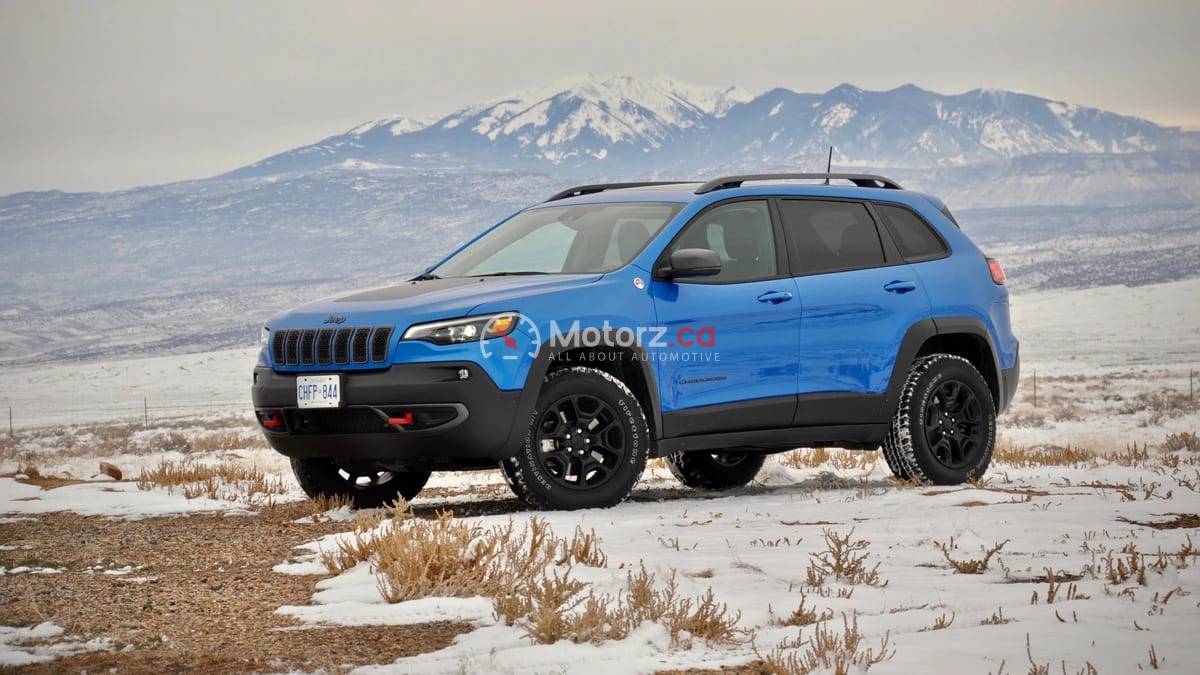

For many owners of Stalling Scandal, Jeep, and Ram vehicles, the road has been anything but smooth. A massive class-action lawsuit has brought a terrifying reality to light: thousands of drivers have reported their vehicles suddenly losing power and stalling while in motion—sometimes at highway speeds or in the middle of busy intersections.
This isn’t just a mechanical annoyance; it is a life-threatening safety defect. The legal battle against FCA US LLC (Fiat Chrysler Automobiles) alleges that the company sold these vehicles while knowing they contained a flaw that could cause the engine to shut down without warning. As we move through 2026, the fallout from this scandal continues to impact thousands of Canadian and American car buyers.
In this comprehensive guide, we will break down the “Tigershark” engine controversy, the specific models affected, and the legal remedies available to those who find themselves behind the wheel of a potential “rolling brick.”
The Heart of the Issue: The 2.4L Tigershark Engine
At the center of the most prominent lawsuit is the 2.4-liter Tigershark MultiAir II engine. While designed for fuel efficiency and performance, thousands of owners discovered a hidden appetite: the engine allegedly consumes oil at a rate far beyond industry norms.
The “Oil Consumption” Trap
The lawsuit alleges that a defect in the piston rings and cylinder walls allows oil to escape into the combustion chamber.
Rapid Depletion: Some drivers reported losing a quart of oil every 750 to 1,000 miles.
No Warning: Most modern cars have a “low oil” warning light, but victims of this defect claim their cars provided no alert. The first sign of trouble was the engine abruptly shutting off as a safety measure once oil pressure dropped too low.
Why Stalling is So Dangerous
When an engine stalls at speed, the driver loses power steering and power braking assistance. This makes a 4,000-lb SUV incredibly difficult to maneuver, significantly increasing the risk of a rear-end collision or a loss-of-control accident.
Which Models are Stalling Scandal
The litigation and subsequent recalls have spanned a wide range of popular vehicles. If you own one of the following, you should be checking your oil levels weekly.
The Tigershark Lineup
The primary class-action settlement (Wood v. FCA) covered vehicles equipped with the 2.4L engine, including:
Jeep Cherokee: 2014–2019
Jeep Compass: 2017–2018
Jeep Renegade: 2015–2018
Chrysler 200: 2015–2016
Dodge Dart: 2013–2016
Ram ProMaster City: 2015–2018
- Fiat 500X: 2016–2018
Newer Recalls (2021–2026 Updates)
In more recent years, other stalling issues have emerged involving different powertrains.
Ram 1500 (5.7L eTorque): Recalled for software glitches that caused incorrect fuel mixtures and sudden stalling.
Jeep Wrangler & Gladiator (3.0L Diesel): Affected by high-pressure fuel pump failures that could cause the engine to cut out.
Jeep Grand Cherokee: Issues with crankshaft position sensors have led to additional stalling reports.
The Legal Fallout: Settlement and Extended Warranties
The legal pressure on Stellantis (the parent company of FCA) has resulted in significant wins for consumers, though many argue it doesn’t go far enough.
The 108 Million Dollar Settlement
A federal judge previously approved a settlement valued at roughly 108 million, which provided several key benefits for owners of Tigershark-equipped vehicles:
- Extended Powertrain Warranty: Many vehicles had their warranties extended to 7 years or 100,000 miles specifically to cover oil-consumption repairs.
Software Updates: Dealers provided a “Customer Service Notification” (CSN) to update engine software, which aims to improve how the car monitors oil levels.
Reimbursement: Owners who paid out-of-pocket for towing, rental cars, or engine repairs related to oil consumption were eligible to claim those costs back.
Securities Litigation in 2026
In early 2026, a new legal front opened. Investors filed a class-action lawsuit against Stellantis N.V. (STLA), alleging the company made false or misleading statements about its business health and restructuring. This follows a massive “reset” in February 2026 that saw the company’s stock drop significantly after billions in charges were revealed.
What to Do If Your Vehicle Stalls
If your vehicle experiences a sudden loss of power, your priority is safety. Follow these steps to protect yourself and your legal rights:
Identify the Symptoms: Look for rough idling, excessive engine noise, or a “low oil pressure” light that flickers only when you brake.
Weekly Oil Checks: Do not wait for the dashboard light. Use the dipstick. If you are losing more than a quart every 1,000 miles, document it.
Visit the Dealer: Ensure your concern is documented on a Repair Order. Use the specific words: “Engine stalled while driving.” This creates a paper trail essential for Lemon Law claims.
Check Your VIN: Visit the official recall databases to see if your car has an open “Safety Recall” or “Customer Service Notification.”
A Continued Battle for Consumer Safety
The FCA engine stalling lawsuit serves as a reminder that “buyer beware” still applies even to modern, high-tech vehicles. While settlement funds and extended warranties provide some relief, the underlying stress of driving a vehicle that might quit in traffic remains a reality for many.
If you are looking at a late-model used Jeep or Ram, verify its service history and ensure all recall work has been completed. For current owners, staying informed about the 2026 legal updates is the best way to ensure you aren’t left holding the bill for a manufacturer’s defect.