
The festive season is a time for Roadside Testing, family gatherings, and travel. However, it is also the most dangerous time of year on our roads. For decades, the “festive RIDE” or roadside stop was a game of observation—officers looking for bloodshot eyes or the smell of alcohol. But as we move into 2026, the era of guessing is officially over.
In this edition of Lorraine Explains, we are looking at the massive shift in how law enforcement handles roadside stops. With new technology and stricter legislation, “I only had two” is no longer a viable defense. From oral fluid drug testers to advanced breathalyzers, the focus this year is on testing, not guessing.
If you are planning on heading out to a holiday party or driving to visit relatives, here is exactly what you need to know about the new reality of roadside enforcement and how to keep your license—and your life—safe.
The Death of the “Sniff Test”: Advanced Roadside Testing
In years past, an officer needed “reasonable suspicion” to demand a breath sample in many jurisdictions. Today, Mandatory Alcohol Screening (MAS) laws and new drug-detection devices have changed the landscape.
Oral Fluid Drug Screeners
One of the biggest changes at festive Roadside Testing stops this year is the widespread use of oral fluid drug testers. These handheld devices can detect the presence of THC (cannabis) or cocaine in a driver’s saliva within minutes. Officers no longer have to rely solely on Standardized Field Sobriety Tests (SFST) like walking in a straight line. If the device “pings” for a substance, it provides the legal grounds for further evidentiary testing at a station.
Mandatory Alcohol Screening (MAS)
In many regions, police now have the legal authority to demand a breath sample from any driver they lawfully stop, even if there is no smell of alcohol or admission of drinking. This removes the “guessing” element entirely. If you are pulled over for a broken taillight or at a scheduled festive checkpoint, you may be required to provide a sample immediately.
The Science of the “Morning After”
A major focus for law enforcement this year is the “morning-after” driver. Many people are responsible at the party, taking an Uber or staying over, but they get behind the wheel the next morning thinking they are sober.
Residual Blood Alcohol Concentration (BAC)
Your body processes alcohol at a steady rate—roughly one standard drink per hour. However, if you consumed a significant amount the night before, your BAC may still be over the legal limit at 8:00 AM.
Lorraine’s Insight: Sleep does not sober you up; only time does. Cold showers and black coffee may make you feel more awake, but they have zero impact on the chemical concentration of alcohol in your blood. Roadside sensors don’t care how “awake” you feel—they only read the chemistry.
The Cumulative Effect of Lack of Sleep
Combining a lingering BAC with “sleep debt” from a late night creates a state of impairment that is often worse than being slightly over the limit while well-rested. This year, officers are trained to look for signs of fatigue-related impairment, which can lead to “careless driving” charges even if you blow under the legal limit.
Poly-Drug Impairment: The New Frontier
The most complex challenge for modern roadside stops is poly-drug use—the combination of alcohol and drugs (legal or illegal).
The Synergistic Effect
When you mix a small amount of alcohol with cannabis or even a prescription sedative, the impairing effects don’t just add together; they multiply. A driver might be under the legal limit for alcohol (e.g., .05) and under the legal limit for THC, but the combination makes them dangerously incapacitated.
New testing protocols allow officers to use a combination of electronic screening and Drug Recognition Experts (DRE) to build a case for impairment based on how these substances interact. If you are taking prescription medication, always check the label for warnings about operating heavy machinery—because your car is the heaviest machine you own.
What Happens at a 2026 Roadside Stop?
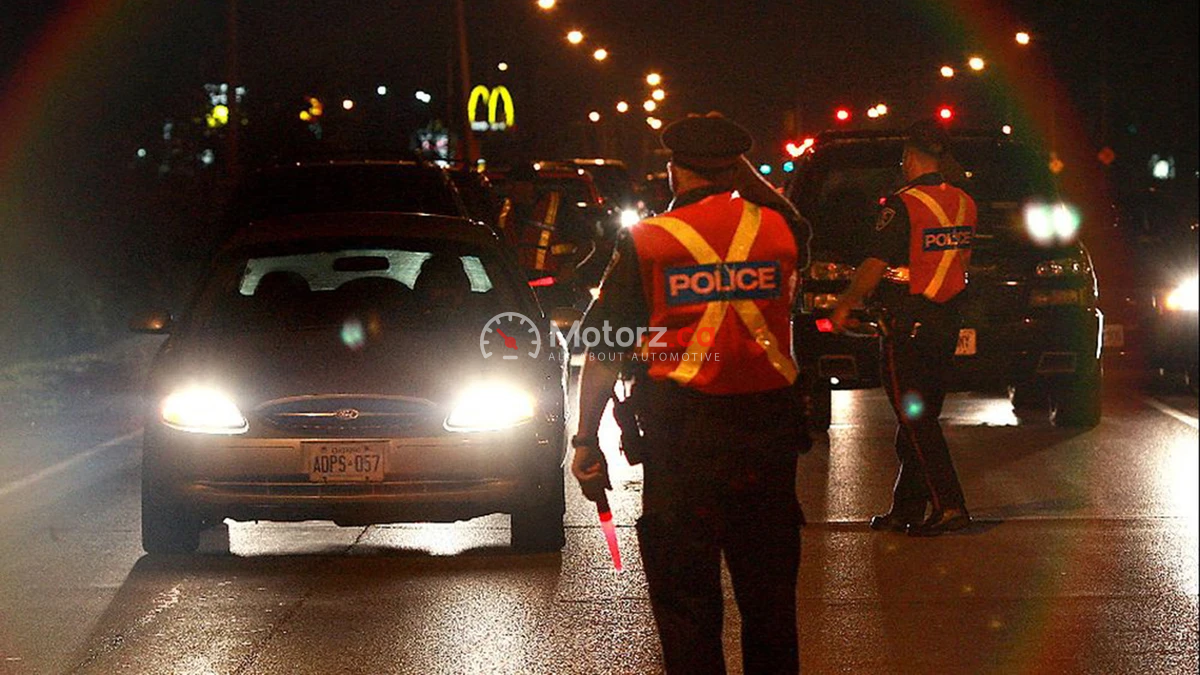
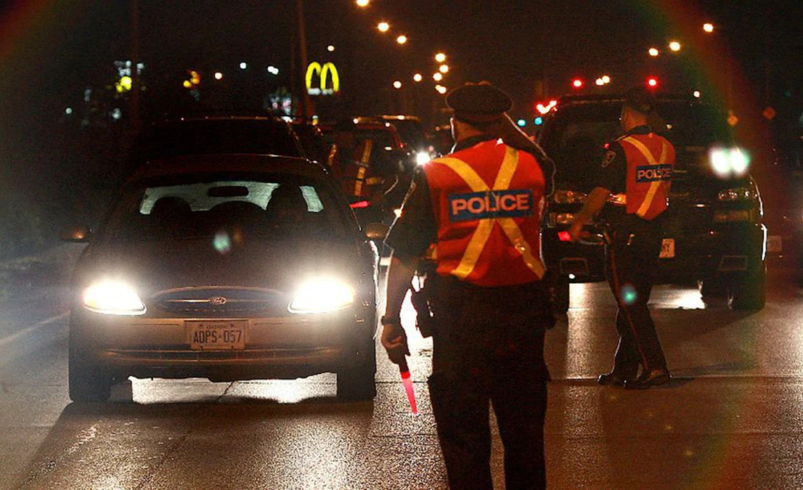
Knowing what to expect can reduce anxiety and ensure you handle the situation correctly. Here is the typical flow of a modern festive checkpoint:
The Initial Greeting: The officer will ask for your license, registration, and insurance. They are observing your manual dexterity and your ability to follow instructions.
The Demand: You may be asked to provide a breath sample into a preliminary breath test (PBT) device. Under MAS laws, refusing to provide this sample often carries the same—or worse—penalties as a failure.
The Saliva Trace: If the officer suspects drug use, they will use a swab to collect oral fluid.
The Result: If you pass, you are on your way in seconds. If you fail, your vehicle will likely be impounded on the spot, and your license will be suspended before you even see a courtroom.
How to Stay Safe: Lorraine’s Festive Checklist
The best way to “beat” a roadside test is to never have a reason to take one. Here are three tips to ensure a stress-free holiday season:
The 12-Hour Rule: If you’ve had a heavy night of celebrations, wait at least 12 hours before getting behind the wheel. Use a ride-share or public transit for that morning-after brunch.
Appoint a “Dry” Captain: A “Designated Driver” isn’t someone who “drank the least.” It is someone who has had zero alcohol.
Trust the Tech: If you’re unsure, personal breathalyzers have become much more accurate in recent years. While they shouldn’t be used to “push the limit,” they can be a great “reality check” the next morning.
The Real Cost of a “Guess”
The financial and social consequences of a failed roadside test have never been higher. Beyond the immediate 90-day license suspension and vehicle impoundment, a conviction can lead to:
Insurance Hikes: Your premiums could triple or you may be moved to a “high-risk” carrier.
Ignition Interlock Requirements: You may be forced to pay for a breathalyzer to be installed in your car for a year or more.
Legal Fees: Defending an impaired driving charge can cost between 5,000 and 20,000 units in legal fees and fines.
Let Science Be Your Guide
This festive season, don’t leave your future to a “guess.” Law enforcement is leaning into technology to make the roads safer for everyone. By understanding that testing is now the standard, we can all make better decisions. Celebrate hard, but plan harder.
Remember: the goal of these roadside stops isn’t to ruin your holiday—it’s to make sure you, and everyone else on the road, get home to celebrate the next one.