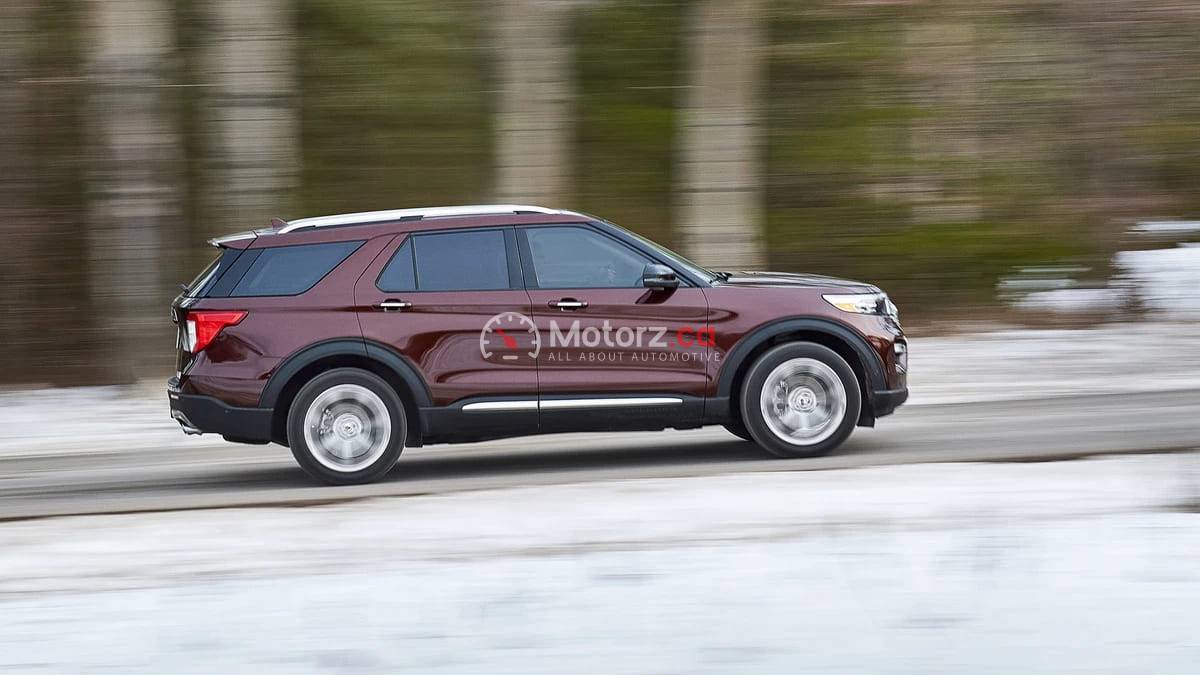

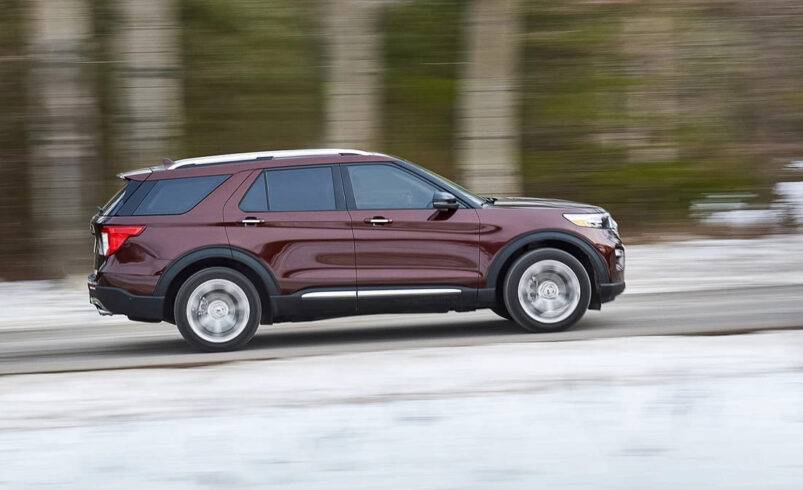

For decades, the Ford Engine Risks and its luxury sibling, the Lincoln Aviator, have served as the backbone of the American family road trip. These three-row SUVs are celebrated for their power, towing capacity, and smooth highway manners. However, a significant safety concern has recently emerged from the factory floor, prompting Ford Motor Company to issue an urgent recall that strikes at the very structural integrity of these vehicles.
Imagine driving down a highway when you suddenly feel a violent vibration, followed by a terrifying “clunk” from the front end. This isn’t a flat tire or a loose piece of trim; it is the engine itself physically shifting because the fasteners securing it to the chassis were never properly tightened. This recall addresses a manufacturing defect that could, in extreme cases, lead to a loss of power or even a fire.
In this comprehensive guide, we will break down the specifics of the Ford engine mount recall, identify exactly which model years are affected, and provide a clear roadmap for getting your SUV inspected and repaired at no cost.
The Core Issue: Why Are These Engine Risks?
To understand this recall, we have to look at the “marriage” between the engine and the vehicle’s frame. In a modern SUV like the Explorer, the engine sits on specialized mounts designed to absorb vibration and keep the powertrain perfectly aligned with the transmission and driveshaft.
The Fastener Defect
According to documents filed with the National Highway Traffic Safety Administration (NHTSA), a specific batch of Ford Explorers and Lincoln Aviators left the assembly line with engine mount bolts that were not torqued to the correct specification. Over time, the natural vibrations of a running engine, combined with the stresses of accelerating and braking, can cause these loose bolts to back out completely or even snap under pressure.
The “Leaning” Engine
If the engine mounts fail or loosen significantly, the engine can physically tilt or shift within the engine bay. This isn’t just a matter of noise; a shifting engine puts immense strain on:
Fuel Lines: If the engine moves too far, it can stretch or sever fuel lines, leading to a leak and a high fire risk.
Electrical Harnesses: Critical sensors and wiring can be pulled apart, causing the vehicle to stall unexpectedly.
The Driveshaft: Misalignment between the engine and the wheels can lead to a catastrophic mechanical failure while the vehicle is in motion.
Affected Models: Is Your SUV on the List?
This recall focuses on recent production runs where assembly line calibration issues were identified. If you own or lease one of the following vehicles, you need to take immediate action.
Ford Explorer (2023–2025)
The bulk of the recall affects the standard Ford Explorer, including the popular XLT, Limited, and ST trims. Specifically, vehicles built during certain windows in late 2023 through early 2025 are being targeted for inspection.
Lincoln Aviator (2023–2025)
As the Aviator shares the same platform and assembly process as the Explorer, the luxury SUV is equally affected. Owners of the Reserve and Black Label trims should check their VINs, as the extra weight of luxury components and higher-output engines can put even more stress on those loose fasteners.
A Note on the 2025 Refresh
While Ford introduced a refreshed design for the 2025 model year, some early-production 2025 units were built using the same assembly protocols as the previous year. Do not assume your car is safe just because it is the “newest” model on the lot.
Recognizing the Red Flags: Symptoms of a Loose Engine
While Ford will notify owners by mail, the mechanical failure can happen before the letter arrives. Watch (and listen) for these three key symptoms:
Heavy Vibration at Idle: If you feel an unusual “shudder” through the steering wheel or seat while stopped at a red light, it may be a sign that an engine mount is no longer dampening the engine’s movement.
Clunking During Gear Changes: When you shift from Park to Drive or Reverse, a loose engine will often “thud” as the torque causes it to pivot on its remaining mounts.
Unusual Noises During Hard Acceleration: A “metallic knocking” sound when you merge onto the highway is a major warning sign that the engine is physically moving under load.
The Repair Process: What Ford is Doing to Fix It
As with all safety recalls, the remedy for this engine mount issue is 100 percent free of charge for the owner. Ford has instructed its dealer network to prioritize these inspections due to the potential for “loss of motive power.”
The Inspection
A technician will use specialized tools to check the torque on all engine mount fasteners. In many cases, the fix is as simple as tightening the bolts to the correct factory specification using a calibrated torque wrench.
The Replacement
If the technician finds that a bolt has already snapped or that the engine mount itself has been damaged due to excessive movement, Ford will replace the entire mounting assembly with new, reinforced hardware. They will also inspect the surrounding fuel and electrical lines to ensure no secondary damage has occurred.
What Owners Should Do Immediately
If you drive an Explorer or Aviator from the affected years, follow these steps to ensure your safety:
Run Your VIN: Visit or the Ford Owner Support website. Enter your 17-digit Vehicle Identification Number (found on the driver-side dashboard or your insurance card) to see if your SUV has an open recall.
Contact Your Local Dealer: If your vehicle is flagged, call your local Ford or Lincoln service center. Mention the “Engine Mount Fastener Recall” to ensure they have the necessary parts and technician time available.
Ask for a Loaner: Because this recall involves a potential fire risk and engine detachment, many dealers are authorized to provide a loaner vehicle if they cannot perform the inspection immediately.
Understanding the Broader Impact: Ford’s Quality Push
This recall comes at a time when Ford is under intense scrutiny regarding vehicle quality and “Initial Quality” scores. While recalls are a standard part of the automotive industry, a defect involving the engine loosening from the chassis is considered a “high-severity” event.
By being proactive with this recall, Ford is attempting to prevent the kinds of long-term reputation damage seen in previous years. For the consumer, it serves as a reminder that even the most advanced SUVs require a human touch on the assembly line—and sometimes, that touch needs a second look.
Safety First for Explorer and Aviator Owners
The Ford Explorer and Lincoln Aviator remain excellent choices for those needing space and capability, but a loose engine is a risk no driver should take. By taking five minutes today to check your VIN, you can prevent a major mechanical failure and ensure that your SUV continues to provide the reliable service you expect.