


The Art and Science of Vintage Car Restoration
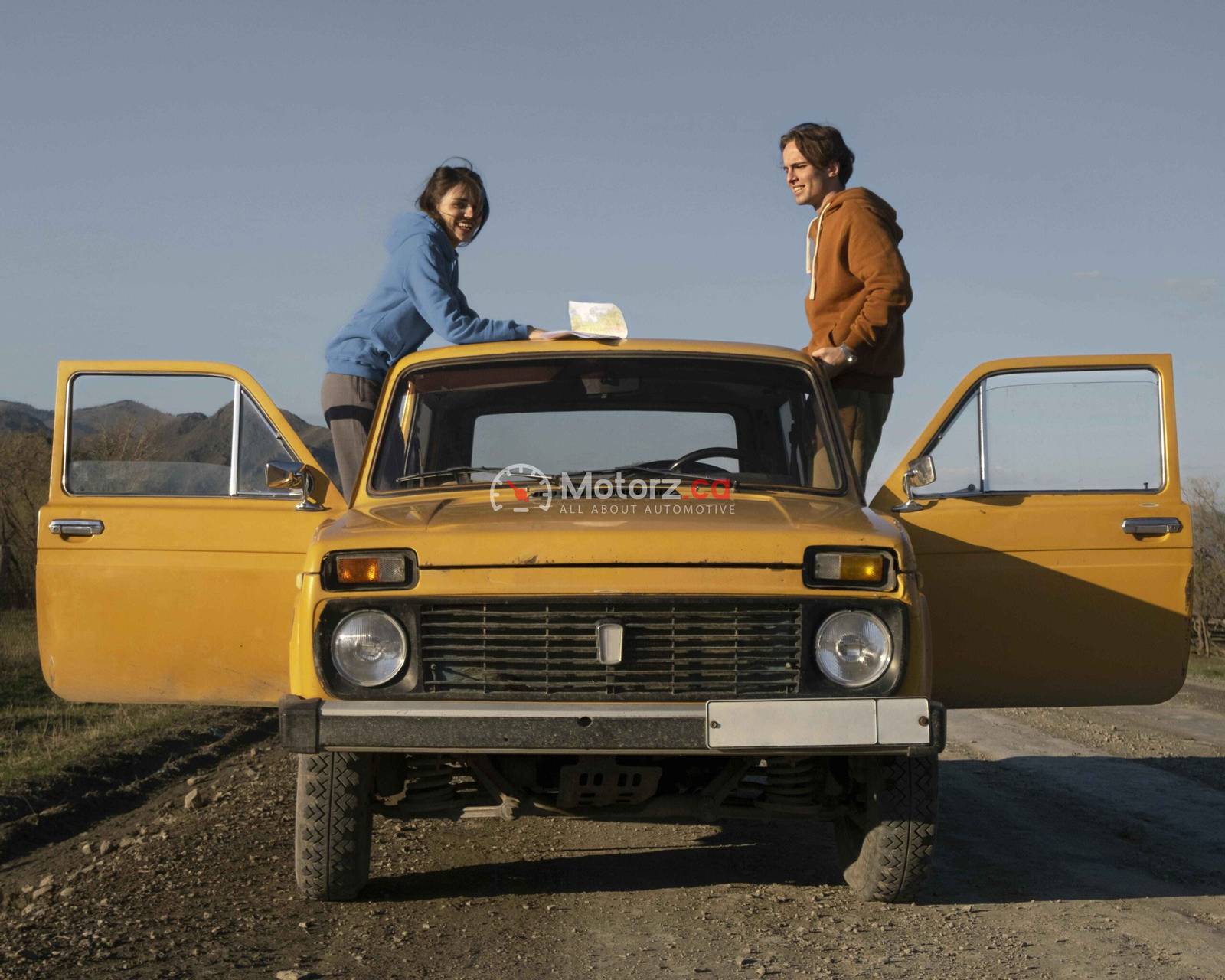
There’s a Vintage Cars in Ontario in the shape of a 1960s muscle car, the elegance of a pre-war sedan, or the quirky charm of a 1970s compact. These are more than just old cars; they are rolling pieces of history, a testament to a different era of design and engineering. For many enthusiasts in Ontario, the dream isn’t just to own one of these classics, but to be the one who brings it back to life. A vintage car restoration project is a labour of love, a journey that can be both challenging and incredibly rewarding. It’s an immersive experience that blends technical skill, historical research, and a deep, abiding passion for the automobile.
This comprehensive guide is for the aspiring restorer in Ontario, whether you’re a seasoned mechanic or a complete novice looking for a new hobby. We’ll walk you through the entire process, from finding the right project to navigating the unique challenges of restoring a classic in our province.
The Hunt for the Vintage Cars in Ontario
The first and most Vintage Cars in Ontario step in any restoration is finding the right car. The “perfect” project car isn’t always the most expensive or rare one. It’s one that matches your skill level, budget, and passion.
What to Look For: The Key Indicators of a Good Project
Rust is the Enemy: Vintage Cars in Ontario harsh winters and heavy use of road salt make rust the single biggest challenge for classic car bodies. When inspecting a potential project, look for rust in key areas: the frame, floor pans, fender wells, and rocker panels. A solid frame is non-negotiable, as major frame repair can be incredibly expensive and complex.
Completeness: Is the car all there? Are all the original parts, from the engine to the trim pieces, still with the vehicle? Sourcing missing parts can be a painstaking and expensive process. A complete car, even if it’s in rough shape, is often a better starting point than a rust-free shell with no interior or engine.
Documentation and History: Does the car come with a Vintage Cars in Ontario? Receipts for previous work, the original owner’s manual, and a detailed story can add to the car’s value and help you during the restoration process. Knowing the car’s history can also prevent you from inheriting a previous owner’s botched project.
Where to Find Classic Cars in Ontario
Online Marketplaces: Kijiji, autoTRADER, and specialty websites like Hemmings are good starting points.
Auctions: Classic car auctions are a great way to see a variety of vehicles in one place, but be prepared to pay a premium.
Local Car Shows and Clubs: Attending local car shows and joining clubs like the Antique and Vintage Cars in Ontario Club of Canada (ACCCC) is an excellent way to connect with fellow enthusiasts who might know of a car for sale or a new restoration project. The community is a wealth of information and can offer invaluable advice.
The Restoration Journey: From Teardown to a Show-Quality Finish
The Vintage Cars in Ontario process is a series of stages, each requiring patience, skill, and a lot of elbow grease. This is where you decide if you’re going for a “Vintage Cars in Ontario” (a restoration with modern upgrades) or a “concours” restoration (bringing the car back to factory-correct condition).
The Disassembly and Assessment
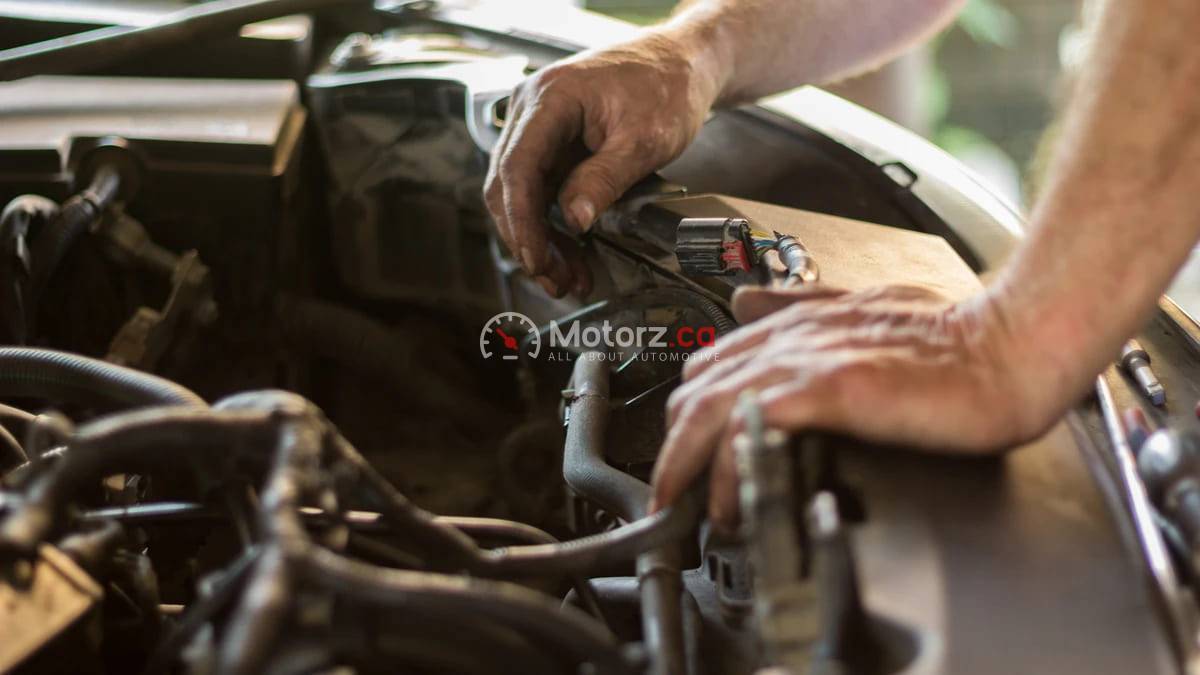
The First Step: The project begins with a careful and methodical Vintage Cars in Ontario. Label and photograph everything. Use plastic bags and a marker to organize every nut, bolt, and washer. A detailed logbook is your best friend.
The “As-Is” State: This is the point where you truly discover the car’s condition. You may find hidden rust, previous repair jobs, or parts that are more worn out than you thought. This is the time to reassess your budget and plan of attack.
Sourcing Parts and Materials in Canada
One of the biggest challenges for restorers in Vintage Cars in Ontario is finding the right parts. While the internet has made things easier, getting parts shipped from the U.S. can be expensive due to exchange rates, shipping fees, and customs duties.
Local Suppliers: Search for Canadian-based suppliers of classic car parts. Some companies specialize in specific models or eras, and buying locally can save you a significant amount of money and time.
Used Parts and Salvage Yards: Don’t underestimate the value of a classic car graveyard. A used part can be a perfect fit and is often more affordable than a new reproduction part.
Fabrication: For rare or custom Vintage Cars in Ontario, you may need to learn how to fabricate your own. This is where you can truly put your own mark on the project.
Working with Professionals in Ontario
Unless you have a fully-equipped shop and every skill imaginable, you’ll need to work with professionals.
Bodywork and Paint: A flawless paint job can make or break a restoration. Finding an experienced classic car body shop is crucial. Look for a shop with a reputation for quality work and a portfolio of past projects.
Mechanical Expertise: While you may be able to handle basic repairs, a professional mechanic can tackle complex engine rebuilds, transmission work, or suspension overhauls.
Upholstery and Trim: The interior is just as important as the Vintage Cars in Ontario. A skilled upholsterer can restore your car’s seats, headliner, and door panels to their original glory.
The Legal and Practical Side of Restoring a Vintage Car
Restoring a car in Ontario isn’t just about wrenches and paint. There are important legal and financial considerations to keep in mind.
Licensing and Insurance for a Restored Vehicle
Safety Standards Certificate: Once your Vintage Cars in Ontario is roadworthy, you’ll need to get an Ontario Safety Standards Certificate (SSC) to register it. While it’s a standard inspection, a restored car may require a more detailed look to ensure all systems are functioning correctly and that it meets modern safety standards.
Vehicle History and Registration: If you are building a custom car, or if the car you are restoring has a salvage title, you will need to register it as a “rebuilt” vehicle. This process is more complex and involves a thorough inspection by the Ministry of Transportation (MTO) to ensure the car is safe.
Classic Car Insurance: Standard insurance policies may not be suitable for a vintage car. Look for a specialty Vintage Cars in Ontario provider that offers “agreed value” policies. This means you and the insurer agree on the car’s value beforehand, so if the worst happens, you are compensated for its true worth, not just its market value.
The Community and Lifestyle of Classic Car Ownership
Restoring a vintage car is a solitary pursuit, but owning one is a gateway to a vibrant and passionate community.
Car Shows and Cruise Nights
Ontario has a thriving classic car scene, with weekly cruise nights and large-scale shows like the Cobble Beach Concours Vintage Cars in Ontario. These events are not just about showing off; they are a chance to connect with other enthusiasts, share stories, and get ideas for your next project.
The Shared Passion
The classic car community is a supportive network of people who understand the blood, sweat, and tears that go into a restoration. It’s a place where you can find Vintage Cars in Ontario, borrow a specialized tool, or simply swap stories with someone who has been where you are.