


The Winnipeg Commute Reality: Fuel Burn, Traffic Jams, and the Cold Factor
Welcome to Fuel Efficiency Face-Off, the city where the shortest distance between two points is often interrupted by an unexpected construction zone, a train crossing, or a sudden change in season!
While our city’s average commute time (around 23.4 minutes) is often shorter than in Toronto or Vancouver, the reality on the ground is that major arteries like the Perimeter Highway, Portage Avenue, and Kenaston Boulevard become notorious choke points during rush hour. And let’s not forget the long periods of extreme cold that force vehicles to idle longer and use more fuel just to stay warm.
For the dedicated Winnipeg commuter, a fuel-efficient car isn’t just a choice—it’s a financial necessity. Every minute spent idling on the Osborne Fuel Efficiency Face-Off bridge or inching along in a “Wipe Out Winnipeg” pothole delay eats into your fuel budget.
This guide moves beyond generic fuel ratings. We’re pitting the top contenders against Winnipeg’s unique blend of stop-and-go traffic and icy, cold-weather challenges to find the true fuel-efficiency champion for your daily grind. We’ll focus on Fuel Efficiency Face-Off that offer the crucial combination of:
Exceptional City MPG (where traffic idling hurts the most).
Reliable Cold Weather Performance (including available AWD).
Low Maintenance Costs (to combat the prairie wear and tear).
Let the face-off begin!
The Hybrid & PHEV Heavyweights: Conquering City Traffic
When you’re stuck in Fuel Efficiency Face-Off traffic on the way to St. Boniface, traditional gas engines are guzzling fuel while sitting still. This is where hybrid and Plug-in Hybrid Electric Vehicles (PHEVs) shine, making them the ultimate kings of city fuel economy.
Champion Sedan: Toyota Corolla Hybrid
The Toyota Corolla Hybrid is the gold standard for reliable, efficient commuting—a key reason you see so many on city streets.
The Fuel Win: The Corolla Fuel Efficiency Face-Off is consistently rated as one of the most fuel-efficient non-PHEV vehicles. In stop-and-go traffic, the electric motor takes over at low speeds, using zero gasoline while crawling. This is a massive advantage on the rush-hour-clogged Disraeli Freeway.
The Winnipeg Edge: Its proven Fuel Efficiency Face-Off reliability is paramount in the cold. It starts consistently, and its maintenance is straightforward. While it typically doesn’t offer AWD, a good set of Manitoba-rated winter tires makes it perfectly capable for 90% of the driving conditions here.
Keyword Focus: Toyota reliability, compact hybrid, city MPG, low maintenance.
The PHEV Game Changer: Hyundai Ioniq Plug-in Hybrid
A PHEV offers the best of both worlds: a pure electric range for short trips, and a gas engine for longer hauls. The Hyundai Ioniq (or the newer Kia Niro Fuel Efficiency Face-Off) makes an excellent case for itself.
The Fuel Win: If your commute is under 40-50 km round trip, you can often do the entire thing on electric power, meaning you use zero gasoline on your daily Winnipeg run. For longer trips or when the battery is depleted, it functions as a super-efficient standard hybrid.
The Winnipeg Edge: The ability to pre-heat the cabin using cheap electricity while the car is plugged in (and not wasting gas idling) is a massive benefit during the deep freeze. This feature alone makes the initial cost premium worthwhile for winter comfort and efficiency.
Keyword Focus: PHEV, electric Fuel Efficiency Face-Off, zero gasoline, Hyundai Ioniq, cabin pre-heat.
The Compact SUV Contenders: The AWD Efficiency Face-Off
In Winnipeg, many commuters choose an SUV or crossover not for off-roading, but for All-Wheel Drive (AWD) confidence, higher ground clearance (potholes!), and a commanding view over snowbanks. The trick is finding one that doesn’t punish your wallet at the pump.
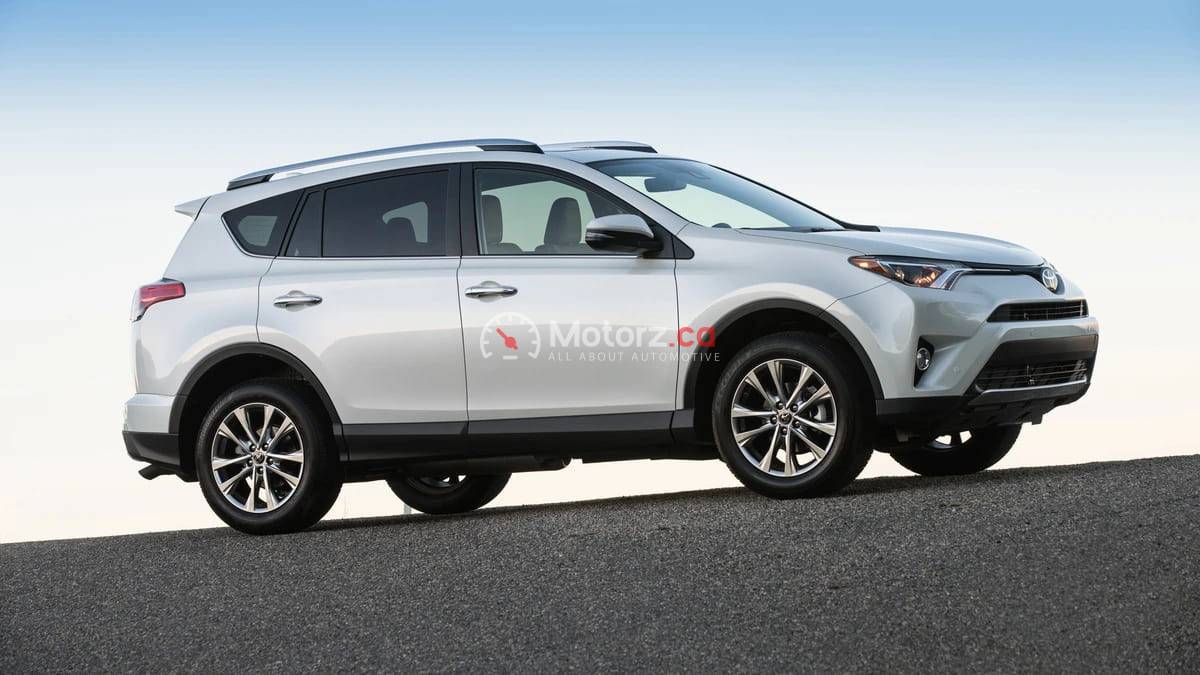
The Efficiency King: Toyota RAV4 Hybrid AWD
The RAV4 Hybrid is arguably the most popular Fuel Efficiency Face-Off in its class across Canada, and for good reason: it’s the perfect blend of winter capability and amazing fuel economy.
The Fuel Win: The RAV4 Hybrid delivers fuel economy numbers that shame many smaller, gas-only sedans, even with the added weight and complexity of AWD. This is crucial for a vehicle often navigating the large circles and grid-style roads of the city.
The Winnipeg Edge: Its Electronic All-Wheel Drive system provides immediate and confident traction, essential for navigating unplowed side streets and icy overpasses common in the North End or Transcona. The extra ground clearance is a lifesaver for those infamous Manitoba potholes.
The Symmetrical Specialist: Subaru Crosstrek / Forester
Subaru has built its reputation on its Symmetrical All-Wheel Drive system, making it a perennial favourite for Canadian drivers, and the Crosstrek (or the slightly larger Forester) is their most frugal offering.
The Fuel Win: While not typically a hybrid, the naturally aspirated Subaru engines are tuned for efficiency, offering competitive mileage for a non-hybrid AWD vehicle.
The Winnipeg Edge: Subaru’s system is legendary for Fuel Efficiency Face-Off, predictable traction in all four wheels, giving you peace of mind when crossing a slick intersection downtown. The X-Mode setting provides an added layer of traction for truly deep snow or ice, invaluable during a prairie blizzard.
The Gas-Powered Go-Getters: Best of the Non-Hybrids
Not everyone wants a hybrid, but you still need excellent gas mileage. These conventional models offer fantastic fuel economy and the proven reliability needed to survive years of Winnipeg commuting.
The Perennial Favourite: Honda Civic
The Honda Fuel Efficiency Face-Off has been a top-selling Canadian car for decades, known for its brilliant balance of economy, fun driving dynamics, and rock-solid reliability.
The Fuel Win: The Civic’s engines, often featuring a small turbo or efficient non-turbo design, sip fuel economically. Its overall light weight and aerodynamic design keep fuel costs low, especially during the long, clear stretches on the Perimeter.
The Winnipeg Edge: While FWD, the Civic’s huge popularity means that parts are cheap, common, and every mechanic in town knows them. This translates to lower long-term maintenance costs, which is a huge factor for budget-conscious Winnipeg Fuel Efficiency Face-Off.
The Stylish Value Pick: Mazda3 AWD
For those who refuse to sacrifice driving enjoyment for fuel economy, the Mazda3 offers a sophisticated interior and fun handling, now with an efficient AWD option.
The Fuel Win: Mazda’s Skyactiv technology prioritizes efficiency across the rev range. While the turbo is fun, the standard engine offers excellent gas mileage.
The Winnipeg Edge: The available AWD Fuel Efficiency Face-Off in the Mazda3 is a game-changer for a compact sedan, providing the necessary bite for challenging winter conditions without stepping up to a full crossover. It’s also often considered a quieter, more premium cabin for those long drives home from Polo Park.
Fuel Efficiency Final Scorecard: Comparing the Winnipeg Contenders
When making your final decision, remember that city driving is often more punishing on fuel economy than highway driving, especially when factoring in the constant idling and stop-start nature of Winnipeg rush hour.
Mastering Commuting Efficiency: Winnipeg Driving Tips
Selecting the right car is only half the Fuel Efficiency Face-Off. Your driving habits, especially in this climate, are the other half. Maximize your fuel savings with these Winnipeg-specific driving tips:
The Block Heater Imperative
This is non-negotiable for a Winnipeg winter commuter. Plugging in your car when temperatures dip below is a must. A warm engine reaches its optimal operating temperature faster, dramatically reducing the time it runs on an overly-rich mixture (which guzzles gas) and extends its life.
Anticipate the Pothole Brake
Aggressive Fuel Efficiency Face-Off followed by hard braking is a fuel killer. In Winnipeg, you often have to slow down dramatically for unexpected construction or a massive pothole. Practice smooth driving and look far ahead to anticipate changes, allowing you to coast to a stop rather than slam on the brakes. This is especially beneficial for hybrid systems, which recover energy during gentle braking (regenerative braking).
Ditch the Roof Rack (When not in use)
Are you still driving around in July with the ski box you used for your trip to Falcon Lake in January? Roof racks and carriers significantly increase aerodynamic drag, causing a measurable drop in your fuel economy, particularly at highway speeds on the Perimeter. Remove them when they’re not in use.