

The day you drive a Stop Warranty Exclusions home, the manufacturer’s warranty feels like an invisible suit of armor. You assume that if a bolt shears, a sensor fails, or the transmission stutters, you are “covered.” But as many drivers discover too late, that armor has gaps—sometimes large enough to let a 3,000-unit repair bill slide right through.
In 2026, as vehicles become more complex and repair costs climb, understanding the “Troubleshooter” side of warranties is essential. Dealerships and third-party providers use specific language to define what they will and won’t pay for. If you don’t know the difference between a mechanical failure and a “wear item,” you could be in for a rude awakening.
This guide pulls back the curtain on common warranty exclusions and provides actionable tips to ensure your claims get approved every time.
The “Wear and Tear” Trap: What Isn’t a Defect?
The most common point of friction between owners and warranty providers is the definition of Normal Wear and Tear. A warranty is designed to protect you against manufacturing defects, not the inevitable physical breakdown of parts that are meant to be replaced.
Stop Warranty Exclusions You Will Pay For
Brake Components: Brake pads, rotors, and shoes are friction materials. Unless they warp or fail prematurely (e.g., within the first 5,000 kilometers), they are considered your responsibility.
Rubber and Blades: Windshield wiper blades and drive belts are expected to crack or lose effectiveness over time.
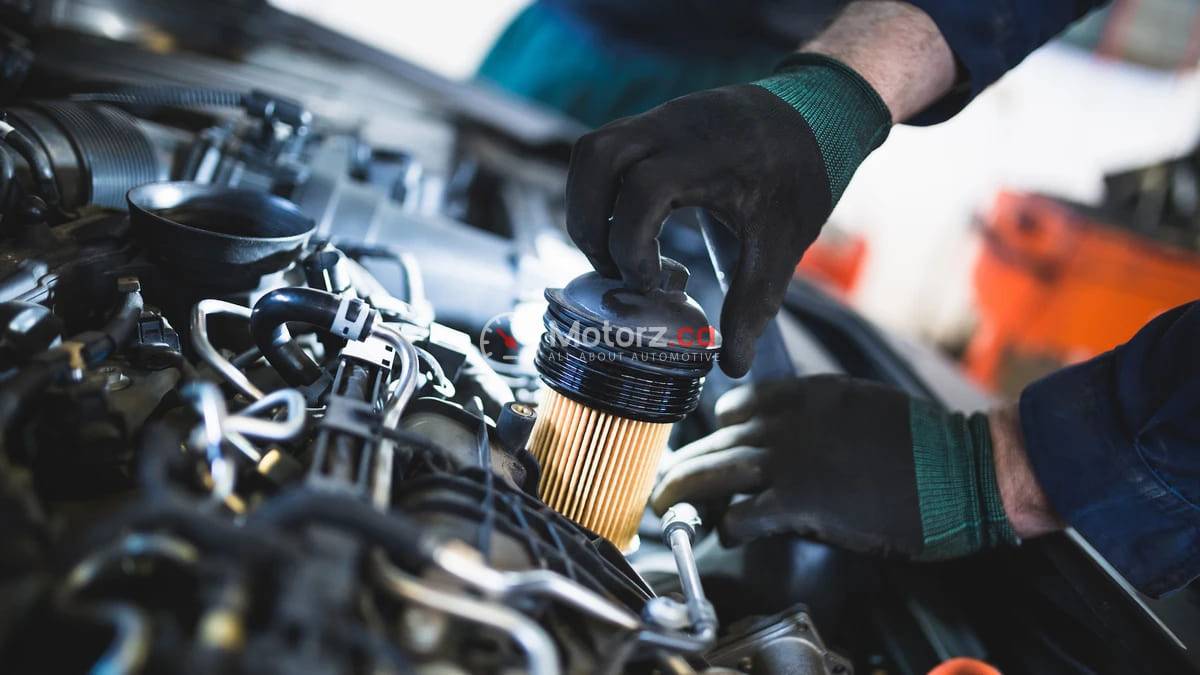
Filters and Fluids: Oil, cabin, and engine air filters are routine maintenance items. If your car enters “limp mode” because of a clogged filter, the diagnostic fee and the filter replacement are on you.
The “Grey Area” of Early Failure
If your brake rotors warp at 10,000 kilometers, a good service advisor might argue for a “goodwill” repair. However, if you wait until 30,000 kilometers, the manufacturer will likely claim the damage was caused by your driving habits (e.g., “riding the brakes”), and the claim will be denied.
Maintenance Neglect: Your Receipt is Your Shield
The quickest way for a manufacturer to void a warranty claim is to prove Lack of Maintenance. If your engine seizes at 40,000 kilometers and you cannot produce receipts for the required oil changes, you are effectively on your own.
The Power of Documentation
In 2026, digital service records are common, but they aren’t foolproof. If you use an independent mechanic or perform your own oil changes:
Keep every receipt: Ensure the receipt shows the date, mileage, and the specific grade of oil used.
Follow the Manual: Using a 5W-30 oil when the manual specifies 0W-20 can be used as grounds for denial if a lubrication-related failure occurs.
Can You DIY?
Yes. Under consumer protection laws (like the Magnuson-Moss Act in the US), a manufacturer cannot void your warranty just because you did the work yourself. However, the burden of proof is on you to show the work was done correctly and on schedule.
The “Aftermarket” Influence: Modifications and You
We all want to personalize our vehicles, but “bolt-on” performance parts are a red flag for warranty adjusters.
The “Causality” Rule
A common myth is that a single aftermarket part voids the entire warranty. This is false. A manufacturer can only deny a claim if they can prove the aftermarket part caused the failure.
Example 1: You install a high-performance “cold air intake,” and your transmission fails. The dealer must cover the transmission because an intake has no direct effect on gear synchronization.
Example 2: You install a “tuning chip” to boost turbo pressure, and the engine throws a rod. The claim will be denied because you operated the engine outside of factory safety parameters.
Environmental and Cosmetic Exclusions
Your warranty protects against parts that break, not against the world around you. This is where “Act of God” exclusions come into play.
Environmental Damage: Acid rain, bird droppings, tree sap, and road salt are not covered. If salt causes your suspension to rust, it is often considered a “lack of care” unless you have a specific Perforation Warranty that covers “rust-through” holes.
Paint Chips and Glass: Stone chips in your paint or a cracked windshield from a highway pebble are insurance claims, not warranty claims.
The “Odometer” Clause: If your odometer is tampered with or replaced without proper documentation, your entire warranty is legally voided instantly.
Be Your Own Advocate
A car warranty is a contract, not a blank check. By staying on top of your maintenance, keeping meticulous records, and understanding what qualifies as “wear,” you can ensure that you are never caught off guard at the service counter.
When a dealer says “that’s not covered,” don’t just take their word for it. Ask to see the specific exclusion in your warranty booklet. Often, being an informed “Troubleshooter” is the only tool you need to get the repair you deserve.