


You find the perfect used Detect Odometer Rollback. The photos are gleaming, the price is right, and best of all, the dashboard shows surprisingly low mileage for its age. It looks like a “garage find,” the kind of deal every savvy buyer dreams of. But before you hand over your hard-earned savings, you need to ask yourself a critical question: Is that number on the dash the truth, or a calculated lie?
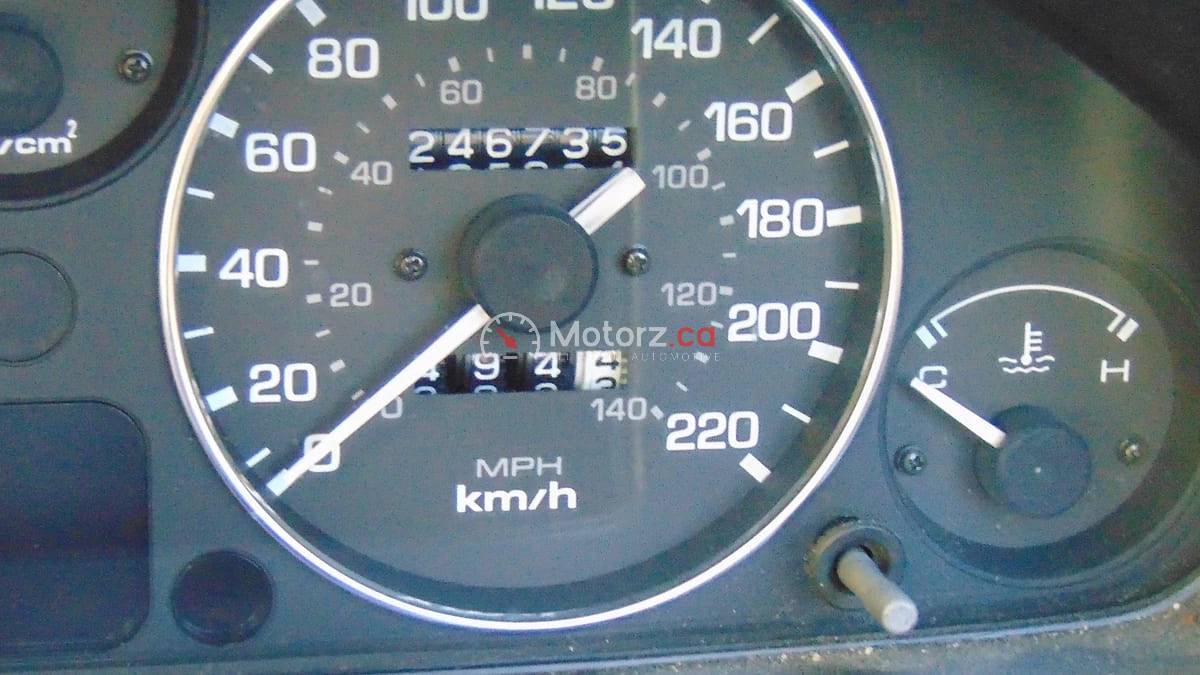
Odometer rollback fraud is a multibillion-unit problem that is unfortunately on the rise. While many buyers believe that digital odometers are “uncrackable,” the reality is quite the opposite. With inexpensive tools available online, dishonest sellers can alter a vehicle’s mileage in minutes. This deception doesn’t just inflate the price you pay; it hides the fact that the engine, transmission, and safety components are much closer to the end of their lives than you think.
In this comprehensive guide, we will teach you exactly how to check a used car for an odometer rollback. We will cover everything from digital forensic checks to the physical “tells” that a car has lived a much harder life than its mileage suggests.
What Is Detect Odometer Rollback?
Odometer fraud involves the illegal disconnection, resetting, or alteration of a vehicle’s odometer with the intent to change the number of miles indicated. By making a car appear younger and less used, sellers can command a much higher price—often thousands of units more than the car is actually worth.
The Shift from Analog to Digital
In the old days, scammers used drills to physically spin back analog tumblers. Today, they use “mileage correction tools” that plug into the car’s diagnostic port. These devices can rewrite the data stored in the car’s Engine Control Unit (ECU) and instrument cluster, making the fraud nearly impossible to detect with a simple glance at the screen.
The Paper Trail: Verifying Mileage Through Documentation
The most effective way to catch a liar is to find a record that contradicts their story. Before you even look at the car, demand the paperwork.
Detailed Vehicle History Reports
Services like CARFAX or AutoCheck are your first line of defense. These reports aggregate data from insurance companies, police reports, and repair shops.
Look for Inconsistencies: If a report shows 85,000 miles in 2022, but the car is being sold today with 60,000 miles, you have found definitive proof of a rollback.
The “Maintenance Gap”: Be wary of vehicles that have long periods of “missing” data. Scammers often stop taking the car to official dealerships once they decide to roll back the mileage to avoid leaving a paper trail.
Service Stickers and Oil Change Records
Check the upper left corner of the windshield for oil change stickers. These often list the mileage at the time of service and the projected mileage for the next visit. Additionally, look in the glovebox for old repair invoices. If you find a receipt for a brake job from three years ago that lists a higher mileage than what is currently on the dash, the seller has some explaining to do.
Forensic Inspection: Physical Signs of High Mileage
A seller can change a number on a screen, but they cannot easily hide the physical wear and tear that comes from 100,000 miles of driving. When inspecting the car, look for “mileage mismatches.”
The “Big Three” Interior Wear Points
If a car claims to have only 30,000 miles but the interior looks like a taxi, something is wrong. Focus on these areas:
The Steering Wheel: A steering wheel with 30,000 miles should still have its original texture. If it is smooth, shiny, or peeling, it has likely seen 100,000 miles of “hand-on-wheel” time.
The Brake Pedal: Look at the rubber pad on the brake and accelerator pedals. If the rubber is worn down to the metal on the edges, the car has been driven extensively, regardless of what the odometer says.
The Driver’s Seat Bolster: The outer edge of the driver’s seat takes the most abuse during entry and exit. Heavy creasing, cracks in the leather, or collapsed foam are signs of high-frequency use.
Tire Tread and Date Codes
Check the brand and condition of the tires. A car with only 20,000 miles should likely still be on its original set of tires. If the car has brand-new, cheap tires, or if the tires have a “date code” that is much newer than the car but the tread is already gone, the mileage is suspect.
Mechanical Indicators Under the Hood
A clean engine bay can be deceiving, but certain components can’t hide their age.
Excessive Pitting and Road Rash
Look at the front bumper, the hood, and the headlights. If they are covered in “pitting” or tiny stone chips (road rash), the car has spent a lot of time at highway speeds. A car with very low mileage should have a relatively pristine front end.
Hoses and Belts
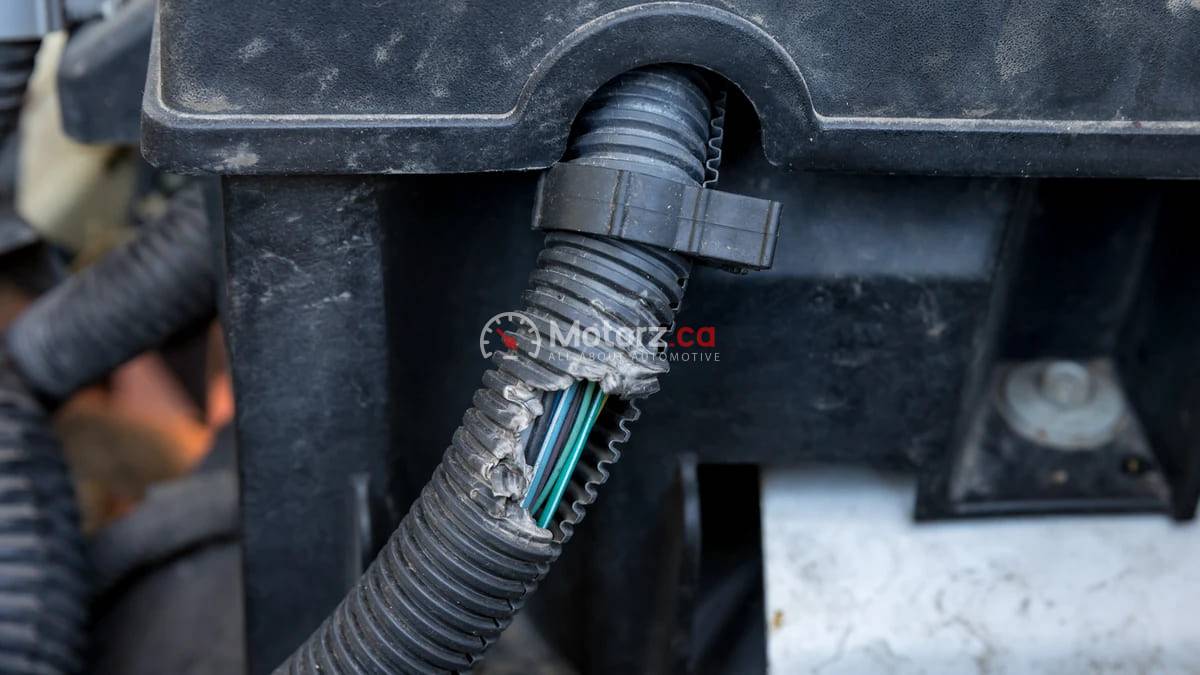
Look at the rubber components in the engine. If the radiator hoses feel brittle or if the serpentine belt is heavily cracked, these are signs of an older, higher-mileage engine. While these parts can be replaced, their condition should match the story the seller is telling.
Spark Plug Wires and Battery
Check for “date-stamped” parts. If the battery or spark plug wires are marked with a date from five years ago, but the car only has 10,000 miles, it implies the car sat for a long time or the mileage is incorrect.
Digital Forensics: Using an OBD-II Scanner
If you want to be 100 percent sure, you need to look into the car’s “brain.” Many modern vehicles store the mileage in multiple locations—not just the dashboard.
Checking the ECU and Transmission Module
While a basic rollback tool might change the number on the instrument cluster, it often misses the mileage stored in the Engine Control Unit (ECU), the Transmission Control Module (TCM), or even the Airbag Module.
The Scan: Use a high-quality OBD-II diagnostic scanner (or pay a mechanic to do it). These tools can pull the mileage data from these hidden modules.
The Discrepancy: If the dashboard says 50,000 but the Transmission Module reports 110,000, you have caught a rollback.
What to Do if You Discover Odometer Fraud
If you find evidence of a rollback, your next steps depend on whether you have already bought the car.
Before Buying: Walk away immediately. If a seller is willing to lie about the mileage, they are likely lying about accidents, flood damage, and mechanical health. Report the listing to the platform (like Facebook Marketplace or Craigslist).
After Buying: Odometer fraud is a serious crime. Contact your local DMV or consumer protection agency. You may be entitled to a full refund and additional damages. You should also contact your insurance company, as your policy is based on incorrect data.
Trust Your Instincts
Odometer rollback is a sophisticated crime, but it leaves traces. The key is to look at the vehicle as a whole. A car is a collection of components that should all age at the same rate. If the dashboard says “young” but the steering wheel, pedals, and history report say “old,” listen to the physical evidence.
Always invest in a Pre-Purchase Inspection (PPI) by a trusted mechanic. They have the diagnostic tools and the experienced eyes to spot a rollback that an average buyer might miss. Remember, if a deal looks too good to be true, the odometer might just be the first of many lies.