


The roar of a perfectly tuned engine, the adrenaline of a last-lap pass, and the precise choreography of a pit stop—these are the sights and sounds that captivate millions of fans around the world. For many, a career in motorsports seems like a Motorsports Industry, unattainable dream, reserved only for a select few. The reality, however, is that the motorsports industry is a vast, multifaceted ecosystem with a wide range of career opportunities that extend far beyond the driver’s seat. It’s a world where passion, dedication, and a strong skill set can open doors to a truly thrilling profession.
This blog post is your comprehensive guide to Motorsports Industry a job in motorsports. We’ll break down the different career paths available, highlight the crucial skills and qualifications you’ll need, and provide a clear roadmap to help you turn your passion into a profession.
Understanding the Motorsports Ecosystem
Before you can get a job in Motorsports Industry, you need to understand the different career paths that exist. The industry is not just about race teams; it’s a global business that includes engineering, marketing, logistics, media, and more.
Technical and Engineering Motorsports Industry
This is often the most sought-after sector of motorsports careers. These roles are for those with a strong technical background and a passion for problem-solving and innovation.
Race Engineer: The link between the driver and the Motorsports Industry. A race engineer works with the driver to optimize the car’s setup for a specific track, analyzing telemetry data to make real-time decisions during a race. This role requires a degree in motorsport, mechanical, or automotive engineering.
Vehicle Dynamics Engineer: Focuses on the Motorsports Industry handling and suspension. They use simulation and track data to improve the car’s grip, balance, and overall performance.
DeAerodynamicist: signs and refines the car’s bodywork to control airflow, minimize drag, and maximize downforce. This is a highly specialized field that requires advanced degrees and a deep understanding of fluid dynamics.
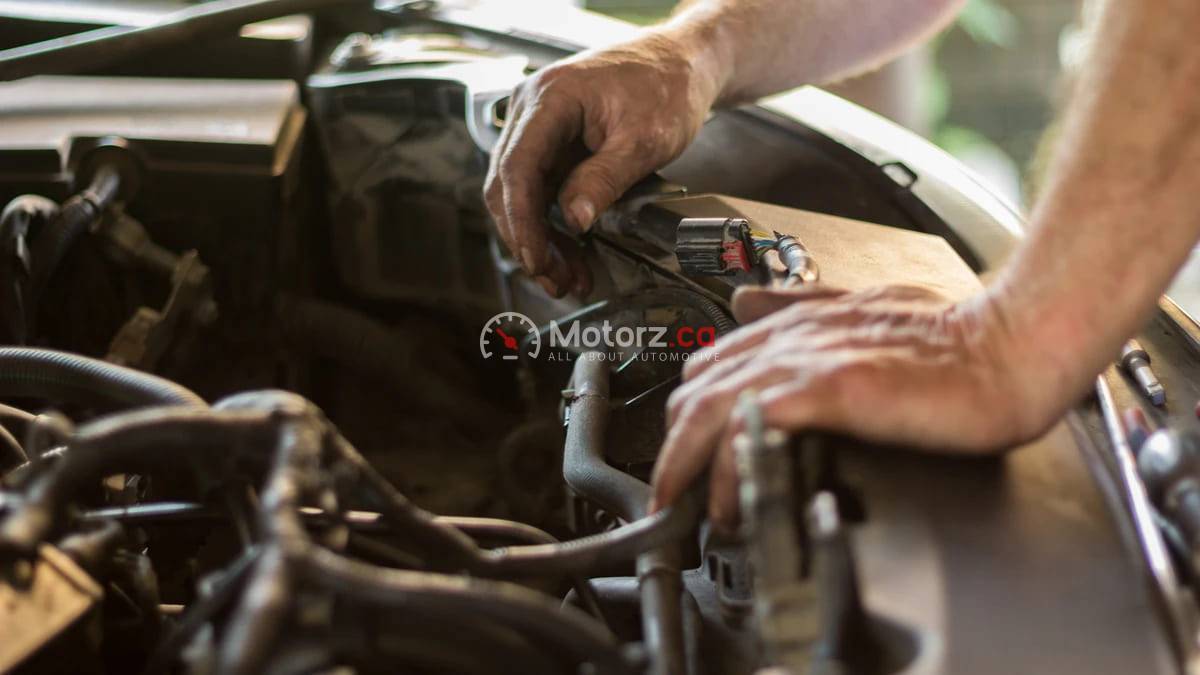
Mechanic/Technician: The hands-on heroes of the pit lane. They are responsible for building, maintaining, and repairing the race car. While some may have degrees, practical experience and certifications are often more important.
Business and Commercial Roles
A race team is a business, and it needs a skilled team to manage its finances, partnerships, and brand image.
Sponsorship and Marketing Manager: Secures and manages partnerships with corporate sponsors, which are the lifeblood of most Motorsports Industry teams. They are responsible for activating these sponsorships and ensuring the team’s brand is promoted effectively.
Public Relations and Communications: Manages the team’s public image, interacts with the media, and creates a compelling narrative around the team and its drivers.
Logistics Coordinator: The unsung heroes who manage the complex task of transporting Motorsports Industry, parts, and equipment around the world, often on tight deadlines.
Event Coordinator: Works for series or tracks to manage the logistics of a race weekend, from setting up the paddock to ensuring the event runs smoothly.
Operations and Supporting Roles
These roles are the backbone of a successful race team and a race weekend.
Data Analyst: In modern motorsports, data is everything. Analysts interpret the vast amount of telemetry data to help engineers and strategists make informed decisions.
Pit Crew Member: The specialists who perform lightning-fast tire changes and other pit stop tasks. This requires immense physical fitness, precision, and a high level of coordination.
Trackside Marshal/Official: Volunteers and professionals who ensure the safety and smooth running of a race. They are often the first on the scene of an incident and play a vital role in race control.
The Educational and Experiential Roadmap
Once you have an idea of the career path you want to take, you need to build the right foundation.
Formal Education
A strong educational background is a non-negotiable for most technical roles.
Engineering Degrees: A degree in mechanical engineering, motorsport engineering, or automotive engineering is the most common and direct path to a technical role. Look for universities that have connections to motorsports or offer hands-on projects like Formula Student or Baja SAE, as these provide invaluable real-world experience.
Business Degrees: For commercial roles, a degree in marketing, business administration, or communications is highly beneficial.
Apprenticeships: For aspiring mechanics and technicians, an apprenticeship with a racing team or an automotive company is an excellent way to learn on the job and get your foot in the door.
Gaining Hands-On Experience
Classroom knowledge is only part of the equation. In motorsports, experience is king.
Internships: Internships are one of the best ways to get started. They allow you to apply your theoretical knowledge, build a professional network, and get a realistic feel for the industry. Many teams and companies offer internship programs, so be on the lookout for these opportunities.
Volunteering: Don’t underestimate the power of volunteering at a local race track or with a grassroots race team. Roles like track marshaling, scrutineering, or helping out a small team are a great way to meet people and show your dedication.
Personal Projects: Build a project car, work on your own race car, or get involved with a university race team. These projects demonstrate a passion for the sport and a practical ability to solve problems, which is highly valued by employers.
The Power of Networking
Motorsports is a small, close-knit community. Who you know can be just as important as what you know.
Attend Industry Events
Go to motorsport shows, conferences, and races. These events are filled with people who work in the industry, and they provide a perfect opportunity to introduce yourself, ask questions, and make connections.
Autosport International: One of the world’s largest motorsports trade shows.
Performance Racing Industry (PRI) Show: A massive trade show in the U.S. that is a must-attend for anyone interested in the American motorsports scene.
Leverage Online Platforms
LinkedIn: Connect with people who work at your target teams and companies. Follow them, engage with their content, and don’t be afraid to send a professional message asking for advice or an informational interview.
Motorsport-specific job boards: Websites like Motorsports Industry jobs and RaceStaff are excellent resources for finding job openings.
Crafting the Perfect Application
Once you’ve found a job opening, you need to stand out from the competition.
Tailor Your CV/Resume
Your CV is your first Motorsports Industry. Tailor it specifically for each job you apply for. Highlight your relevant experience, projects, and skills. Use keywords from the job description to show that you’re the right fit.
Showcase Your Passion and Soft Skills
Employers in motorsports aren’t just looking for technical Motorsports Industry; they’re looking for passion, dedication, and the ability to work under pressure. Highlight soft skills like teamwork, communication, problem-solving, and adaptability. These are the skills that will get you a job and help you succeed in a fast-paced environment.
Getting a job in the Motorsports Industry industry is not easy, but it is achievable. It requires a combination of formal education, practical experience, and a strong network. By understanding the different career paths, building the right skill set, and demonstrating an unyielding passion for the sport, you can put yourself on the road to a career that is both challenging and incredibly rewarding. The starting line is waiting for you.