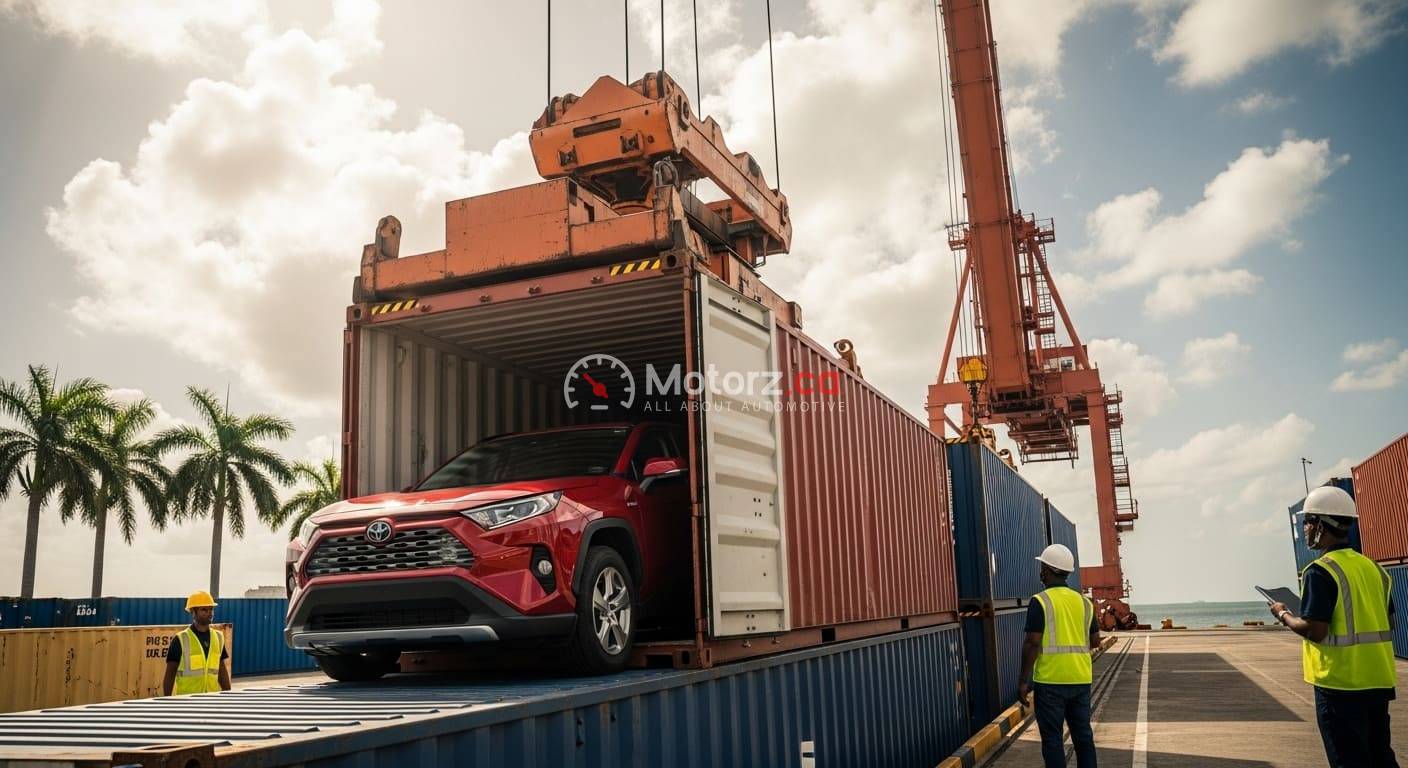

The decision to import a car to Jamaica is often driven by a desire for a specific model, better value, or simply the familiarity of a foreign market vehicle. Whether you are a returning resident moving back to the island, a business owner expanding your fleet, or an individual seeking a personal vehicle, the thought of shipping your dream car to the shores of Kingston or Montego Bay is exciting.
However, the importation process in Import a Car to Jamaica is governed by strict regulations enforced by the Trade Board Limited and the Jamaica Customs Agency (JCA). Navigating this bureaucratic path without a clear roadmap can lead to devastating and costly mistakes, including excessive demurrage fees, unforeseen duties, or even the denial of your import permit.
This comprehensive, step-by-step guide is your definitive resource. We will break down the entire process into seven critical stages, Import a Car to Jamaica the necessary documentation, regulatory pitfalls, and key financial figures you must know to ensure a smooth, legal, and stress-free importation process.
Understanding Eligibility and Import a Car to Jamaica
The most common and most costly Import a Car to Jamaica beginners make is purchasing a vehicle before understanding what the Jamaican government allows you to import. The rules are clear regarding vehicle age and who is eligible to import.
The Critical Vehicle Age Limits
Jamaica imposes strict limits on the age of Import a Car to Jamaica upon arrival to help manage road safety and environmental concerns. The age is calculated from the year of manufacture to the year of importation.
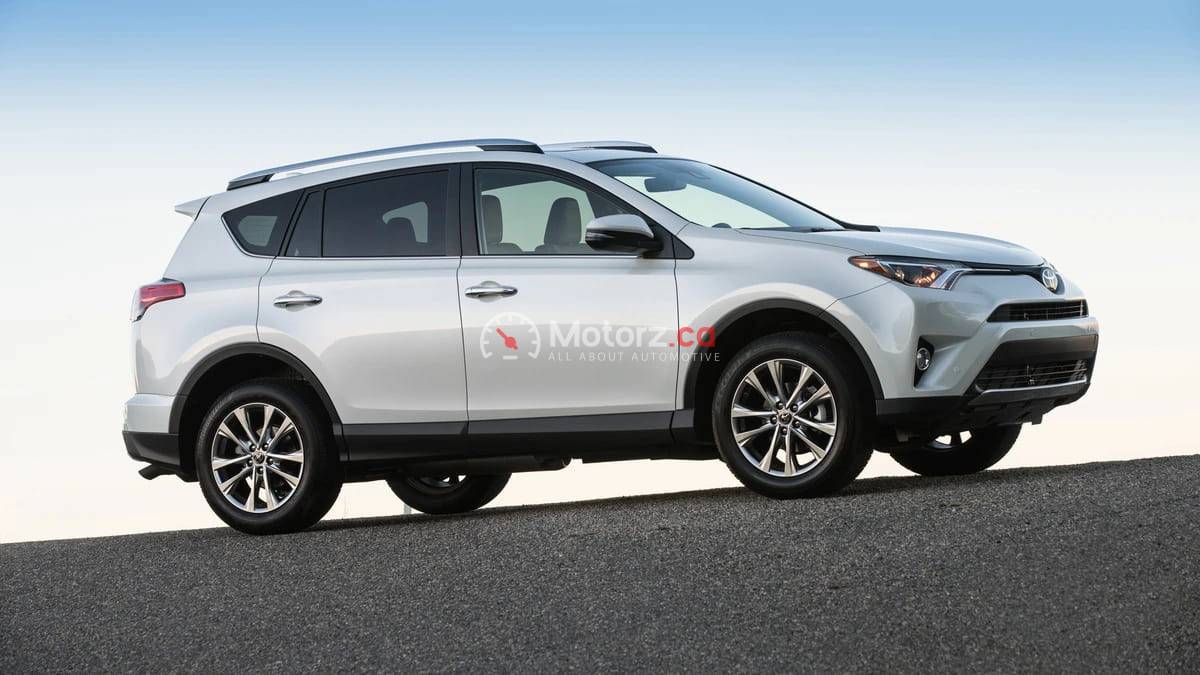
Motor Cars: Generally, a motor car (sedan, SUV, or station wagon) must be no more than six (6) years old.
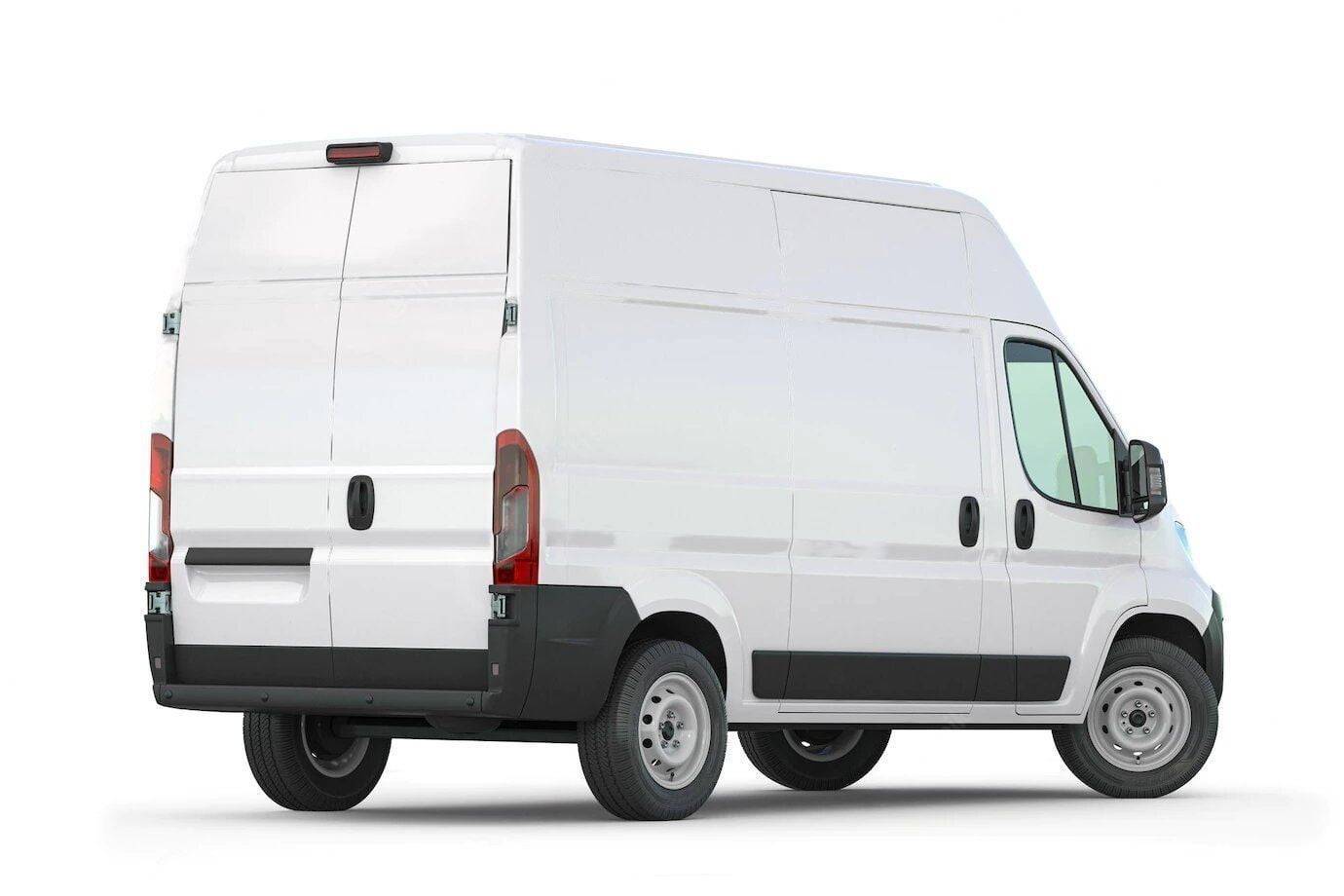
Commercial Vehicles: Vehicles like pickup trucks or panel vans generally have an age limit of ten (10) years.
Motorcycles: Motorcycles are Import a Car to Jamaica up to ten (10) years old.
Note: For all vehicles, if the age limit is exceeded, even by a few months, you risk having the import refused or facing severe penalties.
Determining Import Entitlement (Returning Residents)
For Returning Residents, the eligibility rules are different and grant more favourable terms regarding duties. To qualify, you must meet Import a Car to Jamaica set by the Ministry of Foreign Affairs and Foreign Trade:
You must have resided overseas for at least three (3) consecutive years.
You must be returning to Jamaica to take up permanent residence.
The vehicle must have been owned and registered in your name for at least six (6) months prior to importation.
Securing the Pre-Import Permit from the Trade Board
Before your vehicle is even loaded onto a Import a Car to Jamaica, you must obtain an Import Permit from the Trade Board Limited. Shipping a car without this permit is a recipe for disaster.
Essential Documentation for Permit Application
The Trade Board needs clear proof of the Import a Car to Jamaica identity and ownership history. You will need:
Trade Board Application Form: Fully completed and signed.
Pro-Forma Invoice/Bill of Sale: Detailed document from the overseas seller confirming the purchase price, VIN, and engine number.
Title/Registration Certificate: Proof of ownership from the country of export.
Identification (TRN and ID): Your Tax Registration Import a Car to Jamaica (TRN) and a valid government ID (Passport or Driver’s Licence).
Pre-Shipment Inspection Certificate: Some Japanese-origin vehicles require a certificate from an approved inspection agency (like JEVIC or AutoTerminal Japan) confirming the vehicle’s roadworthiness and odometer reading before export.
The Import Permit Approval
Once approved, the Trade Board issues the permit, which is essential for the Jamaica Customs Agency (JCA) to process the vehicle upon Import a Car to Jamaica. This permit proves the JCF has approved the age and type of vehicle.
The Shipping Process: Documentation and Logistics
The journey across the sea is where documentation becomes critical. Any mistake on the shipping manifest or bill of lading will cause major delays and demurrage fees upon arrival in Jamaica.
The Crucial Bill of Lading (BOL)
The Bill of Lading is the contract between you and the shipping company and acts as the vehicle’s primary travel document.
Accurate Details: Ensure the BOL accurately reflects the Import a Car to Jamaica name (the importer) exactly as it appears on your ID, TRN, and Trade Board Permit.
Notify Party: The name and contact details of the person or clearing agent who will be handling the clearance in Jamaica must be listed.
Avoiding Demurrage Fees
Demurrage is a charge levied by the shipping line for every day the container or vehicle remains unclaimed after a brief grace period (usually 3-5 days). The clearance process in Jamaica can be lengthy. To avoid crippling daily fees (which can exceed J$10,000 per day):
Timing: Only ship the vehicle once all your Import a Car to Jamaica and documentation are ready.
Agent Selection: Engage a competent Customs Broker or Clearing Agent before the vessel arrives.
Clearance and Valuation by Jamaica Customs Agency (JCA)
Upon arrival, your vehicle enters the official process of valuation and clearance under the Jamaica Customs Agency. This is the stage where the final cost of importation—the duties—is determined.
The JCA Valuation Process
Customs uses the Common External Tariff (CET) and the transaction value to assess the duties.
The Deemed Value: The JCA often relies on a “deemed value” or a database of similar vehicles to establish the fair market value (FMV) of the imported car. If the invoice price on your pro-forma is significantly lower than the FMV, Customs will use their deemed value, which can unexpectedly increase your duty bill.
Required Clearance Documents: You must present the original Bill of Lading, Import Permit, Pro-Forma Invoice, and the Title/Registration to the Import a Car to Jamaica officer for inspection.
The Physical Examination
A Customs Officer will conduct a physical inspection to verify the VIN, engine number, and the overall condition of the vehicle against the supplied documentation. Ensure the car is easily accessible for this check.
Calculating and Paying Import Duties and Fees
The costs associated with importing a car extend far beyond the purchase price and shipping fee. Import Duties are substantial and often shock first-time importers.
Breakdown of Major Import Taxes
Duties are calculated based on the determined Import a Car to Jamaica Value (FMV) of the vehicle. These fees are cumulative and include:
Import Duty (ID): A percentage based on the vehicle type (e.g., typically 20%).
Special Consumption Tax (SCT): This tax is highly variable and depends on the engine size and type of fuel. Smaller, more efficient engines attract lower SCT.
General Consumption Tax (GCT): Jamaica’s version of VAT, currently 15%, applied to the value plus all previously calculated duties.
Environmental Levy and Customs Administrative Fee (CAF): Smaller, mandatory fees applied to all imports.
This cumulative structure means that duties can easily add up to 60% to over 100% of the car’s Customs Value.
Payment and Release
Once the JCA issues the final Import a Car to Jamaica, the payment must be made to the Tax Administration Jamaica (TAJ), usually at the Customs House or an approved tax office. Only after payment are the documents stamped for release.
Finalizing Registration, Fitness, and Insurance
Once the vehicle is released from Customs, the process is not yet over. You must now make the vehicle road legal in Jamaica.
The Certificate of Fitness (Island Traffic Authority)
All vehicles must pass a thorough inspection at an Island Traffic Authority (ITA) depot to receive a Certificate of Fitness. This confirms the Import a Car to Jamaica meets Jamaican safety and mechanical standards.
Key Checks: Lights, brakes, steering, tyres, and overall mechanical condition. Ensure your imported vehicle meets local requirements (e.g., headlight alignment).
Insurance and Registration at the Tax Office
With the Certificate of Fitness, you can proceed to a TAJ Office to finalize the process:
Insurance: Obtain a valid Insurance Certificate (at least Third-Party Liability) from a local insurance company.
Registration and Plates: The TAJ will register the vehicle, issue your Jamaican Licence Plates, and process the Certificate of Title.
Common Pitfalls and Costly Mistakes to Avoid
Successfully navigating this process requires Import a Car to Jamaica. Many importers lose substantial amounts of money due to easily avoidable errors.
Under-declaring the Value (Customs Fraud)
Attempting to pay lower duties by providing a falsified or significantly undervalued invoice is a serious Customs violation. If caught, the JCA will impose steep penalties, seize the vehicle, and charge interest on the owed duties. Always be honest about the transaction value.
Ignoring the “Return Resident” Ownership Rule
Many Returning Residents fail to ensure the car was registered in their name overseas for the full six-month minimum before shipping. This instantly disqualifies them from the duty concession, forcing them to pay full commercial duties.
The Demurrage Disaster:
As highlighted earlier, the most painful financial mistake is delays in clearance. Every day spent waiting for a permit or missing document adds to the storage and demurrage fees, which can quickly inflate the final cost of your imported car by hundreds of thousands of dollars. Pre-planning is the ultimate cost-saving measure.