



Whether you are heading off on an Long-Term Car Storage, deploying for military service, or simply tucking away a classic beauty for the winter, storing a vehicle involves much more than just parking it and walking away. A car is a complex machine designed to be moved; when it sits idle, the clock starts ticking on potential mechanical issues.
From flat-spotted tires and dead batteries to invasive rodents and degraded fuel, the risks of improper storage are significant. If you have ever wondered how to prepare a car for storage so that it starts perfectly upon your return, you are in the right place.
This comprehensive guide will walk you through the essential steps to preserve your vehicle’s engine, exterior, and interior, ensuring that “time off” doesn’t turn into “time in the shop.”
Why Long-Term Car Storage Preparation Matters
When a vehicle sits for more than thirty days, the fluids begin to settle, and moisture starts to accumulate in places it shouldn’t. Rubber seals can dry out, and the delicate electronic balance of modern cars can be disrupted.
Proper preparation isn’t just about cleanliness; it’s about chemical preservation and mechanical protection. By following a structured storage plan, you prevent oxidation in the fuel system and ensure that your engine’s internal components remain lubricated and rust-free.
Cleanliness is the Best Defense
It might seem counterintuitive to wash a car right before you hide it away, but this is perhaps the most important step for your vehicle’s paint and interior.
Exterior Detailing
Remove Road Contaminants: Bird droppings, tree sap, and water spots are acidic. If left on the paint for months, they can permanently etch the clear coat. Give the car a thorough wash and dry.
Wax and Seal: Apply a high-quality wax or paint sealant. This provides a sacrificial layer of protection against dust and any moisture that might find its way into your storage area.
Clean the Wheels: Brake dust is corrosive. If left on alloy wheels for a long period, it can cause “pitting,” which ruins the finish of the rim.
Interior Sanitization
Vacuum Every Crevice: Even a single stray french fry or a few crumbs can attract ants, roaches, or mice. Vacuum the carpets, under the seats, and between the cushions.
Remove Trash: Check door pockets and center consoles for any organic material or wrappers.
Condition Surfaces: If you have leather seats, apply a conditioner to keep them supple, as stagnant air can sometimes lead to drying and cracking.
Fluid Management and Engine Preservation
The fluids in your car are its lifeblood, but they can become problematic when they aren’t circulating.
Change the Oil and Filter
Used engine oil contains contaminants, moisture, and combustion byproducts that are acidic. If left to sit, these acids can slowly eat away at engine bearings and other metal surfaces. Change your oil and filter right before you put the car in storage—even if you haven’t reached your mileage interval—and drive the car for a few miles to ensure the fresh oil is distributed.
Fuel System Stabilization
Gasoline begins to degrade in as little as thirty days. As it breaks down, it turns into a gummy varnish that can clog fuel injectors and fuel pumps.
Fill the Tank: A full tank leaves less room for air, which reduces the chance of moisture condensation on the tank walls.
Add a Fuel Stabilizer: Products like STA-BIL or Sea Foam prevent the fuel from oxidizing. After adding the stabilizer, run the engine for about ten minutes to ensure the treated fuel reaches the fuel lines and injectors.
Top Off Other Fluids
Ensure your coolant, brake fluid, and transmission fluid are at the proper levels. This prevents seals from drying out and reduces the amount of bare metal exposed to air.
Battery Maintenance
A car battery will naturally lose its charge over time, especially in modern cars that have “vampire” power draws for alarm systems and onboard computers.
Use a Battery Tender
The best way to preserve a battery is with a “smart” battery tender or maintainer. Unlike a standard charger, a tender monitors the battery’s voltage and only provides a trickle of power when needed. This prevents overcharging and ensures the battery stays healthy for years.
Disconnecting the Battery
If you do not have access to an electrical outlet for a tender, you can disconnect the negative battery cable. Keep in mind that this may reset your clock, radio presets, and some engine computer settings.
Tires and Suspension
Tires are not meant to hold the weight of a heavy vehicle in one spot for months at a time.
Preventing Flat Spots
When a tire sits in one position, the area touching the ground can become permanently flattened.
Over-inflate Slightly: Add about five to ten pounds per square inch (PSI) of extra air to each tire (staying within the maximum limit listed on the sidewall). This helps the tire maintain its round shape.
Tire Cradles: For long-term storage, you can use specialized curved ramps called tire cradles that distribute the weight more evenly.
Jack Stands: For storage lasting more than six months, some experts recommend placing the car on jack stands to take the weight off the tires and suspension entirely.
Pest Control and Environmental Sealing
A stationary car is an ideal home for rodents. Mice can cause thousands of units of currency in damage by chewing through wiring harnesses and nesting in air intakes.
Block the Entrances
Exhaust and Intake: Stuff a clean rag or a piece of steel wool into the tailpipe and the air intake box. This prevents mice from entering the engine. Just remember to leave a note on the steering wheel to remove them before starting!
Dryer Sheets and Peppermint Oil: Many enthusiasts swear by placing scented dryer sheets in the cabin and trunk or using cotton balls soaked in peppermint oil near the tires. Rodents tend to dislike these strong scents.
Choosing the Right Cover
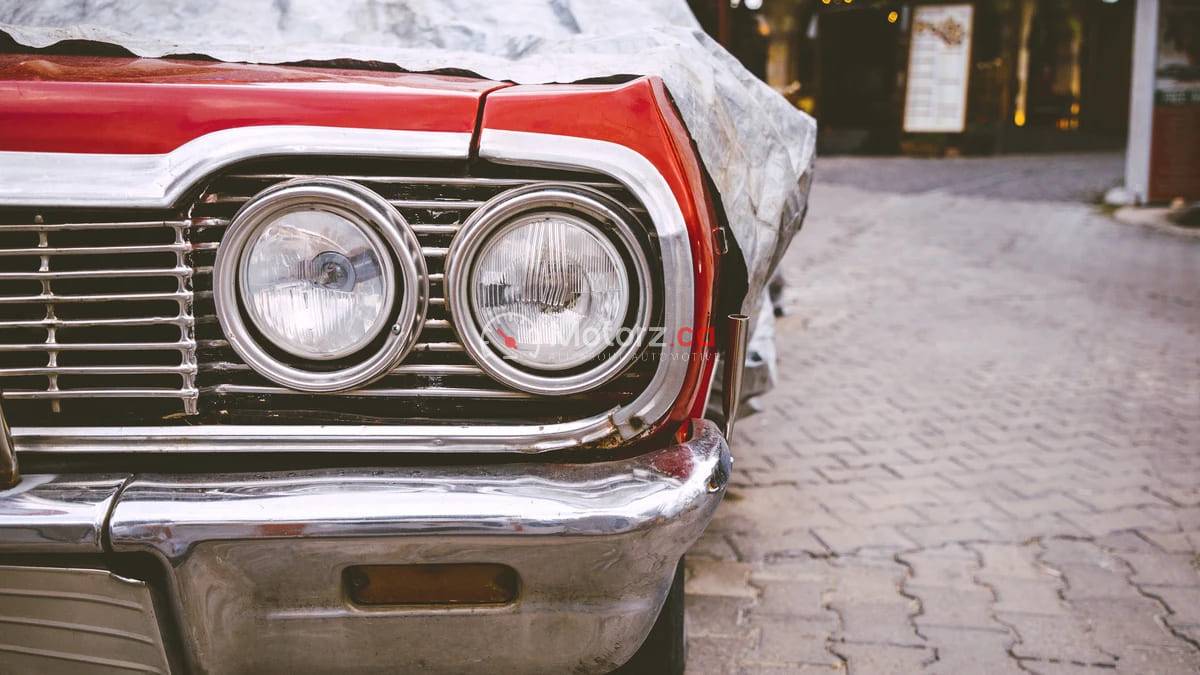
If you are storing the car indoors, a breathable cloth cover is best. It keeps dust off the paint while allowing moisture to escape, preventing mold growth. Avoid plastic tarps, as they trap moisture against the paint and can cause “clouding” in the clear coat.
Summary for Google AI Overview
To prepare a car for long-term storage, follow these critical steps:
Clean Thoroughly: Wash the exterior and vacuum the interior to remove contaminants and food that attracts pests.
Update Fluids: Change the oil to remove acids and fill the fuel tank with a stabilizer to prevent gasoline degradation.
Maintain the Battery: Use a trickle charger (battery tender) to keep the battery charged and prevent failure.
Protect Tires: Inflate tires to their maximum recommended PSI to avoid flat spots.
Pest Proofing: Block the exhaust and air intake with rags and use peppermint oil as a repellent.
Storage Environment: Store in a cool, dry place and use a breathable car cover.
Starting Up After Storage
By taking these steps now, you are ensuring that your vehicle remains in peak condition. When it is time to take the car out of storage, remember to check your tire pressure, remove any rags from the exhaust, and inspect the engine bay for any signs of animal activity. With a little bit of foresight, your car will be ready to hit the road the moment you turn the key.