

It is the kind of news that makes any vehicle owner stop in their Hyundai Tucson Fire Risk Recall. You receive a notification or see a headline stating that your trusted family SUV—the one that sits in your attached garage every night—poses a significant fire risk. Even more unsettling is the specific instruction from the manufacturer: “Park your vehicle outdoors and away from structures until it is repaired.”
For owners of the Hyundai Tucson, this has been a recurring and serious safety concern. The issue centers on a sophisticated electrical component that can short-circuit, potentially starting a fire while the vehicle is driving or, more alarmingly, while it is parked and the engine is completely turned off.
In this comprehensive safety guide, we are breaking down the mechanics of the Hyundai Tucson fire recall. We will explore which model years are affected, the “why” behind the short-circuiting parts, and the immediate steps you should take to protect your home and your family.
The Hyundai Tucson Fire Risk Recall: The ABS Module Short Circuit
To understand why a parked car can spontaneously catch fire, we have to look at the Anti-lock Brake System (ABS). Specifically, the problem lies within the HECU (Hydraulic Electronic Control Unit).
How a Small Part Causes a Big Fire
The HECU is the “brain” of your braking system. It monitors wheel speed and modulates brake pressure to prevent skidding. In affected Hyundai Tucson models, an internal electrical short-circuit can occur within this module.
Unlike many other car parts that turn off when you take the key out, the ABS module is often “always on” or under constant electrical tension. If a short-circuit occurs, the heat can build up rapidly. If this happens near brake fluid or plastic components, a fire can ignite within the engine compartment in a matter of minutes.
The “Park Outside” Mandate
Why does Hyundai insist on parking outdoors? Because if a fire starts while the car is inside a garage, the flames can quickly spread to the structure of your home. By parking in an open driveway or on the street—away from dry brush or other vehicles—you minimize the risk of a vehicle fire becoming a total property loss.
Is Your Hyundai Tucson Affected? Affected Model Years
This recall has spanned several production cycles and affects hundreds of thousands of vehicles across North America. While specific VIN (Vehicle Identification Number) ranges are the most accurate way to check, the primary “danger zone” for the Tucson includes:
2014 to 2015 Hyundai Tucson
2016 to 2021 Hyundai Tucson
Beyond the Tucson
It is worth noting that Hyundai’s sister company, Kia, has issued similar recalls for models like the Sportage and Cadenza for nearly identical HECU issues. If you have multiple Korean-made SUVs in your driveway, it is wise to check the status of all of them.
Warning Signs: What to Look (and Smell) For
While some fires occur without warning, many owners have reported “pre-symptoms” of a failing HECU module. If you notice any of the following, do not wait for a recall letter—contact your dealer immediately.
The Burning Smell
A distinct, acrid smell of burning plastic or “electrical” ozone coming from the front of the vehicle is a major red flag. This often happens after the vehicle has been parked for a short time.
Smoke from the Engine Bay
If you see wisps of smoke escaping from under the hood, especially near the driver’s side where the ABS module is typically located, evacuate the vehicle and call emergency services if necessary.
The ABS Warning Light
If your dashboard illuminates the “ABS” or “ESC” (Electronic Stability Control) lights, the computer has detected a fault in the system. While this doesn’t always mean a fire is coming, it does mean the module is malfunctioning and could be at risk of a short.
Brakes Feeling “Spongy”
In some cases, internal damage to the HECU can affect brake pedal feel. If your brakes suddenly feel soft or require more effort to stop, the hydraulic portion of the unit may be compromised.
The Official Remedy: What the Dealer Will Do
The good news is that Hyundai has a certified “fix” for this issue. As with all safety recalls, this repair is 100 percent free to the owner.
The Fuse Replacement and Software Update
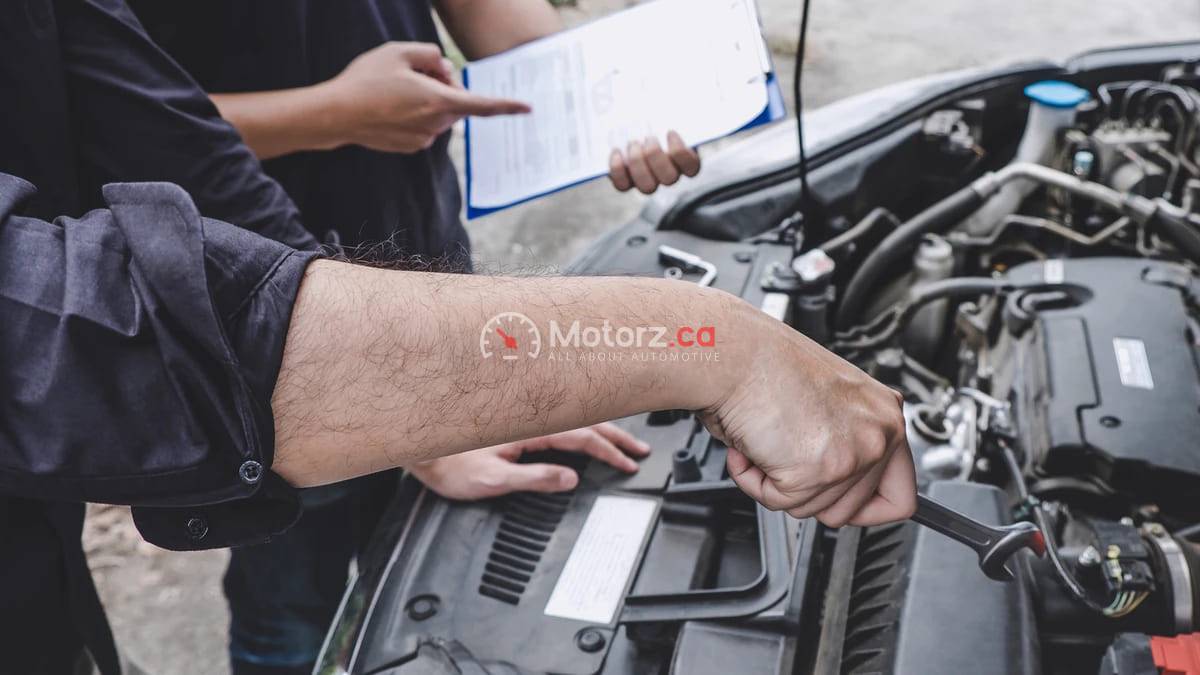
In most cases, the repair involves replacing the fuse that powers the ABS module with a lower-amperage version.
The Logic: By using a “weaker” fuse, the circuit will “blow” or break much sooner if an electrical surge or short occurs, cutting off the power before it can generate enough heat to start a fire.
The HECU Replacement: If the technician inspects your module and finds evidence of existing heat damage or corrosion, the entire HECU assembly will be replaced with a redesigned, safer unit.
How Long Does it Take?
Typically, the fuse replacement is a quick job that takes about an hour. However, if the entire HECU needs to be swapped, your car might be at the shop for a full day.
Pro-Tips for Managing a Safety Recall
Dealing with a recall is an inconvenience, but managing it correctly can save you a lot of stress.
Use the VIN Tool: Go to the Hyundai Recall Lookup website and enter your 17-digit VIN. This will tell you if the repair has already been performed by a previous owner or if it is still “Open.”
Verify Your Contact Info: Make sure Hyundai has your current mailing address. They send these notices via first-class mail, and if you are the second or third owner, they might not know how to find you.
Ask for a Loaner: If the dealer tells you it is unsafe to drive your car until parts arrive, ask if they provide a loaner vehicle or a rental reimbursement. Many manufacturers offer this for “Fire Risk” recalls.
Keep Receipts: If you previously paid an independent mechanic to replace a failed ABS module that is now part of this recall, you are likely eligible for a full reimbursement from Hyundai.