


The Passion and Profit of a Collector Car
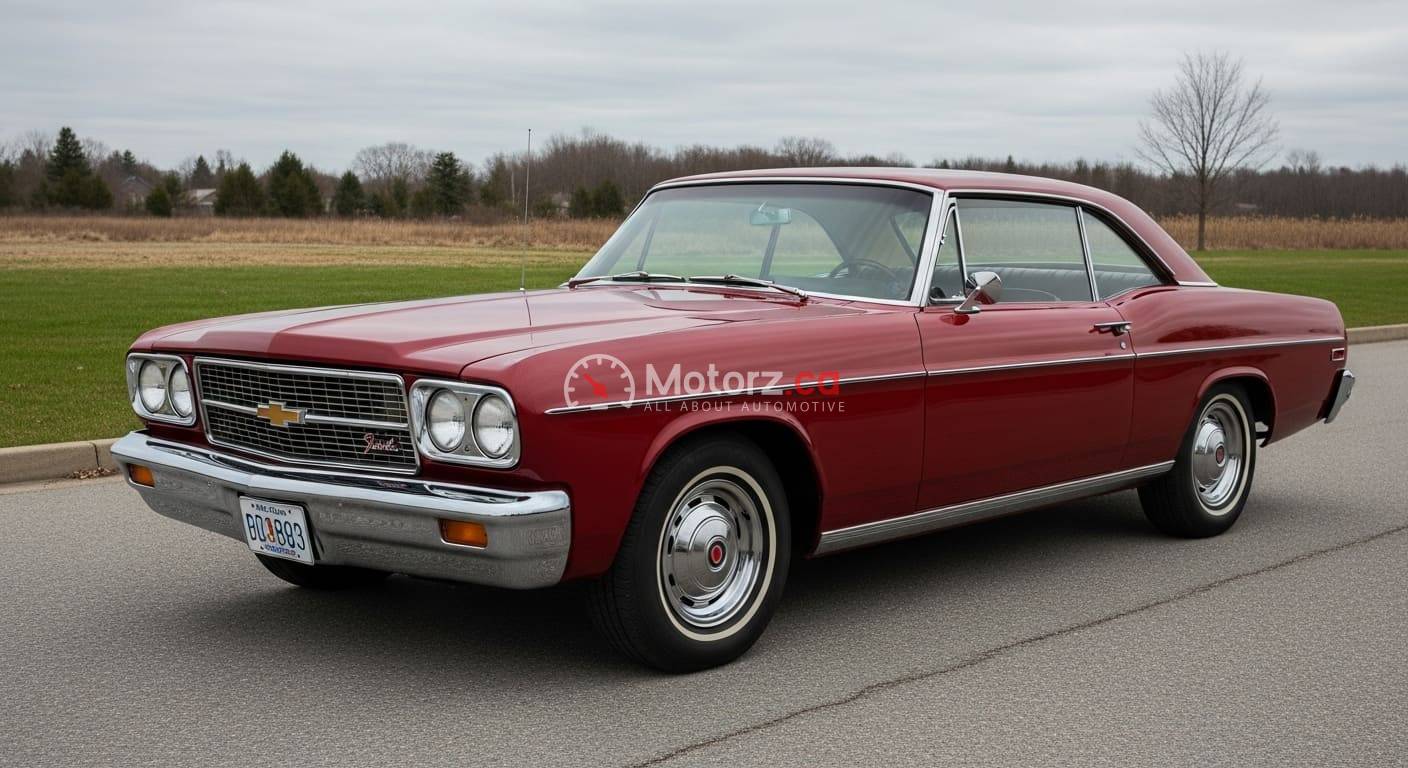
For many, a car is just a means of getting from Investing in a Collector Car. But for a growing community of enthusiasts and investors in Ontario, certain cars represent something much more: a piece of history, a work of art, and a potential financial asset. The collector car market has seen incredible growth over the past few decades, with certain models appreciating significantly in value. Whether you’re dreaming of a classic muscle car, a vintage European roadster, or a rare modern exotic, buying a collector car in Ontario requires a specific approach. It’s a world governed by unique rules, from specialized insurance to legal requirements that differ from those of a daily driver.
This blog post will serve as your essential guide to investing in a collector car in Ontario. We’ll walk you through the key considerations, from defining what a “collector car” actually is in our province, to navigating the necessary legal and financial steps to protect your valuable investment.
What Makes a Car a Investing in a Collector Car in Ontario?
The term Investing in a Collector Car can be a bit of a gray area. While there’s no single, universally agreed-upon definition, in Ontario, the classification often comes down to what your insurance company and the Ministry of Transportation (MTO) consider to be a collector, antique, or vintage vehicle.
The Key Classifications and Criteria
Age: Generally, most insurers consider a Investing in a Collector Car to be a classic or collector car if it is at least 15 to 20 years old. However, some categories, like “vintage” (often 1919-1930) and “antique” (often 45+ years old), have more specific age requirements.
Condition and Originality: To qualify for specialized insurance, the Investing in a Collector Car must typically be in excellent condition. This doesn’t mean it has to be perfect, but it must be well-maintained and often close to its original factory specifications. Significant modifications might affect your eligibility.
Usage Restrictions: This is a crucial distinction. A collector car cannot be your daily driver. Insurers will require you to have a separate vehicle for regular use and will often impose strict annual mileage limits (e.g., less than 5,000 km) on the collector Investing in a Collector Car. The car is intended for “occasional pleasure use” such as car shows, club events, and weekend drives.
Storage and Security: Many insurers will require the vehicle to be stored in a secure, enclosed space, like a garage, to protect it from theft, vandalism, and the elements.
The Financial Side: Appraisals and Insurance
Unlike a standard car that depreciates, a collector Investing in a Collector Car value often fluctuates based on market demand, rarity, and condition. This requires a different approach to insurance and valuation.
The Importance of a Professional Appraisal
Determining “Agreed Value”: Most classic car insurance Investing in a Collector Car are not based on the vehicle’s “actual cash value” (ACV), which accounts for depreciation. Instead, they are based on an “agreed value,” which is the amount you and the insurer agree the car is worth. To establish this value, you will need a professional, third-party appraisal.
What an Appraisal Covers: A good appraisal will go beyond a simple market value estimate. It will include a detailed inspection of the car’s condition, Investing in a Collector Car, and any modifications. It will also take into account the car’s provenance (ownership history), which can significantly affect its value.
Finding an Appraiser in Ontario: Look for a professional appraiser who specializes in collector vehicles. Many insurance companies have a list of approved appraisers. An appraiser with a strong reputation in the Ontario classic car community is a wise choice.
Specialized Collector Car Insurance
Why You Need It: A standard car insurance Investing in a Collector Car will not provide adequate coverage for a collector vehicle. It will likely not cover the car for its true value and may have clauses that invalidate the policy if the car is used for anything other than a daily commute.
Key Policy Features: Look for a policy that offers “Agreed Value Coverage,” coverage for spare parts, and “Familia Protection” (OPCF 44), which protects you if you are in an accident with an underinsured driver. Some policies also offer “automobilia” coverage for collectible items related to your car, like signs or model cars.
Reputable Insurers: Major insurance providers like Investing in a Collector Car, CAA, and others offer specialized classic car insurance in Ontario. Get multiple quotes and compare the coverage and requirements to find the best policy for your needs.
Navigating the MTO: Registration and Licensing
Registering a collector car in Ontario is similar to registering a standard vehicle, but there are a few extra considerations.
The Registration Process
Standard Documents: You will need a bill of Investing in a Collector Car, a Used Vehicle Information Package (UVIP) if purchased from a private seller, a completed transfer of ownership section on the vehicle permit, and proof of insurance.
Safety Standards Certificate: As with any used vehicle, you will need a valid Safety Standards Certificate (SSC) issued by a licensed mechanic. For a collector car, it’s a good idea to find a mechanic with experience working on vintage vehicles to ensure all systems are functioning correctly.
Collector Plates: While not a requirement for Investing in a Collector Car, some owners choose to get “collector plates.” This is an Ontario program that allows for a special plate to be issued for a vehicle that is at least 30 years old. There are specific rules regarding the use of these plates, so check the MTO’s website for the most up-to-date information.
The Lifestyle and Community in Ontario
Owning a collector car is a journey that goes beyond the vehicle itself. It’s an entry into a vibrant and passionate community.
Car Clubs and Events
Joining a Club: Ontario is home to a fantastic network of classic car clubs, from the Antique and Classic Car Club of Canada Investing in a Collector Car to specific clubs for makes and models. These clubs provide a great way to meet fellow enthusiasts, get expert advice, and find out about local events.
Car Shows and Cruise Nights: The province is dotted with car shows and cruise nights throughout the summer. These events are a chance to show off your car, appreciate the hard work of other restorers, and simply enjoy the automotive culture. Events like the Cobble Beach Concours d’Elegance and the many local cruise nights are a highlight of the season.