

The transition to electric vehicles EV Rebate in Canada has been significantly supported by government incentives, and the province of New Brunswick was a key player in this movement. However, the landscape for EV buyers in the province has recently undergone a major shift. The popular Plug-In NB Rebate Program, which provided substantial financial incentives for the purchase or lease of both new and used electric and plug-in hybrid electric vehicles (PHEVs), officially ended on June 30, 2025.
While the program is no longer accepting new purchases, its successful closure marks a pivotal moment. The New Brunswick government announced it is shifting its focus from consumer incentives to the crucial area of charging infrastructure development. This transition suggests the province believes it has achieved sufficient market adoption to make the next phase of EV rollout—addressing “range anxiety” and network capacity—the new priority.
This article details the historical success of the Plug-In NB Rebate Program, outlines the specific rebate amounts that were previously available for new and used vehicles and charging stations, and analyzes what this policy shift means for residents of New Brunswick looking to go electric in the near future.
The End of an Era: Key Program Details and EV Rebate
The Plug-In NB program was launched in July 2021 as a cornerstone of the province’s Climate Change Action Plan, aiming to accelerate the adoption of zero-emission vehicles (ZEVs). Its closure in June 2025 was pre-announced, driven by a combination of successful market penetration and a strategic refocusing of provincial resources.
Final Rebate Amounts Available (Up to June 30, 2025)
The program offered tiered incentives based on the vehicle type and its purchase status. It is crucial to remember that these amounts are now historical and applied only to vehicles purchased or leased on or before June 30, 2025, and submitted within the 30-day application window.
Definition Note: The “long-range” PHEV classification, which qualified for the higher 5,000 rebate, applied to vehicles with an electric-only range equal to or greater than 50 kilometers. This ensured the most significant incentives went to vehicles that could maximize their use of clean electricity.
The Power of Stacking Incentives
During its operation, the Plug-In NB Rebate was most impactful because it could be stacked with the Federal Incentives for Zero-Emission Vehicles (iZEV) Program (which itself provided up to 5,000 until it was paused in early 2025). This stacking meant that, for a time, New Brunswick residents could potentially receive a total of up to 10,000 off the purchase price of an eligible new EV. This massive discount was key to bridging the upfront cost difference between ZEVs and comparable gasoline cars, driving high adoption rates.
Success Metrics: The program was declared a success, meeting and surpassing its climate change action plan target of electric vehicles making up six per cent of new light-duty vehicle sales by 2025. It issued thousands of rebates over its lifespan, investing significant public funds into the consumer market.
Focus Shift: From Rebates to Charging Infrastructure
The closure of the vehicle rebate program signifies a calculated pivot by the provincial government, recognizing that the primary barrier to mass adoption is no longer just the initial price tag, but the public charging experience.
Addressing Range Anxiety with Public Investment
As the number of EVs on New Brunswick roads approaches 7,000 (a significant increase from pre-program numbers), the pressure on the existing charging network grows. The government’s new focus is on dramatically improving accessibility and speed.
Planned Investments: The province has committed significant funding, including a 4 million budget allocation for the current fiscal year, to expand and upgrade the charging network.
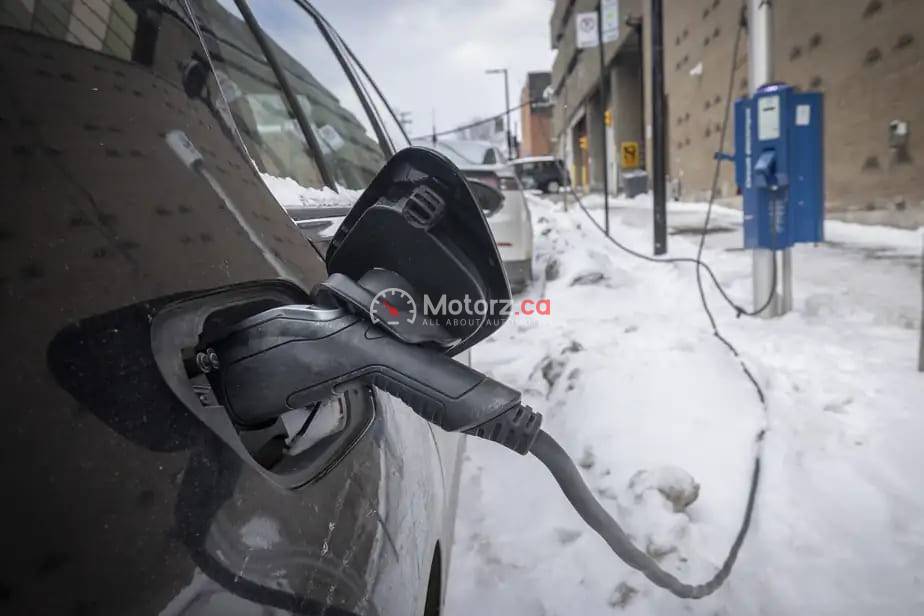
Fast Charger Prioritization: There is a specific focus on installing high-powered chargers, including new 320 kW fast chargers capable of charging two vehicles simultaneously. These are essential for reducing travel times and enabling long-distance commuting across the province.
Strategic Locations: The new investment will target charging stations in public places, at workplaces, and along key travel corridors to alleviate “range anxiety”—the fear of running out of battery before reaching a charging point.
The Residential Charging Incentive
The vehicle rebate program was comprehensive, including an incentive for home infrastructure.
Home Charger Rebate: Eligible residents who received a vehicle rebate were also able to claim up to 750 (covering 50 percent of the cost) for the purchase and installation of a new Level 2 home charging station.
Importance of Home Charging: For most EV owners, approximately 90 percent of their charging takes place at home. This rebate was crucial for ensuring drivers could take advantage of cheaper overnight utility rates and reduce their reliance on the public network for daily needs. Since this was directly linked to the now-closed vehicle rebate, this infrastructure incentive is also no longer available to new buyers.
What New Brunswick Buyers Need to Know Now
Despite the end of the provincial rebate, the case for purchasing an electric vehicle in New Brunswick remains strong due to low operating costs and continued federal support (if the iZEV program is renewed).
The Long-Term Financial Advantages of EVs
While the upfront cost is higher without the provincial rebate, the total cost of ownership (TCO) still favours ZEVs over the long run.
Lower Fuel Costs: New Brunswick’s electricity rates are consistently lower than the high cost of gasoline. A full charge for an average EV costs significantly less than filling a tank with premium fuel.
Reduced Maintenance: EVs require dramatically less maintenance than internal combustion engine (ICE) vehicles. There are no oil changes, spark plugs, timing belts, or complex transmissions to repair, leading to substantial savings over five to ten years of ownership.
High Resale Value: EVs, especially those from reliable brands, are showing strong residual values as the market matures and demand remains high.
Navigating Vehicle Eligibility (Historical Context)
The Plug-In NB program adopted the same eligibility criteria as the federal iZEV program (when it was active), which provides a clear guide for buyers interested in the models that were previously subsidized.
Base MSRP Caps: The rebate was targeted at making mass-market vehicles affordable, not luxury ones. New passenger vehicles needed a base MSRP of less than 55,000, with a cap of 65,000 for higher trims. Larger vehicles like SUVs, vans, and trucks had a slightly higher base cap of 60,000, up to 70,000 for higher trims.
Eligible Models: This included many popular models that were the focus of the rebates, such as the Chevrolet Bolt EV, Nissan LEAF, Hyundai Kona Electric, Kia Niro EV, and the Mitsubishi Outlander PHEV (especially the long-range variants). Buyers today can be confident that these models, which qualified for previous incentives, remain some of the most efficient and practical choices.
Looking Ahead: The Future of EV Adoption in New Brunswick
The shift in policy reflects the maturity of the EV market in New Brunswick. The era of high consumer discounts has closed, giving way to an era focused on infrastructure resilience and market normalization.
The Importance of a Robust Charging Network
The province’s decision to prioritize public charging is a significant step toward achieving a truly viable EV ecosystem. Without reliable, fast charging in public spaces, electric vehicle ownership remains inconvenient for those who live in multi-unit dwellings or travel frequently.
Economic Impact: A strong charging network makes New Brunswick an attractive travel corridor for EV drivers from neighboring provinces and the United States, boosting local tourism and commerce.
Equity Considerations: Expanding the public network supports residents who do not have access to dedicated home charging (e.g., apartment dwellers), making EV ownership a realistic option for more New Brunswickers.
Key Takeaways for Today’s Buyer
The Stack is Gone: New Brunswickers must factor the lack of the provincial rebate into their current budget. This means the immediate purchase price is higher than it was before July 2025.
Focus on TCO: Now more than ever, buyers should focus on the Total Cost of Ownership, utilizing online tools to calculate savings on fuel, maintenance, and long-term operating expenses.
Watch for Federal Renewal: The renewal of the federal iZEV program would instantly reduce the price of eligible new vehicles by 5,000, which would be the single largest financial incentive available to New Brunswickers moving forward.
The Plug-In NB Rebate Program played its part perfectly, spurring initial adoption. Now, the province enters the next crucial phase: building the resilient, convenient charging infrastructure required to make electric driving the natural choice for the majority of its residents.