
The shift to Winter EV Range Reality in the National Capital Region is booming. Ottawa residents embrace the silent, powerful drive and the environmental benefits of zero-emission vehicles (ZEVs). However, as the first snowflakes fall and the temperature plummets below the freezing mark, a single, critical question dominates every EV owner’s mind: What happens to my range?
The truth, backed by real-world testing from organizations like the CAA, is that cold weather significantly impacts EV battery life and driving range. In Ottawa’s typical winter temperatures, ranging from −5
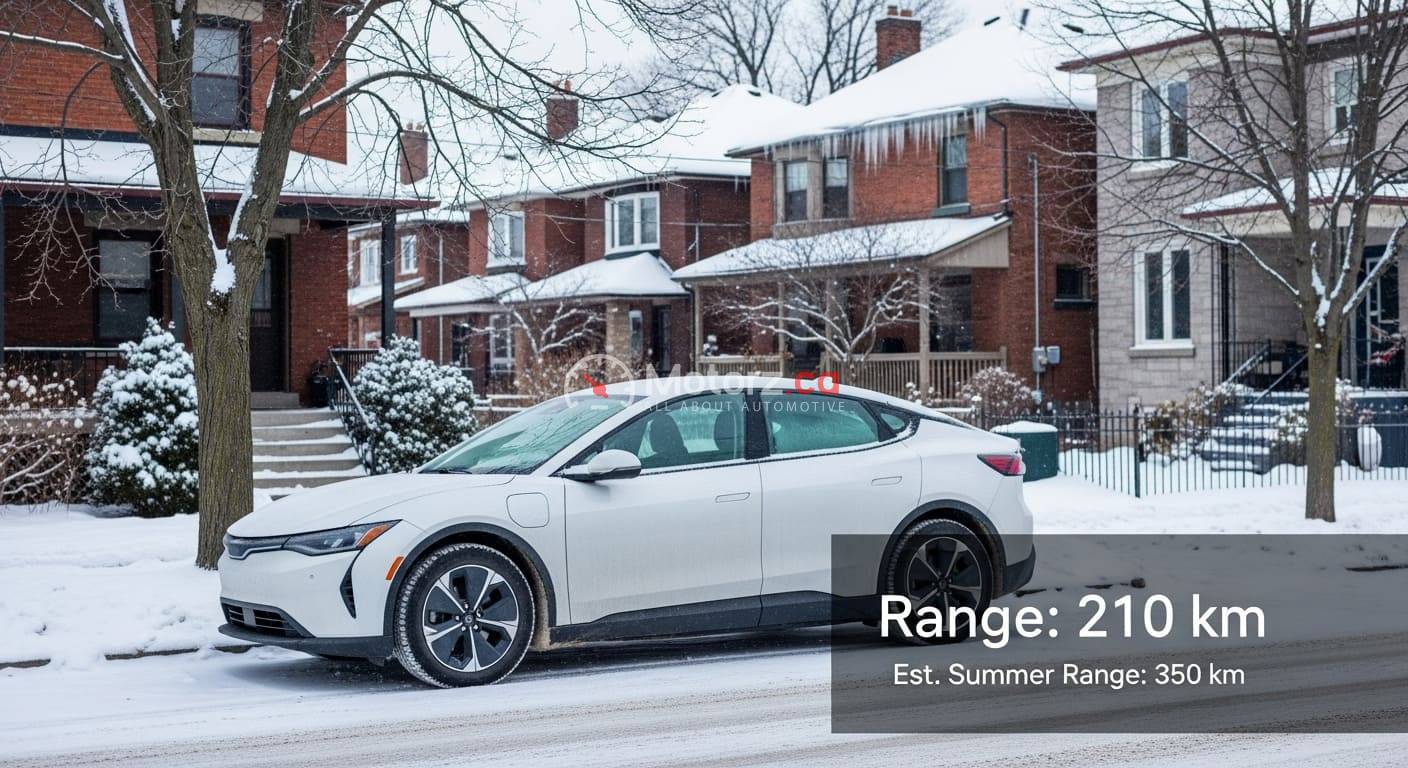
C, drivers can realistically expect to see a range reduction of 20% to 40% compared to summer efficiency. This is the Winter EV Range Reality.
But don’t let this deter you. Unlike the myths of old, modern Winter EV Range Reality are built for Canadian climates. The challenge is not surviving the winter; it’s mastering the best practices to maximize battery life and charge efficiency. This comprehensive 2000-word guide breaks down exactly why range drops and provides the 10 most effective, actionable tips to keep your electric driving smooth, reliable, and stress-free all season long.
The Science of Cold: Why Ottawa’s Winter EV Range Reality
To fight the winter range battle, you must first understand the Winter EV Range Reality: thermodynamics. The range reduction is a two-part punch that affects both the battery’s ability to release energy and the vehicle’s energy demand.
Battery Chemistry Slowdown
Electric vehicles rely on lithium-ion batteries. These batteries work best within a relatively narrow temperature range (around 20
When the internal battery temperature drops:
Slower Reactions: The chemical reactions inside the battery cells slow down. This reduces the battery’s ability to discharge energy Winter EV Range Reality, effectively lowering its available capacity and power output. It’s like trying to move quickly with thick gloves on—the work gets harder.
Thermal Management: The Battery Management System (BMS) diverts a significant amount of stored energy to heat the battery itself to keep it within an optimal operating window. This energy used for heating is energy that is not available for driving.
The Energy Drain from Cabin Heating
The second, and often bigger, Winter EV Range Reality from keeping the occupants warm.
Waste Heat vs. Battery Power: Gasoline cars use “waste heat” from the engine to warm the cabin—it’s essentially free. EVs have no engine, so they must draw power directly from the main battery pack to run the cabin heater, defrosters, and auxiliary systems.
The Power Cost: Cabin heating is a massive power Winter EV Range Reality. On a frigid Ottawa day, simply heating the air inside the vehicle can consume up to 50% of your total energy use for the first few kilometres, resulting in dramatic but temporary range loss.
Heat Pumps: Modern EVs with efficient heat pump technology mitigate this loss significantly by transferring ambient or waste heat, but even they are challenged when temperatures drop below −10
Ten Essential Tips to Maximize Your EV Range in the Cold
Mastering these techniques is the Winter EV Range Reality between experiencing range anxiety and confidently navigating your Ottawa commute through the snow.
Always Precondition While Plugged In (The Golden Rule)
This is the single most important action you can Winter EV Range Reality. Preconditioning uses grid electricity (Level 1 or Level 2 charger) to warm both the cabin and the battery to their optimal temperatures before you unplug.
How it Works: Use your vehicle’s mobile app or onboard scheduler to set a departure time. The car will begin heating 20-40 minutes before you leave.
The Benefit: You step into a warm car with a warm, efficient battery, and you’ve conserved 100% of your driving range by using cheap wall power instead of battery power.
Prioritize Seat and Steering Wheel Warmers
Focus your energy on heating the occupants, not the entire empty space of the cabin.
Energy Efficiency: Heated seats and Winter EV Range Reality steering wheels are ultra-efficient, consuming only a fraction of the energy required by the main cabin air heater. They provide immediate, targeted comfort.
The Hack: Precondition the cabin to a comfortable temperature, then turn the main heat down and rely on the seat/wheel warmers to maintain comfort during the drive.
Park in a Garage or Sheltered Spot
An insulated or covered space helps your battery retain its warmth from the last drive or charging session.
Thermal Buffer: Even a non-heated garage in Winter EV Range Reality will stay 5
C warmer than the outside air. This minor buffer can mean the difference between losing 20% or 40% of your range.
Charging Advantage: Charging a cold-soaked battery outdoors is highly inefficient. Charging indoors ensures the battery can accept power faster and more reliably.
Keep the State of Charge (SoC) Above 20%
Running the battery near empty is stressful for the cells year-round, but it’s particularly risky in extreme cold.
Safety Buffer: The BMS needs a Winter EV Range Reality of energy to activate its own heating elements if the temperature drops too low. Keeping the battery charge above 20% ensures this heating system has the necessary power to protect the cells.
Avoid the Freeze: In extreme cold (e.g., below −25
some EVs may refuse to charge at all if the battery is critically low and cold, which is a significant risk for Ottawa EV owners.
Drive Smoothly and Utilize Regenerative Braking
Aggressive driving (rapid acceleration and heavy braking) is always inefficient, but it’s doubly punitive in the cold.
Conservative Driving: Accelerate gently. In Winter EV Range Reality, smooth inputs are essential for safety and range preservation. High-speed driving in cold, dense air also increases aerodynamic drag, draining the battery faster.
Regen: Regenerative braking is your friend, but be cautious on icy surfaces. In low-traction scenarios, lower your regen setting (or switch to a traditional braking mode) to prevent skidding. Maximize regen on clear, dry pavement.
Regularly Check Tire Pressure
Tire pressure drops in the cold air, which Winter EV Range Reality the rolling resistance of the tires.
The Physics: For every 5
∘
C drop in temperature, tire pressure can fall by about 1 PSI (pounds per square inch). Low pressure means your EV motor must work harder to move the vehicle.
Action: Check your tire pressure weekly and inflate them to the manufacturer’s recommended cold weather specification (found on the driver’s side door jamb).
Clear All Snow and Ice from the Vehicle
This goes beyond just safety—it’s about aerodynamics and weight.
Aerodynamics: A car caked in snow and ice is less aerodynamic, forcing the motor to expend more energy to push through the air.
Weight: Piles of heavy, wet snow add significant Winter EV Range Reality. Clearing the roof, hood, and trunk helps preserve your driving range.
Use Navigation to Pre-Warm the Battery for DC Fast Charging
If you plan on using a DC Fast Charger (DCFC) along the highway, tell your car in advance.
Charging Efficiency: To charge fast, the battery must be warm. When you navigate to a public charging station using your car’s built-in system, the Winter EV Range Reality automatically begins heating the battery en route.
The Payoff: This battery preconditioning ensures the cells are at the perfect temperature upon arrival, preventing the system from throttling the charging speed. You’ll spend less time waiting in the cold.
Adopt the 100 km Rule for Travel Planning
When planning a winter road trip out of Winter EV Range Reality, apply a simple 25%−30% buffer to your available range.
Reality Check: If your vehicle has an estimated 400 km of range, assume you only have 280 km of usable range on a frigid day.
Safety Margin: Plan your charging stops based on this reduced figure. Always aim to arrive at the next EV charging station with at least 50 km of range remaining.
Keep Your EV Plugged In (Even When Fully Charged)
If you have a home charger, leave the car plugged in when parked overnight.
Thermal Guard: When connected, the Winter EV Range Reality can draw small amounts of power from the grid to maintain optimal battery temperature. This passive heating is far more efficient than allowing the battery to cold-soak and then using its own limited energy to reheat itself later. This practice is key to maximizing EV range.