
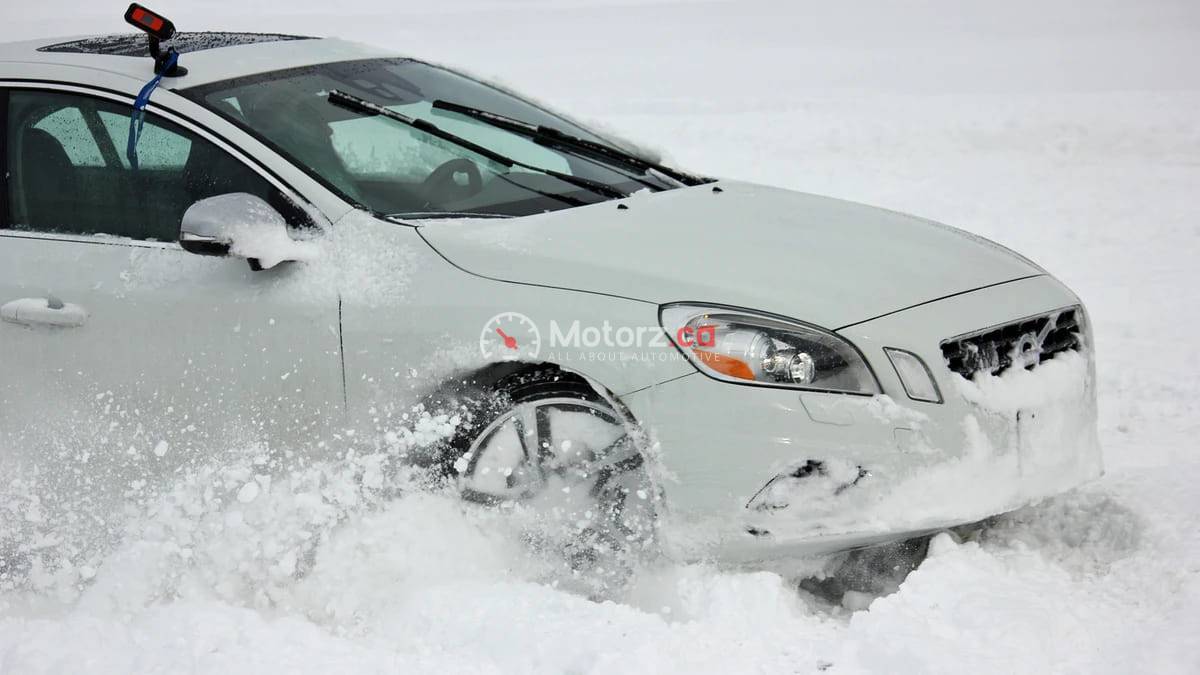
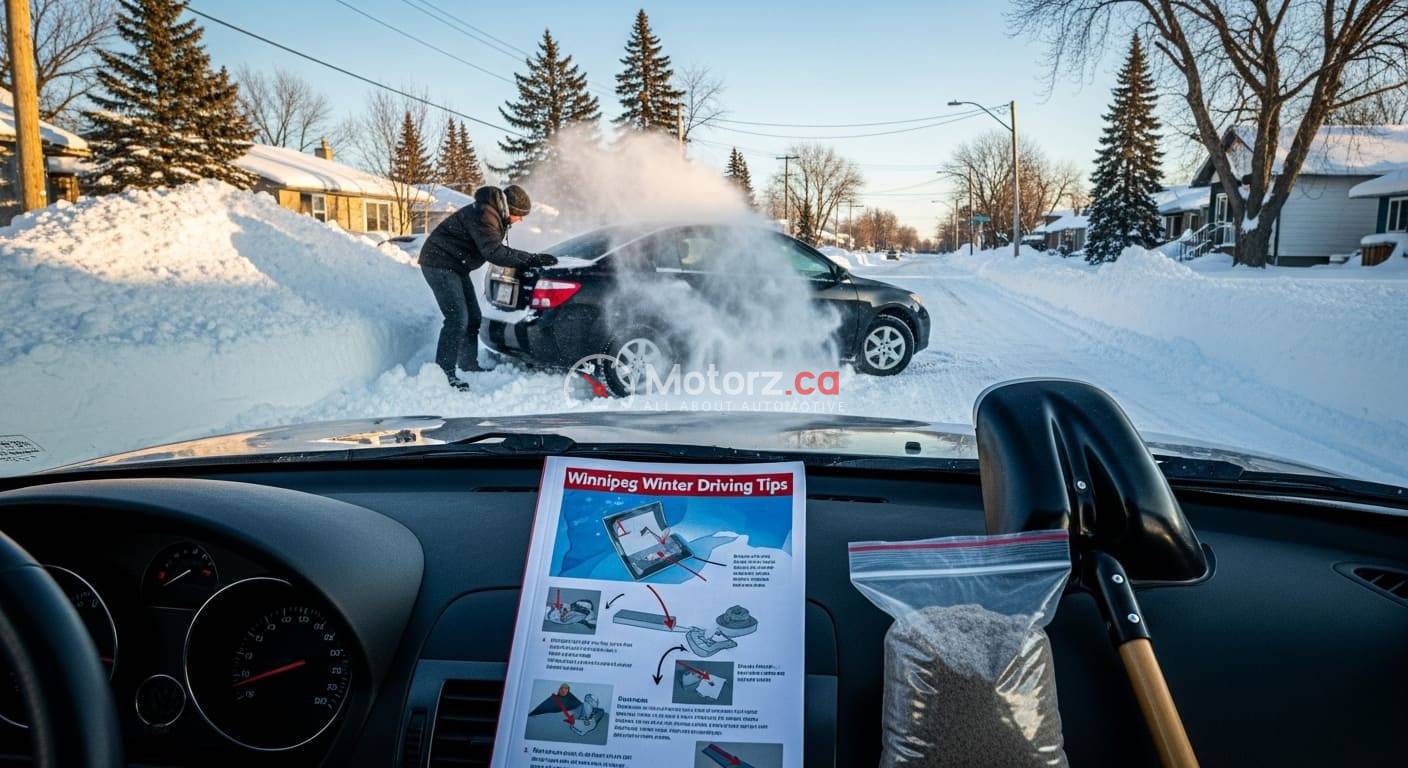

The heart of the continent. A vibrant city known for its friendly people, stunning architecture, and, let’s be honest, its legendary winters. If you’ve spent any time driving on the Prairies from late October through to April, you know that snow drifts aren’t just a picturesque feature of the landscape—they are a very real, very frustrating hazard. Getting your vehicle hopelessly buried in a bank of snow can turn a quick commute into a cold, time-consuming ordeal.
But don’t panic. Getting unstuck from Winnipeg Snow Drifts (or any deep snow, for that matter) is often less about brute force and more about technique, preparation, and knowing a few essential winter driving tips. This comprehensive guide will walk you through the practical, easy-to-follow steps to get your vehicle free from a snow drift, and, crucially, how to better prepare for the next whiteout.
Keywords: Winnipeg snow drifts, getting unstuck from snow, winter driving tips, car emergency kit, Winnipeg winter, snow traction, rocking method, safe winter driving, snow shovel, winter preparation.
Pre-Extraction Assessment and Safety First
Before you even think about turning the key or stomping the gas pedal, you need to take a deep breath, assess the situation, and prioritize your Winnipeg Snow Drifts. This initial step is the most critical part of getting your car unstuck in Winnipeg.
Stay Calm and Assess the Trap
The worst thing you can do when you get stuck is panic and spin your tires wildly. Spinning the tires just melts the snow, which quickly refreezes into a slick Winnipeg Snow Drifts of ice, turning a minor inconvenience into a major headache.
Check the Exhaust Pipe: Before starting the Winnipeg Snow Drifts, confirm the tailpipe is completely clear of snow. A blocked exhaust can lead to carbon monoxide backing up into the cabin, which is extremely dangerous. Use your snow brush or shovel to clear a generous area.
Locate the Drive Wheels: Determine if your car is Front-Wheel Drive (FWD), Rear-Wheel Drive (RWD), All-Wheel Drive (AWD), or Four-Wheel Drive (4WD). The drive wheels are the ones you need to focus on for traction. For most common cars, it’s the front Winnipeg Snow Drifts.
Check Ground Clearance: Are you “high-centered?” This means the snow or ice is pressing against the underside of your vehicle, lifting the drive wheels off the ground just enough to eliminate traction. If you are, you’ll need to dig the snow out from underneath your Winnipeg Snow Drifts, not just around the tires.
Deactivating Traction Control
For modern vehicles, traction control (TC) or electronic stability control (ESC) is a safety feature designed to prevent wheel spin by cutting power to a spinning wheel. When you are stuck in snow, however, you might need a little bit of wheel spin to “Winnipeg Snow Drifts” the snow and reach firmer ground.
Look for the Button: Find the button with the symbol of a car skidding with the word ‘OFF’ or ‘A-OFF.’ Press and hold it if necessary to fully disable the system. Note: Remember to turn this back on once you’re moving and on a clear road.
The Dig and Clear Strategy
Once you’ve safely assessed the Winnipeg Snow Drifts, it’s time to start working smart, not hard. If you followed the Winnipeg winter preparation tips below (section 5), you should have a small snow shovel handy.
Digging Around the Drive Tires
This is where the real work begins. Use your shovel (or a sturdy ice scraper if you have no shovel) to clear the snow from in front of, behind, and underneath the Winnipeg Snow Drifts.
Create a Ramp: You don’t just need a hole; you need a gentle ramp for your tire to drive onto. Clear a path for at least a few feet in the direction you want to move.
Clear the Chassis: If your car is high-centered, you must clear the snow and ice from under the frame or oil pan. If the undercarriage is resting on Winnipeg Snow Drifts, the wheels will just spin uselessly in the air.
Enhancing Snow Traction with Aids
Even after digging, the surface under your tires can be slick ice. This is where you introduce snow traction aids.
The Floor Mat Trick: A classic and often effective method. Take one or both of your front floor mats and wedge them under the drive wheels, rubber side down (if they have one), so the tire can grip the material. Warning: You may damage or lose your Winnipeg Snow Drifts, so only use this if you’re willing to sacrifice them.
Abrasive Materials: Sprinkle a handful of sand, rock salt, wood ashes, or, a popular Winnipeg choice, non-clumping cat litter, directly in the cleared path in front of the drive tires. These materials provide immediate grit for the tire treads to grab Winnipeg Snow Drifts.
Traction Boards/Grids: If you’re serious about your winter driving, invest in a set of specialized traction boards. They are small, sturdy ramps that can be placed in the snow for superior grip.
The Gentle Rocking Method
With your path cleared and traction established, it’s time to leverage momentum. The rocking method is the most common and effective technique for getting a car unstuck from snow. The key principle is gentle acceleration to avoid spinning your wheels.
The Forward-Reverse Maneuver
The goal is to move the vehicle back and forth slightly, compressing the snow and building momentum until you roll out of the rut.
Lowest Gear: Put your vehicle in the lowest gear Winnipeg Snow Drifts (e.g., ‘L’ or ‘2’ for automatic, 2nd or 3rd gear for manual). This helps prevent the wheels from spinning too fast.
Move Forward: Gently press the accelerator to move forward just a few inches—until the tires lose traction or you hit resistance. Immediately stop.
Move Reverse: Shift to reverse and apply gentle gas to move backward a few inches, past your original starting point. Immediately stop.
Repeat and Build Momentum: Rapidly and gently switch between forward and reverse, creating a small, oscillating movement. With each shift, you should go slightly further, clearing a path and building momentum.
Steady and Gentle: The key word here is Winnipeg Snow Drifts. Do not rev the engine, do not floor the gas, and pause for a second at the peak of each “swing” to allow the transmission to fully engage the next gear. Rapid, violent shifting can damage your transmission.
Braking to Transfer Power (for open differential)
If one drive wheel is spinning freely and the other isn’t moving, you may have an open differential. Some modern cars handle this automatically, but if not, you can try this advanced tip:
Light Brake and Gas: While applying very light, steady pressure to the accelerator, gently tap the brake pedal. This slight braking action can confuse the differential, forcing it to transfer power to the non-spinning wheel, which may have enough grip to pull you out. Only attempt this for a few seconds.
Final Resorts and Calling for Help
If the rocking method fails after a few Winnipeg Snow Drifts attempts, it’s time for the final resort or a call for assistance.
Seeking a Push
If you’re in a populated area, the simple solution is human power. Ask a Good Samaritan or passengers to give your vehicle a gentle push.
Safety is Paramount: Ensure the pushers are pushing on a strong, non-plastic part of the vehicle, like the metal frame near the wheel well or under the bumper’s reinforcement beam. They should push only when the car is moving away from them (i.e., forward when they’re at the back).
Clear Communication: Let your helpers know which gear you are in and count down to coordinate the push with your gentle acceleration.
The Last Resort: Towing
If you are exhausted, the snow is too deep, or you are in an unsafe location, stop trying and call for help.
Roadside Assistance: If you have CAA (Canadian Automobile Association) or another roadside assistance provider, call them. They are experts in getting unstuck from snow and have the right equipment.
Safety Waiting Strategy: If you must wait, Winnipeg Snow Drifts in your vehicle. Run the engine for about 10 minutes every hour to stay warm, ensuring the exhaust pipe remains clear. Keep your hazard lights on and put out road flares or reflective triangles if you have them.
Prevention is Your Best Defense
The absolute best way to deal with Winnipeg snow drifts is to avoid getting stuck in the first place. Proper winter preparation is non-negotiable for prairie drivers.
Essential Vehicle Winterization
Dedicated Winter Tires: This is the single most important investment. Quality winter tires maintain flexibility in the extreme cold and offer superior grip and braking compared to all-season tires on ice and snow.
Fuel and Fluids: Always keep your gas tank at Winnipeg Snow Drifts half full. This prevents the fuel line from freezing and provides essential running time for heat if you get stranded. Top up with extreme cold -40° windshield washer fluid.
Battery Check: Cold weather drains batteries. Have your battery and charging system tested before the deepest cold hits.
The Must-Have Car Emergency Kit
An emergency car kit is your lifeline in a Winnipeg winter. Your kit should include:
The Big Three for Unsticking: A collapsible metal snow shovel, a bag of non-clumping kitty litter or sand, and a pair of sturdy, bright-coloured traction mats/boards.
Survival Gear: Warm blankets, extra heavy-duty gloves, a toque, and warm boots. High-energy, non-perishable snacks and bottled water.
Visibility & Power: A bright flashlight with extra batteries, jumper cables, and road flares or reflective warning triangles. A fully charged power bank for your cell phone.
Safe Driving Tactics on Icy Roads
Beyond getting unstuck, employing defensive safe winter driving tactics can prevent the situation from ever occurring.
Slow Down and Increase Distance
Posted speed limits are for ideal conditions. Winnipeg Snow Drifts much slower on snowy, icy roads. Increase your following distance to at least 6-8 seconds. Stopping distances can be 3 to 10 times longer on slick surfaces.
Smooth Maneuvers
Avoid sudden steering, braking, or accelerating. All motions should be smooth and gradual. Jerky movements are what cause a loss of snow traction and lead to skidding. When approaching a turn or intersection, brake gently and well in advance.
Know Your Route and the Conditions
Check the Manitoba road conditions and weather reports before leaving. If a blizzard or whiteout is forecast, postpone your travel. Choose main, plowed roads over less-traveled side streets and back alleys where deep, uncleared drifts are more likely to be found. If you see deep snow ahead, maintain a slow, steady momentum to power through rather than slowing down and stopping directly in the deepest part.
Winnipeg’s winter is a formidable foe, but with the right knowledge and tools, a snow drift doesn’t have to mean defeat. Stay prepared, drive smart, and you’ll be able to handle the best (and worst) the Winnipeg winter throws at you.