




For many of us, a car is more than just a way to get from point A to point B; it is a canvas for self-expression. Whether it is a set of rugged oversized tires for a weekend warrior, a high-tech android infotainment system for a long commute, or a performance-boosting tuning box, vehicle add-ons promise to make our driving experience faster, safer, or more stylish.
However, the world of aftermarket modifications is a “buyer beware” landscape. While the brochure focuses on the benefits, the reality is that many add-ons can interfere with the delicate balance of a modern vehicle’s engineering. From triggering ghost-like electrical faults to voiding your expensive factory warranty, the wrong modification can turn your dream car into a maintenance nightmare.
In this deep dive, we explore the mechanical, electrical, and legal problems that vehicle add-ons can create, and how to customize your ride without compromising its integrity.
Electrical Gremlins: The Danger of “Plug and Play” Accessories
Modern vehicles are essentially computers on wheels. They use a complex communication network called a CAN bus to send signals between the engine, brakes, and safety systems. When you tap into this system with aftermarket electronics, you are inviting potential chaos.
Gemini said
The Hidden Cost of Customization: Why Your Vehicle Add-Ons Might Be Creating Problems
For many of us, a car is more than just a way to get from point A to point B; it is a canvas for self-expression. Whether it is a set of rugged oversized tires for a weekend warrior, a high-tech android infotainment system for a long commute, or a performance-boosting tuning box, vehicle add-ons promise to make our driving experience faster, safer, or more stylish.
However, the world of aftermarket modifications is a “buyer beware” landscape. While the brochure focuses on the benefits, the reality is that many add-ons can interfere with the delicate balance of a modern vehicle’s engineering. From triggering ghost-like electrical faults to voiding your expensive factory warranty, the wrong modification can turn your dream car into a maintenance nightmare.
In this deep dive, we explore the mechanical, electrical, and legal problems that vehicle add-ons can create, and how to customize your ride without compromising its integrity.
Electrical Gremlins: The Danger of “Plug and Play” Accessories
Modern vehicles are essentially computers on wheels. They use a complex communication network called a CAN bus to send signals between the engine, brakes, and safety systems. When you tap into this system with aftermarket electronics, you are inviting potential chaos.
Battery Drain and Alternator Strain
Your car’s electrical system—the battery and the alternator—is precisely sized to handle the equipment it came with from the factory. Adding high-output audio amplifiers, powerful LED light bars, or multi-screen entertainment systems can exceed this capacity.
The Symptom: You might notice your headlights dimming when the music hits a bass note, or you may find your car struggling to start after sitting for just one night.
The Risk: Overworking the alternator leads to premature failure, a repair that can cost hundreds of units.
Fire Hazards from Substandard Wiring
One of the most dangerous problems with “cheap” aftermarket add-ons is poor-quality wiring. Many third-party manufacturers use undersized wires that lack proper heat shielding or fuses.
Overheating: If a wire is too thin for the current it is carrying, it acts like a heating element in a toaster.
Short Circuits: Improperly grounded accessories are the leading cause of sudden vehicle fires. If you smell burning plastic after installing a new gadget, pull over immediately.
Mechanical Stress: How “Cool” Upgrades Hurt Longevity
We often think of parts like tires and suspension as separate components, but they are designed to work as a unified system. Changing one piece of the puzzle can cause a “domino effect” of mechanical wear.
Gemini said
The Hidden Cost of Customization: Why Your Vehicle Add-Ons Might Be Creating Problems
For many of us, a car is more than just a way to get from point A to point B; it is a canvas for self-expression. Whether it is a set of rugged oversized tires for a weekend warrior, a high-tech android infotainment system for a long commute, or a performance-boosting tuning box, vehicle add-ons promise to make our driving experience faster, safer, or more stylish.
However, the world of aftermarket modifications is a “buyer beware” landscape. While the brochure focuses on the benefits, the reality is that many add-ons can interfere with the delicate balance of a modern vehicle’s engineering. From triggering ghost-like electrical faults to voiding your expensive factory warranty, the wrong modification can turn your dream car into a maintenance nightmare.
In this deep dive, we explore the mechanical, electrical, and legal problems that vehicle add-ons can create, and how to customize your ride without compromising its integrity.
Electrical Gremlins: The Danger of “Plug and Play” Accessories
Modern vehicles are essentially computers on wheels. They use a complex communication network called a CAN bus to send signals between the engine, brakes, and safety systems. When you tap into this system with aftermarket electronics, you are inviting potential chaos.
Battery Drain and Alternator Strain
Your car’s electrical system—the battery and the alternator—is precisely sized to handle the equipment it came with from the factory. Adding high-output audio amplifiers, powerful LED light bars, or multi-screen entertainment systems can exceed this capacity.
The Symptom: You might notice your headlights dimming when the music hits a bass note, or you may find your car struggling to start after sitting for just one night.
The Risk: Overworking the alternator leads to premature failure, a repair that can cost hundreds of units.
Fire Hazards from Substandard Wiring
One of the most dangerous problems with “cheap” aftermarket add-ons is poor-quality wiring. Many third-party manufacturers use undersized wires that lack proper heat shielding or fuses.
Overheating: If a wire is too thin for the current it is carrying, it acts like a heating element in a toaster.
Short Circuits: Improperly grounded accessories are the leading cause of sudden vehicle fires. If you smell burning plastic after installing a new gadget, pull over immediately.
Mechanical Stress: How “Cool” Upgrades Hurt Longevity
We often think of parts like tires and suspension as separate components, but they are designed to work as a unified system. Changing one piece of the puzzle can cause a “domino effect” of mechanical wear.
Huge tires look great, but they add significant “unsprung weight” to your vehicle.
Ball Bearing Failure: The extra mass places immense pressure on wheel bearings and ball joints, causing them to wear out in half the time they normally would.
Braking Distance: Larger tires have more rolling resistance and inertia. Studies show that lifted trucks with oversized tires can have a braking distance up to 10% longer than stock—a massive difference in an emergency.
Tuning Boxes and Engine Reliability
Performance “chips” or tuning boxes work by tricking the engine’s computer into spraying more fuel or increasing turbo boost.
The Problem: While you get a temporary power boost, your engine’s cooling system and internal components (like pistons and head gaskets) may not be designed to handle that extra heat and pressure.
The Result: Long-term use often leads to “limp mode” errors or, worse, catastrophic engine failure.
- Delayed Airbags: Airbag sensors are often calibrated to detect the specific crumple rate of your front bumper. A rigid metal bull bar can delay the signal to the airbags, causing them to deploy too late to protect the occupants.
- Chassis Damage: In a minor fender-bender where the bumper would normally absorb the impact, a bull bar transfers that force directly to the car’s frame, potentially totaling a vehicle that should have been repairable.
Gemini said
The Hidden Cost of Customization: Why Your Vehicle Add-Ons Might Be Creating Problems
For many of us, a car is more than just a way to get from point A to point B; it is a canvas for self-expression. Whether it is a set of rugged oversized tires for a weekend warrior, a high-tech android infotainment system for a long commute, or a performance-boosting tuning box, vehicle add-ons promise to make our driving experience faster, safer, or more stylish.
However, the world of aftermarket modifications is a “buyer beware” landscape. While the brochure focuses on the benefits, the reality is that many add-ons can interfere with the delicate balance of a modern vehicle’s engineering. From triggering ghost-like electrical faults to voiding your expensive factory warranty, the wrong modification can turn your dream car into a maintenance nightmare.
In this deep dive, we explore the mechanical, electrical, and legal problems that vehicle add-ons can create, and how to customize your ride without compromising its integrity.
Electrical Gremlins: The Danger of “Plug and Play” Accessories
Modern vehicles are essentially computers on wheels. They use a complex communication network called a CAN bus to send signals between the engine, brakes, and safety systems. When you tap into this system with aftermarket electronics, you are inviting potential chaos.
Battery Drain and Alternator Strain
Your car’s electrical system—the battery and the alternator—is precisely sized to handle the equipment it came with from the factory. Adding high-output audio amplifiers, powerful LED light bars, or multi-screen entertainment systems can exceed this capacity.
The Symptom: You might notice your headlights dimming when the music hits a bass note, or you may find your car struggling to start after sitting for just one night.
The Risk: Overworking the alternator leads to premature failure, a repair that can cost hundreds of units.
Fire Hazards from Substandard Wiring
One of the most dangerous problems with “cheap” aftermarket add-ons is poor-quality wiring. Many third-party manufacturers use undersized wires that lack proper heat shielding or fuses.
Overheating: If a wire is too thin for the current it is carrying, it acts like a heating element in a toaster.
Short Circuits: Improperly grounded accessories are the leading cause of sudden vehicle fires. If you smell burning plastic after installing a new gadget, pull over immediately.
Mechanical Stress: How “Cool” Upgrades Hurt Longevity
We often think of parts like tires and suspension as separate components, but they are designed to work as a unified system. Changing one piece of the puzzle can cause a “domino effect” of mechanical wear.
The Problem with Oversized Tires and Lift Kits
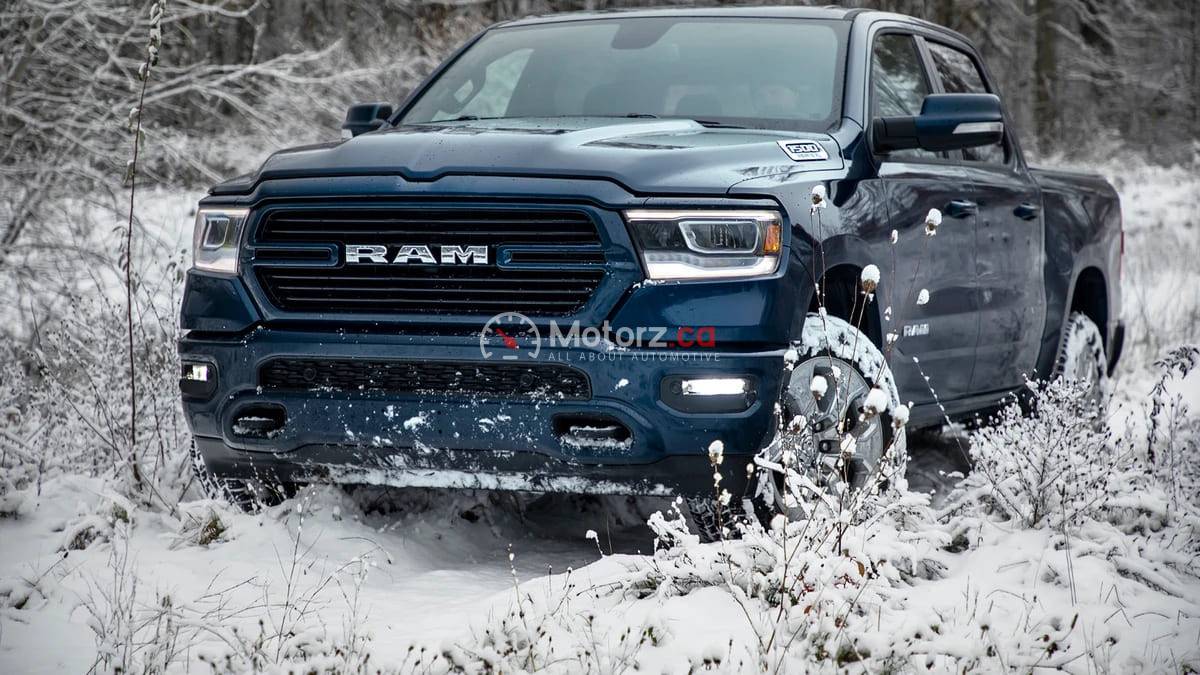
Huge tires look great, but they add significant “unsprung weight” to your vehicle.
Ball Bearing Failure: The extra mass places immense pressure on wheel bearings and ball joints, causing them to wear out in half the time they normally would.
Braking Distance: Larger tires have more rolling resistance and inertia. Studies show that lifted trucks with oversized tires can have a braking distance up to 10% longer than stock—a massive difference in an emergency.
Tuning Boxes and Engine Reliability
Performance “chips” or tuning boxes work by tricking the engine’s computer into spraying more fuel or increasing turbo boost.
The Problem: While you get a temporary power boost, your engine’s cooling system and internal components (like pistons and head gaskets) may not be designed to handle that extra heat and pressure.
The Result: Long-term use often leads to “limp mode” errors or, worse, catastrophic engine failure.
Safety System Interference: Blurring the “Eyes” of Your Car
Modern cars rely on Advanced Driver Assistance Systems (ADAS)—the cameras and sensors that handle lane-keep assist, emergency braking, and adaptive cruise control. Many common add-ons can accidentally “blind” these systems.
Bull Bars and Airbag Deployment
Heavy-duty bull bars are popular for protection, but they can be detrimental in a crash.
Delayed Airbags: Airbag sensors are often calibrated to detect the specific crumple rate of your front bumper. A rigid metal bull bar can delay the signal to the airbags, causing them to deploy too late to protect the occupants.
Chassis Damage: In a minor fender-bender where the bumper would normally absorb the impact, a bull bar transfers that force directly to the car’s frame, potentially totaling a vehicle that should have been repairable.
Window Tints and Sensor Blockage
Heavily tinted windows or even “eyebrow” tints at the top of the windshield can interfere with the cameras used for rain-sensing wipers and lane-departure warnings. If the camera cannot “see” through the dark film, these safety features will simply stop working or, worse, behave unpredictably.
The “Hidden” Costs: Warranty and Insurance Woes
Beyond the mechanical risks, there are significant financial and legal hurdles to consider before modifying your vehicle.
Voiding the Factory Warranty
There is a common misconception that a single modification “voids the whole car warranty.” This isn’t strictly true, but it’s close enough to be a problem. Under many consumer protection laws, a manufacturer can deny a warranty claim if they can prove the aftermarket part caused the failure.
Example: If you install a lift kit and your transmission fails, the dealer may argue the extra weight of the tires put undue stress on the gears, leaving you with a massive repair bill.
Insurance Rejections
Many drivers fail to notify their insurance company about modifications.
Increased Risk: Performance mods like turbos or spoilers increase your risk profile, while high-end wheels increase the theft risk.
Claim Denial: If you are in an accident and the adjuster finds undisclosed modifications, they may deny the claim entirely, arguing that the policy was based on a “standard” vehicle that no longer exists.
How to Modify Responsibly
Vehicle add-ons don’t have to be a disaster. If you want to customize your car while keeping it safe and reliable, follow these three rules:
Choose Quality Over Cost: Avoid “no-name” electronics from unverified online marketplaces. Stick to brands that offer their own warranty.
Professional Installation: Unless you are a trained auto-electrician, leave the wiring to the pros. A professional install includes proper grounding and fuse protection.
Disclose Everything: Tell your insurance company about your mods. It might raise your premium slightly, but it ensures you are actually covered when it matters most.