


There is a Vintage Charm vs. Modern Tech image of the “good old days” of motoring that many of us hold dear. It involves a sun-drenched Saturday afternoon, a toolbox filled with simple wrenches, and a vehicle with an engine bay so spacious you could practically stand inside it. In this nostalgia-tinted world, cars were “built like tanks,” repairs cost a handful of change, and you didn’t need a computer science degree to change your spark plugs.
But as we navigate the high-tech landscape of 2026, where cars come equipped with AI assistants and complex sensor arrays, a heated debate has emerged among enthusiasts and daily commuters alike. Were those simpler cars truly better, or are we just looking at the past through rose-colored windshields?
This troubleshooter guide dives deep into the reality of automotive evolution, comparing the mechanical honesty of the past with the sophisticated reliability of the present.
Vintage Charm vs. Modern Tech: The Great Paradox
One of the most common arguments for older cars is their legendary reliability. However, “reliability” and “repairability” are often conflated.
The Myth of the “Indestructible” Classic
In the 1960s and 70s, it was common for an engine to require a major rebuild before hitting 100,000 kilometers. Carburetors needed constant adjustment, points-and-condenser ignition systems were finicky, and rust could eat a fender in just a few salty winters.
The Reality: Older cars broke down more often, but they were easier to fix when they did. A weekend tinkerer could solve 90% of a vehicle’s problems in their own driveway.
Modern Uptime
Today, it is not unusual for a modern sedan to hit 250,000 kilometers with nothing more than regular oil changes and tire rotations. Electronic Fuel Injection (EFI) and advanced metallurgy have made the core “heart” of the car incredibly robust.
The Trade-off: When a modern car does break, it is often a sensor or a computer module that requires specialized diagnostic software. You aren’t just paying for a part; you are paying for the “digital key” to make that part talk to the car.
The Safety Revolution: No Contest
If there is one area where the “good old days” were objectively worse, it is safety.
Crumple Zones vs. Rigid Steel
The old saying “they don’t build ’em like they used to” is often used to praise the heavy steel frames of vintage cars. However, in a collision, that rigidity was a liability. Because the car didn’t deform, the energy of the impact was transferred directly to the passengers.
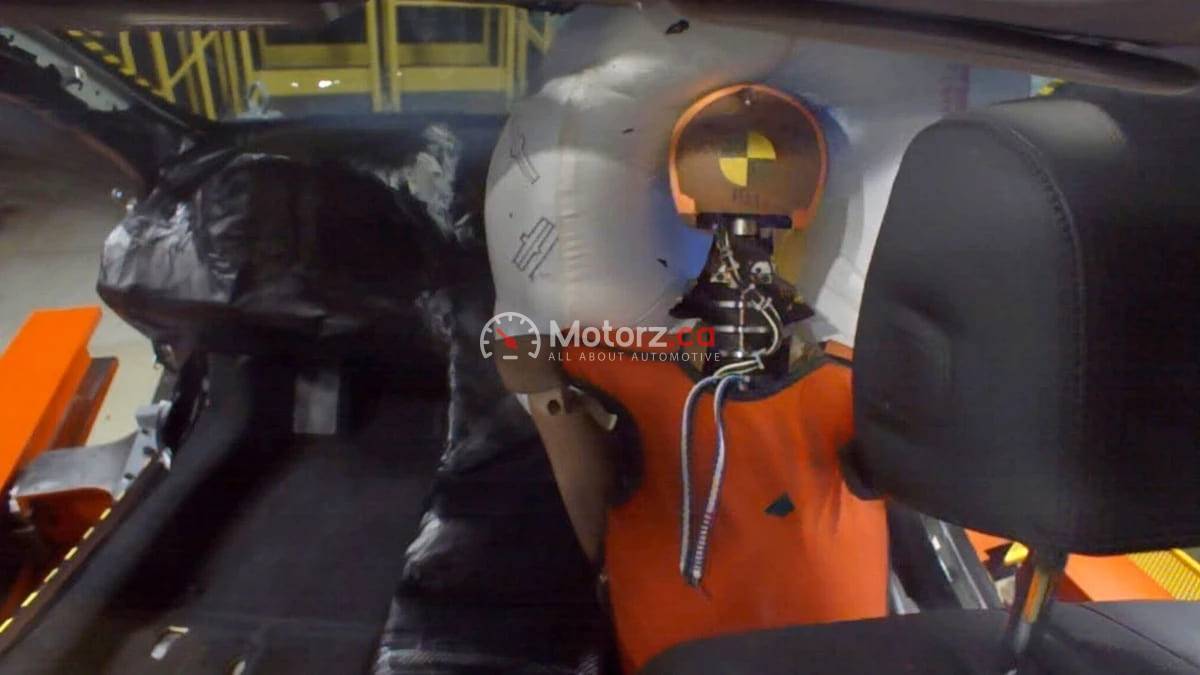
Modern Engineering: Today’s cars are designed to “sacritice” themselves. Crumple zones, collapsible steering columns, and a dozen strategically placed airbags ensure that even if the car is totaled, the people inside walk away.
Active Safety Features
In 2026, we benefit from Automatic Emergency Braking (AEB), Blind Spot Monitoring, and Electronic Stability Control. These systems don’t just protect you during a crash; they work invisibly thousands of times per second to prevent the crash from happening in the first place.
The Cost of Ownership: A Balancing Act
Is it cheaper to keep a 30-year-old “simple” car or lease a brand-new high-tech one? The answer depends on your definition of “cost.”
The “Nostalgia Tax”
While older cars have no monthly payments, they carry hidden costs:
Fuel Inefficiency: A 1975 V8 might get 12 liters per 100 kilometers on a good day, whereas a 2026 hybrid can achieve less than 4 liters.
Parts Scarcity: As cars age, finding “New Old Stock” (NOS) parts becomes a treasure hunt, often driving prices up for simple components like door seals or window motors.
The “Complexity Cost”
Newer cars carry the burden of high-tech maintenance. Replacing a windshield in 1980 was a 100-unit job. In 2026, that same windshield might house cameras for your lane-keep assist, requiring a recalibration that can push the total bill over 1,000 units.
Environmental Impact: Old Iron vs. New Tech
The environmental debate is surprisingly nuanced.
The Case for Old Cars: The most “eco-friendly” car is the one that has already been built. A classic car has already “paid” its carbon debt from manufacturing. By keeping it on the road, you avoid the massive carbon footprint associated with mining lithium and manufacturing a new 2,000-kg EV battery.
The Case for New Cars: Once they are on the road, modern cars are vastly cleaner. Catalytic converters and particulate filters reduce tailpipe toxins by over 90% compared to non-emissions-controlled vintage engines.
Which Era Wins?
Were the simpler cars of the past “better”? If you value mechanical transparency, soul, and the ability to be self-reliant, then the answer is a resounding yes. There is a tactile joy in a car that responds to a screwdriver and a bit of grease.
However, if you value safety, efficiency, and the ability to drive across the country without a second thought, modern cars are vastly superior machines. We live in an era where cars are safer and more reliable than at any point in human history.
The “better” car isn’t the one from a specific decade; it’s the one that fits your lifestyle. Perhaps the best solution is the one many enthusiasts choose: a modern, safe “daily driver” for the commute, and a simple, soulful classic in the garage for those Saturday afternoons.