

Buy a Used Car in Canada is a smart move when you’re looking to save money without sacrificing quality. Whether you’re upgrading your ride or buying your first car in Buy a Used Car in Canada, there are plenty of ways to find great deals without breaking the bank. However, getting the best car at the best price takes some research, planning, and negotiation skills.
This guide will walk you through the key strategies to help you save money and make a confident purchase. From setting a realistic budget to inspecting vehicles and negotiating like a pro, here’s everything you need to know.
Why Buy a Used Car in Canada Makes Sense
Before diving into the strategies, it helps to explore why buying used is often a better financial decision.
Affordability and Depreciation
A Buy a Used Car in Canada typically costs much less than a new one because it has already gone through the steep initial depreciation. New cars lose about 20-30% of their value in the first couple of years. Buying used lets you avoid paying the “new car premium” while still enjoying a reliable vehicle.
Lower Insurance Costs
Insurance for a Buy a Used Car in Canada significantly less compared to a new car. This is because insurance premiums are based on the car’s value, and used cars have lower market values.
Variety of Options
Buy a Used Car in Canada used car market is vast. From compact cars to SUVs and electric vehicles, there’s something for everyone. You can even find models with premium features for a fraction of their original price.
Step-by-Step Guide to Buying a Used Car
1. Set a Budget and Stick to It
Start by determining how much you’re willing to spend. This includes the upfront purchase price as well as hidden costs like taxes, registration, inspections, and any immediate repairs or upgrades.
Separate Wants from Needs: Identify what features you truly need, like fuel efficiency or all-season tires, versus extras like heated seats.
Factor in Long-Term Costs: Don’t forget the ongoing expenses, such as gas, maintenance, and insurance. For instance, while a compact car may cost less to fuel, a larger SUV could lead to higher insurance premiums.
2. Research Cars That Suit Your Lifestyle
Once you have a Buy a Used Car in Canada, start researching car models that meet your needs. Consider factors like size, fuel efficiency, reliability, and resale value.
Reliable Brands: Look for brands with strong reputations for durability, such as Toyota, Honda, or Subaru.
Maintenance Costs: Use online reliability ratings to find models with lower repair costs.
Fuel Economy: Compare mileage ratings to find fuel-efficient options if you plan on extensive city or highway Buy a Used Car in Canada.
3. Explore Your Options for Finding Used Cars
Canada offers many channels to find used cars. Here are the most popular routes:
Private Sellers
Private sellers listed on platforms like Kijiji Buy a Used Car in Canada or Facebook Marketplace often provide lower prices compared to dealerships. However, there’s less protection, so due diligence is key.
Dealerships
Dealerships often sell certified pre-owned (CPO) vehicles, which come with warranties and have undergone professional inspections. While more expensive than buying from private sellers, they offer peace of mind.
Online Marketplaces and Auction Websites
Websites like Auto Trader and government auction sites are great for comparing listings. Auction sales, although risky, sometimes present excellent opportunities if you’re comfortable with bidding.
Local Classifieds
You can still find hidden gems in local newspapers and community bulletins. Though less common, these listings are worth checking for well-maintained older Buy a Used Car in Canada.
Tools to Make Your Search Easier
Taking advantage of online resources can save time and help you make smarter decisions. Here are the top tools every Canadian car buyer should use:
1. AutoTrader
Buy a Used Car in Canada leading used car marketplace, Auto Trader allows you to filter listings by price, mileage, and location.
2. CARFAX Canada
A CARFAX report reveals a car’s history, including previous accidents, liens, and ownership details. A clean report signals a safer purchase, giving you more negotiation Buy a Used Car in Canada.
3. Kijiji Autos
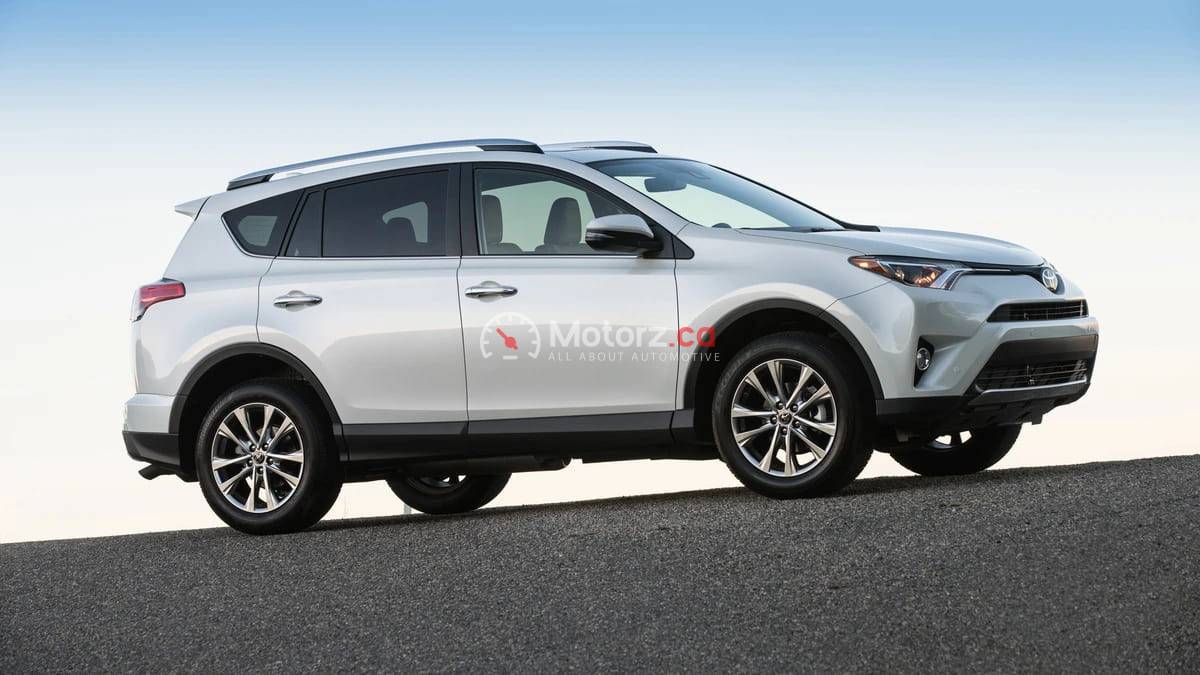
Known for its diverse listings, Kijiji offers a range of private party and dealership options. You can find everything from compact city cars to rugged SUVs in both rural and urban areas.
4. Government and Corporate Auction Listings
Fleet vehicles used by businesses or the government are often auctioned after a few years of service. These cars tend to be well-maintained, and auctions are a great way to snag a deal.
Inspect the Vehicle Thoroughly
Before you purchase any Buy a Used Car in Canada, go beyond the glossy photos and examine the vehicle in detail. Here’s how to ensure you get what you pay for:
1. Exterior Check
Walk around the car and look for signs of damage, rust, or misaligned parts, which could hint at prior accidents. Uneven paint might indicate touch-ups to hide wear and tear.
2. Interior Condition
Sit inside and check for tears in the upholstery, non-functional buttons, and any unusual Buy a Used Car in Canada. Make sure critical features like the air conditioning, stereo system, and power windows work as expected.
3. Under the Hood
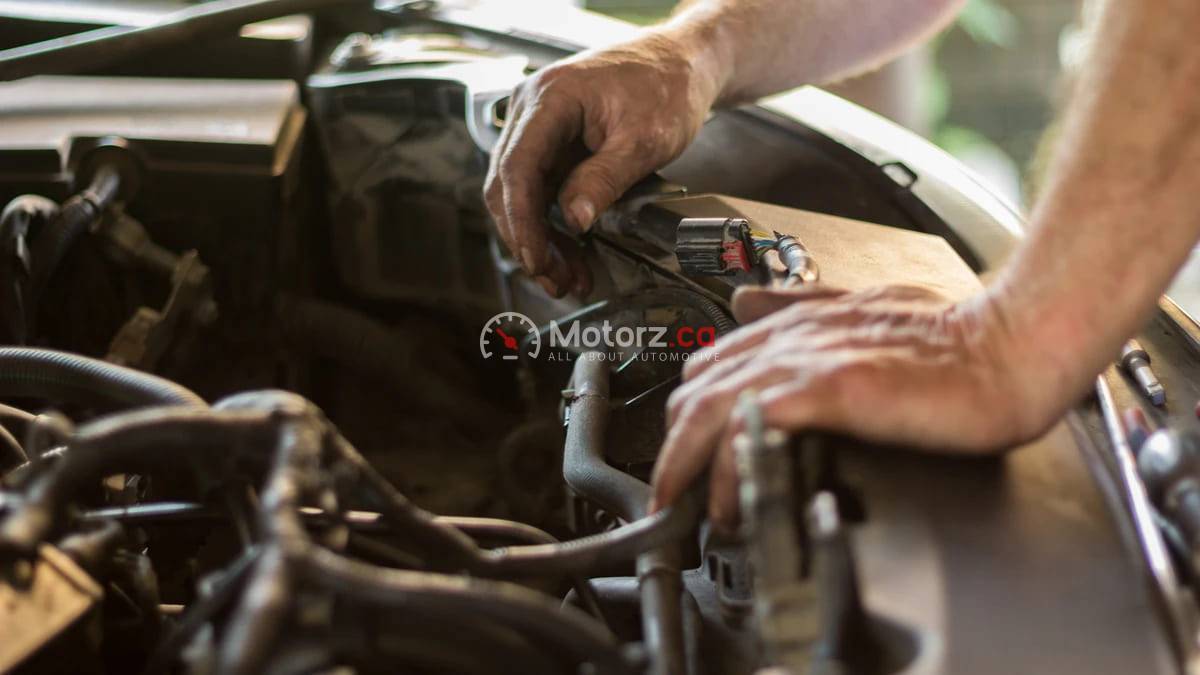
Inspect the engine bay for signs of leaks, corrosion, or worn belts. Even if everything looks fine, request a test drive to gauge performance.
4. Mileage vs. Age
A car’s mileage and age should align with its condition. For example, a 10-year-old car with less than 50,000 kilometres could be a great find, but you’ll want proof of how it was maintained over the years.
5. Take It to a Mechanic
It’s always worth spending a little more for a professional Buy a Used Car in Canada. A trusted mechanic can verify the health of the vehicle and give you peace of mind.
Negotiating the Best Price
Price negotiation is an art, and you don’t need to be a seasoned haggler to succeed. Follow these steps to lower the asking price effectively:
1. Do Your Homework
Research the vehicle’s value using resources like Canadian Black Book or Kelley Blue Book. Knowing the market price helps you identify overpriced listings.
2. Use Inspections to Your Advantage
If you discover flaws during your inspection, use them as leverage to lower the price. Point out any repairs the car needs and estimate the cost for the seller.
3. Be Polite, But Firm
Approach the negotiation confidently but Buy a Used Car in Canada. Sellers are more likely to work with you if they feel you’re reasonable and fair.
4. Offer Less, Expect to Meet in the Middle
Start by offering slightly less than you’re willing to pay. Sellers often expect counteroffers, so this tactic can save you a few hundred dollars.
5. Be Willing to Walk Away
Sometimes, the best strategy is to walk away if the price doesn’t align with your budget. There will always be other cars, so don’t feel pressured to settle.
Avoiding Common Pitfalls When Buying Used
While the used car market has incredible opportunities, it also has its risks. Here’s how to protect yourself:
1. Avoid Overlooking a Vehicle History Report
Always request a CARFAX or similar report to uncover hidden Buy a Used Car in Canada, such as odometer tampering or unresolved liens.
2. Beware of “Too Good to Be True” Deals
Deals that seem significantly below market value might involve hidden issues. Watch out for sellers who avoid questions or discourage inspections.
3. Don’t Skip the Test Drive
The test drive isn’t just about how the car feels; it’s your chance to listen for unusual noises and check braking, acceleration, and overall performance.
4. Verify Ownership
Make sure the seller is the actual owner and that the car has no liens or unpaid loans. This is especially important when dealing with private sales.
Wrapping It Up
Buying a used car in Canada is a great way to save money while getting a vehicle tailored to your needs. By setting a budget, researching thoroughly, and leveraging tools, you’ll increase your chances of finding the perfect car at the right price. Once you’ve narrowed your options, inspect the vehicle carefully, and negotiate like a pro.