
When you are hunting for a used car, the “price tag” is usually the first thing you look at. In 2026, with the cost of living remaining a challenge, a budget-friendly late-model sedan might look like a steal. But in the automotive world, some “deals” come with a hidden cost that is far more precious than currency: your safety.
Every few years, the Insurance Institute for Highway Safety (IIHS) releases a sobering report on real-world driver death rates. Unlike controlled crash tests in a lab, this data tracks what actually happens on the road. It accounts for mass, physics, and human behavior.
As we look at the data for late-model used vehicles (primarily those from the 2017 to 2024 production years), a clear pattern emerges. If you are in the market for a used ride, you need to know which models are overrepresented in fatal accidents. From “budget” minicars to high-performance muscle cars, here are the deadliest late-model used vehicles you can buy today.
The “Size Gap” Crisis: Why Small Cars Are Getting Deadlier
The most consistent trend in 2026 safety data is the widening “Size Gap.” While modern safety tech like automatic emergency braking is becoming standard, it cannot rewrite the laws of physics. When a 2,500-lb subcompact meets a 6,000-lb electric SUV, the outcome is often determined by mass alone.
The Mitsubishi Mirage (G4 and Hatchback)
The Mitsubishi Mirage consistently holds the title of the deadliest car in America. According to recent IIHS statistics, the Mirage G4 (sedan) and its hatchback sibling have recorded death rates exceeding 200 deaths per million registered vehicle years.
The Vulnerability: While the Mirage is affordable and fuel-efficient, its thin pillars and lightweight frame provide minimal protection when struck by larger vehicles.
The Reality: In a multi-vehicle crash, Mirage occupants are significantly more likely to suffer fatal injuries compared to those in midsize sedans.
The Hyundai Accent and Kia Rio
These two “corporate cousins” are favorites on the used market because they are reliable and cheap to maintain. However, they also rank near the top of the fatality list, with death rates hovering around 120 to 150 per million.
Used Buyer Tip: If you are looking for a first car for a teenager, skip the Accent or Rio. A slightly older, larger vehicle—like a used Toyota Camry or Honda Accord—offers a much higher survival rate for roughly the same price.
Muscle Cars and “Hot Rod” Brands: The Behavior Factor
A car’s death rate isn’t just about how it’s built; it’s about how it’s driven. The 2026 data shows a massive spike in fatalities for late-model “muscle” cars. These vehicles often score well in crash tests, but their real-world numbers are terrifying.
The Dodge Challenger and Charger
The Dodge Challenger (2WD) and the Charger HEMI have become notorious in safety circles. The Challenger, in particular, has recorded roughly 154 deaths per million.
Why the High Rate? These cars are designed for speed and performance, which often encourages high-risk driving behavior.
The Structural Weakness: Despite their “tough” look, older iterations of these models have earned “Marginal” ratings in the IIHS driver-side small overlap front crash test—a critical test for modern safety.
The Chevrolet Camaro and Ford Mustang
Both the Camaro and the Mustang (especially in their convertible forms) show driver death rates significantly higher than the industry average. The Chevrolet Camaro coupe and convertible both sit above 110 deaths per million.
The Danger of the Drop-Top: Convertibles lack the structural rigidity of a roof, which can be a fatal flaw in a rollover accident—a common occurrence in high-speed muscle car crashes.
The “Other Driver” Danger: Vehicles That Kill Others
When we talk about “deadly” cars, we also have to consider the risk a vehicle poses to other people on the road. Some used vehicles are safe for the person inside but devastating for everyone else.
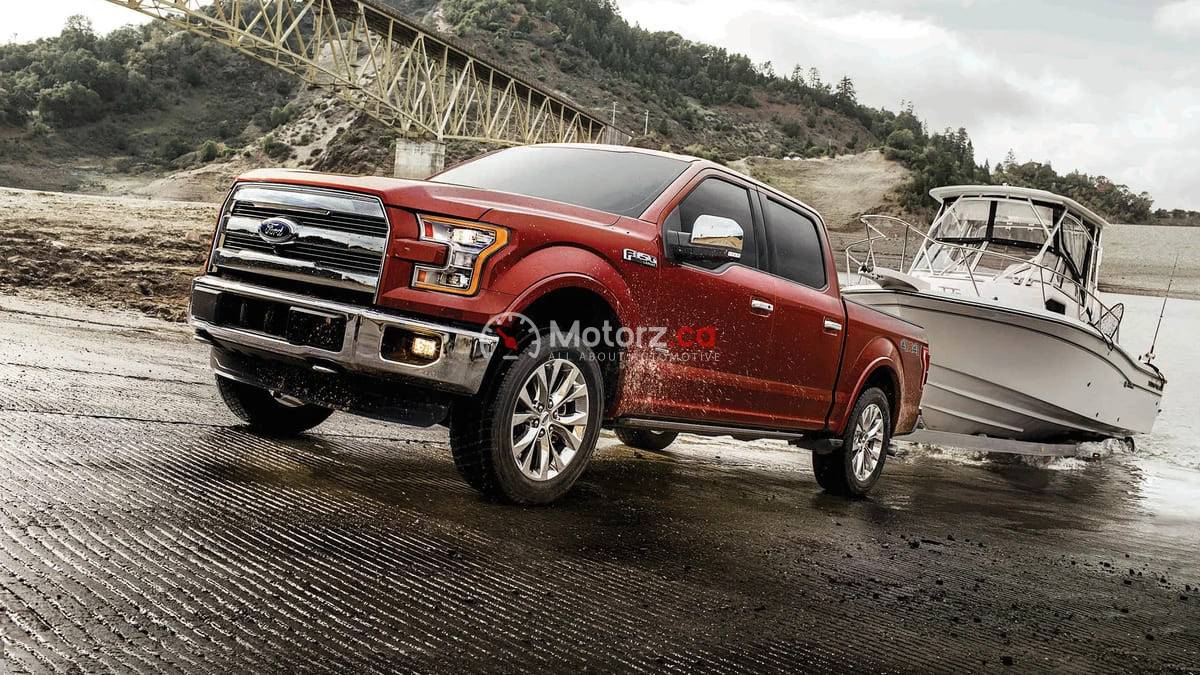
Very Large Pickups: Ram 3500 and Ford F-350
The Ram 3500 Crew Cab (4WD) and the Ford F-350 have some of the highest “other-driver” death rates in history.
The Impact: When these heavy-duty trucks collide with a standard sedan, the truck’s bumper is often at the same height as the sedan occupant’s head or chest.
The Weight Factor: A 2026 study showed that sedan occupants are roughly seven times more likely to die when struck by a heavy-duty SUV or pickup than when struck by another car.
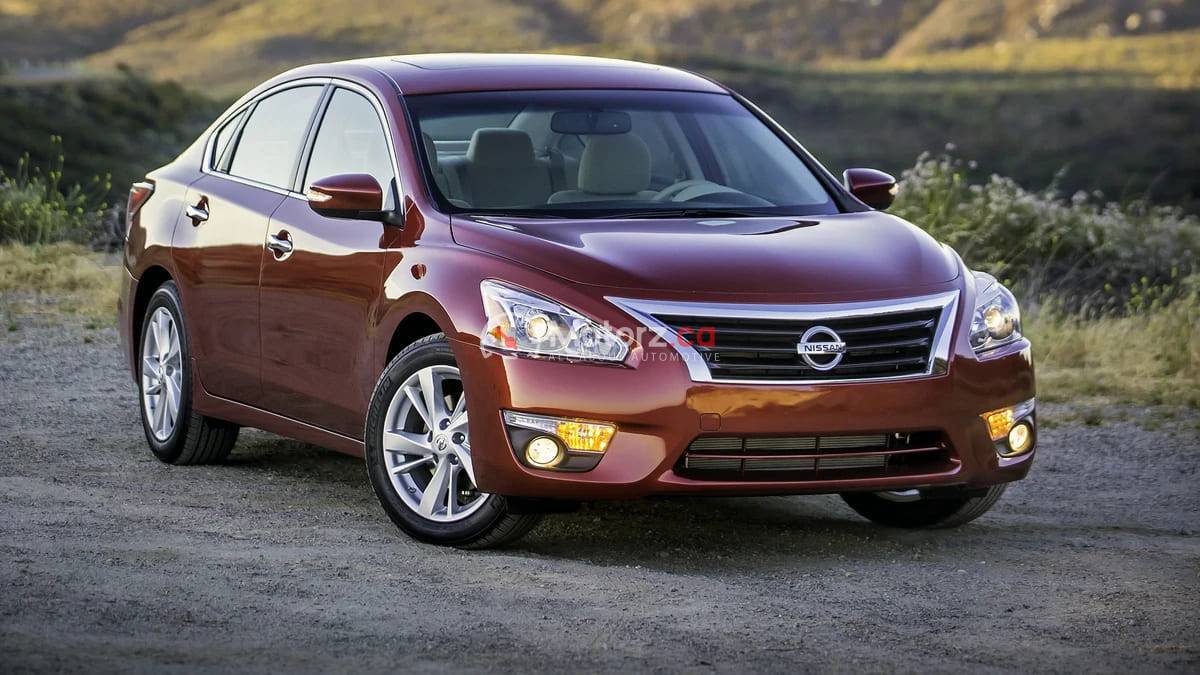
Midsize “Aggressors”: The Nissan Altima
Interestingly, the Nissan Altima often appears on lists for both driver deaths and other-driver deaths. This is often attributed to its popularity in the rental and high-mileage used markets, where it is frequently involved in high-speed urban traffic accidents.
The “15-Year Rule” and Outdated Safety Tech
If you are looking at a “late-model” used car from the early 2010s to save money, you might be crossing a dangerous threshold.
The “15-Year Rule” for 2026 buyers suggests that vehicles manufactured before 2011 lack the structural steel advancements and sophisticated airbag algorithms that characterize modern safety. According to the data:
Fatality risk increases by 19% to 71% when driving a vehicle more than 15 years old.
Crash Avoidance: Features like Lane Departure Warning and Blind Spot Monitoring were rare ten years ago. Today, they are proven lifesavers that are missing from many budget used cars.
Safe Alternatives: What Should You Buy Instead?
If the “Deadliest” list has you worried, there is good news. Many late-model used vehicles have recorded zero or near-zero driver deaths in the same time period.
The Gold Standard: Luxury SUVs
Vehicles like the Volvo XC90, Audi Q5, and Lexus RX 350 consistently report the lowest driver death rates.
Why? These manufacturers include advanced safety features as standard equipment rather than optional add-ons. They also have superior side-impact protection.
Affordable Safety: The “Smart” Picks
If a luxury SUV isn’t in your budget, look for these used models which have exceptionally low fatality rates:
Toyota Camry: A perennial safety leader.
Subaru Outback: Features a low center of gravity (reducing rollover risk) and standard All-Wheel Drive.
Mazda CX-5: Consistently earns “Good” ratings across all IIHS crash categories.
How to Choose a Safe Used Car
Safety is more than a brochure; it’s a combination of mass, engineering, and driver psychology. Before you sign the papers on a used car in 2026, keep these three rules in mind:
Mass Matters: If you have the choice, pick a midsize vehicle over a subcompact.
Check the IIHS Rating: Don’t just look for “5 stars.” Visit the IIHS website and look specifically at the Small Overlap Front and Side Impact tests.
Avoid High-Risk Categories: Be wary of high-performance muscle cars and entry-level minicars, as they are statistically the most dangerous places to be in a crash.