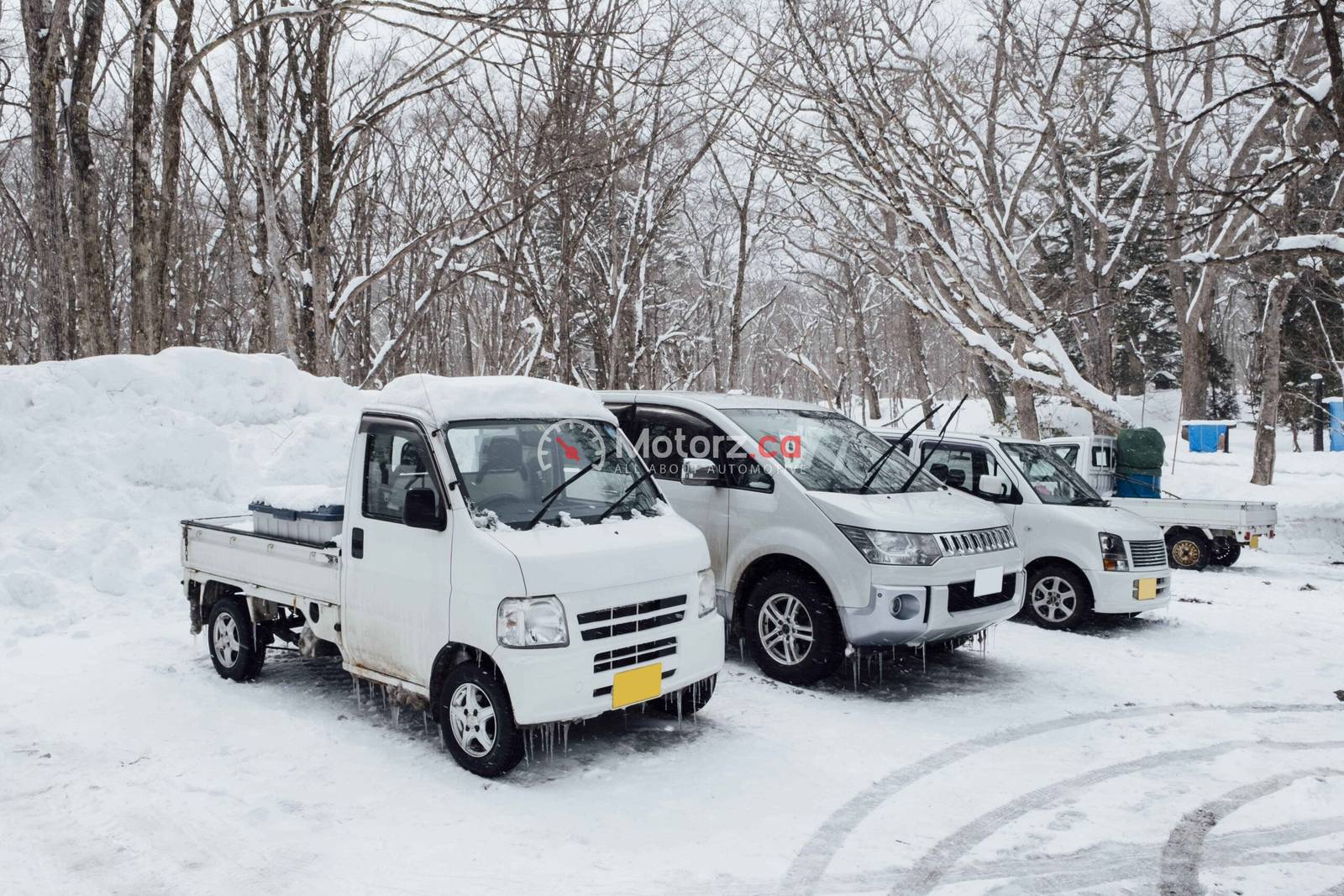

When the first flakes start to fall in Truck for Ottawa Winters, a familiar question begins to circulate among residents: “Is my vehicle really ready for this?” And for many, the ultimate debate boils down to two popular choices: the rugged pickup truck and the versatile SUV. Both boast impressive capabilities, but when it comes to conquering the unique challenges of an Ottawa winter – from treacherous black ice to towering snowdrifts – which one truly earns the crown as the undisputed king of the snow?
This isn’t just a matter of Truck for Ottawa Winters; it’s a critical decision that impacts safety, convenience, and your overall winter experience. We’re going to dive deep into every aspect, dissecting the pros and cons of SUVs and trucks specifically through the lens of Ottawa’s notoriously harsh and unpredictable winter conditions. So, buckle up, because by the end of this comprehensive guide, you’ll have all the information you need to make an informed choice for your household.
Understanding Ottawa’s Winter Landscape: More Than Just Snow
Before we even begin to compare Truck for Ottawa Winters, it’s essential to grasp the unique nature of an Ottawa winter. It’s not just about the sheer volume of snow, though we certainly get our fair share. It’s about the entire spectrum of winter weather events:
Heavy Snowfall and Accumulation
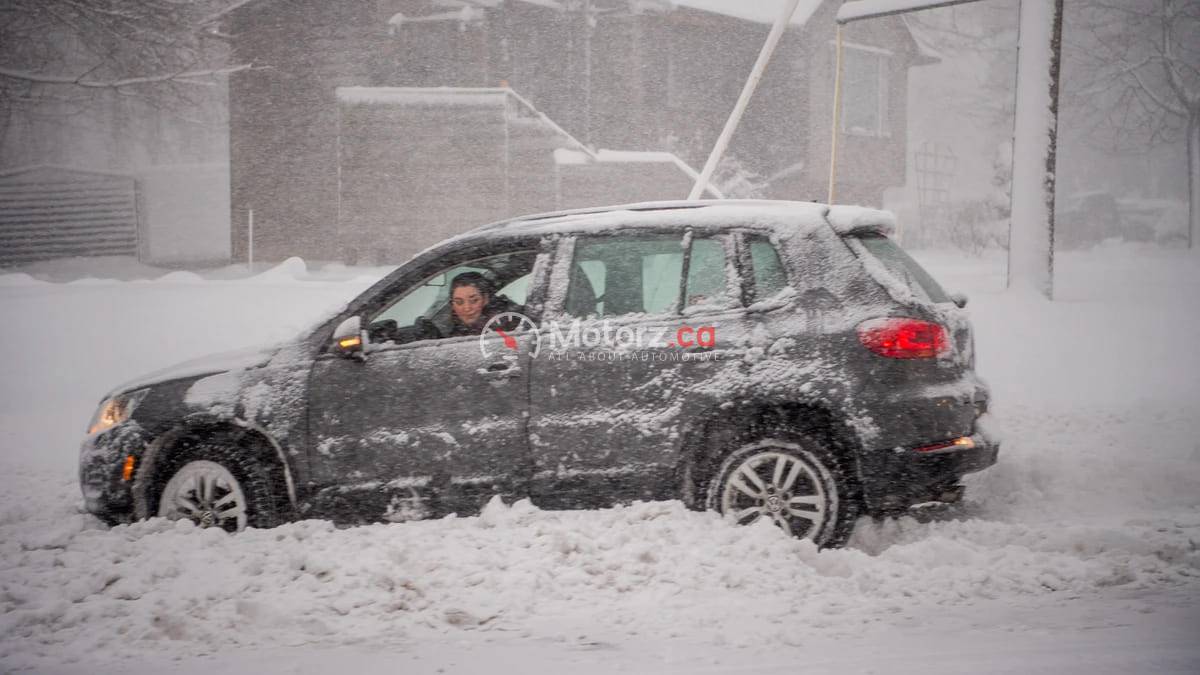
Ottawa regularly experiences significant Truck for Ottawa Winters, leading to rapid accumulation. This means vehicles need sufficient ground clearance and the ability to power through deep, unplowed streets and driveways. Snow tires are a non-negotiable, but the vehicle’s inherent design plays a huge role.
Freezing Rain and Ice
Perhaps even more treacherous than Truck for Ottawa Winters is the frequent occurrence of freezing rain, which coats everything in a slick, invisible layer of ice. This demands superior traction control systems and stability, as even the best tires can struggle.
Extreme Cold and Wind Chill
Temperatures can plummet to -30°C or lower with wind chill, impacting vehicle performance, battery life, and the effectiveness of heating systems. Starting a vehicle in such conditions requires robust engineering.
Slush and Melt-Thaw Cycles
With fluctuating temperatures, snow often turns to heavy, watery slush. This dense mixture can be difficult to drive through and can cause Truck for Ottawa Winters. The freeze-thaw cycle also creates deep potholes, testing a vehicle’s Truck for Ottawa Winters.
Plowed Roads vs. Unplowed Areas
While main arteries are usually cleared Truck for Ottawa Winters, side streets, rural roads, and driveways can remain snow-covered for extended periods. Your vehicle needs to handle both well-maintained and challenging surfaces.
The Contenders: SUVs and Trucks Defined
Before we put them head-to-head, let’s briefly define what we mean by “SUV” and “Truck” in the context of winter driving.
Sport Utility Vehicles (SUVs)
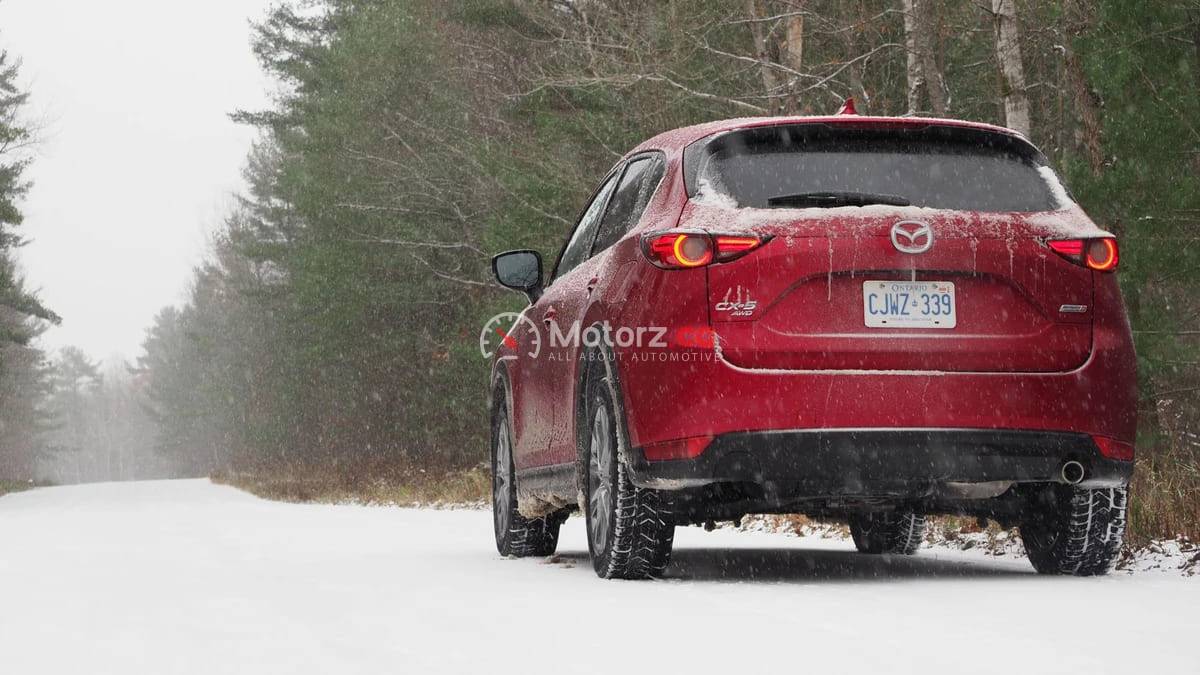
SUVs encompass a broad category, from compact crossovers to full-size, body-on-frame giants. For Ottawa winters, we’re generally looking at models with available all-wheel drive (AWD) or four-wheel drive (4WD) and decent ground clearance. They are often praised for their car-like comfort and family-friendliness.
Pickup Trucks
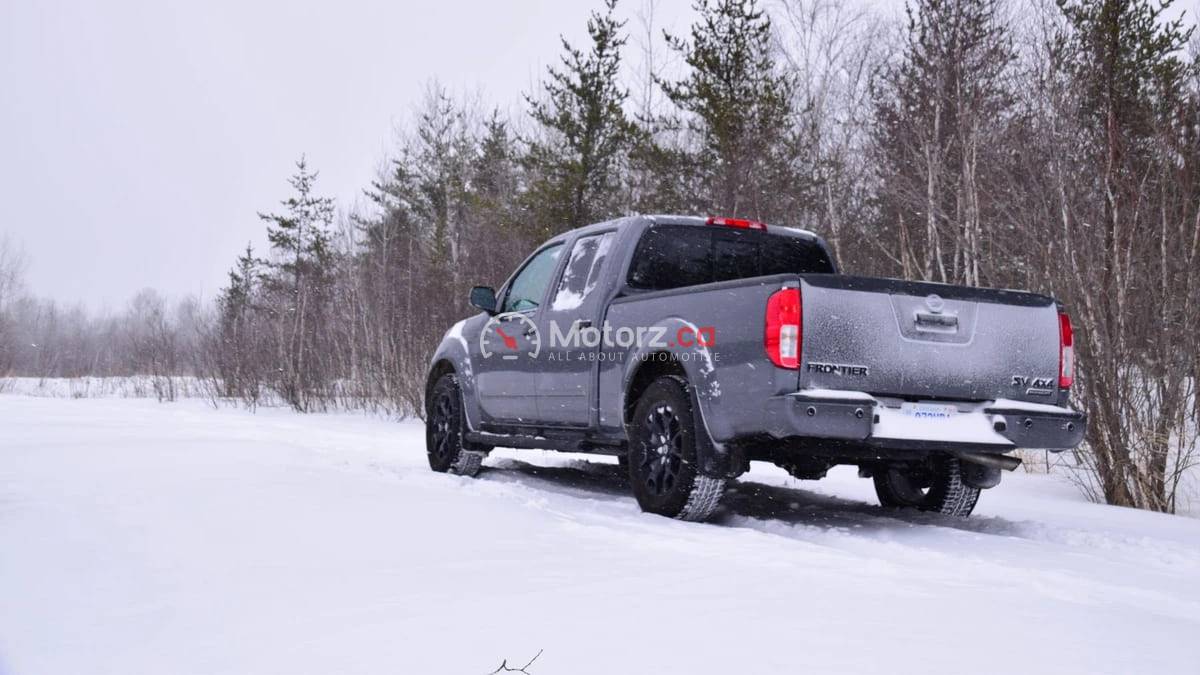
Pickup trucks are primarily designed for utility, hauling, and towing. Modern trucks, especially half-ton models, now offer luxurious interiors and advanced features, blurring the lines with SUVs. Their body-on-frame construction and robust 4WD systems are their hallmarks.
Ground Clearance: The First Line of Defense Against Snow Drifts
When the snow piles up, ground clearance isn’t just a luxury; it’s a necessity.
SUV Ground Clearance
Many SUVs, particularly larger ones like the Ford Explorer, Chevrolet Tahoe, or Toyota Highlander, offer respectable ground clearance, often ranging from 7 to 9 inches. This is usually sufficient for navigating plowed roads with residual snow and moderate snowdrifts in driveways. Smaller crossovers might have less, which can be a limitation in very heavy snow. Some off-road oriented SUVs (like the Jeep Grand Cherokee Trailhawk or Subaru Outback Wilderness) can boast even more, making them formidable in deep snow.
Truck Ground Clearance
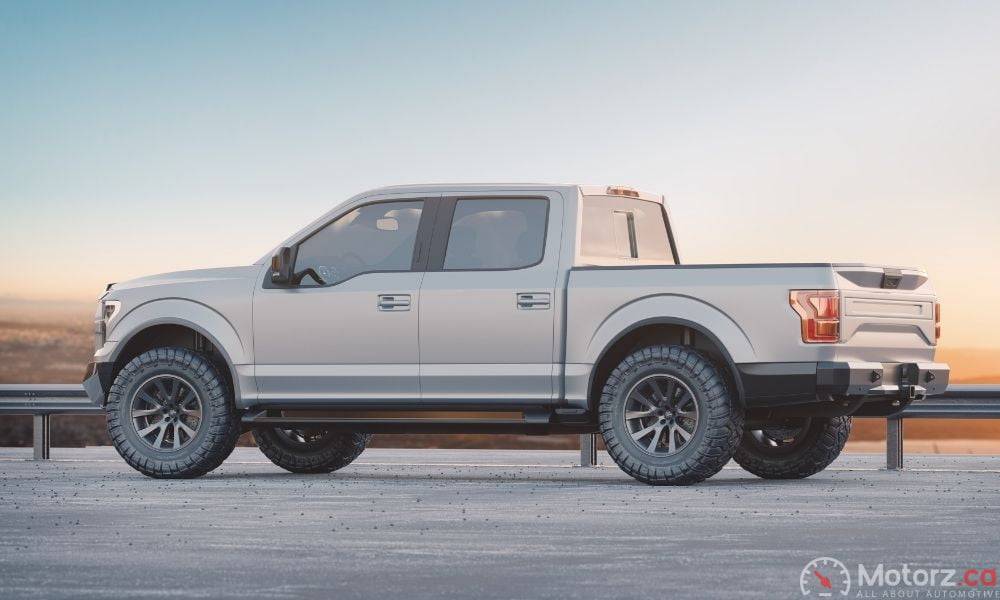
Pickup trucks generally offer superior ground clearance compared to most SUVs. A typical half-ton truck like a Ford F-150, Ram 1500, or Chevrolet Silverado will have 8.5 to 10 inches or more. This extra height is a significant advantage when encountering unplowed roads, deep snow at the end of a driveway left by a snowplow, or traversing fields for winter recreation. The higher stance also provides a better vantage point for navigating tricky conditions.
Winner: Trucks
For sheer ability to clear obstacles and avoid getting bogged down in deep snow, trucks generally take the lead due to their inherently higher ride height.
Traction and Drivetrain: Gripping the Icy Roads
This is arguably the most critical factor for winter driving safety. Both SUVs and trucks offer advanced traction solutions.
SUV Traction Systems (AWD vs. 4WD)
All-Wheel Drive (AWD): Most modern SUVs, especially crossovers, come with AWD. These systems automatically distribute power to all four wheels as needed, often without driver input. They are excellent for improving traction on slippery surfaces like icy roads or light snow, providing a sense of security and stability. They react quickly to wheel slip.
Four-Wheel Drive (4WD): Larger, more rugged, and off-road oriented SUVs (e.g., Toyota 4Runner, Jeep Wrangler, some full-size SUVs) offer true 4WD systems, often with a low-range transfer case. These systems are designed for more extreme conditions, like deep mud, sand, or heavy snow, and usually require the driver to engage them. They provide maximum traction but are not typically used on dry pavement.
Truck Traction Systems (Primarily 4WD)
Pickup trucks almost exclusively offer robust 4WD systems. These are typically part-time systems, meaning they should only be engaged when traction is genuinely needed (e.g., on snow, ice, mud, or gravel) to prevent driveline binding on dry pavement. Modern trucks, however, often include “Auto 4WD” or “4A” modes, which function much like an AWD system, automatically engaging power to the front wheels when slip is detected. This provides the best of both worlds for varying winter conditions. Trucks also benefit from having a locking rear differential, or limited-slip differential options, which can be invaluable for finding grip when one wheel loses traction.
Weight Distribution and Physics
This is where the nuances appear.
SUVs: Tend to have more balanced weight distribution (especially with passengers and cargo), which can contribute to stable handling on slick surfaces.
Trucks: Unladen pickup trucks often have lighter rear ends, which can lead to the rear wheels breaking traction more easily in 2WD mode on icy or snowy roads. However, engaging 4WD largely mitigates this. Furthermore, adding weight to the truck bed (e.g., sandbags or a snowblower) significantly improves rear-wheel traction, making them much more stable. This is a common and highly effective trick for truck owners in winter.
Winner: Tie (with nuances)
For general slippery road conditions, a good AWD SUV is highly effective and often simpler to operate. For extreme deep snow, pulling heavy loads through snow, or tackling very challenging terrain, the robust 4WD systems and potential for adding rear-end weight in a truck often give it an edge. It’s a tie, with each excelling in slightly different scenarios. The “Auto 4WD” in modern trucks gives them significant versatility.
Handling and Maneuverability: Navigating Ottawa’s Streets
Winter driving isn’t just about going Truck for Ottawa Winters; it’s about turning, braking, and parking in often cramped and slippery conditions.
SUV Handling
SUVs, especially crossovers, are often built on car platforms, providing a more car-like driving experience. They generally have a tighter turning radius and a lower center of gravity (compared to trucks), contributing to more predictable handling and less body roll. This makes them easier to maneuver in urban Ottawa, navigate tight parking lots, and generally feel more nimble on slippery roads. Their unibody construction also contributes to a smoother, quieter ride.
Truck Handling
Trucks, with their body-on-frame construction and longer Truck for Ottawa Winters, can feel more ponderous. Their larger size can make parking and navigating tight spaces more challenging, especially in snow-choked lots. The heavier steering and greater turning radius can be a factor. However, their robust suspension is often better equipped to handle deep potholes hidden under snow or ice, shrugging off impacts that might feel harsher in an SUV.
Winner: SUVs
For general maneuverability, ease of Truck for Ottawa Winters, and a more car-like driving experience, SUVs generally come out on top, particularly in congested city environments.
Cargo and Utility: Carrying Your Winter Gear
Ottawa winters come with a host of gear – skis, snowboards, hockey equipment, shovels, bags of salt, and more. How do these vehicles stack up for utility?
SUV Cargo Capacity
SUVs offer enclosed, secure, and climate-controlled cargo space. This is a significant advantage for protecting gear from snow, salt, and theft. With rear seats folded down, many SUVs offer impressive volumetric space. Roof racks are also a popular option for skis and other long items. The ability to keep groceries, pets, or sensitive equipment warm and dry inside the cabin is a major plus.
Truck Cargo Capacity
The open bed of a pickup truck offers unparalleled versatility for hauling large, dirty, or heavy items. Think firewood, ATVs, snowblowers, or bags of sand. However, for winter use, the open bed is a double-edged sword. Items are exposed to the elements unless covered with a tonneau cover or cap, which adds cost and reduces some of the “open bed” flexibility. Even with a tonneau, accessing items can be harder than in an SUV. The bed can also fill with snow, requiring shoveling before loading.
Winner: Depends on Needs
If your primary need is enclosed, protected, and easily accessible cargo space for passengers and everyday gear, the SUV wins. If you regularly haul large, dirty, or very heavy items that wouldn’t fit in an enclosed space (or that you wouldn’t want inside your vehicle), then the truck is superior. For typical family winter activities, the SUV’s enclosed space is often more practical.
Passenger Comfort and Safety: A Cozy Ride in the Cold
Winter driving can be stressful, so a comfortable and safe cabin is crucial.
SUV Comfort and Safety
SUVs are designed with passenger comfort as a high priority. They often have more refined interiors, quieter cabins, and excellent heating systems that quickly warm the entire space. Modern SUVs are packed with advanced safety features, many of which are designed to assist in slippery conditions (e.g., lane-keeping assist, adaptive cruise control, automatic emergency braking). The enclosed body provides a sense of security and protection from the elements.
Truck Comfort and Safety
Modern pickup trucks have made huge strides in interior comfort, rivaling many luxury SUVs. They offer heated seats, heated steering wheels, and advanced infotainment. However, due to their body-on-frame construction, the ride can sometimes be a bit bouncier or stiffer than a unibody SUV, especially when unladen. Safety features are also on par with SUVs in higher trims. The higher seating position offers excellent visibility, which can be advantageous in heavy snow.
Winner: SUVs (Slight Edge)
While modern trucks are incredibly comfortable, SUVs generally offer a slightly more refined and quieter ride, which can be a relief on long winter drives. Their design inherently prioritizes passenger space and comfort as a primary function, whereas a truck’s primary function is utility, with comfort as a highly desired secondary attribute.
Fuel Efficiency: A Practical Consideration
Winter driving often sees a dip in fuel economy due to colder temperatures, heavier engine loads, and engaging AWD/4WD.
SUV Fuel Efficiency
Smaller and mid-size SUVs, especially those with four-cylinder engines or hybrid powertrains, generally offer better fuel efficiency than most trucks. While full-size SUVs with V8 engines will consume more, there’s a broader range of fuel-efficient options in the SUV segment.
Truck Fuel Efficiency
Pickup trucks, being larger and heavier with typically more powerful engines (V6 turbos or V8s), generally have lower fuel economy Truck for Ottawa Winters. While advancements like cylinder deactivation and mild-hybrid systems are improving this, they still typically lag behind comparable SUVs.
Winner: SUVs
For overall fuel Truck for Ottawa Winters, particularly if considering smaller or hybrid models, SUVs generally have the advantage. This can be a significant factor over the long Ottawa winter.
Cost of Ownership: Beyond the Purchase Price
SUV Costs
Purchase prices for SUVs vary widely. Insurance costs can be moderate. Maintenance costs are generally in line with sedans, though larger, more complex SUVs can be pricier. Resale value tends to be strong for popular models.
Truck Costs
Pickup trucks often have higher purchase Truck for Ottawa Winters, especially for well-equipped models. Insurance can also be higher. Parts and labor for truck maintenance can sometimes be more expensive due to the heavier-duty components. However, trucks often hold their resale value exceptionally well, sometimes even better than SUVs, particularly in regions where they are highly sought after.
Winner: Varies
This category is a tie, as it heavily depends on the specific model, trim, and individual circumstances. Both can be expensive, but both also hold their value well.
The Verdict: SUV or Truck for Ottawa Winters?
So, after a thorough examination, which Truck for Ottawa Winters is truly the king of the snow for Ottawa?
The honest answer is: it depends on your specific Truck for Ottawa Winters, needs, and priorities.
Choose an SUV if:
You prioritize everyday comfort, maneuverability, and a car-like driving experience.
Most of your driving is in urban or suburban Truck for Ottawa Winters.
You need enclosed, secure, and climate-controlled cargo space for family, pets, and gear.
Fuel efficiency is a significant concern.
You appreciate advanced safety features and a Truck for Ottawa Winters ride.
You want a versatile vehicle that excels in light-to-moderate snow and icy conditions, provided it has AWD and good winter tires.
Recommended SUV Features for Truck for Ottawa Winters: AWD, high ground clearance (7.5+ inches), heated seats/steering wheel, remote start, robust traction control, dedicated winter tires (non-negotiable for ANY vehicle).
Choose a Truck if:
You frequently Truck for Ottawa Winters very deep, unplowed snow (e.g., rural roads, long driveways, cottage country).
You need to haul heavy, dirty, or bulky items like ATVs, snowblowers, firewood, or construction materials.
You regularly tow trailers in winter Truck for Ottawa Winters.
You’re comfortable with adding weight to the bed for improved traction.
You prioritize maximum ground clearance and robust 4WD capabilities for extreme conditions.
You’re willing to trade some maneuverability for sheer capability.
Recommended Truck Features for Truck for Ottawa Winters: 4WD (with “Auto 4WD” if available), locking rear differential, good ground clearance (8.5+ inches), heated seats/steering wheel, remote start, a quality tonneau cover or cap (for cargo protection), dedicated winter tires (absolutely essential).
The Undisputed Co-King: Winter Tires
Regardless of whether you choose an SUV or a truck, one factor is paramount and cannot be stressed enough: dedicated winter tires. They are the single most effective safety upgrade you can make for winter driving in Ottawa. All the AWD or 4WD in the world won’t save you on ice if your tires aren’t designed to grip it. Truck for Ottawa Winters tires provide:
Superior grip: Softer rubber compound remains Truck for Ottawa Winters in cold temperatures.
Enhanced braking: Shorter stopping distances on snow and Truck for Ottawa Winters.
Better acceleration: More traction to get moving.
Improved handling: More predictable control on slick surfaces.
Investing in a good set of Truck for Ottawa Winters for either an SUV or a truck will transform its winter performance more than any other single factor.