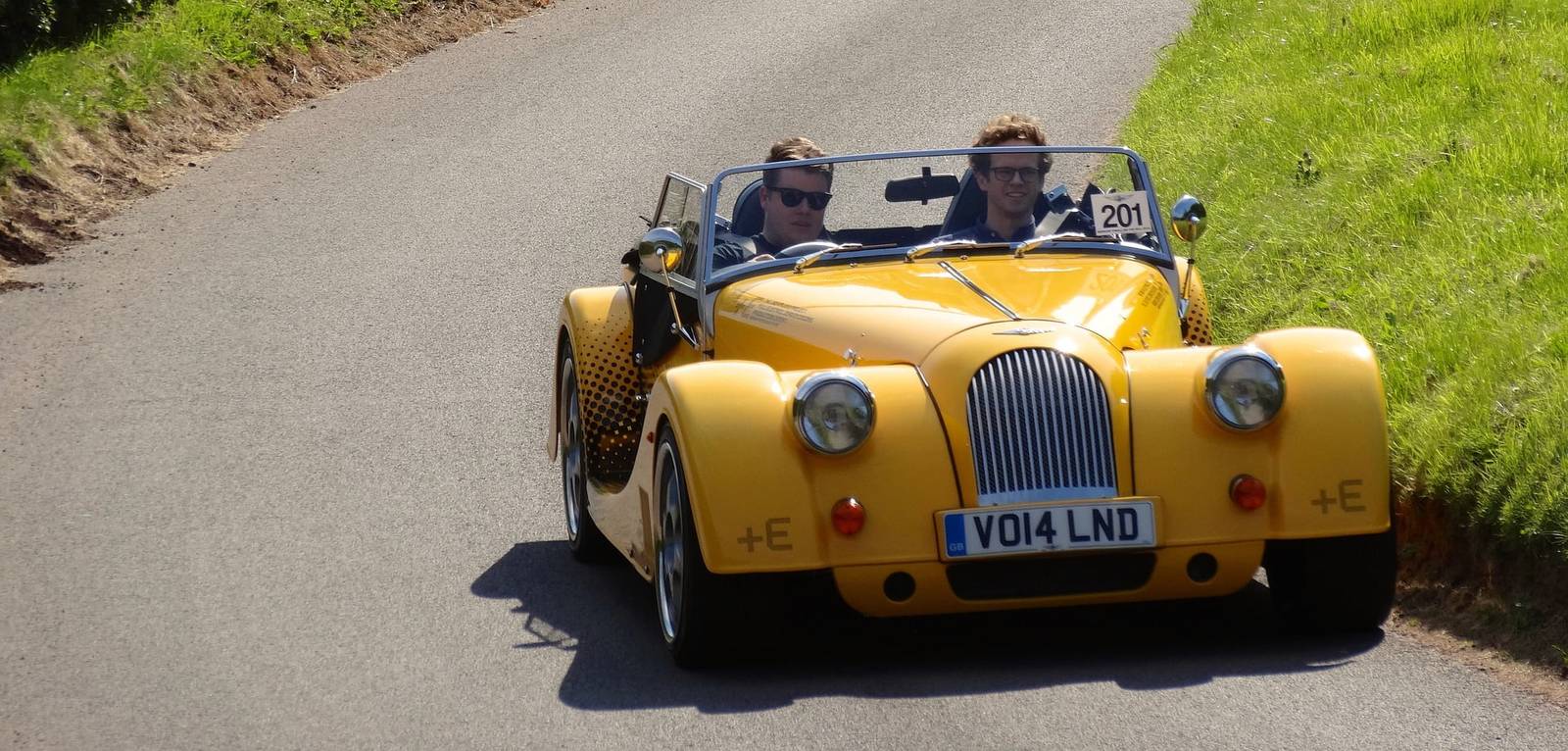

The roar of a Classic Car’s Electric Heart tuned internal combustion engine has long been the soundtrack of classic car culture. Yet, in the modern automotive landscape, a new, quieter, and infinitely more powerful sound is emerging: the near-silent whir of an electric motor encased within the shell of a timeless masterpiece. This is the EV restomod revolution, and it is fundamentally reshaping how North America’s classic car enthusiasts view, drive, and preserve automotive history.
A restomod—a blend of “restoration” and “modification”—has always been about updating a classic vehicle with modern components for better performance, safety, and reliability. The electric vehicle conversion, or EV restomod, simply takes this concept to its logical, future-forward conclusion: replacing the original gasoline engine with a zero-emission electric powertrain. This movement is not merely a trend; it’s a bold answer to the question of how classic cars will survive and thrive in an increasingly electrified future, marrying nostalgia with sustainability.
The North American market, encompassing both the United States and Classic Car’s Electric Heart, has become a hotbed for this specialized form of classic car electrification. Enthusiasts and specialized companies are leading the charge, driven by a desire for improved daily usability, instant torque, and a vastly reduced carbon footprint, all without sacrificing the iconic lines and historical charm of their beloved vehicles. The automotive retrofit electric vehicle market is already valued in the billions, with significant growth projected over the next few years, underscoring the serious investment and enthusiasm fueling this niche.
What is an EV Restomod? Classic Car’s Electric Heart
The term EV restomod goes far beyond a simple engine swap. It is a comprehensive engineering project that demands respect for the vehicle’s Classic Car’s Electric Heart design while integrating cutting-edge electric vehicle technology.
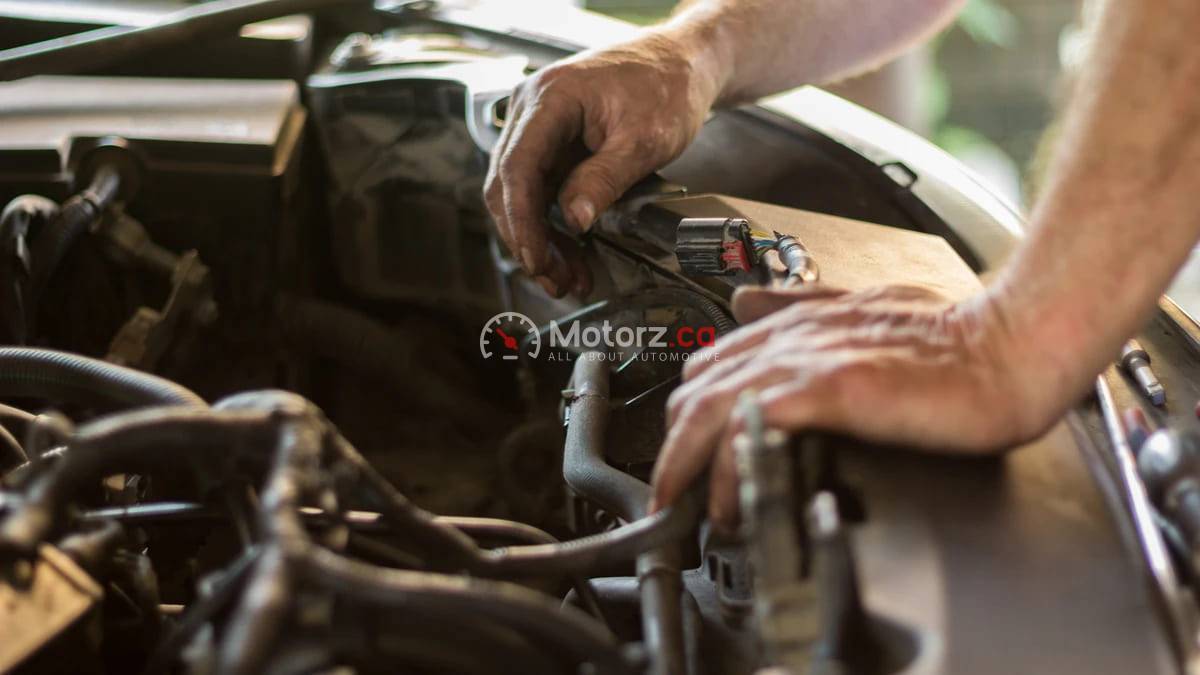
The process begins with a meticulous restoration of the classic car’s chassis, body, and interior. Once the vehicle is structurally sound, the true modification begins. The gasoline engine, transmission, fuel tank, and exhaust system are removed. They are replaced by an electric motor, a high-voltage battery pack, a motor controller, and a modern cooling system.
The Engineering Challenge: Batteries and Balance
One of the greatest engineering hurdles in a classic car conversion is the placement of the EV battery pack. Classic cars were never designed to carry the significant weight of modern lithium-ion batteries. Expert builders must find creative solutions to Classic Car’s Electric Heart the battery weight optimally, often utilizing space formerly occupied by the engine bay, fuel tank, and transmission tunnel. The goal is to retain the car’s original handling dynamics—or even improve them—by achieving a near-perfect weight distribution and a low center of gravity.
Retaining the Soul of the Machine
The best electric conversions are virtually undetectable to the untrained eye. The vehicle’s aesthetic integrity is paramount. Exterior charging ports are often cleverly hidden behind the original fuel filler door. Inside, the original dashboard and gauges are frequently retained, though they may be subtly recalibrated to display battery charge and electric range instead of fuel level and engine temperature. This meticulous attention to detail ensures that the emotional connection to the classic vehicle remains unbroken, even with the new Classic Car’s Electric Heart.
The Classic Candidates: Icons of Electrification
In North America, certain classic cars have become highly popular candidates for EV conversion. Their robust chassis, ample space, and iconic status make them ideal platforms for the transformation.
Porsche 911: The 911’s rear-engine layout is surprisingly well-suited for accommodating an electric motor and battery pack, often resulting in a superior power-to-weight ratio and instant performance that leaves the original powertrain behind. The iconic silhouette remains untouched, while the driving dynamics are instantly modernized.
Ford Mustang (First Generation): A cornerstone of American muscle, the vintage Mustang’s large engine bay offers generous room for a powerful electric drive unit. Companies like ECD Automotive Design have created stunning examples that offer silent, tire-shredding torque.
Jaguar E-Type: Often cited as one of the most Classic Car’s Electric Heart cars ever made, the E-Type benefits immensely from electrification. The fussy, complex original mechanics are replaced with reliable, smooth EV technology, enhancing its grand touring capability while preserving its stunning aesthetic.
Land Rover Defender: The rugged, utilitarian design of the classic Defender is perfect for a zero-emission powertrain. The instant, low-end torque of an electric motor drastically improves its off-road capability, making it a more dependable and capable machine for North American backcountry adventures.
Volkswagen Beetle and Bus: These air-cooled classics are technically straightforward conversions. The former rear-engine, rear-wheel-drive layout lends itself naturally to the placement of a modern electric drivetrain, offering owners a silent, reliable version of the beloved classic car.
The Drive for EV Restomod Adoption in North America
The surge in EV restomod popularity across the US and Classic Car’s Electric Heart is driven by a confluence of cultural, technological, and economic factors.
Performance and Usability
The myth that electric classic cars are slower or less engaging than their gasoline counterparts is quickly being dispelled. Electric motors deliver instant torque—power from zero revolutions—providing astonishing acceleration and responsiveness. Many EV restomods outperform the original vehicles, transforming a beloved cruiser into a genuine modern performance car. Furthermore, the improved reliability and drastically reduced maintenance requirements transform the classic vehicle from a weekend novelty that requires constant tinkering into a practical, reliable daily driver.
Sustainability and Future-Proofing
A key motivator for many enthusiasts is the desire for sustainable driving. As emissions regulations tighten and a focus on environmental impact grows, keeping a vintage, smog-producing engine on the road becomes increasingly problematic. Electric conversions make a definitive statement: preservation does not have to mean pollution. By going zero-emission, owners future-proof their investments, ensuring they can be driven in urban centers and regions with strict emissions standards for decades to come.
The Niche Industry Growth
The EV restomod space has fostered a burgeoning industry of North American specialists. Companies are establishing themselves as experts in bespoke, high-end conversions, often using donor parts from modern EVs like Teslas and Chevrolet Bolts to ensure reliability and performance. This professionalization has made the option more accessible, though still a premium service, and has driven innovation in custom battery pack design and motor integration.
The Economics of Electrification: Cost and Value
An EV restomod is a significant investment. While the long-term savings on fuel and maintenance are compelling, the upfront cost can be substantial, reflecting the custom, labor-intensive nature of the work.
The Cost Breakdown
The total cost for a professional, high-quality Classic Car’s Electric Heart conversion typically starts in the five-figure range, often exceeding the price of the donor car itself. The primary expense components include:
Donor Vehicle: The initial price and required restoration work on the classic car.
Battery Pack: The single most expensive component, with cost varying significantly based on the desired electric range and power output. Larger battery packs for extended range can push costs higher.
Electric Motor and Components: The motor, inverter, controller, and wiring harness.
Labor and Engineering: The highly skilled, custom work required to install, integrate, and tune the modern EV technology into the vintage chassis. This includes custom fabrication for battery mounts and often upgrades to the suspension and braking systems to handle the increased power and weight.
Future Value and Investment
For certain rare and desirable classic vehicles, a professional electric conversion by a reputable specialist can significantly increase their market value. The combination of timeless design with modern reliability and zero-emission performance is proving highly appealing to a new generation of collectors and wealthy environmentalists. The ability to own a piece of automotive history that is also a cutting-edge sustainable vehicle creates a unique investment proposition.
Overcoming the Challenges of Electric Conversion
Despite its benefits, the EV restomod world faces several challenges that companies and enthusiasts are working hard to overcome.
Range Anxiety and Charging Infrastructure
While modern EV technology offers impressive electric range—often well over 200 miles—some owners of converted classics still grapple with range anxiety, especially on long road trips in North America where charging infrastructure can be sparse. The industry is constantly improving, however, with battery technology becoming denser and more efficient, and the public charging network rapidly expanding.
Preserving Historical Integrity
A spirited debate exists among traditionalists who argue that removing the original engine—the classic car’s beating heart—destroys its historical integrity and soul. The EV restomod community counters that these conversions save the car from obsolescence and ensure its long-term existence and usability. Many companies offer “reversible” conversions, where the original engine and components are carefully preserved and stored, allowing the car to be returned to its original state should a future owner desire.
Regulatory and Insurance Headaches
Navigating vehicle registration, safety checks, and insurance can be complex for a radically modified classic vehicle. Since they are not factory-built EVs, they fall into a grey area of regulation. North American companies are actively working with government agencies and insurance providers to standardize the conversion process, ensuring all electric classic cars meet modern safety and emission standards.
The Future is Electric and Classic
The EV restomod movement is a powerful expression of automotive passion, perfectly timed for the new era of electric mobility. It is a testament to human ingenuity—a way to reconcile a love for the past with the demands of the future. The sight of a classic Porsche 911 or a vintage Mustang gliding silently through a busy city street, powered by sustainable EV technology, is no longer a futuristic fantasy; it is the reality of a rapidly evolving North American classic car scene.
As EV adoption accelerates and battery prices fall, the electric vehicle conversion will only become more accessible and widespread. The golden age of the classic vehicle is not over; it is simply being redefined with a powerful, zero-emission electric heart, ensuring these rolling works of art will inspire drivers and onlookers for generations to come. The EV restomod is leading the charge, proving that the best way to honor the past is to embrace the future.