

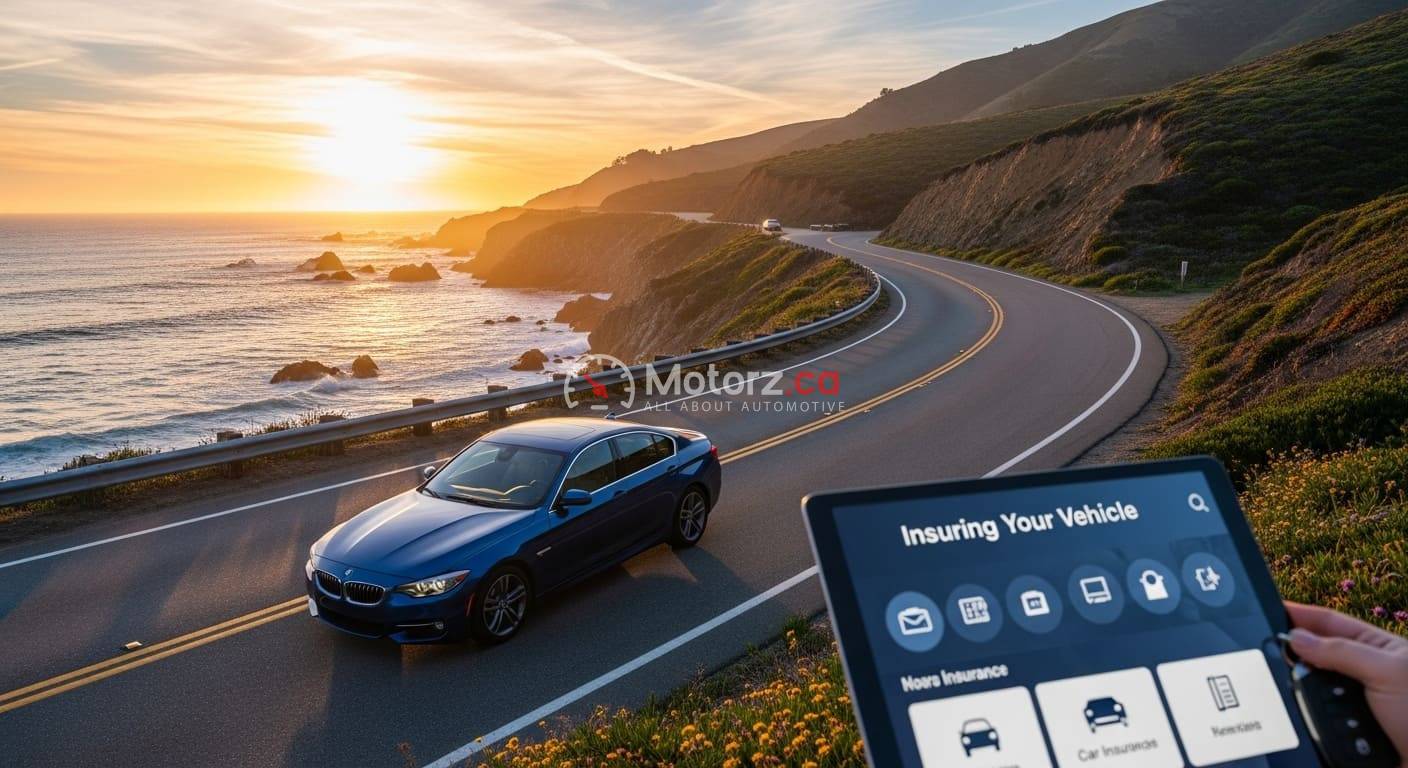

Driving on the beautiful Insuring Your Vehicle comes with the essential responsibility of being properly insured. Motor vehicle insurance in Jamaica is not just a formality; it is a legal mandate designed to protect drivers, passengers, and property from the serious financial repercussions of an accident.
Whether you are a first-time car owner, an experienced driver looking to switch providers, or someone simply trying to understand the difference between Third-Party Only and Comprehensive coverage, this guide is your definitive resource. We will break down the laws, explain the coverage options offered by top local providers like JN General Insurance (JNGI) and General Accident (GENAC), and provide actionable tips to help you secure the best policy at the best price.
The Legal Foundation: What The Law Requires
Before you even get behind the wheel, you must adhere to the core legislation governing motor vehicle insurance in Jamaica. Failing to comply can Insuring Your Vehicle in heavy fines, license suspension, or even imprisonment.
The Insuring Your Vehicle Act
The law that mandates vehicle insurance is the Insuring Your Vehicle (Third-Party Risks) Act. This Act ensures that every vehicle used on a public road must have at least basic coverage to protect the general public.
The Bare Minimum: Third-Party Only (TPO)
The legal requirement in Jamaica is for Third-Party Only (TPO) insurance. This policy is the minimum level of coverage and strictly covers your legal liability to third parties.
What It Covers:
Bodily injury or death to any person involved in the Insuring Your Vehicle (excluding the insured driver).
Damage to a third party’s property (e.g., their car, fence, wall).
What It DOES NOT Cover:
Any damage to your vehicle, regardless of who is at fault.
Medical expenses for you (the driver/policyholder).
Loss or damage due to theft or Insuring Your Vehicle.
If you are involved in an accident and are deemed at fault, your TPO policy will pay for the other person’s damages, but you will be responsible for 100% of your own vehicle repairs out of pocket.
Deciphering Policy Types: Choosing the Right Coverage
In the Jamaican market, policies are typically categorized into three main types. Choosing the right one depends heavily on your Insuring Your Vehicle value, your financial risk tolerance, and whether or not the vehicle is under a loan (a requirement usually set by the bank).
Third-Party Only (TPO) – The Budget Option
As detailed above, this is the Insuring Your Vehicle minimum. It is typically chosen for older, lower-value vehicles where the cost of comprehensive insurance would exceed the benefit or if the owner is prepared to accept the full risk of damage to their own vehicle.
Third-Party Fire and Theft (TPF&T) – The Middle Ground
This policy is a smart upgrade from TPO and is often chosen by owners of mid-range vehicles who want a little extra peace of mind against two of the most common risks in Jamaica:
TPO Coverage: All the bodily injury and Insuring Your Vehicle-party property damage covered by the basic policy.
Added Protection: Covers loss or damage to your vehicle resulting from fire or theft.
What It Still Lacks: Does not cover accidental damage to your vehicle in a collision.
Comprehensive Insurance – The Full Shield
This is the gold standard of motor insurance and provides the most extensive protection, covering damages to your vehicle and liability to others, regardless of fault. Banks and financial institutions always require Comprehensive coverage when a Insuring Your Vehicle is financed.
Core Coverage: Covers your liability to third parties (TPO), plus fire and theft (TPF&T).
Own Damage: Crucially, it covers physical damage to your vehicle resulting from a collision, overturning, or malicious acts.
Added Benefits (Standard in Jamaica): Comprehensive policies usually include various standard features from local Insuring Your Vehicle like BCIC and Advantage General:
Windscreen Coverage: Often allows for replacement or repair of glass without affecting your No Claim Discount (NCD).
Personal Accident Coverage: Payments for specific injuries or death of the driver and/or passengers.
Medical Expenses: Coverage for limited medical costs related to an accident.
Wrecker/Towing Fees: Reimbursement for Insuring Your Vehicle a disabled vehicle.
Natural Disasters: Protection against hurricanes, earthquakes, and flood damage.
Key Factors That Determine Your Premium Cost
The cost of your premium is determined by an underwriter’s assessment of the financial risk you pose. While the final price varies greatly between companies, certain factors are universal across the Jamaican insurance market.
Driver Profile and History
This is the most significant factor in determining your annual premium.
Age and Experience: Drivers under the age of 25 (often referred to as Young Drivers) and those with less than two years of licensing experience are considered high-risk and will pay significantly higher premiums.
Driving Record: A clean driving record is your best financial asset. Accidents and traffic violations (especially serious ones) will increase your rate, while a long history with no claims (NCD) will earn you substantial discounts.
Gender: Statistically, women often receive a slight discount on premiums due to lower risk profiles.
Vehicle Details
The nature of your vehicle directly impacts the potential cost of a claim.
Vehicle Value (The Sum Insured): This is the market value of your vehicle as determined by the insurer’s valuation report. The Insuring Your Vehicle the value (Sum Insured), the higher the premium, as the insurer’s risk of loss is greater.
Make and Model: Luxury, sports, and certain high-end Japanese imports may cost more to insure due to the expense and availability of imported spare parts.
Anti-Theft Devices: Installing an approved vehicle tracking device or alarm system can qualify you for a security discount.
Usage and Location
Commute Distance/Usage: If you use your car for long daily commutes or commercial purposes (e.g., taxi, delivery), you will pay more than someone using the vehicle for “social, domestic, and pleasure” only.
Geographic Location: Living or parking your Insuring Your Vehicle in a densely populated urban area, particularly one with higher crime or accident statistics (often found in major city centres), can lead to a higher premium.
The Necessary Paperwork: Documentation You Must Have
Before any Jamaican insurance company, from GK General Insurance to Scotia General Insurance Agency, will issue a policy, you must provide a standard set of documents to confirm the identity of the driver and the legality of the vehicle.
Vehicle and Policy Documentation
Valid Driver’s Licence: The licence of the principal driver (and any named drivers) must be valid and current.
Certificate of Fitness: Proof that the vehicle has passed its roadworthiness inspection by the relevant local authority.
Vehicle Registration/Title: To confirm ownership and the vehicle’s specific details.
Valuation Report: For Comprehensive policies, this professional report determines the vehicle’s accurate market value (Sum Insured). For older vehicles, a mechanical report may also be required.
Proof of Address: (e.g., utility bill) to verify your risk location.
Understanding the Policy Schedule and Excess
When you receive your policy, pay close attention to the Policy Schedule. This document lists all the details:
Sum Insured: The maximum amount the insurer will pay for a total loss.
Excess (or Deductible): This is the first amount you, the policyholder, must pay out-of-pocket for any claim. For example, if your excess is J$50,000 and the repair cost is J$300,000, you pay J$50,000, and the insurer pays J$250,000. Higher excess amounts usually mean lower premiums.
The Claims Process in Jamaica: A Step-by-Step Guide
Knowing what to do immediately after an accident is crucial to a smooth claims experience. Follow these steps to ensure you meet the requirements of your Jamaican insurer (like BCIC or GENAC).
At the Scene of the Accident
Secure the Scene: Check for injuries. Call 110 for an ambulance and 119 for the Police if there are significant injuries or severe property damage.
Gather Information: Do NOT admit fault. Exchange details with the other driver(s): name, phone number, vehicle registration number, and insurance company.
Document Everything: Take photos of the damage to both vehicles, the accident location, and any relevant road signs.
Witness Statements: Collect the names and contact details of any witnesses.
Reporting to the Authorities and Insurer
Police Report: Report the accident to the nearest police station immediately or as soon as physically possible. Obtain a Police Report Reference Number.
Notify Your Insurer: You must notify your insurance company as quickly as possible—many policies stipulate a timeframe, usually within 30 days of the incident. This can often be done online, via phone, or through their dedicated claims reporting line.
Assessment and Resolution
Assessor Appointment: Your insurer will appoint an independent Claims Assessor to examine your vehicle and the scene (if necessary).
Repair Estimates: You may be required to get estimates from approved repair shops.
Final Outcome: The assessor’s report determines fault and the final cost. If approved, the insurer will authorize repairs or declare the vehicle a Total Loss (if the cost of repair exceeds 80% of the Sum Insured).
Advanced Tips for Reducing Your Motor Insurance Premium
The premium you pay is not fixed. By making smart choices and taking proactive steps, you can significantly lower your annual insurance cost in Jamaica.
Strategic Policy Decisions
Increase Your Excess: Opting for a higher voluntary excess amount will signal to the insurer that you are willing to bear a larger portion of a potential minor loss, often resulting in a notable reduction in your premium.
Bundle Policies: Many local companies like JNGI offer discounts if you insure your vehicle and your home with them.
Limit Drivers: List only necessary Insuring Your Vehicle. Adding young or inexperienced drivers significantly increases your premium.
Vehicle Security and Usage
Install Tracking: For high-value or highly targeted vehicles, installing a certified anti-theft tracking system is a major incentive for insurers.
Secure Parking: Insurers prefer that Insuring Your Vehicle are parked in a secured garage or behind a locked gate overnight, rather than on the street. Documenting this can sometimes reduce your risk rating.
Maintain a Clean Record: This cannot be overstated. Drive safely, avoid traffic violations, and maintain your No Insuring Your Vehicle Discount (NCD) year after year.
Choosing Your Insurance Partner in Jamaica
Selecting the right insurance company is about more than just the price—it’s about the quality of service when you need it most (during a claim).
Compare Quotes: Never settle for the first Insuring Your Vehicle. Reach out to local heavyweights like General Accident, JN General Insurance, BCIC, and Advantage General to compare rates, benefits, and deductibles.
Check Reviews: Look for reviews on their claims processing efficiency and customer service. A cheap policy is worthless if the claim takes months to resolve.
Broker vs. Direct: Decide whether you prefer the personalized advice of an Insurance Broker who shops around for Insuring Your Vehicle, or the convenience and speed of dealing with a company Directly.
Navigating the nuances of motor Insuring Your Vehicle in Jamaica requires patience and due diligence, but by understanding the Motor Vehicles Insurance (Third-Party Risks) Act, distinguishing between the three main policy types, and actively working to reduce your risk profile, you will be well-equipped to secure the right protection for your vehicle and your future on the Jamaican roads. Drive responsibly and stay insured!